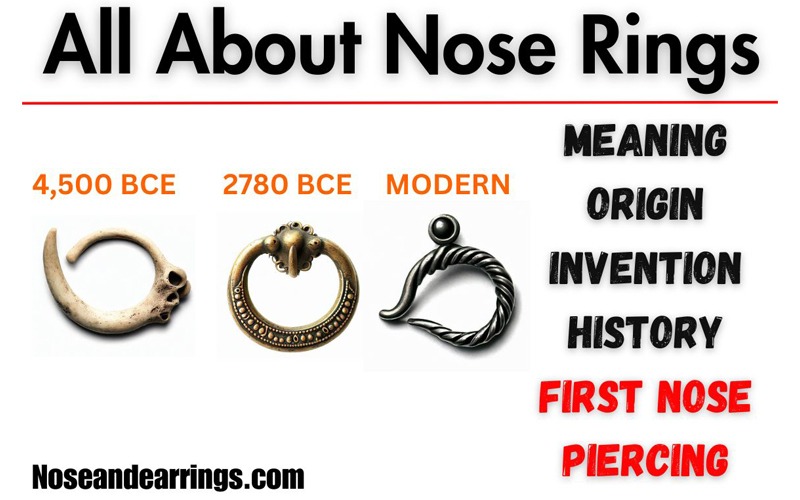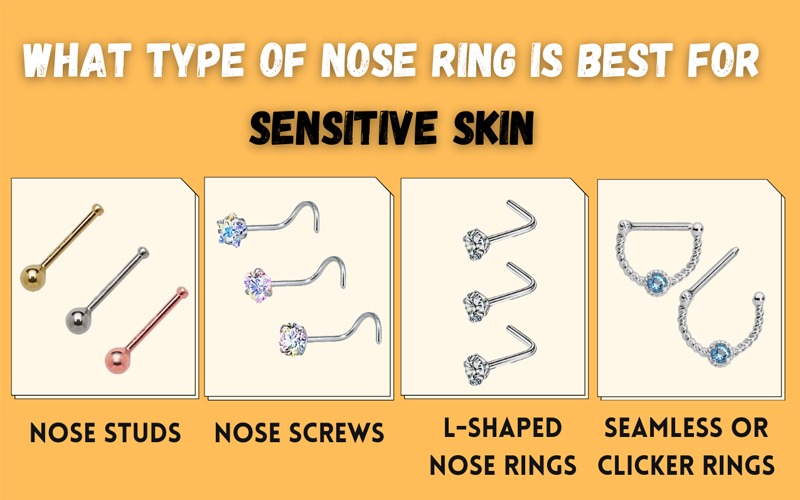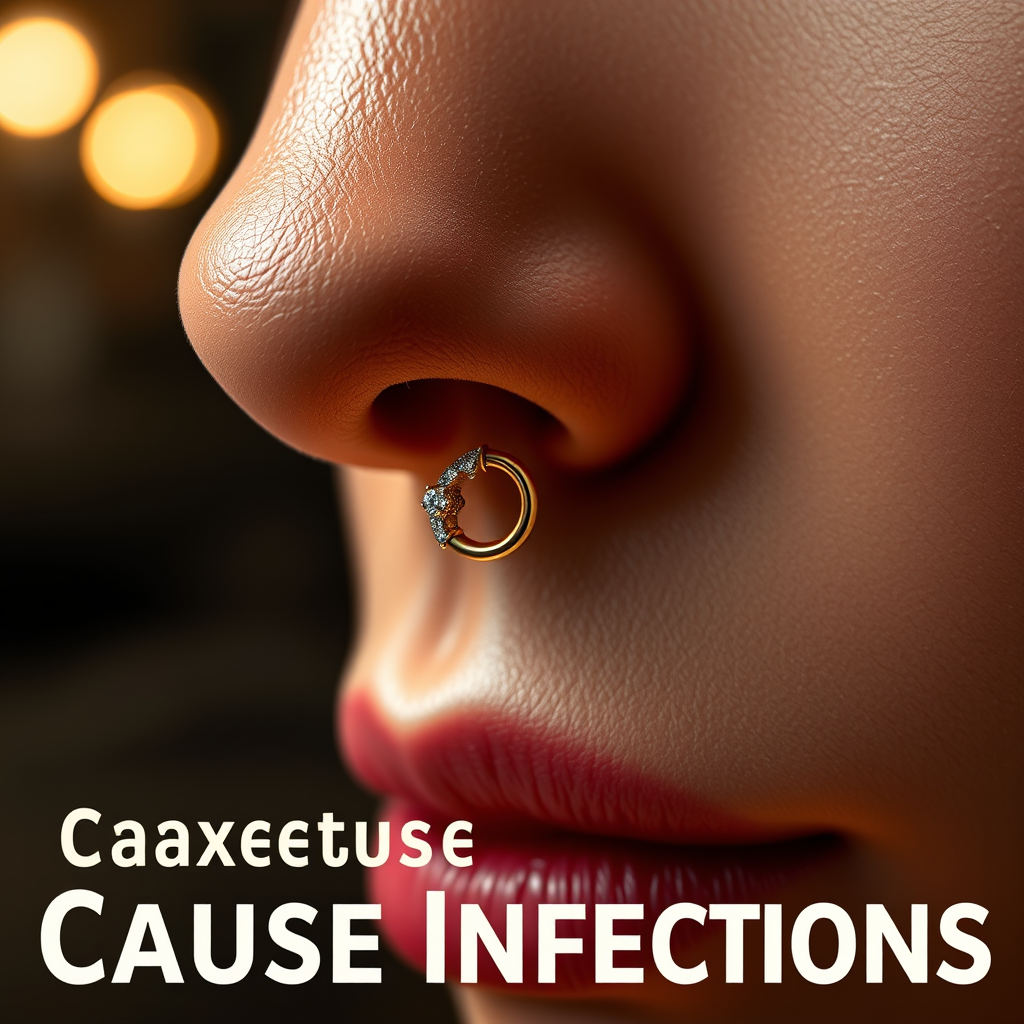
Fake nose rings can indeed cause infections if not used carefully. These accessories, while a fun way to experiment with style, can irritate the skin and harbor bacteria, leading to potential health issues. Understanding the materials, hygiene practices, and risks associated with fake nose rings is essential for maintaining both safety and aesthetic appeal. In this article, we’ll explore how fake nose rings can affect your health, the risks involved, and how to prevent infections.
Understanding Fake Nose Rings

Fake nose rings are non-piercing jewelry designed to mimic the look of a traditional nose ring without the need for a piercing. They are commonly made from materials such as plastic, acrylic, or inexpensive metals like nickel and copper. These materials can often lead to skin irritation, especially for individuals with sensitive skin or allergies. The aesthetic appeal of fake nose rings has made them a popular choice among those who want to experiment with body jewelry without committing to a piercing.
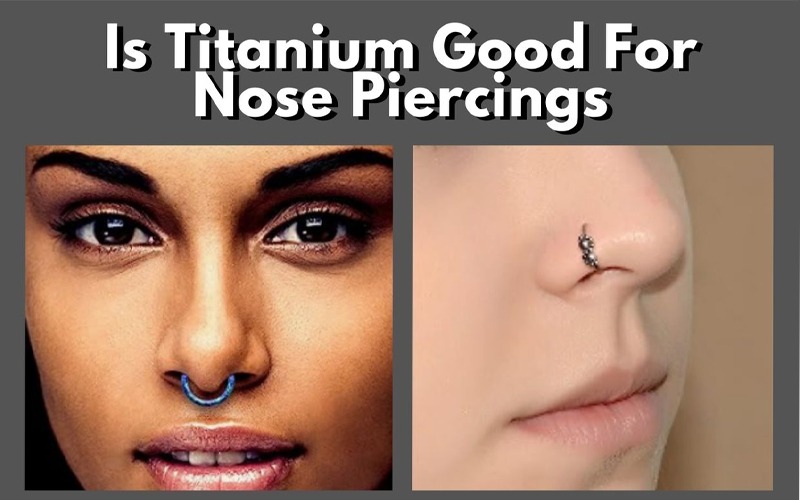
Notably, while some manufacturers offer high-quality options, many fake nose rings are produced with lower-grade materials that may not be skin-friendly. This can result in adverse reactions, such as rashes or allergic responses. Therefore, it is crucial for consumers to be discerning about the products they choose, ensuring that they select jewelry made from hypoallergenic materials like surgical stainless steel, titanium, or medical-grade plastic for a lower risk of irritation and infection.
How Infections Occur
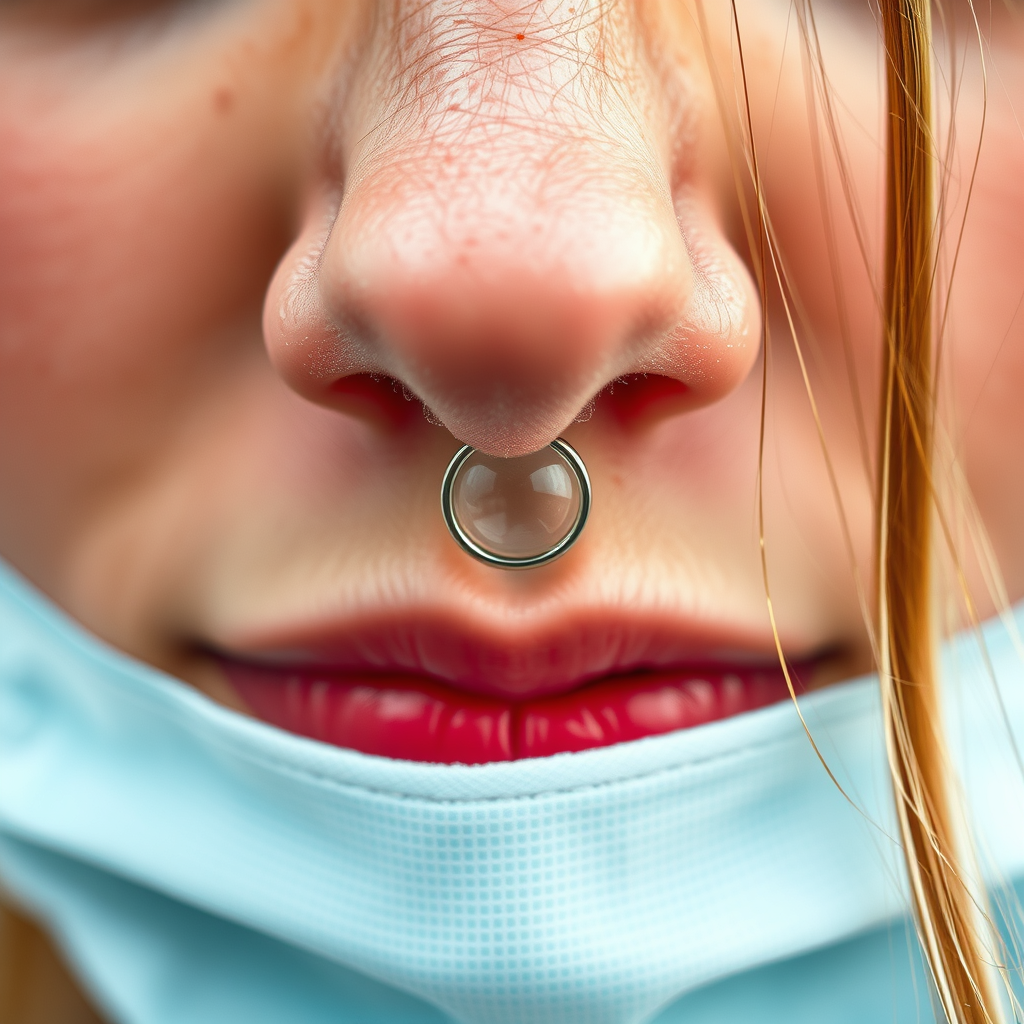
Infections can occur when bacteria enter the skin through broken or irritated areas caused by the ring. When fake nose rings rub against the skin, especially if they are not fitted properly, they can create micro-abrasions or irritate sensitive areas. These breaches in the skin’s protective barrier can allow pathogens to enter, leading to infections.
Moreover, poor hygiene practices significantly contribute to the risk of infection. If the jewelry is not regularly cleaned, it becomes a breeding ground for bacteria. The nose, being a moist environment, can further exacerbate this issue. For instance, if a fake nose ring is worn during activities that cause sweating or exposure to dirt and pollutants (such as sports or outdoor events), the chance of infection increases. Therefore, maintaining proper hygiene is essential for those who choose to wear fake nose rings.
Signs of Infection
Recognizing the signs of infection early is crucial to prevent further complications. Common symptoms include redness, swelling, pain, or discharge around the area where the fake nose ring is worn. In some cases, the skin may also feel warm to the touch or develop a rash. If the infection progresses, it may lead to systemic symptoms such as fever or chills, indicating a more serious condition.
It’s important to differentiate between normal irritation and signs of infection. For example, mild redness and discomfort may occur after initial use, but persistent or worsening symptoms should be taken seriously. If you experience these signs, it is advisable to remove the jewelry and closely monitor the area. Prompt recognition and response will help mitigate the risk of serious health issues.
Prevention Tips
To minimize the risk of infection when wearing fake nose rings, consider the following prevention tips:
1. Choose High-Quality Materials: Opt for hypoallergenic materials that are less likely to cause irritation. Surgical stainless steel, titanium, and medical-grade plastic are excellent choices.
2. Maintain Cleanliness: Regularly clean both the nose and the jewelry to reduce bacteria buildup. Use a gentle soap and water solution or a saline saline solution to clean the area and the jewelry. It’s advisable to clean the ring before and after each use.
3. Limit Wear Time: If possible, limit the duration for which you wear fake nose rings, especially if you notice any irritation. Taking breaks can help your skin recover.
4. Avoid Tight Fitting: Ensure that the fake nose ring fits comfortably without too much pressure. A tight fit can cause irritation and increase the likelihood of micro-abrasions.
5. Be Mindful of Activities: If you plan to engage in activities that might expose your nose to sweat or dirt, consider removing the ring temporarily to prevent irritation and infection.
When to Seek Medical Help
If you notice severe symptoms such as significant swelling, intense pain, or if the infection does not show signs of improvement within a few days, it is important to consult a healthcare professional. Early intervention can prevent serious health issues and ensure that you receive appropriate treatment, which may include antibiotics or other medical interventions.
Additionally, if you experience systemic symptoms such as fever or chills alongside localized infection signs, seek medical attention immediately. Ignoring these symptoms can lead to severe complications, including the spread of infection beyond the localized area.
Alternatives to Fake Nose Rings
For those who may be concerned about the risks associated with fake nose rings, there are several alternatives available. Clip-on or magnetic nose rings made from safer materials can provide a similar aesthetic without the potential for irritation or infection. These alternatives can be an excellent option for individuals looking to achieve the look of a nose ring without the commitment of a piercing.
Additionally, explore other non-invasive jewelry options, such as adhesive nose stickers or decorative nose cuffs, which can be stylish without the risks associated with traditional or fake nose rings. These alternatives allow for creativity and expression while minimizing health concerns.
Fake nose rings can pose a risk of infection if not used wisely. By understanding the potential dangers and employing proper hygiene and care practices, you can enjoy your accessory without health concerns. If you’re experiencing any discomfort or signs of infection, make sure to consult a healthcare professional for advice. Ultimately, being proactive about your health can allow you to express your style safely and confidently.
Frequently Asked Questions
Can fake nose rings cause infections?
Yes, fake nose rings can cause infections, especially if they are made from non-hypoallergenic materials or if they are not properly cleaned. When wearing a fake nose ring, bacteria can accumulate around the piercing site, leading to irritation or infection. To minimize this risk, choose jewelry made from surgical-grade stainless steel, titanium, or other hypoallergenic materials, and ensure that both the jewelry and your skin are kept clean.
How can I tell if my fake nose ring is causing an infection?
Signs of infection from a fake nose ring may include redness, swelling, warmth around the piercing, pus or discharge, and increased pain or discomfort. If you experience any of these symptoms, it is crucial to remove the jewelry and consult a healthcare professional for appropriate treatment. Early intervention can help prevent the infection from worsening and promote quicker healing.
Why do some people get infections from fake nose rings while others don’t?
The likelihood of developing an infection from a fake nose ring can depend on several factors, including individual skin sensitivity, the materials used in the jewelry, and the hygiene practices of the wearer. People with sensitive skin may be more prone to reactions from low-quality metals or coatings. Additionally, if the piercing area is not kept clean and cared for, the risk of infection increases significantly.
What are the best materials for fake nose rings to avoid infections?
The best materials for fake nose rings to help prevent infections are surgical-grade stainless steel, titanium, or 14K gold. These materials are less likely to cause allergic reactions and are more resistant to rust and corrosion. Avoid jewelry made from cheap metals, such as nickel or brass, as these can irritate the skin and lead to infections.
Which cleaning methods are effective for preventing infections from fake nose rings?
To prevent infections from fake nose rings, clean the jewelry and piercing site regularly with saline solution or an antiseptic solution recommended by a healthcare professional. Gently wipe the area around the nose ring with a clean cotton ball soaked in the solution, ensuring that no residue is left behind. Additionally, avoid touching the piercing with dirty hands, and never remove the jewelry without proper cleaning, as this can introduce bacteria.
References
- https://www.ncbi.nlm.nih.gov/pmc/articles/PMC3068858/
- https://www.cdc.gov/nceh/hsb/chemicals/fake_jewelry.html
- https://www.healthline.com/health/fake-nose-ring-infection
- https://www.mayoclinic.org/healthy-lifestyle/adult-health/expert-answers/piercings-and-infections/faq-20057814
- https://www.ncbi.nlm.nih.gov/pmc/articles/PMC6127961/
- https://www.aafp.org/pubs/afp/issues/2010/0315/p683.html