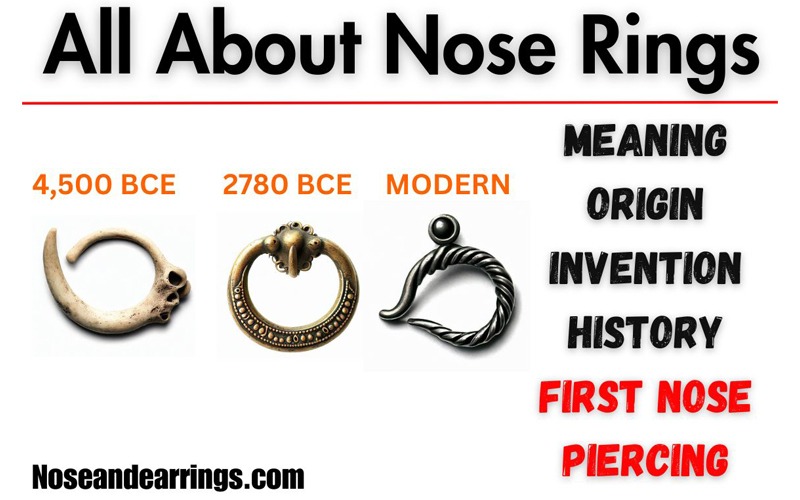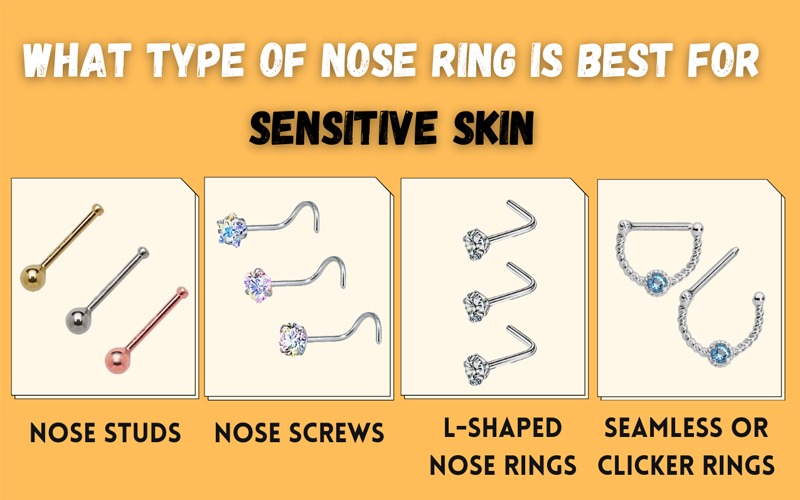
Wearing a nose ring during an MRI is generally not recommended due to the strong magnetic field of the machine, which can interact with metal objects. These interactions can pose risks not only to the integrity of the MRI images but also to the safety and comfort of the patient. Understanding these implications is crucial for anyone with body jewelry considering an MRI scan. This article will explore the risks associated with wearing a nose ring during an MRI, alternatives to consider, and essential guidelines for effective MRI preparation.
Understanding MRI and Its Magnetic Field

Magnetic Resonance Imaging (MRI) is a non-invasive imaging technique that employs powerful magnets to create detailed images of organs and tissues within the body. The strength of these magnets can reach up to 3 Tesla, which is significantly stronger than the magnetic field of a standard refrigerator magnet. This powerful magnetic field can attract metallic objects with considerable force, posing risks during the scanning process.
Moreover, the presence of metal in or near the scanning area can lead to image distortion. This distortion can compromise the diagnostic accuracy of the MRI results, potentially leading to misinterpretations or missed diagnoses. For instance, if a nose ring made of metal is present, it can create artifacts in the image, making it difficult for radiologists to analyze and assess the underlying health condition accurately.
Risks of Wearing a Nose Ring for an MRI
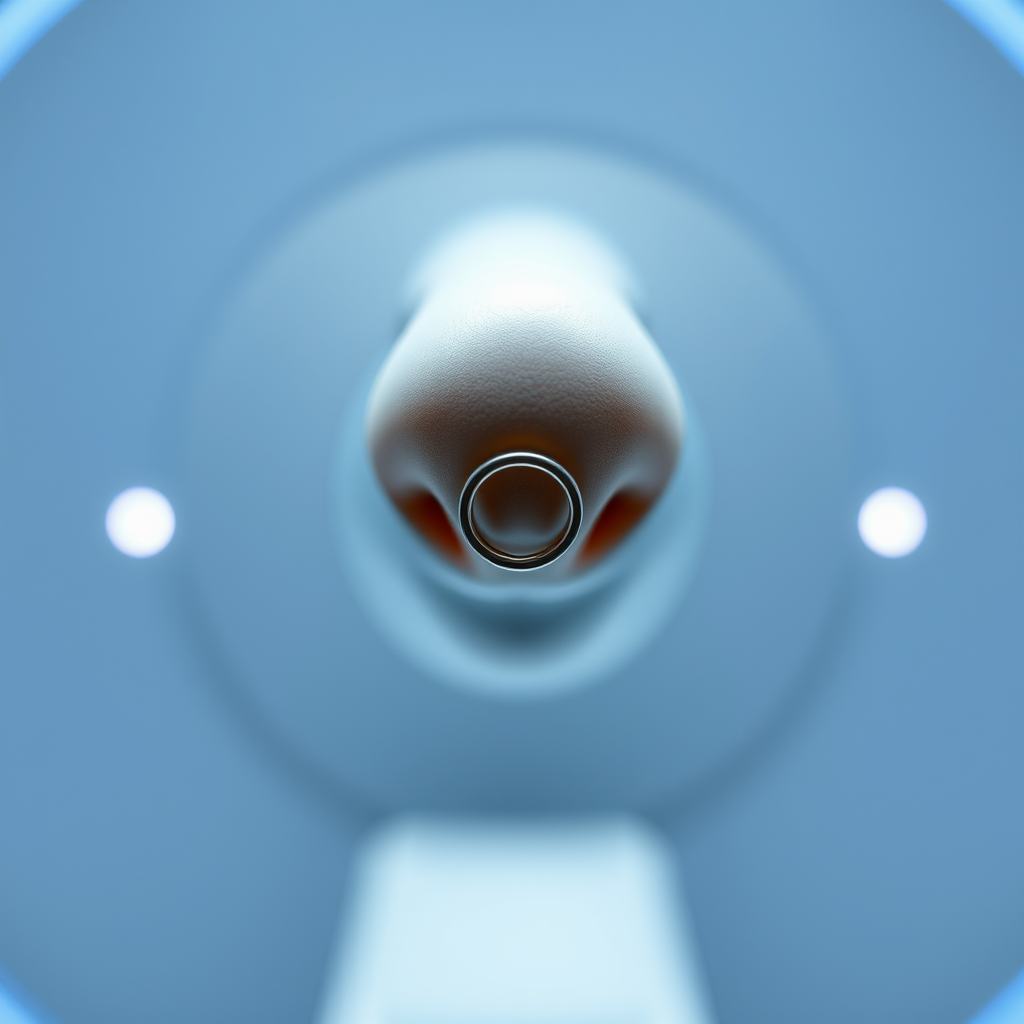
One of the primary risks associated with wearing a nose ring during an MRI is the potential for the jewelry to heat up. Certain metals, especially those that are ferromagnetic, can become dangerously hot when exposed to the MRI’s magnetic field. This heating can lead to burns or significant discomfort for the patient. In addition to thermal risks, the magnetic pull can also cause movement or dislodging of the jewelry. If a nose ring shifts during the scan, it may require immediate removal, adding unnecessary delays to the procedure and increasing patient anxiety.
Furthermore, if the metal in the nose ring interferes with the MRI machinery, it might necessitate a repeat scan, which exposes the patient to additional time in a potentially stressful environment. Given these risks, it is advisable for patients to avoid wearing any metal body jewelry, including nose rings, during an MRI.
Alternatives to Consider
For patients with existing piercings, there are alternatives to consider that can help ensure both safety and comfort during an MRI. One option is to use non-metallic jewelry made from materials such as plastic or glass. These materials are MRI-safe and can provide a similar aesthetic without the associated risks of metal.
Additionally, many healthcare providers recommend temporarily removing the nose ring prior to the MRI. This precaution not only enhances patient safety but also improves the quality of the MRI images. Patients can discuss this option with their healthcare team during the consultation process to determine the best course of action tailored to their specific situation.
Guidelines for MRI Preparation
Preparation for an MRI scan is critical for ensuring a smooth and effective imaging process. It is essential for patients to inform the MRI technician about any body jewelry they have, including nose rings, as part of the pre-scan assessment. Technicians are trained to handle such inquiries and will provide guidance on what can remain and what must be removed.
Patients should also follow any pre-scan instructions regarding personal items and accessories. This may include leaving all metal items, such as jewelry, watches, and even hairpins, at home or in a designated area outside the MRI room. Following these guidelines not only promotes safety but also contributes to the overall effectiveness of the MRI scan, allowing for clearer and more accurate imaging results.
Post-MRI Care for Piercings
If a patient decides to remove their nose ring before the MRI, it is vital to ensure that the jewelry is stored safely to prevent loss or damage. Patients should keep the nose ring in a secure place, such as a designated jewelry case or a small pouch, until they are able to reinsert it after the procedure.
After the MRI, individuals should monitor the piercing site for any signs of irritation or infection, which can occur if the jewelry is removed for an extended period. Keeping the area clean and avoiding touching it unnecessarily can minimize the risk of complications. If any unusual symptoms arise, such as redness, swelling, or discharge, it is advisable to consult a healthcare provider for proper evaluation and care.
Maintaining clear communication with your healthcare provider is essential when preparing for an MRI. Always prioritize safety and follow guidelines to ensure your imaging experience is smooth and effective. If you have further questions about your specific situation, reach out to your medical team for personalized advice.
In conclusion, while wearing a nose ring during an MRI scan is not advisable due to the risks associated with metal interactions and image distortion, there are alternatives and guidelines to follow that can ensure patient safety and effective imaging. By understanding the implications of metal body jewelry in an MRI context, patients can make informed decisions that prioritize their health and the accuracy of their diagnostic imaging.
Frequently Asked Questions
Can I wear a nose ring during an MRI scan?
It is generally advised to remove any metal jewelry, including a nose ring, before undergoing an MRI. The MRI machine uses powerful magnets, and metal can interfere with the imaging process, potentially causing artifacts in the scans. Additionally, metallic objects can pose safety risks, so it’s best to leave your nose ring out of the MRI room.
What happens if I forget to remove my nose ring before an MRI?
If you accidentally leave your nose ring in during an MRI, the magnetic fields can cause the metal to heat up or move, which may create discomfort or even injury. Furthermore, metal can distort the images, leading to inaccurate results. It’s crucial to inform the MRI technician about your nose ring so they can assist you in removing it safely.
How long after an MRI can I put my nose ring back in?
You can typically reinsert your nose ring as soon as the MRI is complete and you have left the MRI room. However, if you have recently had your piercing done, it’s best to follow your piercer’s aftercare instructions, as removing and reinserting jewelry too soon can lead to irritation or infection.
Why is it important to remove jewelry like a nose ring before an MRI?
Removing jewelry such as a nose ring is important because the MRI uses strong magnetic fields that can interact with metal. This interaction can distort MRI images, making it difficult for radiologists to interpret results accurately. Additionally, metal objects can become projectiles in the MRI room, posing safety risks to patients and staff.
What are the alternatives for people with a nose ring who need an MRI?
If you have a nose ring and are scheduled for an MRI, consider using a non-metallic retainer or spacer specifically designed for medical imaging, if your piercing is healed. These alternatives are often made from materials like plastic or silicone and can be safer options to keep your piercing intact while ensuring accurate MRI results. Always consult with your healthcare provider or MRI technician for recommendations tailored to your situation.
References
- https://www.ncbi.nlm.nih.gov/pmc/articles/PMC6149719/
- https://www.mayoclinic.org/tests-procedures/mri/about/pac-20383296
- Pediatric MRI
- https://www.hopkinsmedicine.org/health/treatment-tests-and-therapies/mri
- https://www.verywellhealth.com/mri-safety-4177370