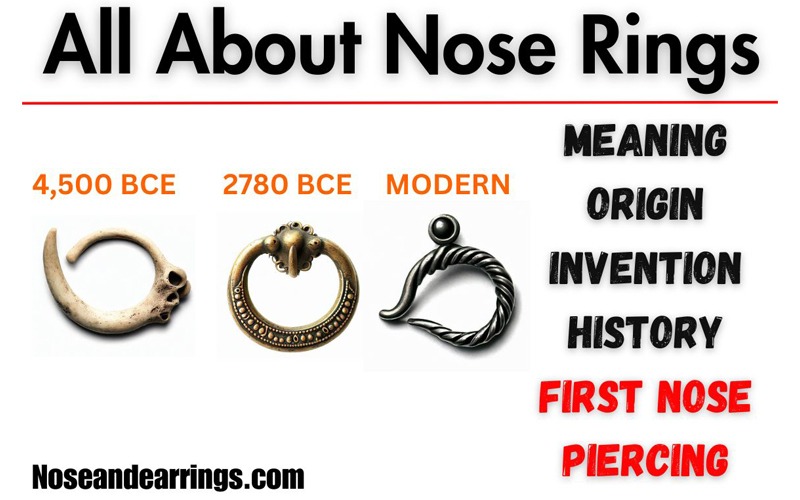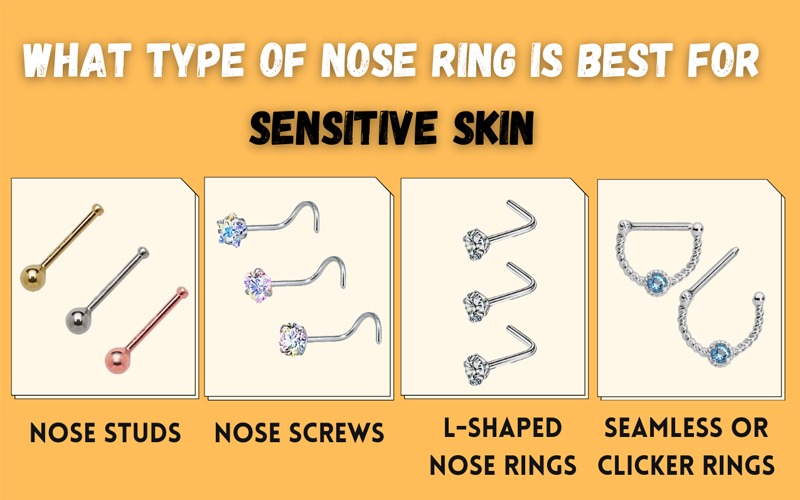
Wearing a nose ring during surgery is generally not recommended. Most medical professionals advise removing all body jewelry, including nose rings, to reduce the risk of infection and complications. Surgical environments require strict adherence to hygiene and safety protocols, which often conflicts with the presence of body jewelry. In this article, we will explore the reasons behind this advice, the potential risks involved, and what you can do to prepare for your surgery.
The Risks of Wearing a Nose Ring During Surgery
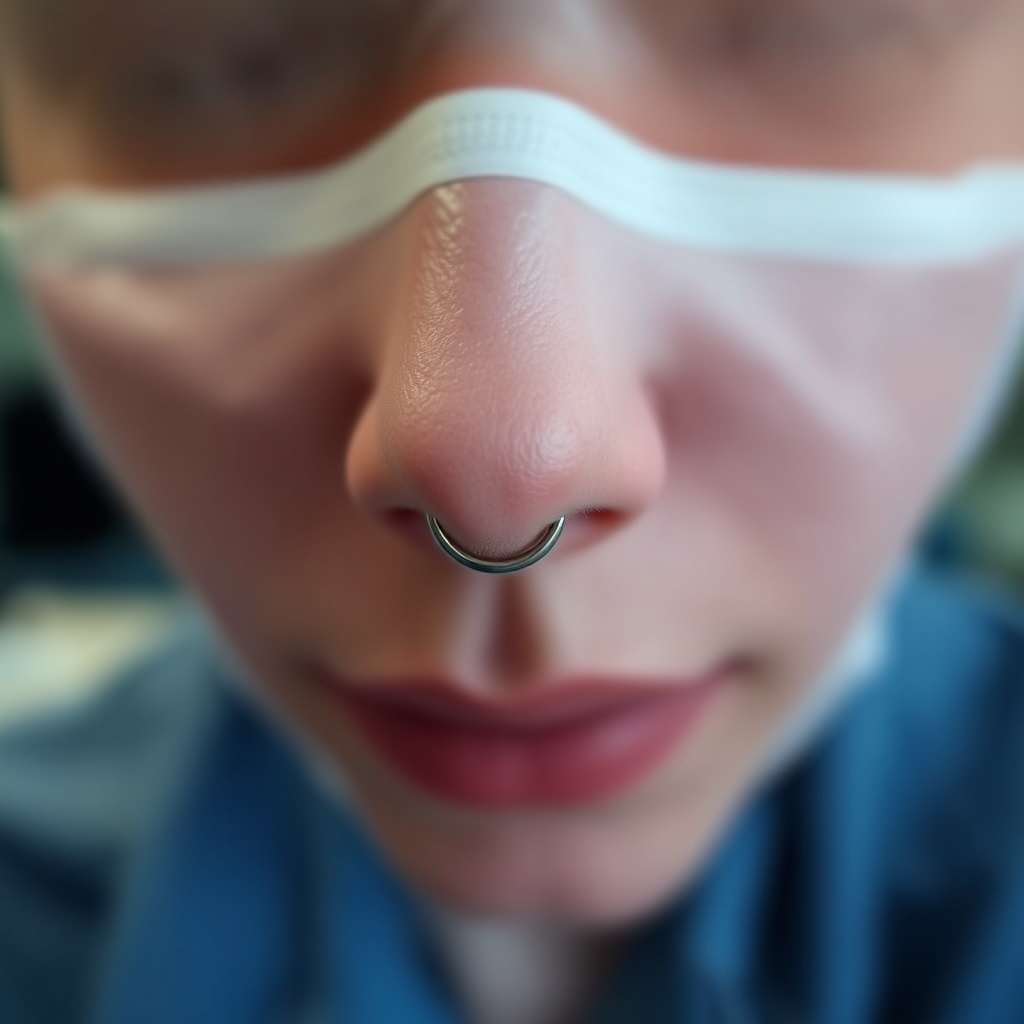
The risks associated with wearing a nose ring during surgery primarily revolve around infection and surgical complications. Body jewelry, including nose rings, can harbor bacteria and other pathogens that may lead to postoperative infections. Even with surgical scrubs and antiseptics, the presence of jewelry can significantly increase the risk of introducing harmful bacteria into the surgical site, especially if the jewelry is not sterile.
Moreover, nose rings can interfere with the surgical procedure itself, particularly in surgeries involving the face, head, or neck. Surgeons must have an unobstructed view and access to the area being operated on, and any protruding jewelry can hinder their ability to perform the operation safely. For example, during nasal or facial surgeries, the presence of a nose ring could obstruct the surgeon’s instruments or affect the precision of the procedure. Additionally, if there is any movement of the nose ring during surgery, it could lead to unintended injuries or complications.
Medical Recommendations

Most surgeons and healthcare institutions recommend that patients remove all body jewelry, including nose rings, prior to surgery. This recommendation is not merely a precaution; it is based on established medical practices aimed at ensuring patient safety. Hospitals often have strict policies regarding body jewelry to minimize risks.
For instance, many surgical teams will ask patients to arrive for surgery free of any jewelry, including earrings, necklaces, and rings. This is particularly true for elective surgeries. In emergent situations, while some flexibility may occur, the general guideline remains that body piercings should be removed when possible.
Patients should engage in open discussions with their healthcare providers regarding specific pre-operative requirements, including the removal of jewelry. Understanding and complying with these recommendations enhances the overall safety of the surgical experience.
Alternatives to Nose Rings During Surgery
If you are concerned about your nose ring and want to maintain the integrity of your piercing during surgery, there are alternatives to consider. One common option is a temporary retainer, which can be inserted into the piercing to keep it open without the risks associated with traditional jewelry. These retainers are usually made from biocompatible materials that do not trigger allergic reactions and can be safely worn during the surgical procedure.
It’s essential to discuss these options with your surgeon ahead of time to ensure that any alternative does not interfere with the surgical process. Your surgeon may have specific recommendations based on their experience and the type of procedure you are undergoing.
In some cases, surgeons may recommend waiting until after the surgery to reinsert any jewelry to allow for proper healing. It’s always best to seek guidance tailored to your individual circumstances.
Preparing for Surgery
Preparation for surgery involves several critical steps, and removing body jewelry is an essential part of the process. To ensure a smooth surgical experience, it’s beneficial to create a checklist of items to remove before the day of surgery. This should include not only your nose ring but also any other body jewelry, watches, and hair accessories that could interfere with the surgical procedure.
In addition to removing jewelry, it’s important to follow all pre-operative instructions provided by your healthcare team. These instructions may include dietary restrictions, medication adjustments, and guidelines regarding hygiene and personal care. Adhering to these guidelines helps reduce the risk of complications and supports a more efficient surgical process.
Patients should also consider arranging transportation and post-operative care in advance, as wearing body jewelry could complicate recovery. Being well-prepared will help alleviate anxiety and result in a more positive surgical experience.
Recovery and Aftercare
Understanding the healing process and its relation to any remaining piercings is vital for successful recovery after surgery. If you have a nose ring that was not removed prior to surgery, it may affect how the surrounding tissue heals. Infections can arise not only from the surgical site but also from any retained jewelry, particularly if it is not cleaned properly or is made from materials that may irritate the skin.
Following your surgeon’s aftercare instructions is crucial. These instructions may include guidance on how to care for your piercing if you choose to reinsert the jewelry post-surgery, as well as when it is safe to do so.
In some cases, patients may be advised to wait several weeks or even months before reintroducing jewelry to allow the surgical site to heal fully. This can prevent complications and ensure that the piercing does not interfere with the recovery process.
FAQs About Surgery and Body Jewelry
Can I wear other types of jewelry?
In general, it is advised to remove all types of body jewelry for the duration of the surgery. This includes earrings, necklaces, and any other piercings. While some non-metallic jewelry may be permissible, it is best to consult your healthcare provider.
What if my piercing is fresh or healing?
If your piercing is new or in the healing process, it’s especially important to follow your surgeon’s advice. Keeping the piercing open with a retainer may be an option, but it’s crucial to discuss this with your surgeon beforehand to avoid complications.
Wearing a nose ring during surgery is not advisable due to various risks associated with infection and surgical complications. It’s always best to consult with your healthcare provider for specific guidelines regarding your situation. If you’re scheduled for surgery, ensure you follow your surgeon’s recommendations for the best possible outcome. By preparing adequately and adhering to medical advice, you can help ensure a safe and successful surgical experience.
Frequently Asked Questions
Can I wear my nose ring during surgery?
Generally, it is not recommended to wear your nose ring during surgery. Most surgeons advise removing all body jewelry, including nose rings, to minimize the risk of complications, such as infection or interference with surgical procedures. It’s essential to follow your surgeon’s specific guidelines regarding jewelry removal before your surgery for optimal safety.
Why do I need to remove my nose ring before surgery?
Removing your nose ring before surgery is crucial for several reasons. First, it helps reduce the risk of infection by keeping the surgical site clean. Second, body jewelry can interfere with surgical instruments or imaging, potentially complicating the procedure. Lastly, in case of emergencies, it’s safer to have no metal on the body, as it can conduct heat or create hazards in certain surgical settings.
What should I do if my nose ring is newly pierced and I can’t remove it?
If your nose ring is newly pierced and you are unable to remove it, inform your surgeon or medical team before the procedure. They may suggest alternative solutions, such as using a clear retainer that is safe for surgical procedures or advising you on the best way to care for your piercing post-surgery. Always prioritize communication with your healthcare provider for personalized recommendations.
How long before surgery should I remove my nose ring?
It is advisable to remove your nose ring at least 24 hours before surgery, although the exact timing may vary depending on your surgeon’s advice. This allows your skin to settle and minimizes the risk of any irritation or allergic reaction that could arise from having jewelry in close proximity during the surgical procedure. Always confirm with your healthcare provider for specific instructions.
What are the best practices for caring for a piercing after surgery?
After surgery, to care for your piercing, keep the area clean and avoid touching it with unwashed hands. Use a saline solution or an antiseptic recommended by your surgeon to clean the piercing gently. Avoid using makeup or skincare products on the area until it’s fully healed, and follow any aftercare instructions provided by your healthcare team to ensure a smooth recovery for both your surgery and your piercing.
References
- https://www.ncbi.nlm.nih.gov/pmc/articles/PMC6502150/
- https://www.surgerytoday.com/articles/piercings-in-the-operating-room
- https://www.healthline.com/health/nose-ring-surgery
- Alzheimer’s prevention: Does it exist? – Mayo Clinic
- https://www.aana.com/docs/default-source/clinical-resources/clinical-practice-resources/body-piercings-and-anesthesia-2020.pdf
- Vitamin C (Ascorbic Acid) – StatPearls – NCBI Bookshelf