Yes, you can get a ring nose piercing, and it is a popular choice for those looking to express their individuality through body art. Ring nose piercings offer a unique aesthetic that can enhance your facial features and align with your personal style. This article will explore the various types of ring nose piercings, considerations for jewelry selection, aftercare practices, the pain and healing process, what to expect during the procedure, common myths, and how to find a qualified piercer.
Types of Ring Nose Piercings

When it comes to ring nose piercings, there are several styles to choose from, each offering a different look and feel. The two most common types are hoop rings and captive bead rings.
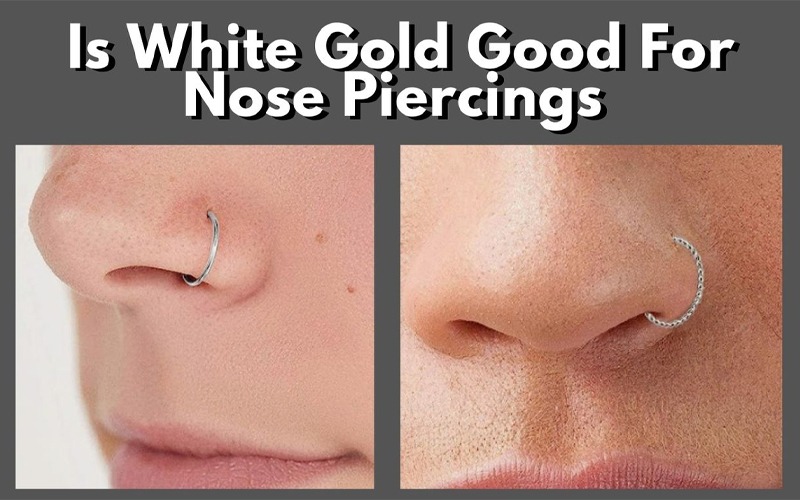
Hoop rings are circular and can be worn in various sizes, from small and subtle to large and bold, allowing for a customizable appearance. They can be made from various materials, including metals like gold and silver, and even synthetic materials.
Captive bead rings, on the other hand, feature a bead that sits in a groove on the ring, securing it in place. These rings are often more secure and can give a more polished look.
Both types can be adorned with charms or decorative elements, giving you the opportunity to further personalize your piercing. Ultimately, the choice between hoop rings and captive bead rings should be based on your personal aesthetic, comfort, and the specific advice of your piercer.
Choosing the Right Jewelry
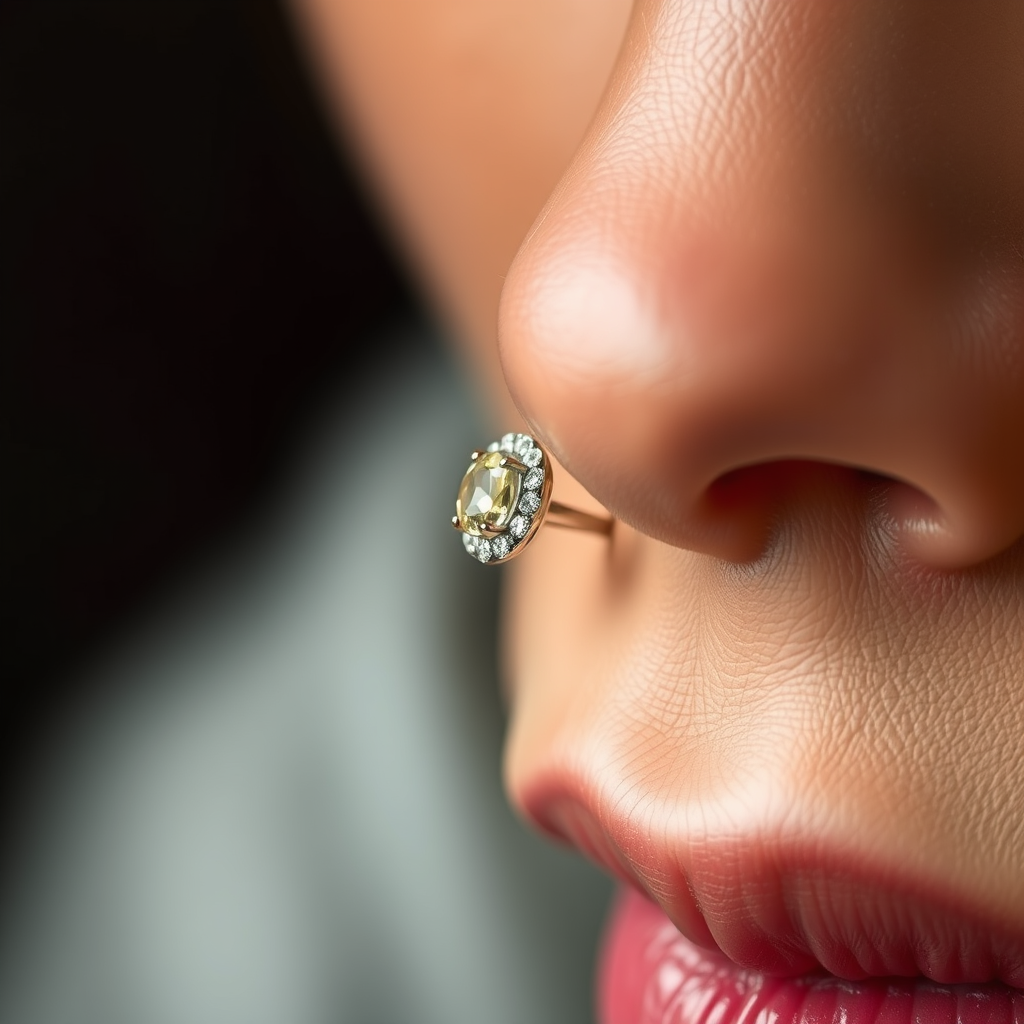
Selecting the right jewelry for your ring nose piercing is crucial for both aesthetic appeal and health. The materials used in your piercing can significantly impact your body’s reaction, so it’s essential to choose wisely.
Materials such as titanium and surgical steel are excellent options due to their hypoallergenic properties, making them less likely to cause irritation or allergic reactions. Gold is also a popular choice but should be at least 14k to avoid reactions from lower karat alloys. Avoid materials like nickel, which can often cause allergic reactions and discomfort.
Additionally, the gauge size of the piercing is important. The gauge refers to the thickness of the jewelry, and standard nose piercings typically use a 20 or 18 gauge. It’s essential to consult with your piercer regarding the appropriate size to ensure comfort and proper fit, as well as to facilitate healing.
Aftercare for Your Piercing
Aftercare is a critical component of ensuring a healthy healing process for your ring nose piercing. Keeping the area clean is vital in preventing infection. A saline solution is often recommended, which can be purchased or made at home by mixing sea salt with distilled water.
You should clean the piercing twice a day, gently washing around the area without twisting or turning the jewelry. It’s equally important to avoid touching the piercing with dirty hands; always wash your hands before cleaning or adjusting your jewelry. Following your piercer’s specific aftercare instructions is crucial, as they may have tailored advice based on your individual piercing and skin type.
If you notice any signs of infection, such as increased redness, swelling, or discharge, contact your piercer or a healthcare professional immediately.
Pain and Healing Process
Understanding the pain and healing process associated with a ring nose piercing can help set realistic expectations. The pain level varies from person to person, but many describe the sensation as a brief sting, similar to a pinch.
The healing process generally takes about 4 to 6 months, although it can vary depending on individual health factors and aftercare practices. During this time, it’s essential to monitor the piercing for signs of healing, such as reduced redness and swelling.
In the initial weeks, there may be some discomfort, but over time, you should experience less sensitivity as the tissue heals. Patience is key, as rushing the healing process by changing or removing the jewelry too soon can lead to complications.
What to Expect During the Procedure
Before getting your ring nose piercing, it’s essential to know what to expect during the procedure. A professional piercer will conduct a brief consultation to discuss your desired placement and any concerns you may have. This is an excellent opportunity to ask questions and clarify the process.
The actual piercing is performed using a sterile needle rather than a piercing gun, which is crucial for minimizing tissue damage and reducing the risk of complications. The piercer will mark the spot to ensure proper placement, and once you’re comfortable, the piercing will be completed quickly.
Most piercers will also provide you with aftercare instructions and may recommend follow-up appointments to monitor the healing process.
Common Concerns and Myths
There are several misconceptions regarding ring nose piercings, particularly concerning their safety and risk of infection. One common myth suggests that ring piercings are inherently more prone to infection than stud piercings. In reality, the risk of infection is more dependent on the care practices of the individual rather than the type of jewelry used.
Educating yourself about proper aftercare and maintaining good hygiene can significantly reduce the likelihood of complications. Additionally, some believe that nose piercings will leave permanent scars; however, with proper care and if you decide to remove the jewelry after healing, the piercing may close up with minimal scarring.
Finding a Qualified Piercer
To ensure a safe and successful piercing experience, finding a qualified piercer is essential. Start by researching local piercing studios and reading online reviews from previous clients. Look for a piercer who has extensive experience, preferably with a portfolio showcasing their work.
It’s also vital to inquire about their sterilization practices and equipment. A reputable piercer should be willing to discuss their methods of maintaining a clean and safe environment. Additionally, don’t hesitate to ask about their experience with ring nose piercings specifically, as certain techniques and considerations may apply.
Getting a ring nose piercing can be an exciting addition to your personal style. By understanding the options available, proper care, and finding a qualified piercer, you’ll be well-prepared for your new look. If you’re considering this type of piercing, take the next step and consult with a professional to get started!
Frequently Asked Questions
Can you get a ring for a nose piercing?
Yes, you can get a ring for a nose piercing, but it’s essential to wait until the initial healing period is complete. Typically, this healing period lasts about 6 to 8 weeks for nostril piercings. Once healed, many people choose rings such as hoops or captive bead rings to achieve a different aesthetic. It’s important to consult with a professional piercer to determine the best type of jewelry for your piercing and to ensure it’s suitable for your individual anatomy.
How painful is a ring nose piercing compared to a stud?
The pain level of a ring nose piercing is generally comparable to that of a stud piercing, as both procedures involve puncturing the skin. However, some individuals may find the sensation of a ring being inserted after the piercing is done to be slightly more uncomfortable due to the size and shape of the jewelry. Pain tolerance varies from person to person, but on average, most people describe the pain as brief and manageable.
Why should I choose a ring for my nose piercing?
Choosing a ring for your nose piercing can enhance your style and provide a unique look compared to traditional studs. Rings offer a wider variety of designs and materials, allowing for more personalization. Additionally, once the piercing is fully healed, rings can be easier to clean and maintain than some stud styles, which may trap dirt and bacteria. Always opt for high-quality materials like titanium or surgical steel to minimize the risk of irritation or allergic reactions.
What type of ring is best for a healed nose piercing?
The best type of ring for a healed nose piercing is often a hoop or a captive bead ring made from materials like titanium, gold, or surgical steel, which are both durable and hypoallergenic. Hoops come in various sizes and thicknesses, allowing you to choose one that fits your style. Captive bead rings can offer a secure closure while still being easy to change. When selecting jewelry, ensure it’s appropriate for your specific piercing size and anatomy to avoid discomfort.
Which aftercare tips should I follow for a ring nose piercing?
Aftercare is crucial for a ring nose piercing to ensure proper healing and to prevent infection. Clean the area twice daily with a saline solution or a gentle saline spray, avoiding alcohol-based products which can be too harsh. Avoid touching or twisting the ring unnecessarily, and steer clear of swimming pools or hot tubs until the piercing is fully healed. If you experience unusual redness, swelling, or pain, consult your piercer or a healthcare professional for advice.
References
- Nose piercing
- https://www.ncbi.nlm.nih.gov/pmc/articles/PMC5398356/
- https://www.healthline.com/health/nose-piercing-guide
- https://www.mayoclinic.org/healthy-lifestyle/adult-health/in-depth/piercings/art-20046089
- https://www.aad.org/public/diseases/a-z/piercing-safety
- https://www.cdc.gov/nceh/ehs/docs/piercings.pdf
- https://www.medicalnewstoday.com/articles/why-do-people-get-their-nose-pierced