Getting a nose ring may leave a scar, but the visibility and permanence of that scar depend on various factors, including the healing process and individual skin types. Understanding how nose piercings impact your skin is crucial for those considering this body modification. In this article, we will explore how nose piercings can affect scarring and what proactive measures you can take to minimize potential risk.
Understanding Nose Piercing Scarring

Scarring is a natural physiological response to skin injury, including piercings. When the skin is punctured, the body initiates a healing process that involves collagen production to repair the area. The extent of scarring can vary widely based on several factors, including individual skin type, the location of the piercing, and the method by which the piercing was performed. Some people may develop minimal scarring that is nearly imperceptible, while others might experience noticeable marks. Understanding this variability is essential for anyone contemplating a nose piercing, as it prepares them for potential outcomes and encourages informed decisions.
Factors Influencing Scar Formation

Skin Type
The type of skin a person has plays a significant role in how well it heals after a piercing. Individuals with oily skin may experience a different healing process compared to those with dry or sensitive skin. Oily skin can facilitate quicker healing due to increased moisture but may also be more prone to infections, which can lead to more pronounced scarring. Conversely, dry skin might take longer to heal, and if not properly cared for, it can result in thick, raised scars known as hypertrophic scars. Sensitive skin types may react more adversely to piercings, leading to irritation and potential scarring.
Piercing Technique
The technique used for the piercing can dramatically influence the outcome. Professional piercers utilize sterile equipment and techniques designed to minimize trauma to the skin. They often make precise incisions that promote better healing and reduce the risk of complications. In contrast, DIY piercings often lack the necessary hygiene and technique, leading to higher chances of complications like infection or improper placement, which can contribute to more severe scarring. Therefore, opting for a professional piercer is crucial for minimizing the risk of scars.
Healing Process and Aftercare
Proper aftercare is critical to the healing process and can significantly influence the degree of scarring. Following the aftercare instructions provided by your piercer helps to create a clean environment for healing. This typically includes cleaning the area with saline solution or an antiseptic recommended by a professional. Additionally, avoiding touching the piercing with dirty hands and refraining from removing the jewelry too early is vital.
Here are some actionable tips for cleaning and caring for your nose ring during the healing phase:
1. Clean Regularly: Use a saline solution or a non-alcoholic mouthwash diluted in water to rinse your piercing twice a day.
2. Avoid Irritation: Keep hair products, makeup, and other potential irritants away from the piercing site.
3. Moisturize: If you have dry skin, using a fragrance-free moisturizer can help ensure the area remains hydrated without clogging pores.
4. Do Not Remove Jewelry Prematurely: Keeping the jewelry in during the entire healing process is crucial to avoid closing up the hole and creating complications.
When to Consult a Professional
It’s essential to monitor your piercing for any signs of infection or abnormal healing. Signs that warrant a consultation with a healthcare professional include excessive redness, swelling, pus, or severe pain. These symptoms could indicate an infection that, if left untreated, might lead to more significant scarring. Additionally, if you notice that the scar is becoming thickened or raised, seeking professional help early can prevent long-term scarring. Healthcare professionals can provide targeted treatments to manage unwanted scarring and reduce the risk of permanent marks.
Options for Scar Treatment
If you do end up with a scar from your nose piercing, various treatment options are available to improve its appearance.
Over-the-Counter Treatments and Natural Remedies
Several over-the-counter treatments, such as silicone gel sheets or scar creams containing ingredients like vitamin E, can help reduce the visibility of scars. Natural remedies, such as aloe vera and honey, are also known for their soothing properties and can be applied directly to the scar to promote healing. While results can vary, many people find that consistent application leads to noticeable improvements over time.
Medical Procedures
For more persistent scars, medical procedures might be necessary. Options include laser therapy, which can resurface the skin and reduce scar appearance, and microdermabrasion, which exfoliates the upper layers of skin to promote healing. In some cases, corticosteroid injections may be recommended to flatten raised scars. Consulting with a dermatologist or a plastic surgeon can help determine the best approach for your specific situation.
Personal Experiences and Testimonials
Personal experiences can provide valuable insights into the realities of nose ring scars. Many individuals report varying outcomes based on their skin type and aftercare practices. For instance, one individual with oily skin found that keeping their piercing clean and moisturized led to minimal scarring, while another with sensitive skin experienced irritation and a more pronounced scar despite following aftercare instructions closely.
Additionally, testimonials often highlight the importance of professional piercing techniques. Many people emphasize that opting for a skilled piercer made a significant difference in their healing process and overall satisfaction. Sharing these experiences can help those considering a nose piercing feel more informed about potential outcomes and care practices.
In summary, while a nose ring can potentially leave a scar, various factors can influence the outcome. By understanding these factors—such as skin type, piercing technique, and aftercare—you can take proactive steps to minimize scarring. If you’re considering a nose piercing, ensure you’re informed and prepared for all aspects of the procedure, including aftercare and potential scar treatments. With the right approach, you can enjoy your new piercing while keeping scarring to a minimum.
Frequently Asked Questions
Does a nose ring leave a permanent scar after removal?
A nose ring can leave a scar, but whether it’s permanent depends on several factors, including your skin type, the healing process, and how well you care for the piercing. Generally, if the piercing is done correctly and proper aftercare is followed, any scarring may be minimal or hardly noticeable. However, in some cases, especially if there’s an infection or improper healing, a more pronounced scar may develop.
How can I minimize scarring from a nose piercing?
To minimize scarring from a nose piercing, it’s crucial to follow a proper aftercare routine. Keep the area clean and avoid touching it with dirty hands. Once the piercing has fully healed, using silicone gel or ointments designed to reduce scars can be beneficial. Additionally, protecting the area from sun exposure can significantly decrease the chances of a prominent scar forming.
Why do some people develop scars from nose piercings while others do not?
Scarring from nose piercings can vary from person to person due to genetic factors, skin type, and individual healing responses. Some individuals may have skin that is more prone to scarring, such as keloid-prone skin, while others may heal flawlessly. Additionally, factors like the quality of the jewelry used, hygiene during the piercing process, and overall health can influence scarring outcomes.
What is the best way to care for a new nose piercing to avoid scarring?
The best way to care for a new nose piercing and avoid scarring is to keep the piercing clean and free from irritants. Use a saline solution or an antiseptic recommended by a professional piercer to clean the area twice a day. Avoid using alcohol or hydrogen peroxide, as these can irritate the skin and delay healing. Also, refrain from changing the jewelry too soon, as this can lead to complications that may result in scarring.
Which type of nose jewelry is least likely to cause scarring?
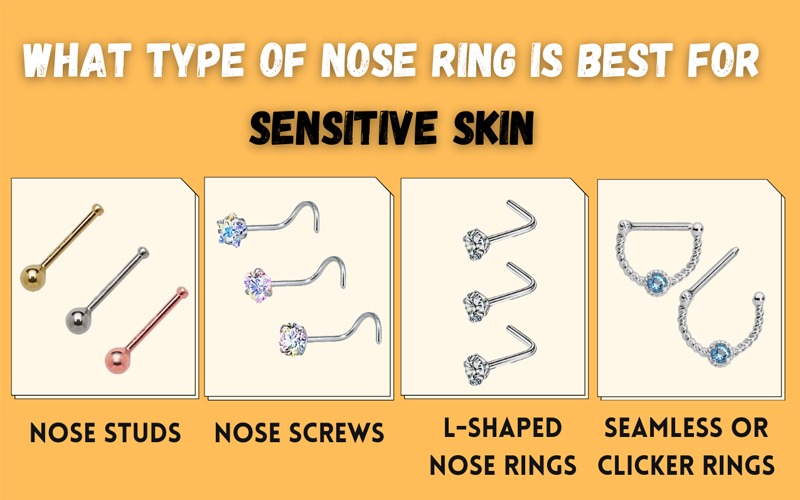
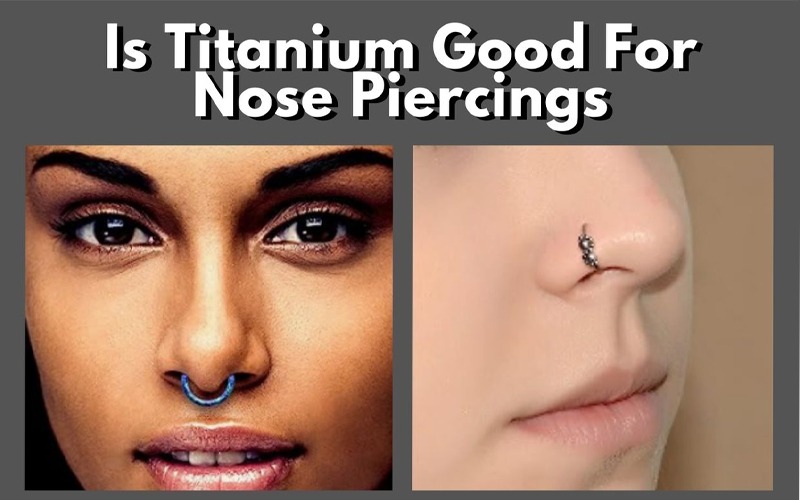
The type of nose jewelry least likely to cause scarring typically includes high-quality materials like surgical stainless steel, titanium, or gold. These materials are less likely to cause allergic reactions or irritations that can lead to scarring. Additionally, opting for a simple stud rather than larger or more intricate designs can also minimize trauma to the skin, reducing the risk of scarring during the healing process.
References
- Body piercing
- https://www.ncbi.nlm.nih.gov/pmc/articles/PMC7139486/
- https://www.aafp.org/pubs/afp/issues/2002/0115/p283.html
- https://www.healthline.com/health/body-piercing-scars
- Latent autoimmune diabetes in adults (LADA): What is it? – Mayo Clinic