Getting a nose ring typically leaves a small hole, which can become more prominent over time or after removal. This is due to the way the piercing interacts with the skin’s healing processes. In this article, we’ll explore how nose piercings affect your skin, the factors that influence whether a hole remains, and what you can do to minimize its appearance.
The Anatomy of Nose Piercings
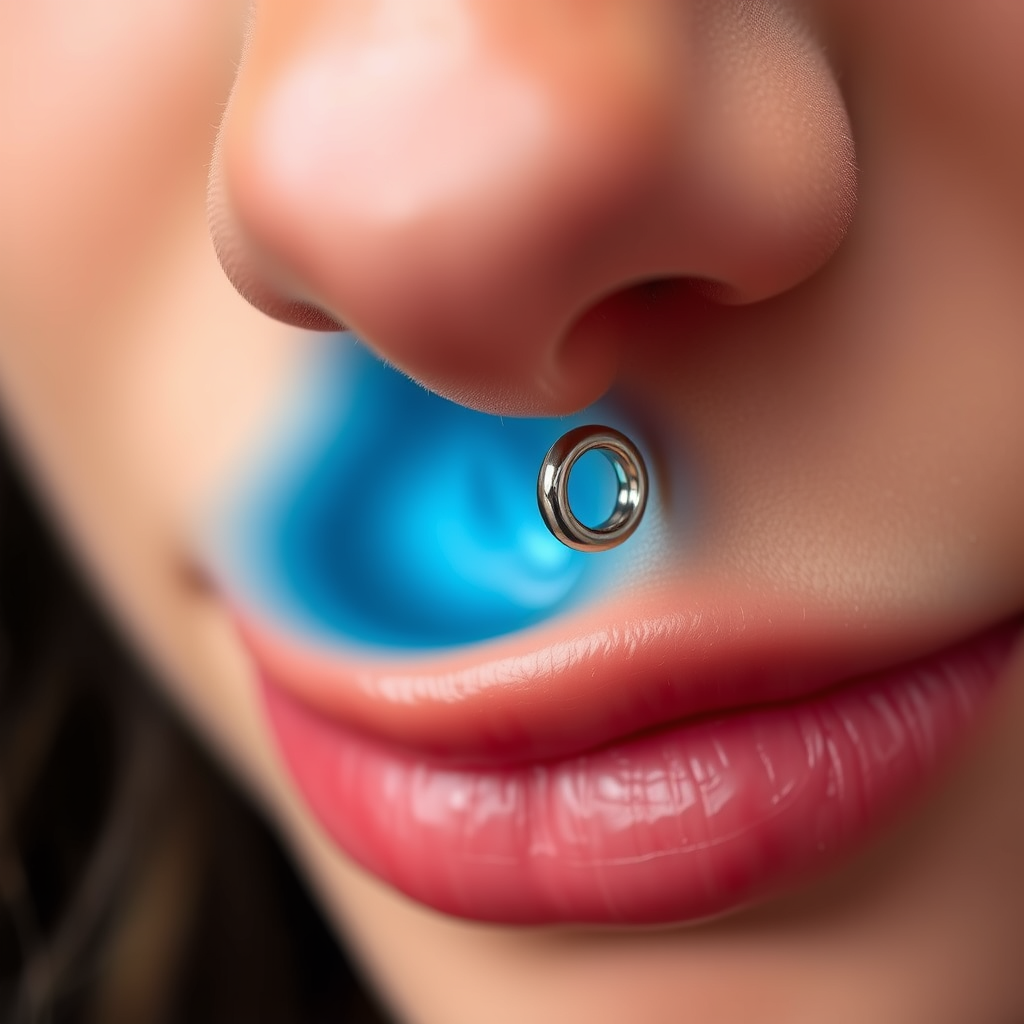
Nose piercings are typically made through the soft tissue of the nostril, specifically the columella or the cartilage, depending on the style of the piercing. The process creates a small hole in the skin that can vary in size and depth. The anatomy of the nose plays a pivotal role in how visible this hole remains after the jewelry is removed. The healing process is crucial in determining how noticeable the hole will be later. When the skin heals around the piercing, it can either close up nicely or leave a scar, which is often more pronounced if the healing process is not managed properly.
During the initial healing phase, which can take anywhere from a few weeks to several months, the body works to repair the punctured skin. Factors such as your overall health, diet, and hydration level can significantly influence this process. For example, a diet rich in vitamins and minerals can promote skin health, while dehydration can hinder healing.
Factors Influencing Hole Visibility
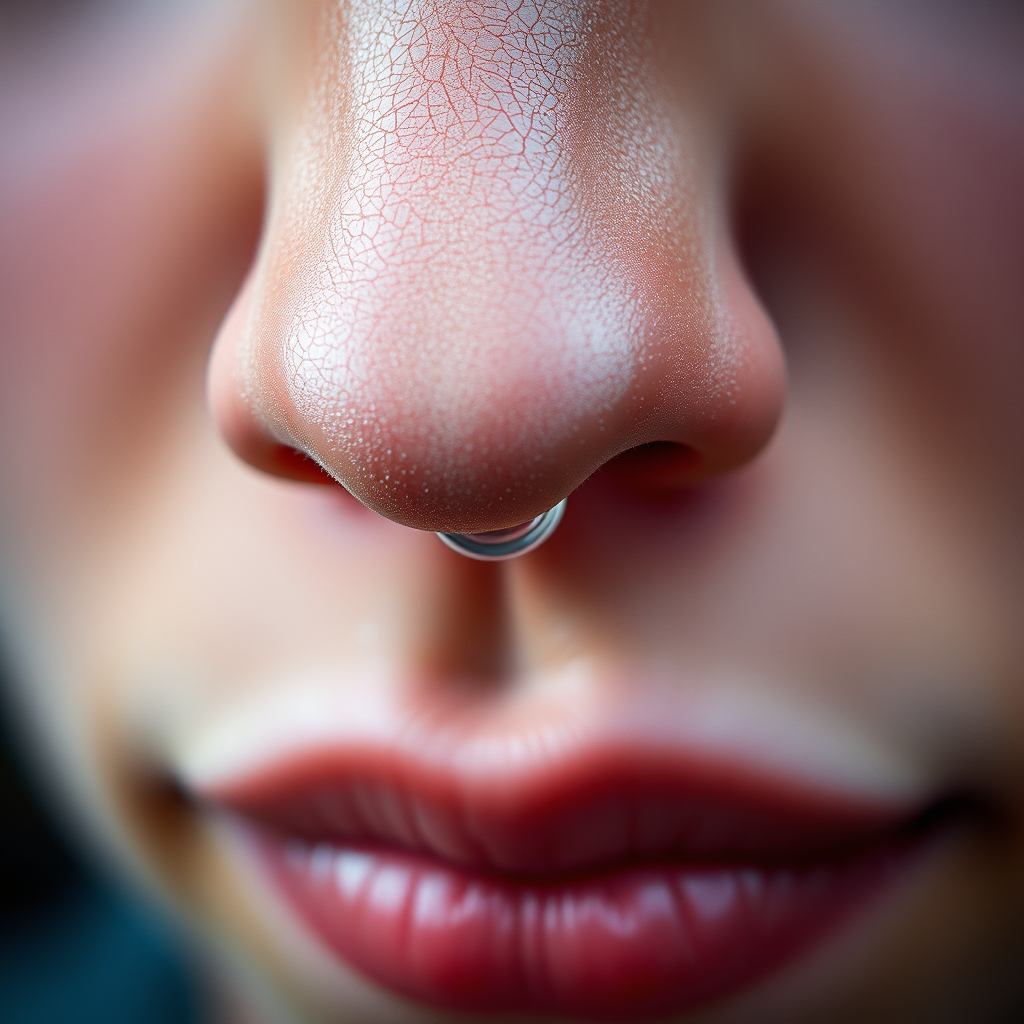
Several factors influence the visibility of a hole left by a nose ring. One of the primary considerations is skin type. Individuals with oily or thicker skin may experience a different healing process compared to those with sensitive or thinner skin. Oily skin tends to remain more elastic and can heal more robustly, potentially minimizing the appearance of scars. Conversely, sensitive skin may react differently, leading to increased visibility of the hole if scarring occurs.
Another significant factor is the technique used during the piercing process. Professional piercers typically employ sterile equipment and methods, which can lead to cleaner and more precise piercings. DIY attempts, on the other hand, may introduce bacteria into the wound or cause uneven healing, increasing the likelihood of a more noticeable hole.
Moreover, the size and type of jewelry worn can also play a role. Larger gauges or heavy jewelry might cause more stretching of the hole, which can affect its closure after removal. Thus, it’s essential to choose reputable piercing professionals and high-quality jewelry to minimize complications.
Healing Process and Aftercare
Proper aftercare is essential for minimizing scarring and hole visibility after getting a nose piercing. The first step in aftercare is to keep the area clean. Saline solutions are highly recommended, as they help to cleanse the piercing without causing irritation. It’s advisable to avoid alcohol or hydrogen peroxide, as these can be too harsh and may impede the healing process.
Additionally, avoid touching the piercing with unwashed hands, as this can introduce bacteria and lead to infection. It’s also crucial to steer clear of swimming pools, hot tubs, and other environments that could expose the piercing to harmful bacteria during the healing phase.
Other aftercare tips include avoiding makeup on or around the piercing until it is fully healed, as cosmetics can clog the piercing and lead to irritation. If you notice any signs of infection, such as increased redness, swelling, or pus, consult with a healthcare professional immediately. Taking these precautions can greatly reduce the risk of scarring and enhance the healing process.
What Happens After Removal?
After removing a nose ring, the hole may close partially but could remain visible. The extent of closure can vary based on several factors, including how long the ring was worn, the quality of the initial piercing, and individual healing characteristics. Generally, if a nose ring is worn for an extended period, the hole may not entirely close, especially if the piercing was made through cartilage rather than soft tissue.
In many cases, the hole may shrink significantly but leave a small mark or indentation, particularly if the skin has scarring. Individuals with a history of keloid formation or those who have had difficulty healing in the past may find that their holes are more pronounced after removal. Understanding these outcomes can help individuals prepare for the aesthetic implications of their piercing decisions.
Minimizing the Appearance of Holes
For those concerned about the visibility of holes left by nose rings, several options exist to minimize their appearance. Cosmetic fillers, such as hyaluronic acid, can temporarily fill in the area, making the hole less noticeable. These treatments can be administered by dermatologists or licensed professionals and typically last for several months before needing a touch-up.
In addition to fillers, various skin treatments are available that promote collagen production and skin renewal, such as microneedling or laser therapy. Consulting a dermatologist for tailored advice can provide insights into the best options based on individual skin type and the specifics of the piercing.
Moreover, investing in high-quality skincare products that promote healing and skin health can also aid in reducing the visibility of scars. Ingredients such as silicone gel or vitamin E oil have been shown to improve the appearance of scars over time.
Personal Experiences and Testimonials
Many individuals share varying experiences regarding how noticeable their holes are after removal. Some report that their holes closed up nicely, while others find them more pronounced. Testimonials often highlight the importance of following aftercare recommendations diligently. For instance, one individual noted that they experienced minimal scarring because they adhered strictly to the aftercare instructions provided by their professional piercer.
Conversely, there are stories of those who opted for DIY piercings and later regretted their decision due to visible scarring. These personal experiences underscore the importance of professional guidance and care in achieving the best aesthetic outcomes.
Alternatives to Nose Rings
For those hesitant about committing to a permanent hole, several alternatives to nose rings can provide the desired aesthetic without the long-term consequences. Clip-on jewelry, magnetic nose rings, and temporary piercings are all viable options that allow for experimentation without the concern of scarring.
These alternatives can be particularly appealing for individuals who wish to explore various styles or for those who may change their minds about having a permanent piercing. With advancements in jewelry design, many clip-on options mimic the look of traditional piercings closely, making them a stylish choice without the commitment.
In summary, a nose ring does leave a small hole, but various factors influence its visibility. If you’re considering getting a nose ring or are concerned about a hole after removal, proper care and possible treatments can help. For those still unsure, exploring non-permanent options may be a suitable alternative. Understanding the implications of nose piercings allows individuals to make informed choices that align with their aesthetic preferences and personal care routines.
Frequently Asked Questions
Does a nose ring leave a permanent hole in the nose?
Yes, a nose ring can leave a permanent hole in the nose if it is worn for an extended period. While some people may experience minimal closure of the piercing hole over time, especially if the jewelry is removed soon after piercing, most individuals will retain a visible mark or hole once the piercing has fully healed.
How long does it take for a nose piercing hole to close if I remove the ring?
The time it takes for a nose piercing hole to close can vary significantly based on how long you wore the jewelry. Typically, if the piercing is relatively new (less than six months), it may begin to close within a few days to weeks. However, if the piercing has been in place for a year or more, it might take several months and may never completely close, leaving a small hole.
Why do some people choose to get a nose ring if it leaves a hole?
Many people choose to get a nose ring for self-expression, style, or cultural reasons, despite the possibility of leaving a hole. Nose piercings can enhance personal aesthetics, signify individuality, or hold cultural significance in certain communities. The potential for a hole is often outweighed by the desire to express oneself through body art.
What can I do to minimize the appearance of a nose piercing hole after removing the ring?
To minimize the appearance of a nose piercing hole after removing the ring, consider using topical treatments like silicone gel or vitamin E oil to promote healing and skin regeneration. Additionally, keeping the area moisturized and protected from sun exposure can help reduce the visibility of the hole over time. If concerns persist, consulting a dermatologist may provide options for scar treatment.
Which type of nose ring is best for preventing long-term holes?
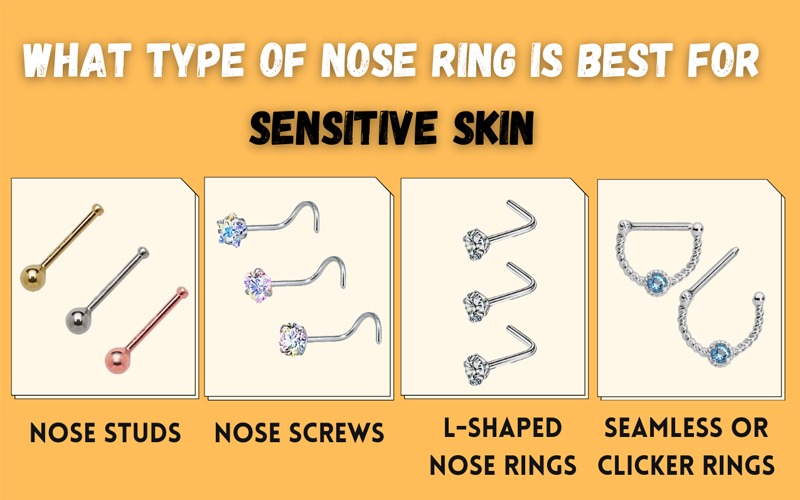
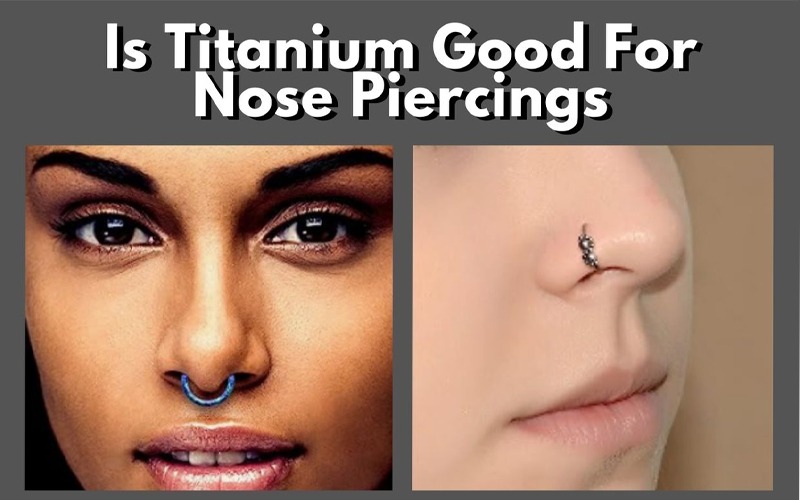
If you are concerned about leaving a permanent hole, consider opting for a smaller, stud-style nose ring instead of larger hoops or dangling styles. Studs typically cause less tension on the piercing site, which can help minimize trauma to the tissue and potentially reduce the size of the hole if you decide to remove it later. Always choose high-quality materials, such as titanium or surgical steel, to promote healing and reduce irritation.
References
- Body piercing
- https://www.ncbi.nlm.nih.gov/pmc/articles/PMC4532094/
- https://www.healthline.com/health/nose-piercing-hole
- https://www.verywellhealth.com/nose-piercing-5117946
- https://www.hopkinsmedicine.org/health/wellness-and-prevention/nose-piercings-how-to-care-for-your-piercing
- https://www.mayoclinic.org/healthy-lifestyle/adult-health/in-depth/body-piercings/art-20045519