Healing time and comfort can vary between nose rings and studs, but generally, nose studs tend to heal better due to their design and placement. This is largely because studs are fixed in place, minimizing movement and irritation during the healing process. In this article, we’ll explore the differences in healing for both types of jewelry, as well as factors that influence healing times, to help you make an informed decision about your nose piercing.
Understanding Nose Rings and Studs
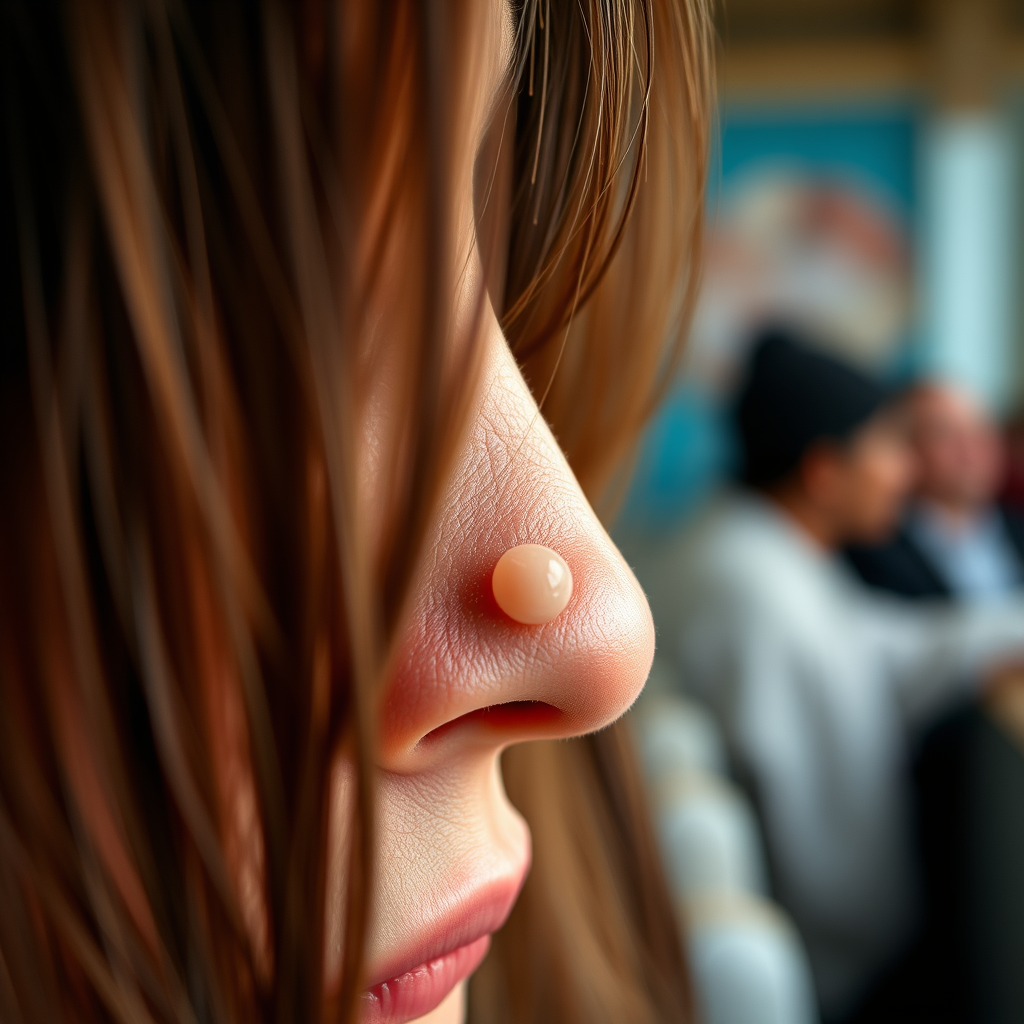
Nose jewelry comes in various styles, primarily categorized into rings and studs. Nose rings can include hoops, captive beads, and other designs that allow for movement and flexibility. While this can add to the aesthetic appeal, it also means that the jewelry may shift, causing friction against the sensitive tissue of the nostril. This movement can lead to increased irritation and a longer healing time.
On the other hand, nose studs are typically designed to be stationary. They consist of a post that is inserted through the piercing and a decorative end that sits securely against the nostril. This fixed position limits the chances of snagging on clothing or bedding, making it a more comfortable option during the healing phase. For those considering a nose piercing, understanding these fundamental differences is essential for making the right choice.
Healing Times for Nose Piercings

The healing time for a nose piercing can significantly depend on the type of jewelry chosen. Nose studs generally heal faster, often within 6-8 weeks, due to their stable design and reduced movement. The less the piercing is disturbed, the quicker the body can heal the tissue surrounding it.
Conversely, nose rings may take longer to heal, typically around 8-12 weeks. The constant movement associated with rings can lead to additional irritation and prolong the healing process. Additionally, certain styles of rings might catch on clothing or while sleeping, which can exacerbate inflammation and delay recovery.
It is important to note, however, that individual healing times can vary based on personal health, aftercare practices, and even the anatomy of the person receiving the piercing.
Factors Affecting Healing
Several key factors can influence the healing process of a nose piercing, and understanding these can help ensure a smoother recovery.
First and foremost, the material of the jewelry plays a crucial role in the healing process. High-quality materials such as titanium and surgical stainless steel are known for their biocompatibility, meaning they are less likely to cause allergic reactions or inflammation. These materials also resist tarnishing and corrosion, which can further protect the piercing during healing. In contrast, lower-quality metals may lead to complications such as infections or prolonged healing times.
Moreover, personal hygiene and aftercare practices are vital in promoting efficient healing. Regular cleaning with saline solution or a recommended antiseptic can help prevent the buildup of bacteria and reduce the risk of infection. It’s also essential to avoid touching the piercing with dirty hands and refrain from changing jewelry until the piercing is completely healed.
Comfort During Healing
Comfort during the healing process is another major consideration when choosing between a nose ring and a stud. Nose studs generally provide more comfort due to their stationary nature. Because they are less likely to snag on clothing or bedding, they reduce the likelihood of irritation during everyday activities, including sleeping. This can be particularly beneficial for individuals who tend to sleep on their sides, as a stud will not push against the nostril as aggressively as a ring might.
In contrast, nose rings can lead to discomfort, especially for those who lead active lifestyles. The movement of the ring can cause it to rub against the inside of the nostril, leading to irritation and even pain. Additionally, if a ring is larger or bulkier, it may become a nuisance, requiring constant adjustment or attention.
Aftercare Tips for Faster Healing
To ensure a faster and smoother healing process, following proper aftercare guidelines is essential. Here are some effective tips:
1. Regular Cleaning: Clean the piercing at least twice a day with a saline solution or a gentle, alcohol-free antiseptic. This helps to keep the area free of bacteria and promotes faster healing.
2. Avoid Touching: Minimize the temptation to touch or play with the piercing. Each time you touch the area, you risk introducing bacteria, which can lead to infections.
3. Avoid Changing Jewelry: Resist the urge to change your nose jewelry until the piercing is fully healed. Prematurely changing the jewelry can disrupt the healing process and introduce new irritants.
4. Monitor for Signs of Infection: Keep an eye out for symptoms such as excessive redness, swelling, or discharge. Early intervention can prevent more serious complications.
5. Stay Hydrated and Maintain a Balanced Diet: A healthy body is better equipped to heal. Ensure you’re drinking enough water and consuming a balanced diet rich in vitamins and minerals to support your immune system.
Common Complications and How to Avoid Them
While complications are not guaranteed, they can occur with any piercing. Common issues include infections, keloids, and migration of the jewelry. Recognizing the signs of these complications early is key to mitigating their effects.
Infections can manifest as increased pain, redness, swelling, or discharge. If you notice any of these symptoms, consult a healthcare provider promptly. Keloids, which are raised scars that can form around the piercing, are less common but can occur, especially in individuals prone to scarring. If keloids run in your family, consider discussing this risk with your piercer.
Migration, where the jewelry gradually moves from its original position, can occur, particularly with rings. If you suspect your jewelry is migrating, seek professional advice immediately. Following aftercare guidelines closely and consulting a professional piercer if you notice unusual symptoms can help prevent these complications.
When to Consult a Professional
Knowing when to seek professional advice is crucial for ensuring the health and integrity of your nose piercing. If you experience prolonged pain, significant swelling, or discharge that appears abnormal, it is essential to consult with a healthcare provider or professional piercer.
Regular check-ins with a piercer can also be beneficial. They can assess the healing process and offer personalized advice or adjustments to your aftercare routine. If there are any concerns about the type of jewelry being used or if complications arise, a professional can provide guidance on the best course of action.
By understanding the differences between nose rings and studs, you can make a more informed choice for your piercing. Remember to prioritize proper aftercare and consult professionals if issues arise to ensure a smooth healing process. Ultimately, the right decision will not only enhance your appearance but also contribute to a comfortable and healthy healing experience.
Frequently Asked Questions
Does a nose ring or stud heal better for piercings?
Generally, a nose stud is considered to heal better than a nose ring. This is because studs are typically more stable and less likely to shift or move during the healing process, reducing irritation. Additionally, a nose stud minimizes the risk of snagging on clothing or other objects, which can complicate healing.
How long does it take for a nose ring or stud to fully heal?
The healing time for a nose ring or stud can vary, but typically it ranges from 2 to 6 months. Factors such as the type of jewelry, your body’s healing response, and aftercare practices all play a role in the healing duration. It’s essential to follow proper aftercare to facilitate the healing process, regardless of whether you choose a ring or a stud.
Why do some people prefer nose studs over rings?
Many people prefer nose studs over rings because they tend to be less obtrusive and easier to manage during the healing period. Studs are also less prone to movement, which can lead to fewer complications and irritation. Additionally, some individuals find that studs provide a more subtle aesthetic, making them a popular choice for everyday wear.
What are the best materials for nose rings and studs during healing?
The best materials for nose rings and studs during the healing process include implant-grade titanium, surgical stainless steel, and niobium. These materials are hypoallergenic and less likely to cause irritation or allergic reactions, making them ideal for new piercings. Avoid using cheap metals, as they can lead to infections and prolonged healing times.
Which aftercare methods are most effective for healing nose piercings?
Effective aftercare methods for healing nose piercings include cleaning the area with saline solution or a gentle, alcohol-free cleanser twice a day. It’s crucial to avoid touching the piercing with dirty hands and to refrain from changing the jewelry too soon. Additionally, keeping the area dry and avoiding swimming in pools or hot tubs can also promote faster healing and reduce the risk of infection.
References
- Nose piercing
- https://www.ncbi.nlm.nih.gov/pmc/articles/PMC6681032/
- https://www.healthline.com/health/nose-piercing-healing
- https://www.verywellhealth.com/nose-piercing-5111404
- https://www.hcpc-uk.org/standards/standards-of-proficiency/health-and-care-professions-council-standards-of-proficiency/
- https://www.aafp.org/afp/2008/1201/p1665.html