Getting a nose ring back in can be a straightforward process if you adhere to the correct steps. If your piercing has partially closed or you’re facing challenges reinserting your jewelry, there’s no need to panic. This guide will walk you through effective techniques and tips to help you successfully get your nose ring back in place, ensuring both comfort and safety throughout the process.
Assessing the Piercing

– Check if the hole is still open: Before attempting to insert your nose ring, it’s crucial to determine whether the piercing hole is still accessible. Gently touch the area around the piercing with clean hands to locate the hole. If you’re having difficulty finding it, consider using a mirror for better visibility. Sometimes, the skin may have partially healed around the piercing, making it less visible but still open.
– Clean the area: Maintaining cleanliness is paramount when dealing with piercings. Use a saline solution or antiseptic wipes to clean the area around the nostril thoroughly. This step helps prevent bacterial infections and ensures that any debris or buildup is removed. A clean environment will make the insertion process smoother and more hygienic, reducing the risk of complications.
Preparing the Jewelry
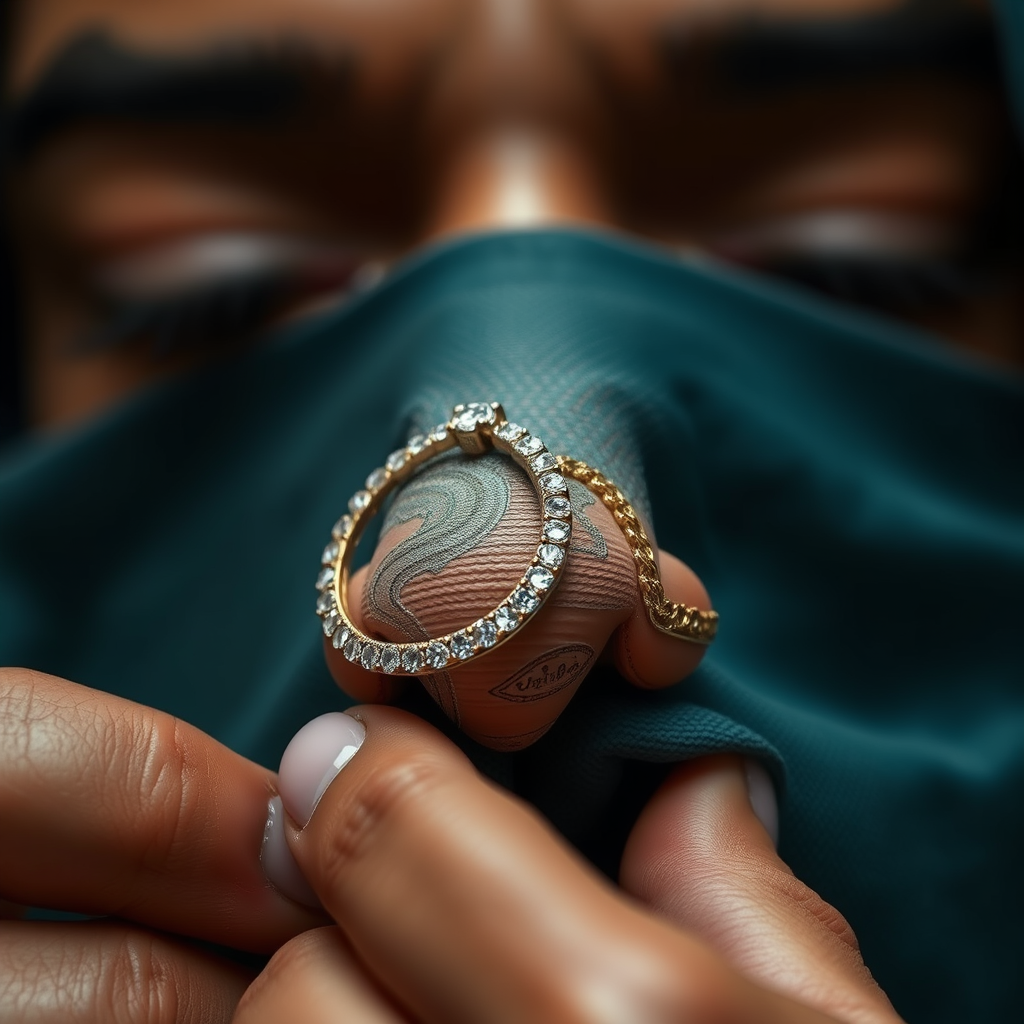
– Choose the right jewelry: Selecting appropriate jewelry for your nose piercing is essential to ensure comfort and prevent irritation. Opt for materials known to be safe for piercings, such as titanium or surgical steel, as these materials are less likely to cause allergic reactions. Avoid using jewelry made from non-hypoallergenic materials, as they can lead to inflammation or infections.
– Apply a lubricant: To facilitate the insertion of your nose ring, consider applying a water-based lubricant or saline solution to the ring itself. This extra layer of moisture can reduce friction and make the process much easier. A small amount of lubricant is all you need; too much can make it slippery, and you may lose your grip on the jewelry.
Inserting the Nose Ring
– Angle the ring correctly: When you’re ready to insert the ring, hold it at a slight angle. This positioning helps guide the jewelry through the piercing more smoothly. By angling the ring, you can minimize the risk of pinching the surrounding skin or causing discomfort.
– Use gentle pressure: As you begin to insert the ring, apply light, steady pressure. It’s important to move slowly and not force the jewelry through the piercing, as this can cause unnecessary pain or injury. If you encounter resistance, pause and reassess your approach rather than pushing harder, which could lead to complications or damage to the piercing.
Dealing with Resistance
– Don’t force it: If you find that the ring is not sliding into the piercing, it’s crucial to resist the urge to force it. Forcing the ring can lead to significant discomfort and potential tears in the skin. Instead, take a moment to relax and breathe, allowing your body to adjust to the sensation of reinserting the jewelry.
– Try a different angle: Sometimes, a slight adjustment in the angle of insertion can make a significant difference. If you’re experiencing resistance, gently reposition the ring and try again. This adjustment can help align the ring with the natural direction of the piercing, facilitating a smoother insertion.
Aftercare Tips
– Clean regularly: After successfully reinserting your nose ring, it’s vital to maintain a regular cleaning routine. Clean the piercing site with a saline solution daily to reduce the risk of infection and promote healing. Pay attention to any changes in the area, such as redness or swelling, which could indicate an issue.
– Avoid touching: Minimize touching or playing with your nose ring to allow the area to heal properly. Excessive handling can lead to irritation or introduce bacteria that may cause infections. If you must adjust or clean the ring, ensure that your hands are thoroughly washed to maintain hygiene.
When to Seek Professional Help
– Signs of infection: It’s critical to stay vigilant for any signs of infection, such as increased redness, swelling, or discharge from the piercing. If you notice any of these symptoms, consult a professional piercer or healthcare provider immediately. Early intervention can prevent more serious complications and ensure proper treatment.
– Persistent issues: If you’ve made multiple attempts to get your nose ring back in without success, it’s advisable to seek help from a professional piercing studio. Experienced piercers can provide assistance and guidance, ensuring that the jewelry is safely reinserted without causing damage to the piercing or surrounding tissue.
Getting your nose ring back in doesn’t have to be a stressful experience. By following these steps, you can make the process smoother and more manageable. Remember to prioritize cleanliness and care for your piercing to ensure it remains healthy and irritation-free. If you encounter any challenges along the way, don’t hesitate to reach out to a professional for assistance. With the right approach and a bit of patience, you can successfully enjoy your nose jewelry once again.
Frequently Asked Questions
How can I safely put my nose ring back in without causing pain?
To safely reinsert your nose ring, start by washing your hands and the area around your nose with antibacterial soap to prevent infection. If your piercing is still fresh, gently twist the jewelry to create a small opening in the hole, then slowly and carefully insert the ring. If you experience resistance or pain, stop and try again later, as the piercing may have started to close.
What should I do if my nose ring hole has partially closed?
If your nose ring hole has partially closed, avoid forcing the jewelry back in, as this can cause irritation or injury. Instead, use a sterile saline solution to soak the area and gently massage the skin around the piercing to encourage it to open. If you still can’t get the ring in, consider visiting a professional piercer for assistance to minimize the risk of infection.
Why is my nose piercing hurting when I try to put the ring back in?
Pain when reinserting a nose ring can be caused by several factors, such as inflammation, infection, or the hole beginning to close. If you feel pain, it’s important to assess the area for any signs of redness, swelling, or discharge. If any of these symptoms are present, consult a professional piercer or healthcare provider to avoid further complications.
What type of nose ring is best for sensitive skin?
The best types of nose rings for sensitive skin are those made from hypoallergenic materials, such as titanium, surgical stainless steel, or niobium. These materials are less likely to cause allergic reactions and are durable, making them ideal for healing piercings. Additionally, consider choosing a nose ring with a smooth finish to reduce irritation.
Which aftercare tips are essential for maintaining a nose piercing after reinserting the ring?
After reinserting your nose ring, it’s crucial to maintain proper aftercare to prevent infections and promote healing. Clean the area with a saline solution or a gentle antiseptic recommended by your piercer, and avoid touching or twisting the jewelry unnecessarily. Keep the piercing dry and avoid makeup or harsh chemicals near the area until it has fully healed. Regularly monitoring for signs of infection is also key to ensuring your nose piercing remains healthy.