Getting rid of a bump on your nose ring typically involves proper cleaning, avoiding irritation, and using appropriate treatments. In this article, you’ll learn effective strategies to address this common issue while ensuring your piercing remains healthy and infection-free. A bump can be an alarming sign, but with the right care and attention, most bumps can heal effectively and quickly.
Understanding the Causes of Bumps

Bumps around a nose ring can arise from various factors, primarily irritation, infection, or allergic reactions. The delicate skin of the nose is susceptible to disruptions, leading to these bumps. Irritation is often caused by the jewelry itself, especially if it is made of materials that the body does not tolerate well, such as nickel. Additionally, touching the piercing frequently can introduce bacteria, exacerbating the issue.
Allergic reactions to the materials used in the jewelry can also lead to inflammation and bumps. Other irritants may include harsh skincare products, which, when used near the piercing, can lead to skin sensitivity and subsequent bumps. Understanding the underlying cause is crucial for effective treatment and prevention.
Cleaning Your Nose Ring Properly
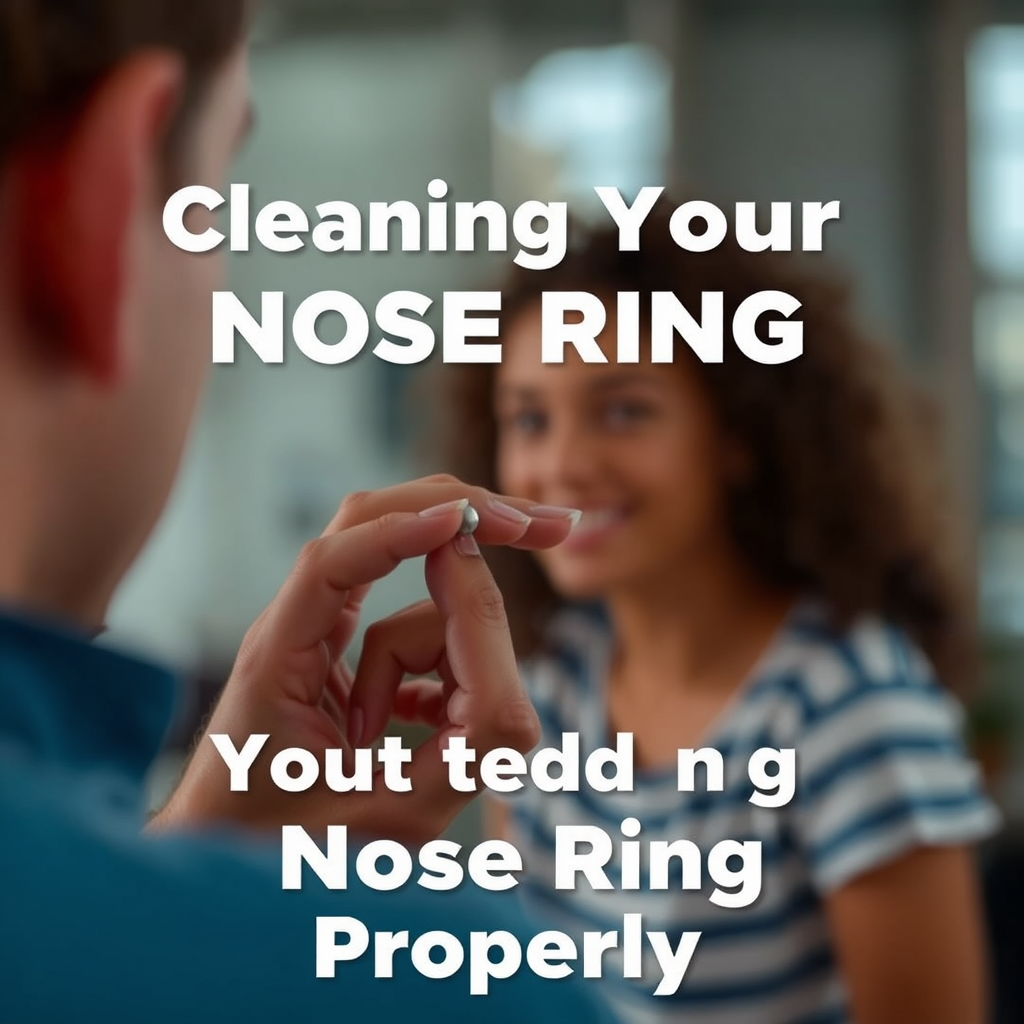
Proper cleaning is foundational in maintaining a healthy piercing and preventing bumps. A saline solution is the best option for cleaning your nose ring and the surrounding area. You can create a saline solution at home by mixing 1/4 teaspoon of non-iodized sea salt in 8 ounces of warm distilled water. Alternatively, gentle saline sprays available in pharmacies can also be effective.
It’s important to avoid using alcohol or hydrogen peroxide, as these can dry out the skin and irritate the piercing further. Instead, gently cleanse the area with a cotton ball or gauze soaked in the saline solution. Aim to clean your nose ring at least twice a day in the initial healing period, gradually reducing frequency as the piercing matures.
Avoiding Irritation and Infection
To minimize the risk of bumps, it is essential to avoid irritation and potential infections. One of the most critical steps is to refrain from changing your jewelry too soon. The healing process for a nose piercing can take anywhere from 4 to 12 months, depending on individual healing rates. Keeping the original ring until the piercing is fully healed helps avoid complications.
Moreover, maintaining clean hands is vital. Before touching your nose or the jewelry, always wash your hands thoroughly to minimize bacteria transfer. Additionally, avoid sleeping on the side of the piercing and steer clear of heavy or dangling jewelry that can cause trauma to the area. These precautions will significantly reduce the likelihood of developing bumps.
Home Remedies for Bumps
If you already have a bump on your nose ring, several home remedies can aid in reducing inflammation and promoting healing. One effective method is to apply a warm compress to the affected area. Soak a clean cloth in warm water, wring it out, and hold it against the bump for several minutes. The warmth can increase blood flow, aiding the healing process and reducing swelling.
Another popular option is to use tea tree oil, known for its antimicrobial properties. Dilute a few drops of tea tree oil with a carrier oil (such as coconut oil) and apply it gently to the bump with a clean cotton swab. Similarly, chamomile tea bags can be used as a compress due to their anti-inflammatory properties. After steeping a tea bag, allow it to cool, and then apply it to the bump for soothing relief. Always perform a patch test before applying any new substance to ensure there is no adverse reaction.
When to Seek Professional Help
While many bumps may resolve with at-home care, there are instances when professional assistance is necessary. If the bump worsens or shows signs of infection, such as increased redness, pus, or significant pain, it is essential to consult a professional piercer or a healthcare provider. These symptoms may indicate an infection that requires medical treatment, such as antibiotics or an adjustment in jewelry.
Additionally, if you find that the bump persists despite your efforts, this could signal a need for a different type of jewelry material or professional intervention. Piercers can evaluate the situation and recommend appropriate actions, which may include changing to hypoallergenic jewelry or other medical treatments to address the issue effectively.
Aftercare Tips for Healthy Piercings
To maintain the health of your nose piercing and prevent bumps, establish a consistent aftercare routine. Daily cleaning with saline solution should be a priority, as well as avoiding swimming in pools or hot tubs, which can introduce bacteria and irritants to the healing wound.
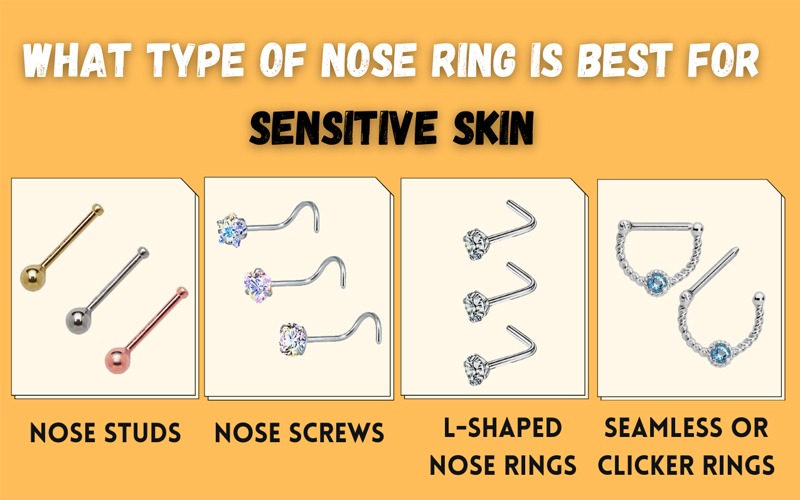
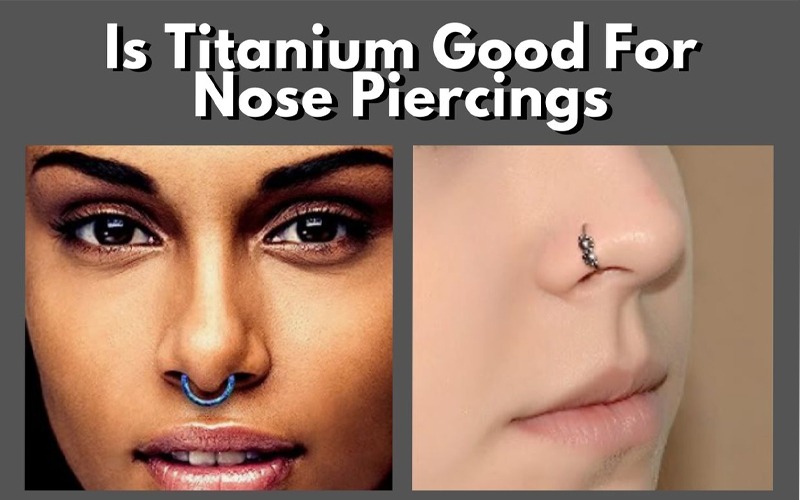
Opt for hypoallergenic jewelry made from materials such as titanium or surgical steel, which are less likely to cause allergic reactions. Avoid heavy or dangling pieces that can exert unnecessary pressure on the piercing. Regular check-ins with your piercer can also help to ensure that your piercing is healing correctly and that any potential issues are addressed promptly.
Maintaining a clean and irritation-free environment for your nose ring is essential in getting rid of that pesky bump. By implementing proper cleaning techniques, avoiding irritants, and using home remedies, most bumps can heal quickly. If issues persist, don’t hesitate to consult a professional for further assistance. Taking these proactive steps will ensure your piercing remains an attractive and healthy part of your personal style.
Frequently Asked Questions
What causes a bump on my nose ring?
A bump on a nose ring can be caused by several factors, including irritation from jewelry, allergic reactions to metal, or an infection. Other common culprits include improper cleaning, trauma to the piercing, or keloid formation. Understanding the underlying cause is crucial for effectively treating the bump and preventing it from recurring.
How can I treat a bump on my nose ring at home?
To treat a bump on your nose ring at home, start by maintaining proper hygiene; clean the area with saline solution or a mild antiseptic. Avoid touching or twisting the jewelry, and consider using a warm compress to reduce inflammation. If the bump persists, over-the-counter hydrocortisone cream may help reduce swelling, but consult a healthcare professional if you notice signs of infection.
Why is my nose ring bump not going away?
If a bump on your nose ring is not going away, it may indicate an underlying issue, such as an allergic reaction to the metal, an infection, or a keloid. Additionally, improper aftercare or continued irritation from the jewelry can exacerbate the problem. If home remedies fail, it’s essential to seek advice from a professional piercer or dermatologist to identify the cause and receive appropriate treatment.
What is the best type of jewelry to avoid bumps on a nose ring?
The best type of jewelry to avoid bumps on a nose ring is made from hypoallergenic materials, such as surgical stainless steel, titanium, or niobium. These materials are less likely to cause allergic reactions or irritation. Additionally, opting for jewelry with a smooth finish and proper sizing can help minimize friction and prevent bumps from forming.
Which professional should I consult for a bump on my nose ring?
If you’re experiencing a persistent bump on your nose ring, it’s advisable to consult a professional piercer first, as they can provide specialized advice on jewelry and aftercare. If the bump appears infected or doesn’t improve with home treatment, a healthcare professional, such as a dermatologist, can offer medical insights and treatment options tailored to your specific situation.
References
- https://www.healthline.com/health/bump-on-nose-piercing
- https://www.medicalnewstoday.com/articles/nose-piercing-bump
- Molar pregnancy – Doctors and departments – Mayo Clinic
- https://www.ncbi.nlm.nih.gov/pmc/articles/PMC6550370/
- https://www.verywellhealth.com/nose-piercing-bump-5189056