Replacing a corkscrew nose ring can be done easily by following a few simple techniques. To put a corkscrew nose ring back in, gently align the end of the corkscrew with your nostril and push it through while twisting slightly. This process, while often daunting for some, can be made straightforward with the right approach and understanding of your anatomy. In this article, you’ll learn the best methods and tips to successfully reinsert your corkscrew nose ring without discomfort, ensuring both style and safety.
Understanding Your Corkscrew Nose Ring
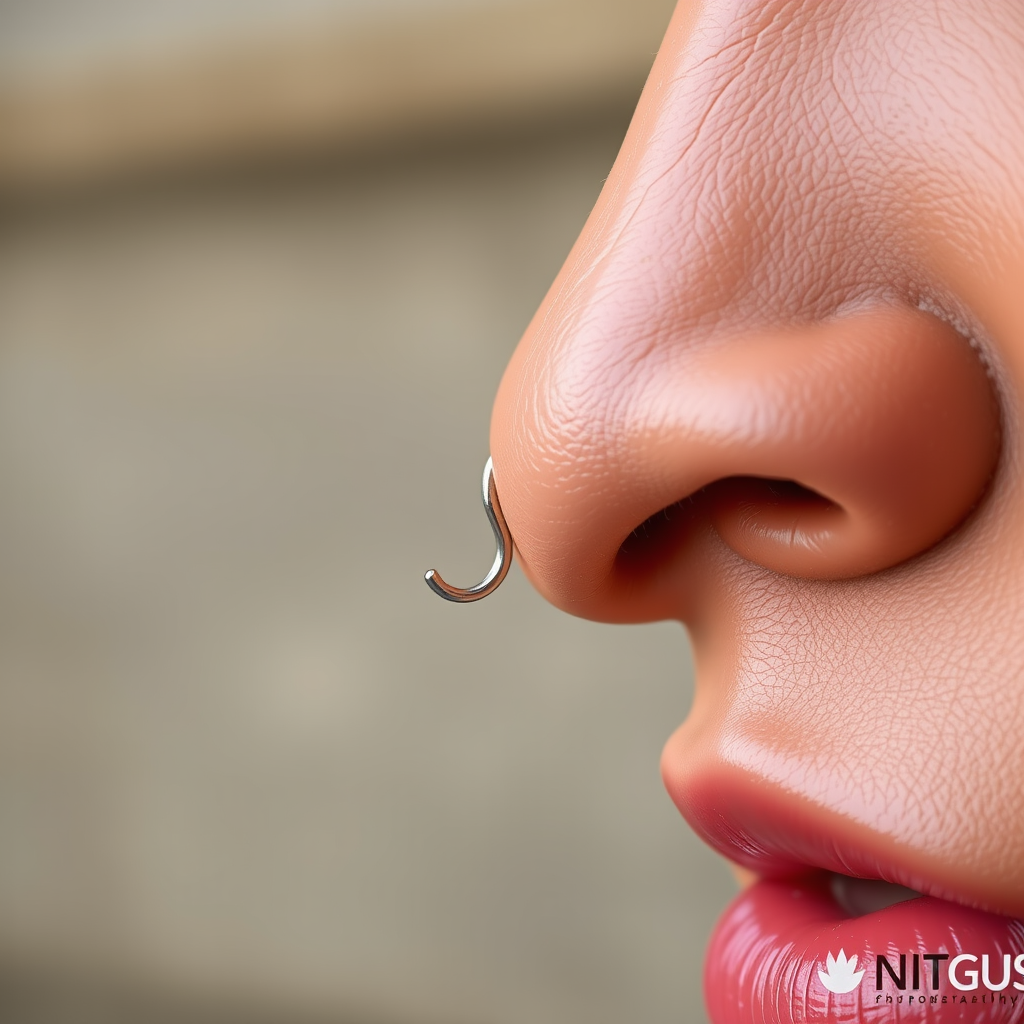
Corkscrew nose rings are designed with a unique spiral shape that not only adds a distinct aesthetic but also helps keep the jewelry securely in place. This design is particularly beneficial for those with active lifestyles, as it minimizes the risk of the ring falling out accidentally. Typically crafted from materials such as surgical stainless steel or titanium, corkscrew nose rings are hypoallergenic, making them suitable for individuals with sensitive skin. Familiarizing yourself with the anatomy of your nose is crucial; understanding the curvature and depth of your nostril will assist you in finding the optimal angle for insertion, ultimately facilitating a smoother process.
Preparing for Insertion

Before attempting to reinsert your corkscrew nose ring, it is essential to prepare adequately to minimize the risk of infection and ensure comfort during the process. Start by washing your hands thoroughly with soap and water for at least 20 seconds, as this will help eliminate any bacteria that could enter the piercing. Next, clean both your nose and the jewelry using a saline solution or a mild antiseptic. This precaution will help reduce the risk of irritation and infection. Utilizing a mirror can also be beneficial, allowing you to gain a clear view of your nostril and ensuring better accuracy during insertion. Taking these preparatory steps is paramount for a successful and hygienic re-piercing experience.
Insertion Technique
The technique you employ when reinserting a corkscrew nose ring can significantly impact the overall comfort and ease of the process. Begin by holding the corkscrew end of the ring and gently inserting it into your nostril at a slight angle—this is crucial for following the natural curvature of your nasal passage. As you push the ring through, apply a gentle twisting motion; this action will help guide the corkscrew along the path of least resistance. Should you encounter any resistance during insertion, it’s important to pause and reassess the angle of the ring rather than forcing it through, as this could lead to pain or injury. If you find that the insertion is particularly challenging, consider consulting a professional piercer for assistance.
Managing Discomfort
Experiencing pain during the re-insertion of your corkscrew nose ring is not uncommon, especially if it has been a while since it was last worn. If you feel discomfort, it is advisable to stop and take a moment to let your nose adjust before attempting again. Some individuals find that applying a small amount of lubricant, such as coconut oil, to the ring can ease the process by allowing it to glide more smoothly through the piercing. Additionally, taking deep breaths can help calm your nerves and reduce any tension in your body, making the insertion experience more comfortable. Remember, patience is key; if the process feels too uncomfortable, don’t hesitate to seek help from a professional.
Aftercare Tips
Once you have successfully reinserted your corkscrew nose ring, proper aftercare is essential to promote healing and prevent irritation. Avoid touching or twisting the ring excessively, as this can lead to unnecessary friction and inflammation. Cleaning the area around the piercing daily with a saline solution or a gentle antiseptic will help maintain hygiene and encourage healing. It is also crucial to monitor your piercing for any signs of infection, such as increased redness, swelling, or pain. If you notice any concerning symptoms, consult a healthcare professional or a qualified piercer immediately. Following these aftercare tips will ensure that your piercing remains healthy and free from complications.
Common Mistakes to Avoid
Despite the straightforward nature of re-inserting a corkscrew nose ring, several common mistakes can hinder the process. One significant error is attempting to force the corkscrew ring into the nostril if it seems stuck; this can lead to injury or prolonged discomfort. Additionally, avoid using alcohol or harsh chemicals on your piercing, as these substances can irritate the delicate skin around your nose and delay healing. It’s also vital to ensure that you are using the correct size corkscrew for your specific piercing; an ill-fitting ring can cause discomfort and complications. Being aware of these pitfalls can help you navigate the reinsertion process more effectively.
Reinserting a corkscrew nose ring can be a seamless experience when approached with the right techniques and care. By prioritizing hygiene, understanding your anatomy, and employing the proper insertion method, you can ensure a smooth process. Remember to manage discomfort thoughtfully and follow aftercare recommendations to maintain the health of your piercing. Should you ever feel uncertain or face challenges, seeking assistance from a professional piercer can provide peace of mind. With these insights, you can confidently showcase your corkscrew nose ring while ensuring it remains both stylish and secure.
Frequently Asked Questions
How do you properly insert a corkscrew nose ring back in?
To insert a corkscrew nose ring, first ensure your hands are clean to prevent infection. Gently hold your nostril open with one hand while using the other to guide the corkscrew end of the ring into the piercing. Aim to align the corkscrew tip with the hole in your nostril, and once it’s through, gently twist the ring to secure it in place. This technique helps minimize discomfort and ensures the jewelry sits correctly.
What should I do if my corkscrew nose ring is stuck?
If your corkscrew nose ring is stuck, remain calm and avoid yanking it out, as this could cause injury. Instead, try gently twisting the ring back and forth to loosen it. If it still doesn’t budge, you may want to use a saline solution to soften any crusting around the piercing. If you’re unable to remove it after several attempts, consider seeking help from a professional piercer or a healthcare provider.
Why does my corkscrew nose ring keep falling out?
A corkscrew nose ring may fall out due to improper fitting or if the piercing has not fully healed. It’s important to ensure that the corkscrew end is secure and that the ring is the correct size for your nostril. Additionally, if you frequently touch or play with your nose, it may loosen the jewelry. If this problem persists, consult a professional piercer for advice on selecting a more secure fit.
What is the best way to clean a corkscrew nose ring before reinserting it?
The best way to clean a corkscrew nose ring is to use a saline solution or a gentle antiseptic solution specifically designed for body jewelry. Soak the corkscrew in the solution for a few minutes and then gently scrub it with a clean, soft cloth or tissue. Avoid using alcohol or harsh chemicals, as they can irritate your piercing. Proper cleaning reduces the risk of infection and ensures the safety of your nose ring when reinserting it.
Which type of jewelry is best for sensitive skin when using a corkscrew nose ring?
For sensitive skin, the best types of jewelry for a corkscrew nose ring are those made from implant-grade titanium, surgical stainless steel, or niobium. These materials are hypoallergenic and minimize the risk of allergic reactions or irritation. Avoid jewelry made from nickel or plated materials, as they can cause discomfort for individuals with sensitivities. Always choose high-quality jewelry to ensure both comfort and safety for your piercing.