Taking care of a nose ring is vital for maintaining its appearance and preventing infections. A diligent care routine encompasses cleaning, proper handling, and vigilant monitoring for any signs of irritation. By understanding the best practices for nose ring maintenance, you can ensure your piercing remains healthy and aesthetically pleasing throughout its lifespan.
Cleaning Your Nose Ring

To maintain a healthy nose ring, regular cleaning is essential. Use a saline solution or a gentle saline spray to clean the area around the piercing. Saline solutions, which can be easily made by mixing salt with distilled water, help to keep the piercing clean without causing irritation. Aim to clean your nose ring at least twice a day, especially during the initial healing period.
It is crucial to avoid harsh cleaning agents like alcohol or hydrogen peroxide, as these substances can irritate the skin and disrupt the natural healing process. Instead, opt for gentle cleansers designed for body piercings. Additionally, remember to clean the jewelry itself periodically. Using a soft cloth or a non-abrasive cloth can help remove any build-up without scratching the metal.
Handling Your Nose Ring

Proper handling of your nose ring is just as important as cleaning it. Always wash your hands thoroughly before touching your nose ring. This simple step can significantly reduce the risk of transferring bacteria to the piercing, which could lead to infections. When you do need to adjust or clean your ring, do so gently and avoid excessive manipulation.
Refrain from playing with or twisting the ring, as this can irritate the piercing and potentially prolong the healing process. Being mindful of your activities is also essential; avoid situations where the ring could be snagged or pulled. If you wear glasses or sunglasses, be cautious to not let them push against your nose ring.
Monitoring for Infection
Vigilance is key when it comes to monitoring your nose ring for signs of infection. Look out for common symptoms such as redness, swelling, or unusual discharge. A small amount of clear or white discharge can be normal during the healing process, but if it changes to yellow or green, or if you experience increasing pain, these could be red flags indicating an infection.
If you observe any concerning symptoms, do not hesitate to consult a professional piercer or a healthcare provider. They can provide guidance and, if necessary, treatment options. Early intervention is crucial in preventing complications related to infected piercings, so keep an eye on your nose ring’s condition and trust your instincts.
Choosing the Right Jewelry
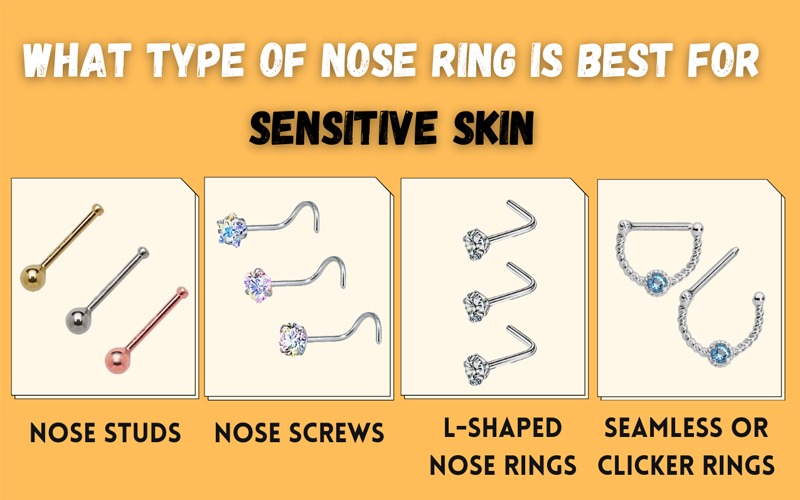
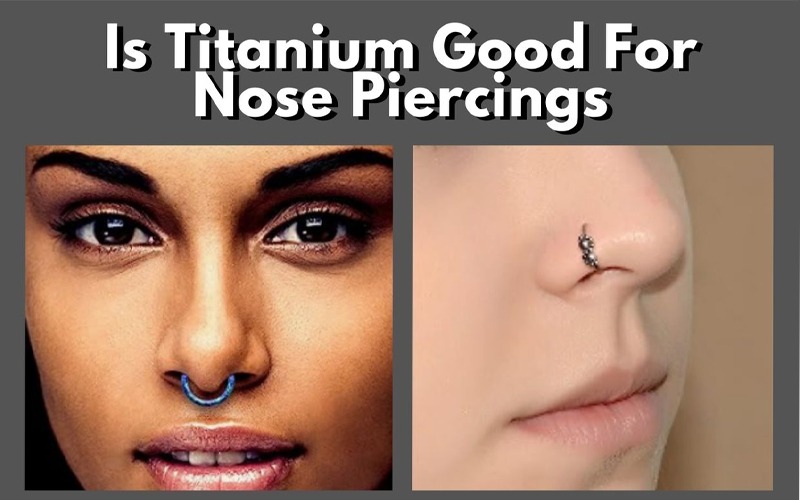
Selecting the right type of jewelry for your nose ring is fundamental to ensuring comfort and minimizing allergic reactions. Opt for high-quality materials such as titanium, surgical steel, or 14k gold. These materials are less likely to cause irritation compared to cheaper metals that may contain nickel or other allergens.
Furthermore, it is essential to choose a nose ring that is the appropriate size and style for your nostril piercing. A well-fitting piece of jewelry should be snug yet comfortable, allowing for slight movement without causing discomfort. If you are uncertain about what type of jewelry suits your piercing best, consult with a professional piercer who can provide personalized recommendations based on your anatomy and preferences.
Aftercare in the Healing Process
Aftercare is crucial during the healing process of your nose ring. Follow the aftercare instructions provided by your piercer, which may include avoiding makeup, swimming, and certain physical activities that could irritate the piercing. Each body is different, and healing times can vary; however, it is generally advisable to leave the jewelry in place for at least six weeks before considering any changes.
Be patient during this time, as rushing the healing process can lead to complications. Resist the urge to change or remove the jewelry prematurely; doing so can disrupt the healing tissue and create an opportunity for infection. Instead, focus on keeping the area clean and monitoring its condition regularly.
When to Seek Professional Help
There may be instances where professional help is necessary. If you experience persistent pain, excessive swelling, or any other severe symptoms, it is crucial to seek assistance from a healthcare professional. Ignoring these signs may lead to more serious complications that could require medical intervention.
In addition, consider scheduling regular check-ups with your piercer, especially if you are unsure about the condition of your piercing. An experienced piercer can provide valuable insights and address any concerns you may have, ensuring that your nose ring continues to heal properly and remains in good condition.
Maintaining a nose ring involves diligent cleaning, careful handling, and vigilant monitoring for any issues. By following the essential tips outlined in this guide, you can keep your piercing healthy and beautiful. Remember that proper aftercare and the right choice of jewelry play significant roles in the longevity of your nose ring. If you have further questions or need personalized advice, don’t hesitate to reach out to a professional piercer or healthcare provider. Your commitment to care will ultimately reflect in the quality and appearance of your nose ring.
Frequently Asked Questions
What is the best way to clean a nose ring?
The best way to clean a nose ring is to use a saline solution or a gentle, fragrance-free soap. Mix a teaspoon of sea salt in a cup of warm distilled water and soak a cotton ball or gauze pad in the solution. Gently wipe around the piercing and the jewelry to prevent infection and promote healing. Avoid alcohol or hydrogen peroxide, as these can irritate the skin and delay healing.
How often should I change my nose ring?
It’s recommended to wait at least 6-8 weeks before changing your nose ring after the initial piercing. This waiting period allows your piercing to fully heal, reducing the risk of irritation or infection. Once healed, you can change your nose ring as often as you like, but always ensure that you’re using clean, hypoallergenic jewelry to maintain ear health.
Why is my nose ring hurting or irritated?
Pain or irritation around a nose ring can occur for several reasons, including allergic reactions to the metal, poor hygiene, or trauma to the piercing. If the discomfort persists, it may be a sign of infection, and you should consult a professional piercer or a healthcare provider. Switching to high-quality, hypoallergenic materials like titanium or surgical stainless steel can also help reduce irritation.
Which materials are best for nose rings to avoid infections?
The best materials for nose rings to avoid infections include titanium, surgical stainless steel, and niobium. These materials are hypoallergenic, resist corrosion, and are less likely to cause allergic reactions. Avoid using jewelry made from nickel or brass, as these can irritate the skin and increase the risk of infection.
How can I prevent my nose ring from getting caught or pulled?
To prevent your nose ring from getting caught or pulled, consider wearing a nose ring with a secure backing, such as a ball closure or a screw-on design. Additionally, be mindful of activities that may put your nose ring at risk, such as sports or rough handling. When sleeping, using a silk pillowcase can help reduce friction and keep your nose ring safe from accidental pulls.
References
- https://www.mayoclinic.org/healthy-lifestyle/adult-health/in-depth/piercings/art-20046036
- https://www.healthline.com/health/nose-piercing-care
- https://www.webmd.com/beauty/nose-piercing-care
- https://www.verywellhealth.com/nose-piercing-care-5089660
- https://www.nhs.uk/live-well/healthy-body/piercings-and-tattoos/
- https://www.aafp.org/pubs/afp/issues/2005/1015/p1495.html
- https://www.ncbi.nlm.nih.gov/pmc/articles/PMC6466003/