The Significance of Tupac’s Nose Ring
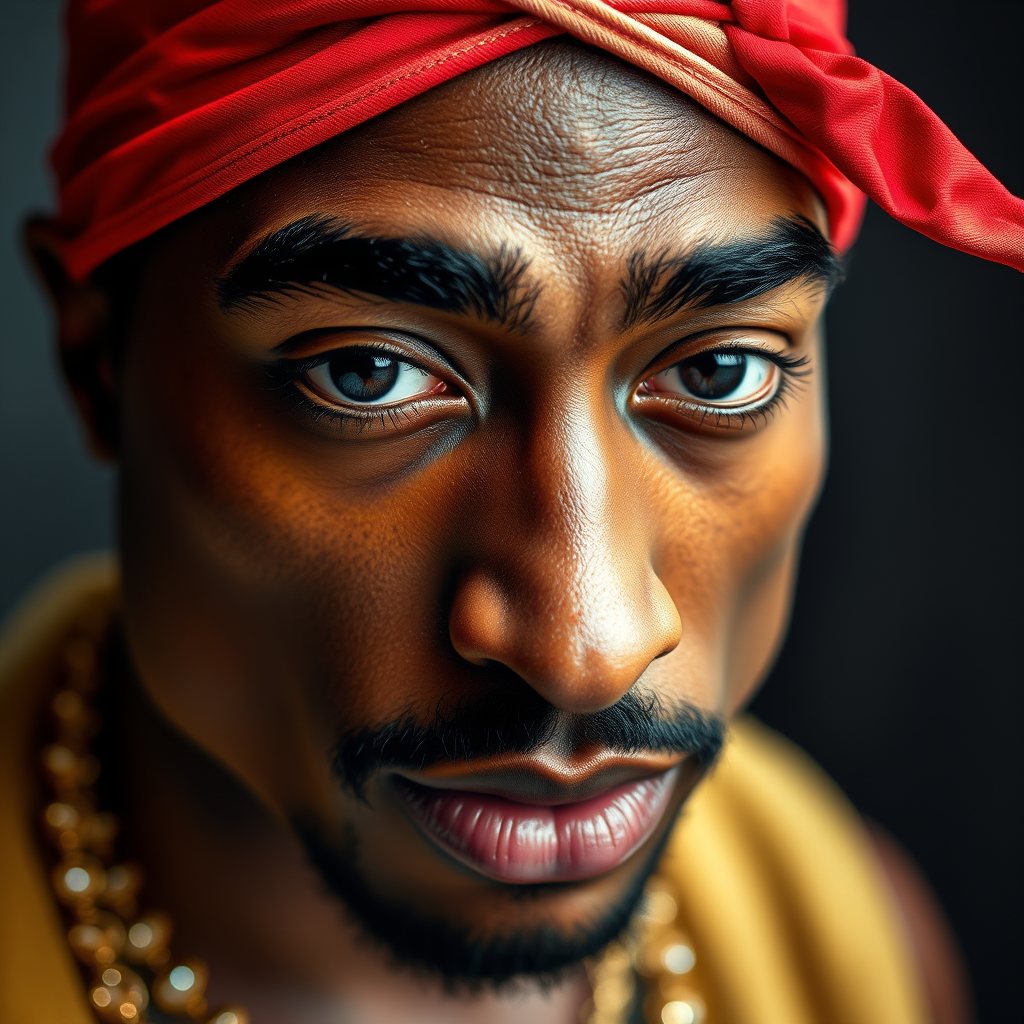
The nose ring Tupac sported on his right side evolved into a powerful symbol of his rebellious nature and strong sense of self. In a world that often seeks to categorize individuals, Tupac broke the mold. His choice to adorn his face with a nose ring not only made a bold fashion statement but also carried deeper meaning, encompassing themes of defiance against societal norms and expectations.
The nose ring was also an expression of his connection to various cultural movements. In the 1990s, piercings, particularly in unconventional places, were often associated with the punk rock scene and alternative lifestyles. By embracing this trend, Tupac aligned himself with a broader artistic community that celebrated individuality and freedom of expression. This defiance resonated with many, particularly within the hip-hop community, where artists began to adopt similar styles, showcasing their own authenticity and resisting mainstream pressures.
Fashion Choices of Tupac Shakur
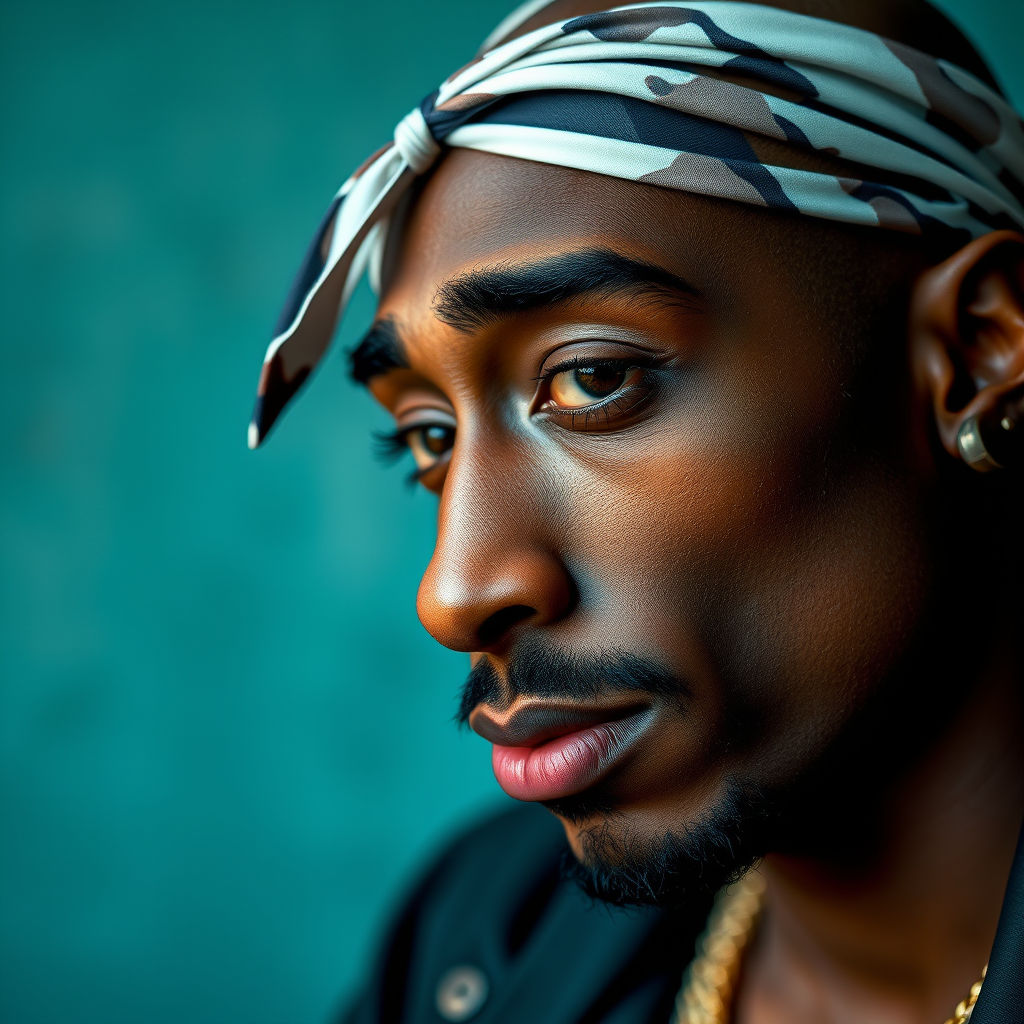
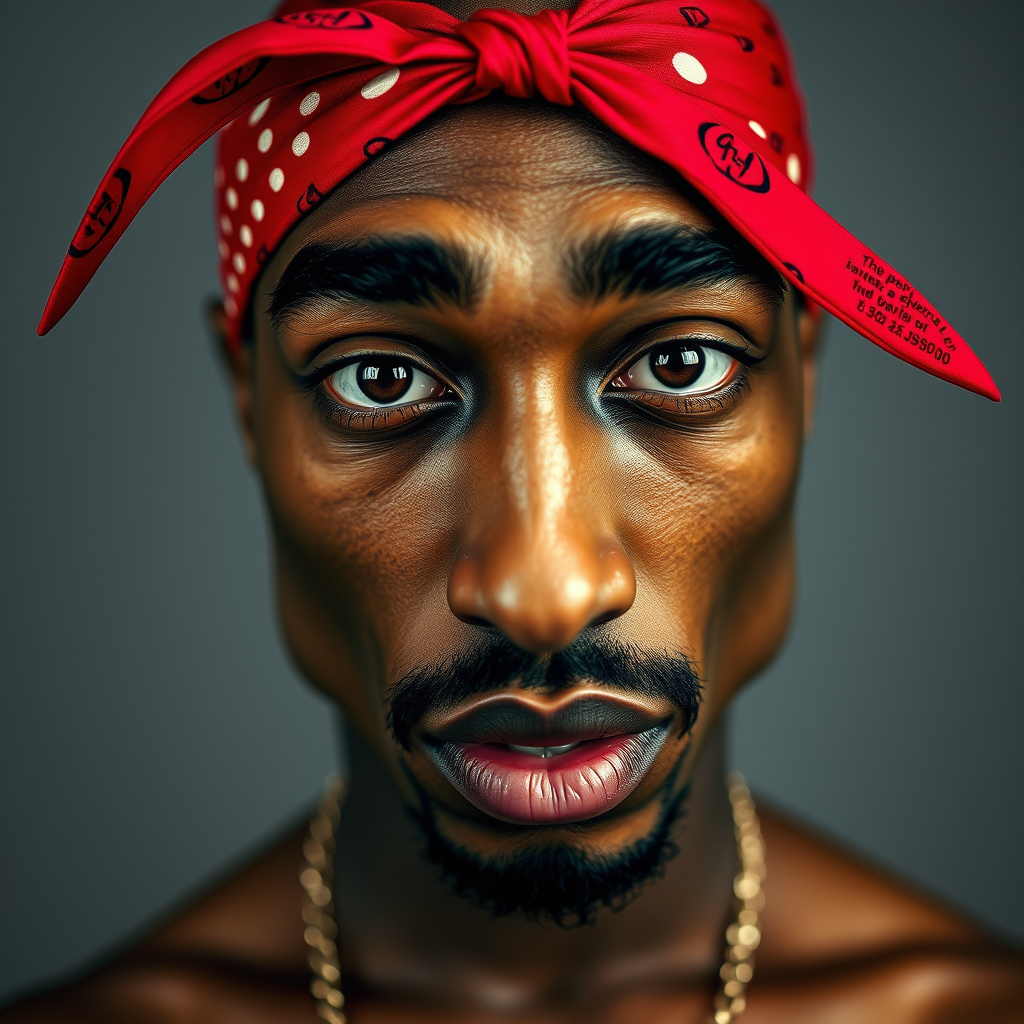
Tupac was renowned for his bold fashion statements that seamlessly blended streetwear with high fashion influences. He was not limited to one specific style; rather, he embraced a diverse wardrobe that encompassed graphic tees, oversized jackets, and baggy pants, often topped off with a signature bandana. His style choices were deliberate, intended to convey messages about his identity, struggles, and aspirations.
One of the most striking aspects of Tupac’s fashion was his ability to mix elements from different cultures and subcultures. For instance, he often wore designer pieces alongside urban streetwear, showcasing a unique flair that was both aspirational and relatable. This eclectic mix not only set trends but also paved the way for future artists to explore their own identities through fashion. His influence can be seen in contemporary artists who continue to draw inspiration from his bold style, proving that Tupac’s fashion legacy is far-reaching and enduring.
Cultural Impact of Tupac’s Style
Tupac’s fashion was not merely a reflection of personal style; it represented the struggles and identities of many within the African American community and beyond. His aesthetic became a visual narrative that articulated the challenges faced by marginalized groups, including systemic racism, poverty, and social injustice. By wearing clothing that spoke to his roots and experiences, Tupac carved a space in popular culture that resonated with a generation grappling with similar issues.
Moreover, his style transcended music and became a cultural phenomenon. The way he dressed often sparked discussions about race, identity, and social issues, making him a voice for not just his generation but for future ones. This cultural significance is evident in the way that modern hip-hop artists and fashion designers continue to reference his style, weaving elements of Tupac’s aesthetic into their own narratives, thus perpetuating his influence in fashion and culture.
How Fans Emulate Tupac’s Look
Tupac’s legacy thrives not only through his music but also through the way fans replicate his iconic looks as a tribute to his enduring influence. Many admirers have adopted his signature nose ring, often pairing it with other elements of his style, such as bandanas and oversized tees. This emulation serves as a powerful homage to Tupac, allowing fans to feel connected to his spirit and message.
Online communities and social media platforms play a crucial role in celebrating Tupac’s style. Fans share tips on how to recreate his looks, from accessorizing with similar jewelry to choosing the right color palettes that reflect his persona. Hashtags and dedicated fan pages help cultivate a sense of community, encouraging young people to express themselves while honoring an artist who championed individuality and authenticity.
The Legacy of Tupac’s Persona
The image of Tupac, including his right-side nose ring, has become iconic, often referenced in popular culture, whether in music, film, or fashion. His persona encapsulated a complex blend of vulnerability and strength, which continues to resonate with new audiences. The nose ring, as a visible aspect of his identity, serves as a reminder of the man behind the music—a poet, activist, and cultural icon.
Tupac’s influence extends beyond the realm of music; it has permeated fashion, art, and activism. His legacy inspires discussions around social issues, encouraging contemporary artists and activists to use their platforms for advocacy. The ongoing admiration for Tupac’s style and message illustrates his lasting impact, ensuring that his contributions to culture and society remain alive and relevant.
Memorable Appearances Featuring the Nose Ring
Throughout his career, Tupac made several memorable appearances where his nose ring was prominently featured, contributing to the overall impact of his visual identity. One standout moment was in the music video for “California Love,” where he exuded charisma and style, showcasing his unique fashion sense alongside fellow rapper Dr. Dre. The video illustrated the vibrancy of 90s hip-hop culture, with Tupac’s nose ring adding a distinctive edge to his look.
Another significant appearance was during his live performances, where his confidence and stage presence were amplified by his fashion choices, including his nose ring. Audiences were captivated not only by his lyrical prowess but also by his striking visual persona. The public’s reaction to his style during these performances often highlighted the way he broke barriers and challenged norms, making him a pioneer in the world of hip-hop fashion.
In summary, Tupac Shakur wore his nose ring on the right side, a detail that has become a part of his enduring legacy. His distinctive style and fashion choices continue to inspire and resonate with fans today. The implications of his aesthetic extend beyond personal expression, representing broader cultural narratives and struggles. If you’re interested in exploring more about Tupac’s influence on culture and fashion, consider checking out his music and documentaries that delve deeper into his life and impact. His story is a powerful testament to the intersection of art, identity, and social commentary.
Frequently Asked Questions
What side did Tupac have his nose ring on?
Tupac Shakur famously wore his nose ring on the left side of his nose. This distinctive accessory became a part of his iconic look, symbolizing his unique style and rebellious spirit. Many fans associate this characteristic with his bold personality and artistic expression.
Why did Tupac choose to wear a nose ring?
Tupac chose to wear a nose ring as a form of self-expression and individuality. During the 1990s, body piercings were gaining popularity as symbols of rebellion and nonconformity, and for Tupac, the nose ring reflected his artistic identity, cultural influences, and connection to hip-hop culture. It served as a visual representation of his persona and the messages he conveyed through his music.
How did Tupac’s nose ring influence fashion trends?
Tupac’s nose ring significantly influenced fashion trends in the hip-hop community and beyond. His bold accessory inspired many fans and artists to adopt similar styles, contributing to the mainstream acceptance of body piercings in the 1990s. As a result, the nose ring became a fashionable statement among a diverse range of individuals, transcending cultural boundaries.
What types of nose rings are available for fans looking to emulate Tupac’s style?
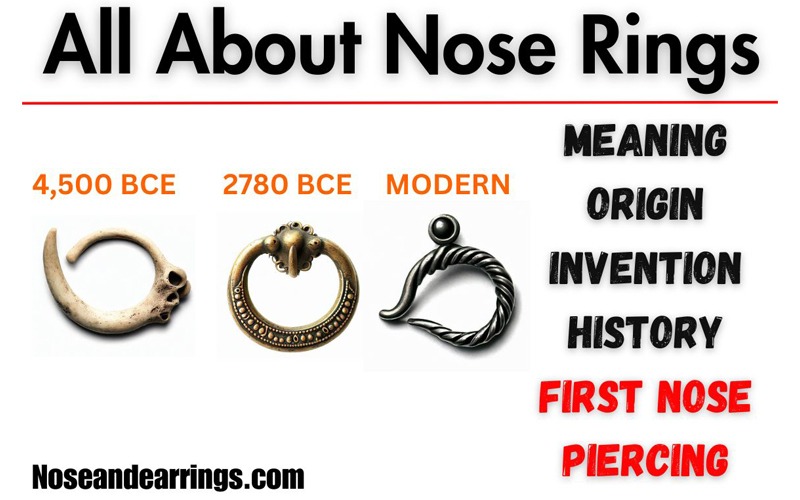
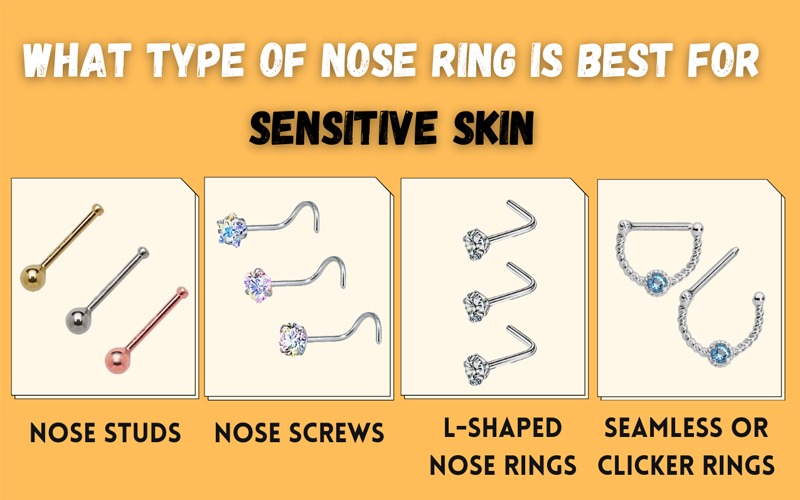
For fans wanting to emulate Tupac’s signature look, a variety of nose rings are available. The most common options include hoop rings, studs, and captive bead rings, often available in materials like stainless steel, gold, and sterling silver. Choosing a simple hoop or stud that mimics Tupac’s understated style can help capture the essence of his iconic look while allowing for personal expression.
Which celebrities have been inspired by Tupac’s nose ring style?
Numerous celebrities have been inspired by Tupac’s nose ring style, including artists like Lil Wayne, Rihanna, and A$AP Rocky, who have incorporated similar accessories into their looks. His influence extends beyond music, impacting fashion designers and other public figures who appreciate his boldness and authenticity. This continued inspiration showcases Tupac’s lasting legacy in both the music and fashion industries.
References
- Tupac Shakur
- https://www.rollingstone.com/music/music-news/tupac-shakur-nose-ring-meaning-1234586443/
- https://www.bbc.com/culture/article/20210719-how-tupac-shakur-changed-hip-hop
- https://www.npr.org/2021/06/16/1007094034/tupac-shakur-25-years-later-remembering-a-hip-hop-icon
- https://www.theguardian.com/music/2017/jun/16/tupac-shakur-20-years-later-legacy-hip-hop
- https://www.history.com/topics/music/tupac-shakur