Choosing the smallest gauge nose ring typically means selecting a 20 gauge (0.8 mm) or even a 22 gauge (0.6 mm) for those looking for a more delicate piercing. These smaller gauges provide a subtle aesthetic that appeals to many individuals, particularly those who prefer a minimalist look. However, understanding the nuances between these gauges and their implications on comfort and style is essential for making an informed choice.
Understanding Nose Ring Gauges

Nose ring gauges refer to the thickness of the jewelry, with lower numbers indicating thicker rings. The gauge measurement system is somewhat counterintuitive; as the gauge number decreases, the thickness of the jewelry increases. For instance, an 18 gauge is thicker than a 20 gauge. Common gauges for nose rings typically range from 18 to 22, with 20 gauge being the most popular choice for standard piercings. This gauge strikes an optimal balance between visibility and comfort, making it a favored option among many.
20 gauge nose rings are often the standard for initial piercings, providing enough thickness to ensure sturdiness while still being relatively discreet. On the other hand, 22 gauge rings are the smallest commonly available size, appealing to those who prefer an even more delicate appearance. However, it’s important to note that the suitability of each gauge can vary based on individual anatomy and personal preferences.
Smallest Available Sizes

The 22 gauge (0.6 mm) is the smallest common size for nose rings, making it an excellent choice for those desiring the most understated look. However, this size may not fit everyone comfortably, particularly if the piercing is still healing or if the individual has sensitive skin. 22 gauge rings can also be more prone to bending or breaking, which is a consideration for active individuals or those who wear jewelry daily.
In contrast, the 20 gauge (0.8 mm) is widely used and offers a balance of visibility and comfort. It is thicker than the 22 gauge but still maintains a delicate appearance. Many individuals find that the 20 gauge provides adequate support during the healing process while still being aesthetically pleasing. Additionally, because 20 gauge is more common, there is often a wider variety of designs and styles available in this size.
Factors to Consider When Choosing Gauge
When selecting the appropriate gauge for your nose ring, personal comfort is paramount. Thinner rings, while appearing delicate, may cause irritation or discomfort for some individuals, particularly if they are new to piercings. It’s crucial to listen to your body and assess how your skin reacts to different metals and gauges during the healing process.
The size of your piercing and its healing stage also play significant roles in determining which gauge is appropriate. For freshly pierced noses, a thicker gauge may be advisable to minimize the risk of the jewelry bending or becoming displaced. Conversely, as the piercing heals, some individuals may wish to switch to a smaller gauge for aesthetic reasons. Consulting with a professional piercer can provide guidance tailored to your specific situation and ensure that you make the best choice for your comfort and style.
Styles of Nose Rings in Smaller Gauges
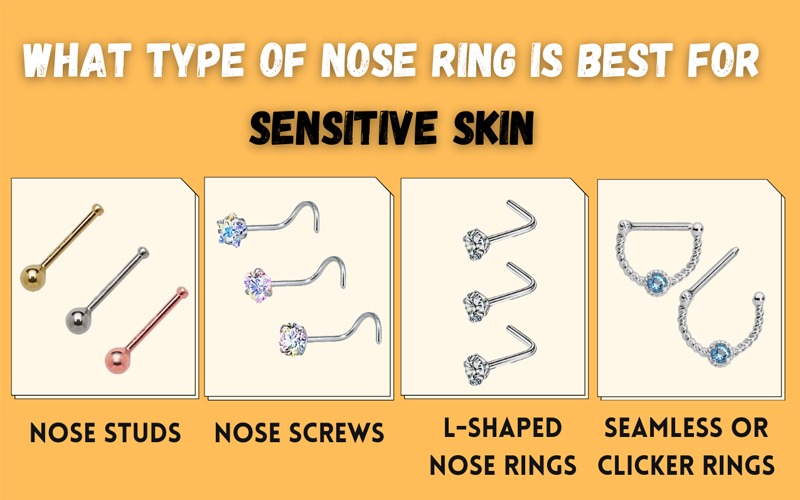
Smaller gauge nose rings are available in various styles, including studs, hoops, and L-shaped rings, each offering unique aesthetic qualities. Studs are often favored for their simplicity and elegance, making them a versatile choice for any occasion. They can be adorned with gemstones or unique shapes, allowing for personal expression while remaining understated.
Hoops, although slightly more visible, can also be designed in smaller gauges to create a delicate look. They are available in various sizes and can be simple or embellished with charms, adding an extra layer of personality to your style. L-shaped nose rings are another popular option, providing a secure fit while ensuring ease of wear. Choosing a style that complements your face shape can enhance your overall appearance, making it essential to consider how different designs will look on you.
Care Tips for Smaller Gauge Nose Rings
Proper care is critical when wearing smaller gauge nose rings, as these delicate pieces are more susceptible to irritation and infection. Regular cleaning is vital, particularly in the early stages of healing. A saline solution or a mild, fragrance-free soap can effectively cleanse the area without causing irritation. Avoid using alcohol or hydrogen peroxide, as these can be too harsh and may hinder the healing process.
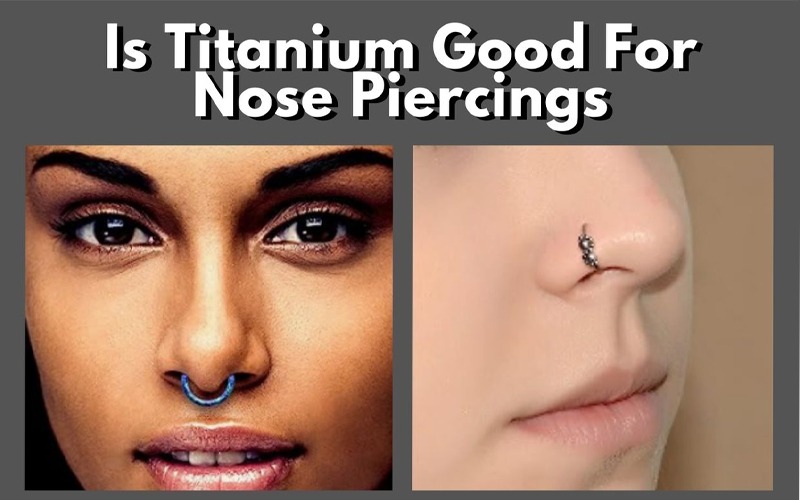
Additionally, regularly check your nose ring for any signs of irritation or allergic reactions, such as redness, swelling, or unusual discharge. If you notice any of these symptoms, it may be wise to consult a healthcare professional or a piercer. Ensuring that your jewelry is made from hypoallergenic materials, such as titanium or surgical steel, can also help minimize the risk of adverse reactions.
When to Consult a Professional
If you are unsure about the right gauge for your nose ring, consulting a professional piercer is advisable. An experienced piercer can provide insights based on your unique anatomy and preferences, guiding you toward the best choice for your needs. They can also assist in the piercing process, ensuring that it is done safely and correctly.
Moreover, if you experience discomfort or complications post-piercing, seeking advice from a professional is crucial. Ignoring persistent pain or signs of infection can lead to more serious health issues. A professional can provide appropriate recommendations for care or suggest alternative jewelry options that may be more suitable for your situation.
Choosing the right gauge for your nose ring is essential for both aesthetics and comfort. Smaller gauges, particularly 20 and 22 gauge options, offer unique styles that cater to personal preference while ensuring a delicate appearance. Always prioritize your personal style and comfort level when making your selection. If you’re considering a nose piercing or looking to change your jewelry, consulting with a professional to ensure you make the best choice for your unique needs is advisable.
Frequently Asked Questions
What gauge nose ring is the smallest available on the market?
The smallest gauge nose ring commonly available is 20 gauge (0.8 mm). However, some specialized jewelry makers offer even smaller sizes, such as 22 gauge (0.6 mm). It’s essential to consult with a professional piercer to determine the best gauge for your particular piercing, as smaller gauges may not be suitable for all individuals or healing stages.
How do I choose the right gauge for my nose ring?
Choosing the right gauge for your nose ring depends on your piercing size and personal comfort. Generally, if you’re getting a new piercing, a 20 gauge is standard. If you’re switching from a larger gauge, it’s best to gradually downsize to avoid irritation or injury. Consulting with an experienced piercer can help ensure you select the appropriate gauge for your specific needs.
Why is it important to consider the gauge of a nose ring?
The gauge of a nose ring is crucial because it affects both the fit and comfort of the jewelry. A smaller gauge means a thinner ring, which can be less noticeable but may also be more prone to bending or breaking. Additionally, the wrong gauge can lead to complications like irritation, inflammation, or difficulty inserting the jewelry, making it essential to choose the right size for your piercing.
What is the best material for a small gauge nose ring?
The best materials for small gauge nose rings include surgical stainless steel, titanium, and gold (14k or higher). These materials are hypoallergenic and less likely to cause irritation, making them ideal for sensitive skin or fresh piercings. Avoid materials like nickel or plated metals, as they can lead to allergic reactions or infections.
Which nose ring styles are best suited for smaller gauges?
For smaller gauges, styles like stud earrings, L-shaped posts, and seamless hoops are often recommended. These styles provide a secure fit and minimize the risk of catching or damaging the jewelry. Additionally, choosing a design that complements your facial features can enhance your overall look while maintaining comfort in smaller gauges.
References
- Body piercing
- https://www.ncbi.nlm.nih.gov/pmc/articles/PMC6466397/
- https://www.aafp.org/pubs/afp/issues/2013/0715/p85.html
- https://www.healthline.com/health/body-piercing-guide
- https://www.verywellhealth.com/nose-piercing-5070818