Choosing the right size nose ring is essential for both comfort and personal expression. Typically, sizes range from 20 to 18 gauge, with 20 gauge being the more delicate option and 18 gauge offering a sturdier fit. Understanding your anatomy, personal preferences, and style choices will help you determine the best size for your nose ring. This comprehensive guide will walk you through the nuances of selecting the perfect fit for your unique nose piercing.
Understanding Nose Ring Sizes
Nose rings are usually measured in gauge, a system where a lower number corresponds to a thicker piece of jewelry. The most common sizes include 20 gauge (0.8mm) and 18 gauge (1.0mm), with 16 gauge (1.2mm) often used for larger or more extensive piercings. For those new to piercings, it’s important to note that the gauge impacts the overall look, comfort, and even the healing process. A thinner ring may be more comfortable initially but could be more prone to bending or breaking, while a thicker gauge often provides a more secure fit but may also cause discomfort if the piercing is not fully healed.
Measuring Your Nose for the Perfect Fit
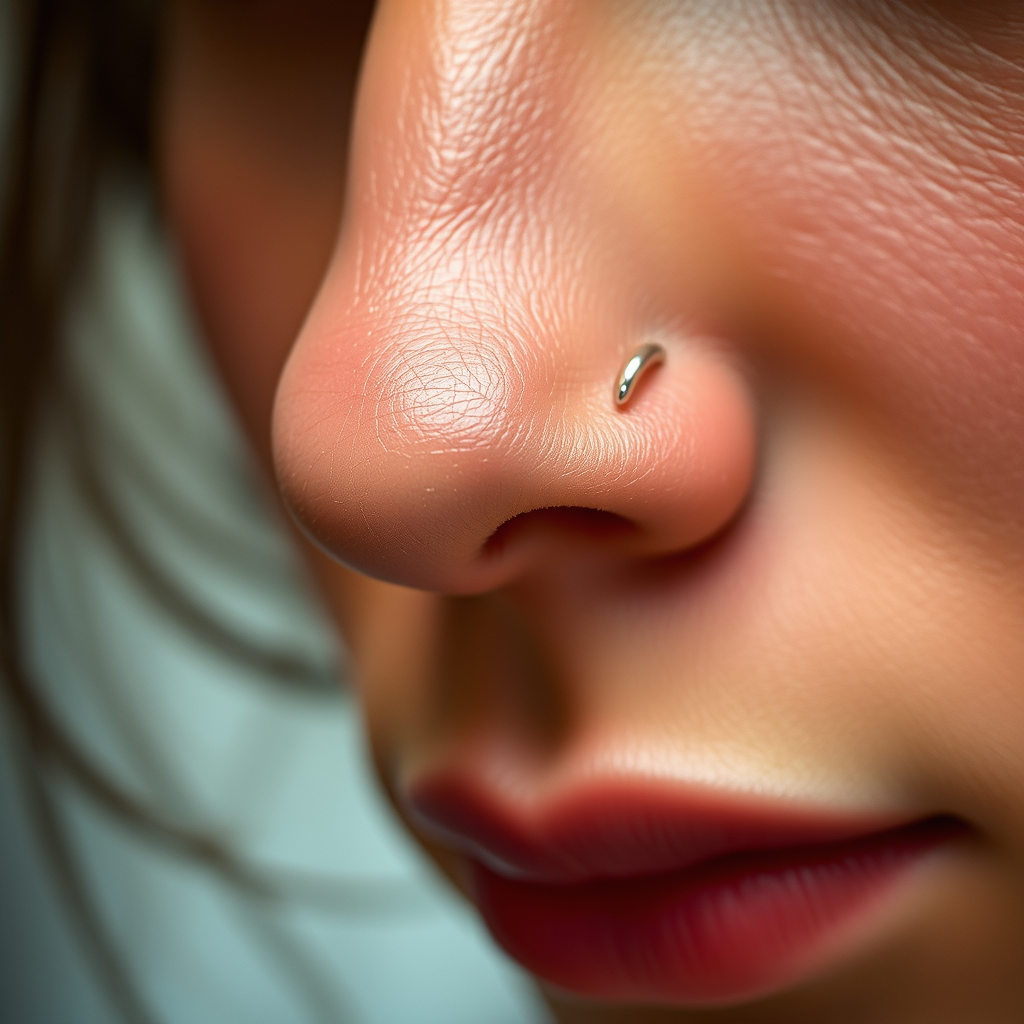
To find the perfect size for your nose ring, it’s advisable to measure your nose accurately. Using a caliper or a flexible measuring tape, you can determine the thickness of your piercing. This step is crucial, especially if you have recently had your nose pierced, as swelling can temporarily affect the size you need. Additionally, consider the type of nose ring you are interested in—hoops, studs, and screws all have different fitting nuances. For example, a hoop may require a little more room for movement, while a stud must fit snugly against the nostril to avoid falling out.
Choosing the Right Style for Your Nose Ring
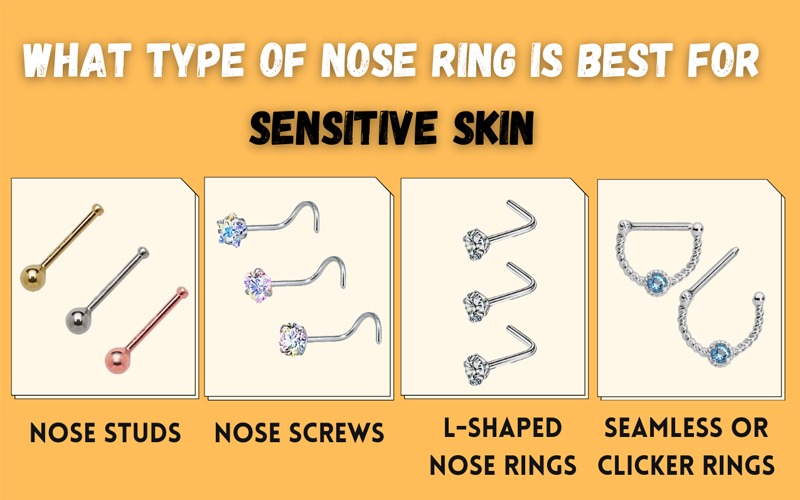
When selecting the style of your nose ring, consider both aesthetics and functionality. Studs are generally more understated and can be worn in professional settings, while hoops can make a bold fashion statement. Furthermore, consider your lifestyle; if you lead an active life, you might want a more secure style, such as a screw or a captive bead ring, to prevent loss or injury. For those who prefer versatility, seamless hoops or flexible studs can offer an excellent blend of comfort and style, adapting to various outfit choices or occasions.
Factors Influencing Nose Ring Size
Individual anatomy significantly influences the appropriate size for your nose ring. Not everyone has the same nostril size or shape, which can affect how a particular gauge fits. For instance, people with larger nostrils may find that an 18 gauge fits better, while those with smaller nostrils might prefer a 20 gauge. Additionally, if you’ve recently had your nose pierced, expect some swelling, which can temporarily change the required size. Always consult with a professional piercer who can provide insights tailored to your specific anatomy, ensuring optimal comfort and fit.
Popular Nose Ring Styles and Sizes
The jewelry market offers a plethora of nose ring styles, each available in various sizes. Captive bead rings, L-shaped studs, and seamless hoops are among the most popular choices. Captive bead rings are versatile and come in multiple sizes, making them suitable for various piercings. L-shaped studs provide a secure fit and are less likely to fall out, while seamless hoops are favored for their clean look and ease of wear. Additionally, trends often dictate size preferences within different communities; for example, some cultures may lean towards larger, more decorative pieces, while others prefer understated elegance. Staying informed about current trends can help you make a more stylish choice.
Tips for Buying Nose Rings
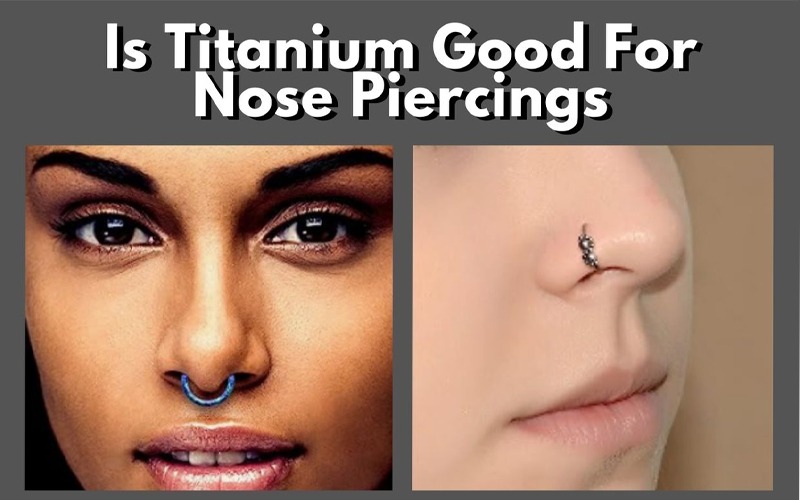
When purchasing a nose ring, it’s crucial to buy from reputable jewelry stores or online retailers that provide clear size charts. Make sure to read customer reviews to assess the fit and quality of the jewelry you are considering. A reliable seller will often have a return policy, allowing you to exchange a piece if it does not meet your size or style expectations. Additionally, consider investing in high-quality materials such as surgical steel, titanium, or gold, which are less likely to cause allergic reactions and are more durable over time.
Aftercare for Your New Nose Ring
Proper aftercare is essential for a healthy healing process of your new nose ring. Follow the aftercare instructions provided by your piercer to prevent infections and ensure your piercing heals correctly. It is advisable to avoid changing your nose ring to a different size or style until your piercing has fully healed, which can take several weeks to months, depending on your body’s healing rate. During this period, keep the area clean and avoid exposing it to irritants such as makeup or harsh chemicals.Selecting the correct size nose ring is pivotal for your comfort, anatomy, and personal style. By taking precise measurements and considering the different factors that influence fit, you can ensure that your nose ring complements your unique features. Remember to prioritize quality in your purchase and adhere to aftercare guidelines for a successful healing process. Ready to find the perfect nose ring? Begin exploring options that resonate with your individual style today!
Frequently Asked Questions
What size nose ring should I get for my piercing?
The size of the nose ring you should get primarily depends on the gauge of your piercing and the style you prefer. Most nostril piercings are done with a 20 gauge (0.8 mm) or 18 gauge (1.0 mm) needle, so you might want to start with a nose ring that matches this size. Additionally, consider the diameter of the ring; a standard size for nostril hoops is typically around 6 mm to 8 mm, but personal preference plays a significant role in determining the best fit for your comfort and aesthetic.
How do I measure my nose for a nose ring?
To measure your nose for a nose ring, you can use a flexible measuring tape or a ruler. Start by measuring the distance from the piercing hole to the edge of your nostril to determine the appropriate diameter for a hoop or stud. For a more precise fit, you can also measure the thickness of your nostril to ensure that the gauge of the jewelry complements the anatomy of your nose.
Why does the size of my nose ring matter?
The size of your nose ring is crucial for both comfort and aesthetic appeal. A ring that is too tight can cause irritation or even lead to complications like infection, while one that is too loose may easily fall out or get caught on clothing. Choosing the correct gauge and diameter ensures that your nose ring fits well, looks great, and allows for proper healing if your piercing is new.
What is the best material for a nose ring when considering size?
The best materials for a nose ring, especially with regard to size, include surgical stainless steel, titanium, and bioplast. These materials are hypoallergenic and less likely to irritate sensitive skin, making them ideal for initial piercings. When selecting your nose ring, ensure that the size you choose corresponds to the material’s flexibility and strength to avoid bending or breaking during wear.
Which style of nose ring is best for my face shape?
The best style of nose ring depends on your face shape and personal preference. For round faces, a stud or small hoop can elongate the appearance of your features, while those with angular faces might prefer larger hoops or decorative designs to soften their look. Ultimately, experimenting with different styles and sizes will help you discover what enhances your unique facial structure and complements your overall style.
References
- Nose piercing
- https://www.ncbi.nlm.nih.gov/pmc/articles/PMC4301994/
- https://www.aafp.org/pubs/afp/issues/2005/1001/p1326.html
- https://www.healthline.com/health/nose-piercing-guide
- https://www.verywellhealth.com/nose-piercings-5093110
- https://www.medicalnewstoday.com/articles/nose-piercings-what-to-know
- https://www.mayoclinic.org/healthy-lifestyle/adult-health/in-depth/body-piercing/art-20046002