Getting your nose ring changed can typically happen 2 to 6 months after the initial piercing, depending on how well your piercing has healed. This timeframe can vary significantly among individuals, influenced by factors such as healing times, the type of piercing, and aftercare practices. In this article, we’ll dive into the various components that determine when it’s safe to change your nose ring and provide you with essential tips to ensure a smooth transition.
Understanding Healing Times

Nose piercings generally take 2 to 6 months to heal fully, but it’s essential to recognize that this is an average range. Healing times can differ based on several factors, including individual body chemistry, lifestyle choices, and the specific location of the piercing. For example, a nostril piercing may heal faster than a septum piercing due to the difference in tissue and exposure to irritants like makeup or facial products.
Moreover, specific health conditions, such as diabetes or autoimmune disorders, can impair the body’s ability to heal, potentially extending the healing time. It is crucial to listen to your body and respect its natural healing process. Regular check-ups with a professional piercer can help you monitor your healing progress and determine the right time for a jewelry change.
Signs That Your Piercing Is Healed

Identifying when your piercing has healed is crucial before changing your nose ring. Look for several key indicators: reduced redness, swelling, and tenderness around the piercing site. These signs suggest that your body has effectively closed the wound and that the tissue is returning to its normal state.
Another important sign is the absence of any discharge or unusual odor, which could indicate infection. If you can gently rotate the jewelry without discomfort, it is a good indication that the piercing is ready for a change. However, always err on the side of caution; if you are in doubt, consult a professional piercer who can evaluate your piercing’s condition.
Types of Nose Piercings
Different types of nose piercings come with distinct healing times and care requirements. The most common types include nostril, septum, and bridge piercings, each requiring different approaches to healing and maintenance.
– Nostril Piercing: Generally heals within 2 to 4 months. This is the most common type, and proper aftercare can facilitate a quicker healing process.
– Septum Piercing: Typically takes about 6 to 8 weeks to heal, but some individuals may experience a longer healing period due to the thickness of the tissue.
– Bridge Piercing: Healing time can extend to 8 to 12 weeks. This is because the bridge piercing is located on the thinner skin on the nose, which may be more susceptible to irritation.
Before changing your jewelry, it’s essential to research the specific healing timeline for your type of piercing to ensure you are not rushing the process.
Importance of Aftercare
Proper aftercare is vital for ensuring your nose piercing heals as quickly and smoothly as possible. Inadequate care can lead to complications such as infections or prolonged healing times. To promote a healthy healing environment, clean the area regularly using a saline solution, which can be made at home by mixing non-iodized sea salt with distilled water.
Avoid touching your piercing with dirty hands and refrain from changing your jewelry too soon. It’s also advisable to avoid swimming in pools or hot tubs and to steer clear of harsh skin products near the piercing site. Following these aftercare tips can significantly enhance your healing experience and reduce the likelihood of issues arising.
Choosing the Right Jewelry
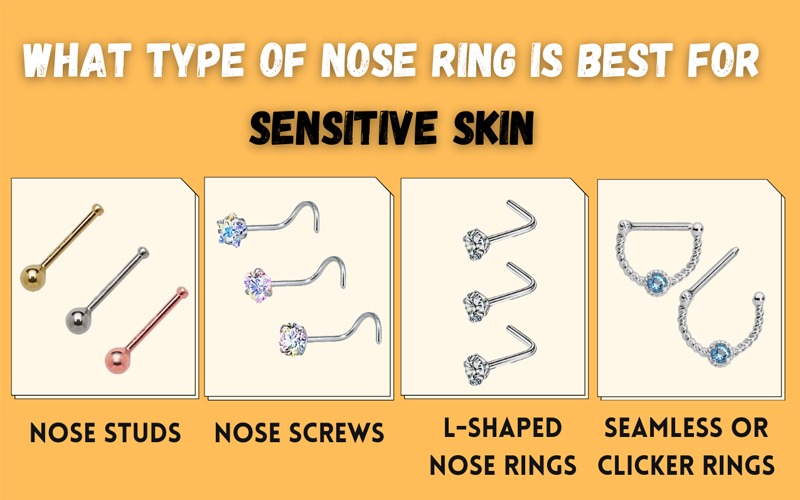
When it’s time to change your nose ring, selecting the right jewelry is paramount. Opt for high-quality materials, such as titanium or surgical steel, to minimize the risk of allergic reactions or skin irritations. Avoid materials like nickel, which can trigger allergic responses in some individuals.
In addition, consider the size and style of the new jewelry. A well-sized piece will not only enhance your appearance but also ensure your comfort, especially during the healing process. Make sure that the new jewelry is appropriate for your piercing type and that it fits securely without being overly tight.
What to Do If You Experience Issues
Despite your best efforts, issues may arise during the healing process. Common problems include excessive pain, swelling, or discharge. If you experience any of these symptoms, it’s crucial to consult a professional piercer or a healthcare provider. They can assess the situation and provide guidance on whether it is safe to change your jewelry.
Importantly, avoid changing your jewelry until the issue is resolved. Making changes too early can exacerbate the problem and lead to further complications. Always prioritize your health, and when in doubt, seek professional advice.
In summary, changing your nose ring is generally safe after 2 to 6 months, but be sure to recognize the signs of healing and follow proper aftercare. If you’re considering a change, assess your piercing’s condition and choose the right jewelry. For more tips on piercings and aftercare, explore our other articles or consult with a professional piercer.
Frequently Asked Questions
When can you change your nose ring after getting it pierced?
You can typically change your nose ring after about 2 to 3 months, depending on how well your piercing is healing. It’s important to wait until the initial healing period is over, which can last anywhere from 6 to 12 weeks for nostril piercings. Always consult your piercer or a healthcare professional to ensure the piercing is fully healed before making any changes.
How do you know if your nose piercing is healed enough to switch rings?
Signs that your nose piercing is healed enough to change rings include the absence of redness, swelling, or discharge, as well as a lack of pain at the site. You should also be able to gently rotate the jewelry without discomfort. If you’re unsure, it’s best to consult your professional piercer to avoid complications.
Why is it important to wait before changing your nose ring?
Waiting before changing your nose ring is crucial to prevent irritation, infection, or migration of the piercing. Changing jewelry too soon can disrupt the healing process and introduce bacteria, leading to potential complications. Proper healing ensures that your piercing remains healthy and looks good long-term.
What is the best type of jewelry to use when changing a nose ring for the first time?
The best type of jewelry to use when changing your nose ring for the first time is hypoallergenic materials, such as titanium, surgical stainless steel, or niobium. These materials are less likely to cause allergic reactions or irritation, making them ideal for sensitive skin. Avoid using jewelry made of gold-plated or inexpensive metals until your piercing is fully healed.
Which aftercare practices should you follow after changing your nose ring?
After changing your nose ring, it’s essential to maintain proper aftercare to prevent irritation or infection. Clean the area with saline solution or a gentle antiseptic, avoid touching the piercing with dirty hands, and refrain from using harsh chemicals or alcohol. Regularly monitoring your piercing for any signs of infection will also help ensure it stays healthy.
References
- https://www.healthline.com/health/body-piercing/nose-piercing-care
- https://www.medicalnewstoday.com/articles/what-to-know-about-nose-piercings
- https://www.ncbi.nlm.nih.gov/pmc/articles/PMC4722160/
- Phuoc Anh (Anne) Nguyen, PharmD, MS, BCPS – Verywell Health
- Patient Stories – Eugene L. Scharf, M.D. – Mayo Clinic