Nose rings became popular in various cultures thousands of years ago, but their modern resurgence can be traced back to the 1960s and 70s, when countercultural movements embraced body piercings as a form of self-expression. This journey from ancient adornment to contemporary fashion statement reveals rich cultural significance and evolving societal attitudes. In this article, we will explore the fascinating history of nose rings, their cultural significance, and how they evolved into a mainstream fashion statement.
The Ancient Origins of Nose Rings

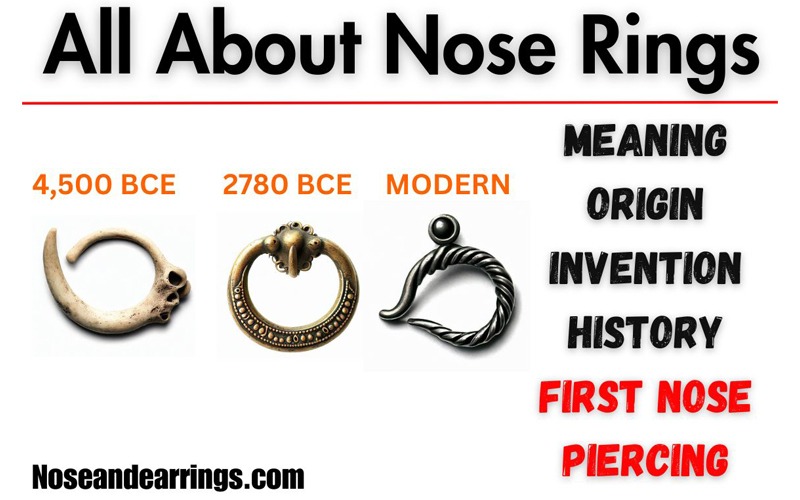
Nose rings have a storied history that dates back to ancient civilizations. Evidence from archeological findings indicates that these adornments were prevalent in the Indus Valley Civilization around 2000 BCE. Women wore nose rings as symbols of marriage and social status, often made from materials such as gold and silver. In addition to their aesthetic appeal, these rings conveyed messages about a woman’s marital status and wealth.
In some African cultures, nose piercings signify cultural identity and social standing. For example, in certain tribes, a large nose ring can denote a woman’s maturity and readiness for marriage, while in others, it serves as a rite of passage. Similarly, in Middle Eastern societies, nose rings have long been associated with tradition and heritage, often passed down through generations. These early uses of nose rings illustrate their role as significant cultural artifacts, transcending mere decoration.
The Nose Ring in Indian Culture

In India, the nose ring, known as “nath,” holds profound cultural importance. Traditionally worn by brides, the nath is a symbol of marital fidelity and is often intricately designed with precious stones to enhance its beauty. The significance of the nath is deeply embedded in Indian customs and is mentioned in ancient texts, indicating its long-standing role in the ceremonial practices surrounding marriage.
The nath’s design varies significantly across regions, with some styles featuring elaborate chains that connect to the hair, while others are simpler and more understated. This diversity showcases the rich tapestry of Indian culture and its approach to body adornment. As a result, the nose ring has become not only an accessory but also a symbol of pride in one’s heritage and identity.
The Influence of the 1960s and 70s
The counterculture movement of the 1960s and 70s marked a significant turning point for nose rings in the Western world. During this time, body modifications, including piercings, were embraced as symbols of rebellion, individuality, and freedom from societal norms. The hippie movement, with its ethos of peace and nonconformity, saw many individuals adopting nose rings as a form of self-expression.
Moreover, influential musicians and celebrities began to sport nose rings, further facilitating their acceptance in mainstream culture. Icons like Janis Joplin and later punk rockers, such as Sid Vicious, helped popularize this trend, making nose rings synonymous with the avant-garde and nontraditional lifestyles. This era laid the groundwork for the modern perception of body piercings, shifting them from taboo to trendy.
The Rise of Body Modification Trends
The 1990s and early 2000s witnessed an explosion in body modification trends, with nose rings becoming a staple in youth culture. This period saw an increase in the visibility of body piercings, as fashion magazines and pop culture icons began to showcase them prominently. The rise of music genres like grunge and hip-hop contributed to the normalization of piercings, as artists used body adornment to convey personal narratives and authenticity.
As a result, nose rings evolved from a niche form of expression to a widely accepted fashion accessory. Retailers began to offer a variety of styles, materials, and designs, appealing to a broader audience. This democratization of body piercings allowed individuals from various backgrounds to engage with the trend, making nose rings a symbol of personal expression rather than merely a cultural artifact.
Modern Popularity and Fashion Trends
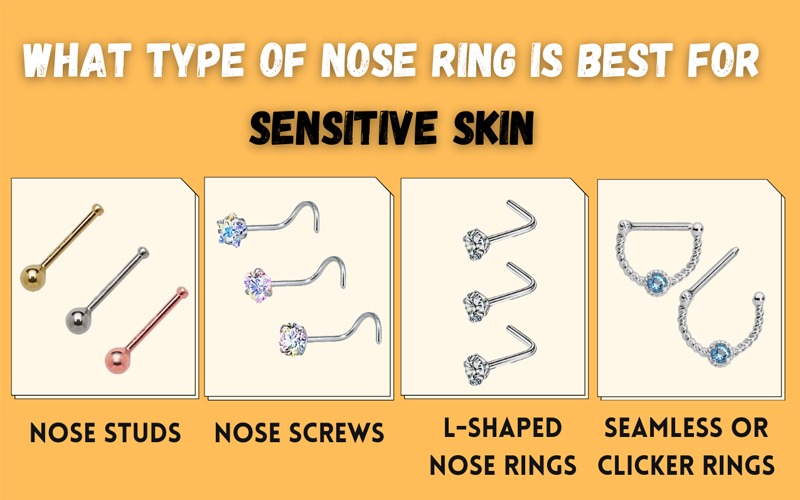
Today, nose rings are embraced by diverse demographics, transcending gender, age, and cultural boundaries. Their popularity is reflected in fashion trends that include a multitude of styles, such as studs, hoops, and septum rings. This variety allows for personal expression and creativity, enabling individuals to choose pieces that resonate with their unique identities.
Moreover, the rise of social media platforms has played a crucial role in the contemporary popularity of nose rings. Influencers and fashion bloggers frequently showcase their unique styles, inspiring others to explore body piercings. As a result, nose rings have become a staple accessory in many wardrobes, symbolizing not only fashion sensibility but also a connection to one’s individuality.
Cultural Appropriation and Awareness
As nose rings gain popularity, discussions around cultural appropriation and respectful representation have emerged. It is essential to recognize that while nose rings are celebrated as a fashion statement in many cultures, they carry deep cultural significance in others. Engaging with this form of adornment requires an understanding of its historical context and origins.
To honor the diverse backgrounds from which nose rings originate, it is vital to approach their use with sensitivity and respect. Individuals interested in adopting this trend should educate themselves about its cultural roots and the meanings attached to it in various societies. This awareness can foster appreciation and respect rather than appropriation, allowing for a more harmonious coexistence of cultural practices in a globalized world.
The popularity of nose rings has evolved significantly over the centuries, from ancient symbols of status to modern expressions of individuality. Understanding their history enriches our appreciation for this unique form of adornment. Whether you’re considering getting one or simply curious about their significance, nose rings offer a fascinating glimpse into cultural traditions and modern fashion trends. Explore styles that resonate with you and celebrate the beauty of self-expression.
Frequently Asked Questions
When did nose rings first become popular in history?
Nose rings have a rich history that dates back thousands of years, with evidence of their use in ancient Indian and Middle Eastern cultures around 4,000 years ago. They were often associated with status, religious practices, and cultural identity. The trend saw a resurgence in popularity during the 20th century, particularly in the 1960s and 1970s, when they became symbols of counterculture and personal expression.
Why did nose rings gain popularity in Western culture?
Nose rings gained popularity in Western culture during the 1960s and 1970s, influenced by the rise of the feminist movement and various counterculture movements that embraced body modification as a form of self-expression. Celebrities and musicians, such as Janis Joplin and later, pop icons like Madonna, helped normalize the trend, making it a fashion statement rather than just a cultural symbol. Today, nose rings are widely accepted in various subcultures and fashion scenes.
How has the perception of nose rings changed over the years?
The perception of nose rings has transformed significantly over the decades. Initially viewed as rebellious or associated with non-conformity, they have now become mainstream and fashionable, often worn in professional settings. This shift reflects broader societal changes regarding body art and personal expression, with many people now seeing nose rings as stylish accessories rather than mere symbols of rebellion.
What types of nose rings are most popular today?
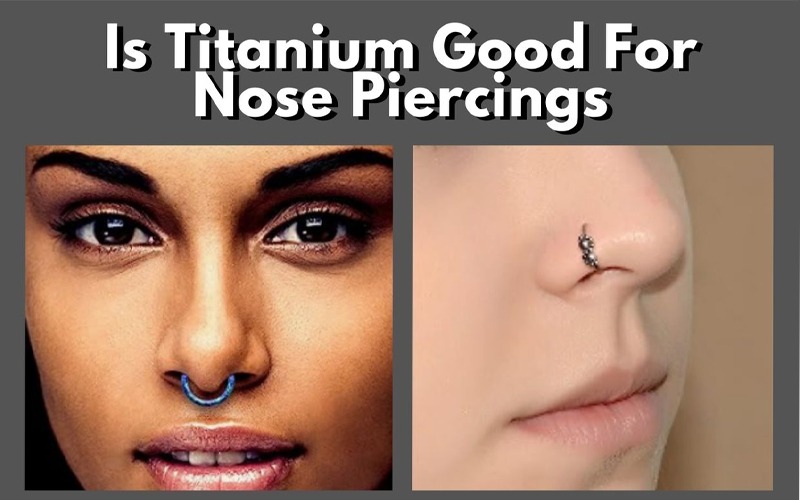
Today, there are several popular types of nose rings, including studs, hoops, and septum rings, each available in various materials like gold, silver, and titanium. Nose studs are favored for their discreet style, while hoops and septum rings offer a bolder look. Additionally, the rise of customizable jewelry has led to unique designs that cater to individual preferences, making nose rings a versatile accessory for many.
Which celebrities have influenced the popularity of nose rings?
Many celebrities have played a significant role in popularizing nose rings, including Rihanna, who frequently showcases bold jewelry choices, and Ariana Grande, who often sports delicate nose studs. Other influential figures, like Gigi Hadid and Kylie Jenner, have also contributed to the trend by incorporating nose rings into their fashion statements. Their visibility has helped normalize nose rings across different demographics, making them a staple in contemporary fashion.
References
- Nose ring
- https://www.bbc.com/news/magazine-33594042
- https://www.theguardian.com/fashion/2019/apr/25/the-history-of-the-nose-ring
- https://www.nytimes.com/2019/10/11/style/nose-piercing-history.html
- https://www.mentalfloss.com/article/64335/history-nose-piercing
- https://www.ncbi.nlm.nih.gov/pmc/articles/PMC7064888/