Cows have nose rings primarily to facilitate easier handling and control of these large animals. These rings are crucial tools for farmers, enabling safer management during veterinary checks, transportation, and when moving cattle in pasture settings. This article delves into the multifaceted reasons behind this practice, the benefits it offers, and important considerations regarding animal welfare.
The Purpose of Nose Rings
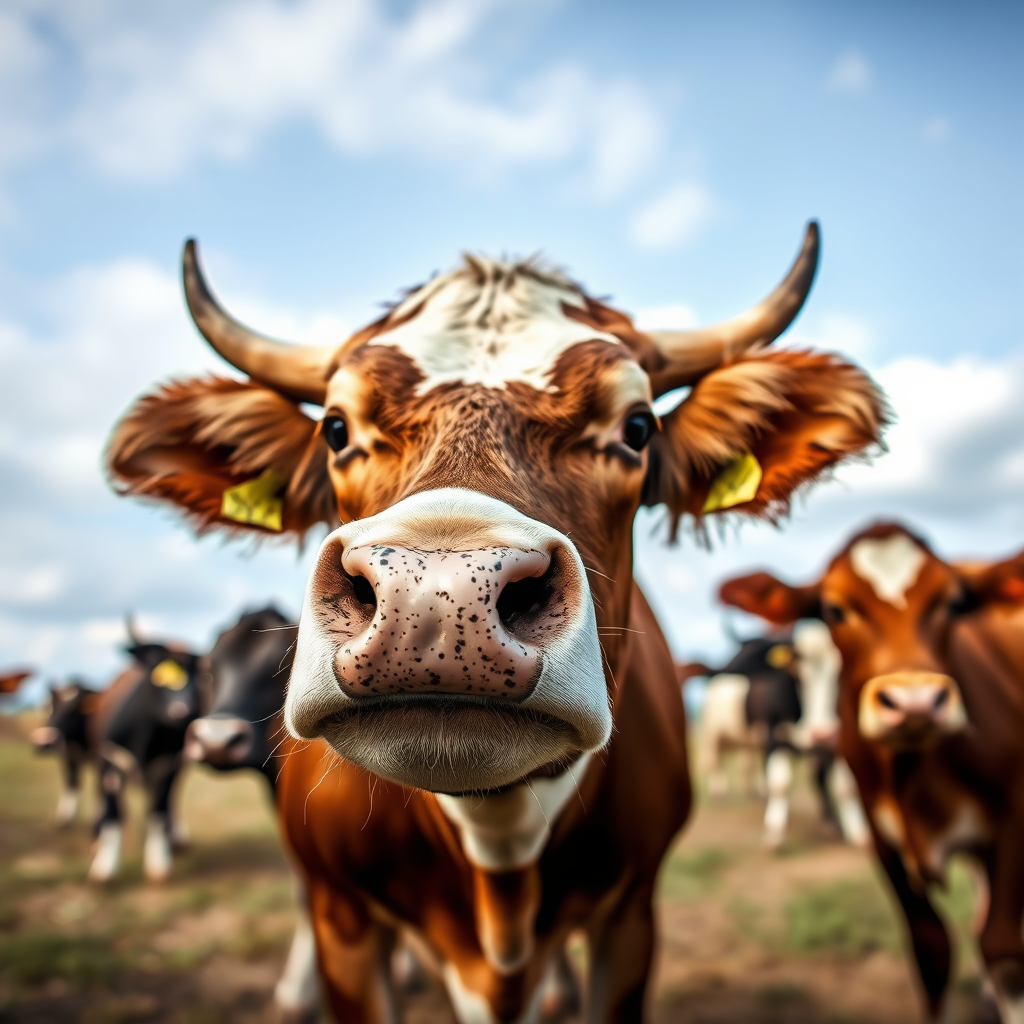
Nose rings serve as effective tools for controlling and guiding cows during handling. The design typically involves a simple metal ring inserted through the nasal septum, which allows farmers and handlers to lead the animal by applying gentle pressure. This method is particularly advantageous when dealing with large and powerful animals that can be unpredictable and difficult to manage. By utilizing nose rings, handlers can direct cows with more precision, reducing the risk of accidents and injuries.
Moreover, nose rings can significantly diminish the likelihood of injury to both the animal and the handler, especially in stressful situations like loading onto trucks or during medical examinations. The presence of a nose ring can help prevent cows from resisting or panicking, which can lead to harm. This management tool promotes a smoother handling process and contributes to safer working conditions on farms.
Historical Context of Nose Rings
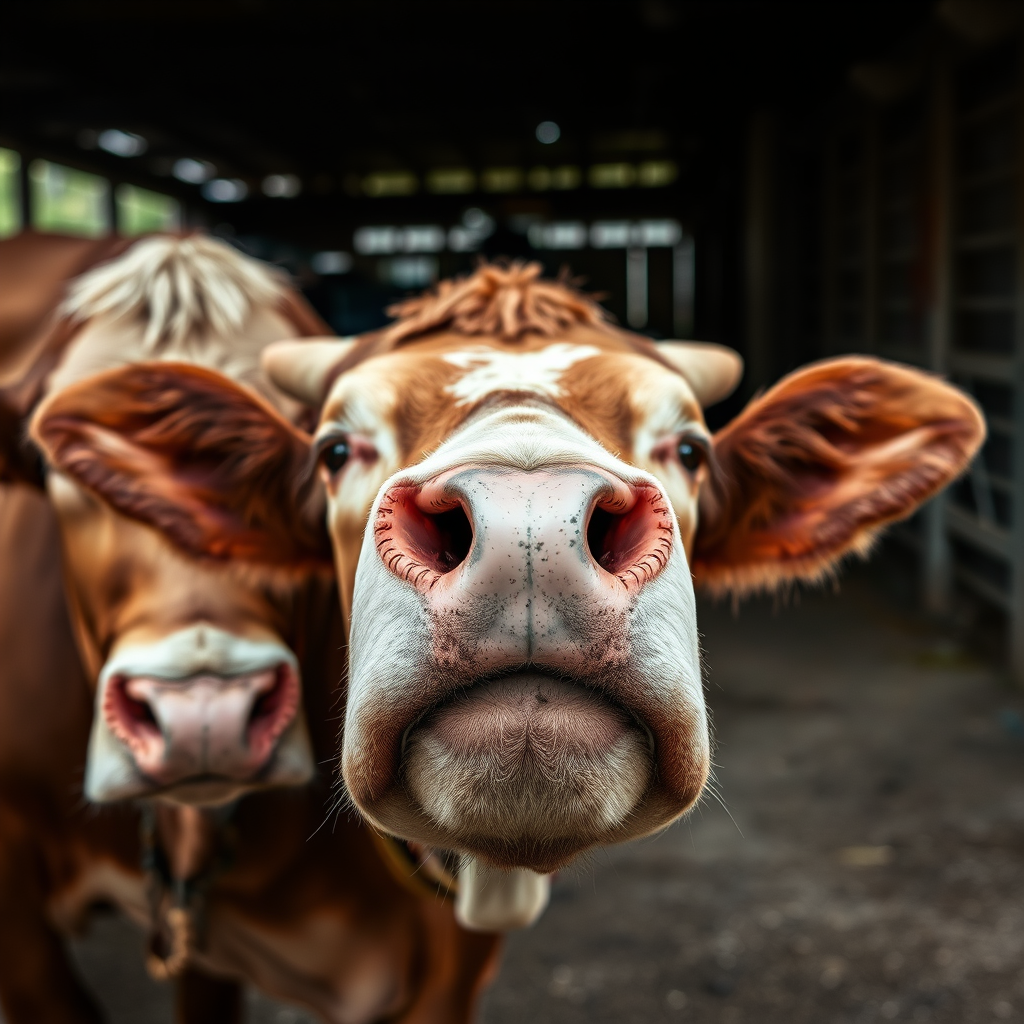
The use of nose rings in cattle management is not a modern phenomenon; it has deep historical roots. This practice can be traced back centuries, originating from ancient agricultural traditions where farmers needed effective methods to control their livestock. Various cultures have adopted the use of nose rings, often associating them with traditional techniques of cattle management.
In some societies, nose rings have cultural significance beyond mere utility. For instance, in certain regions of South Asia, nose rings are seen as a symbol of ownership and control, reflecting the deep connection between farmers and their livestock. Understanding this historical context provides insight into how agricultural practices have evolved and the lasting importance of effective livestock management tools.
Benefits of Using Nose Rings
The advantages of using nose rings are numerous and impactful. One of the foremost benefits is enhanced safety for handlers when working with large cattle. Farmers often face challenging circumstances when managing animals that can weigh upwards of 1,000 pounds. Nose rings help mitigate risks associated with handling these animals, allowing for more efficient control during routine activities such as feeding, herding, or veterinary care.
In addition to safety, nose rings improve overall management and ease of care for the animals. With nose rings in place, veterinary examinations and treatments can be conducted with greater efficiency. For instance, administering vaccinations or examining the mouth can be done more safely and effectively, leading to improved health outcomes for the cattle. Furthermore, when transporting cows, nose rings enable handlers to guide them more easily, reducing the stress associated with moving animals from one location to another.
Potential Concerns and Criticism
Despite their practical benefits, the use of nose rings is not without controversy. Animal welfare advocates express concerns regarding the discomfort and potential pain associated with the insertion of nose rings. Critics argue that the rings can cause unnecessary suffering, particularly if not fitted or maintained properly. The discomfort may be exacerbated during the initial insertion, leading to distress for the animal.
Given these concerns, it is crucial for farmers to balance effective management practices with humane treatment of animals. Implementing proper training and ensuring that nose rings are fitted correctly can help mitigate discomfort. Additionally, farmers are encouraged to stay informed about best practices and evolving standards in animal welfare to ensure that their handling methods respect the well-being of the cattle.
Alternatives to Nose Rings
As the agricultural industry continues to evolve, there is a growing interest in exploring less invasive methods of handling cattle. Alternatives such as halters, which can be more comfortable for the animal, are gaining traction among farmers. Halters allow for control without the need for invasive procedures, offering a more humane approach to managing livestock.
Moreover, training and behavior management techniques can significantly reduce reliance on nose rings. By fostering positive interactions between handlers and cows, farmers can develop trust and minimize the need for physical restraint. Techniques such as positive reinforcement training can help cows learn to respond to verbal commands or gentle cues, thereby decreasing the necessity for more invasive management tools.
Best Practices for Using Nose Rings
When the use of nose rings is deemed necessary, adhering to best practices can enhance the welfare of the animals involved. Proper placement and maintenance of nose rings are critical to ensuring the comfort of the animal. Farmers should ensure that the rings are of appropriate size and are inserted correctly to avoid causing unnecessary discomfort.
Additionally, regular checks are essential to monitor the health and well-being of cows wearing nose rings. This includes inspecting the area around the ring for signs of irritation or infection and ensuring that the ring does not cause any physical harm. By prioritizing the welfare of the animals, farmers can uphold their responsibility to treat livestock humanely while still employing effective management practices.
In summary, nose rings serve a practical purpose in cattle management, providing safety and control during handling. However, it is crucial for farmers to consider the welfare of the animals and explore alternative methods where possible. If you found this information helpful, consider sharing it with fellow farmers or animal caretakers to promote best practices in livestock management.
Frequently Asked Questions
Why do farmers put nose rings in cows?
Farmers often use nose rings in cows primarily for management and safety purposes. The rings help in controlling the animal more easily, as they provide a way to lead or restrain the cow without causing excessive stress. Additionally, nose rings can prevent cows from rooting in the ground or accessing undesirable plants, helping to maintain pasture quality.
How does a nose ring affect a cow’s behavior?
A nose ring can significantly influence a cow’s behavior by making it more manageable. Cows with nose rings tend to be easier to handle since the ring is sensitive to pressure; pulling on the ring discourages unwanted behavior like aggression or stubbornness. However, it’s essential to note that proper training and handling techniques are crucial to ensure the animal remains calm and comfortable.
What are the different types of nose rings used for cows?
There are several types of nose rings used for cows, including the standard ring, which is a simple metal hoop, and the inserted ring, which is attached through a small hole in the nasal septum. Some farmers also use various designs such as spiral or locking rings, which can offer different levels of security and control. The choice of nose ring often depends on the specific needs of the farm and the temperament of the cattle.
Are there any risks associated with using nose rings on cows?
Yes, there are potential risks associated with using nose rings on cows. If not properly fitted, a nose ring can cause injury or discomfort to the animal, leading to behavioral issues or stress. Additionally, if the ring becomes caught on an object, it could pose a serious risk of injury. Therefore, farmers should ensure that the nose rings are well-maintained, fitted correctly, and used as part of a comprehensive animal welfare strategy.
How can farmers ensure the welfare of cows with nose rings?
To ensure the welfare of cows with nose rings, farmers should prioritize proper fitting and regular checks to avoid discomfort. It’s also essential to provide adequate training for both cattle and handlers, promoting positive interactions that build trust. Moreover, farmers should monitor the cows’ behavior and health closely, ensuring that the use of nose rings does not lead to undue stress or injury, thus maintaining a high standard of animal welfare.
References
- https://en.wikipedia.org/wiki/Cattle_production_in_the_United_States
- https://www.sciencedirect.com/science/article/pii/S1871141312000780
- Frontiers | Eradication of Peste des Petits Ruminants Virus and the Wildlife-Livestock Interface
- Victorians left scrambling ahead of a snap lockdown – ABC News
- https://www.extension.harvard.edu/academic/courses/animal-science/animal-welfare-issues-in-agriculture/
- https://www.nationalgeographic.com/animals/article/the-importance-of-animal-welfare-on-farms
- https://www.ncbi.nlm.nih.gov/pmc/articles/PMC6817927/