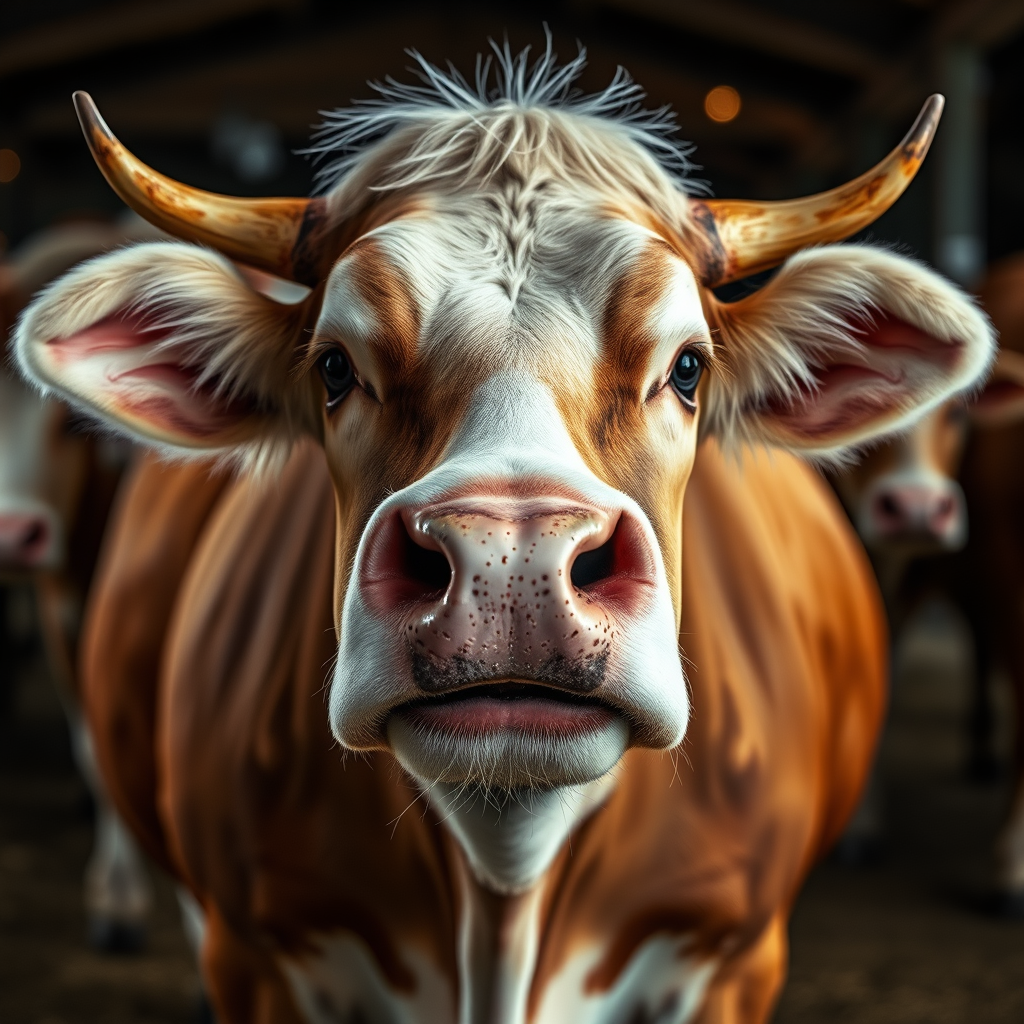
Cows have rings in their noses primarily to help manage their behavior and prevent them from rooting or escaping. This practice, commonly seen in farming, is crucial for maintaining control over these large animals, thereby ensuring the safety of both the cows and their handlers. Nose rings serve as a practical tool for farmers, allowing them to manage cattle effectively without causing undue stress or harm. In this article, we will explore the reasons behind this practice, its benefits, and how it affects both the cows and their handlers.
Understanding the Purpose of Nose Rings
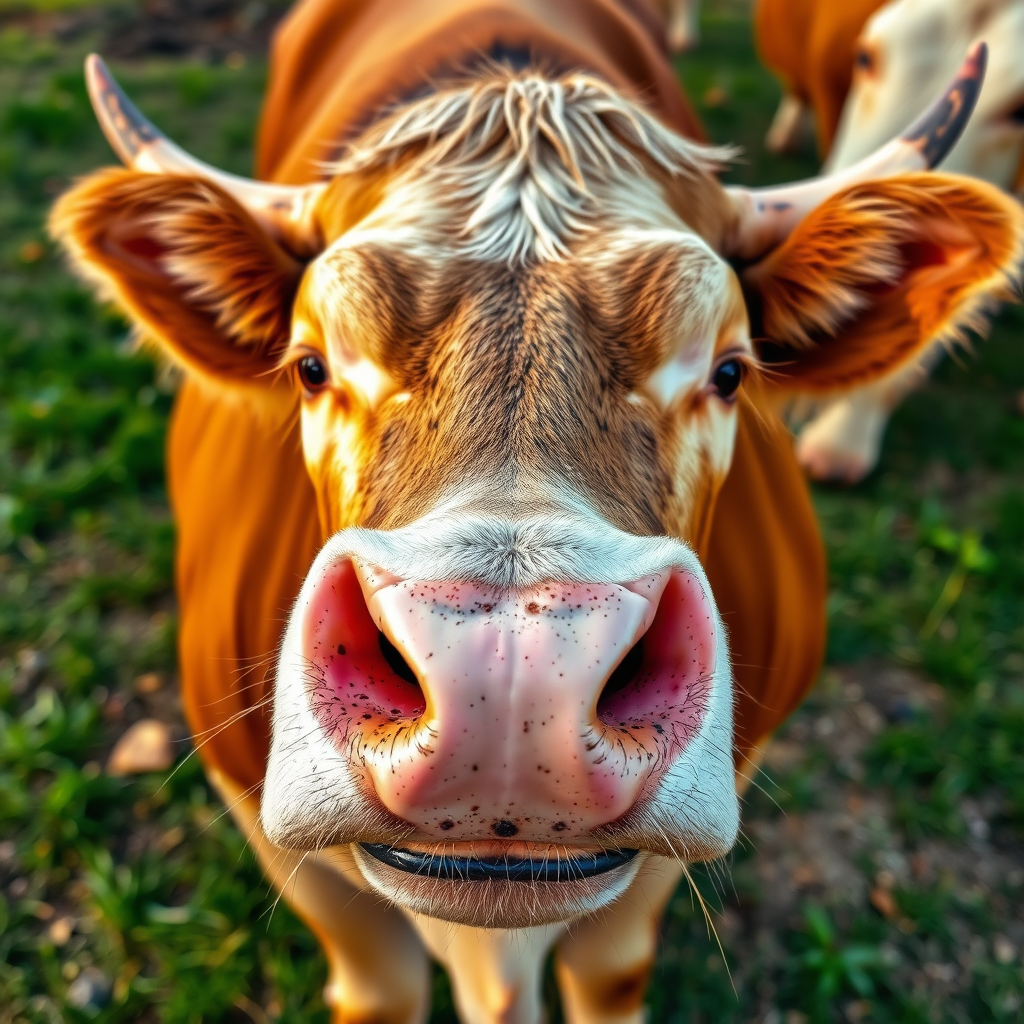
Nose rings are primarily used for restraint and control in cattle. The anatomy of a cow makes it relatively easy for them to damage property or themselves if left uncontrolled. By placing a ring in the nose, farmers can exert a level of control that is not only effective but also humane when done properly. The ring acts as a guide, helping to direct the animal’s movements and behavior, which is particularly beneficial in preventing rooting—an instinctual behavior where cows dig into the ground with their snouts in search of food or minerals.
Rooting can lead to significant damage to pastures and fields, impacting the overall health of the land and the economic viability of a farm. Additionally, by preventing escape attempts, nose rings contribute to a safer environment. When cows are managed effectively, the risk of accidents, such as injuries from collisions or falls during transport, decreases significantly, promoting a more harmonious relationship between the animals and their handlers.
The Process of Fitting Nose Rings
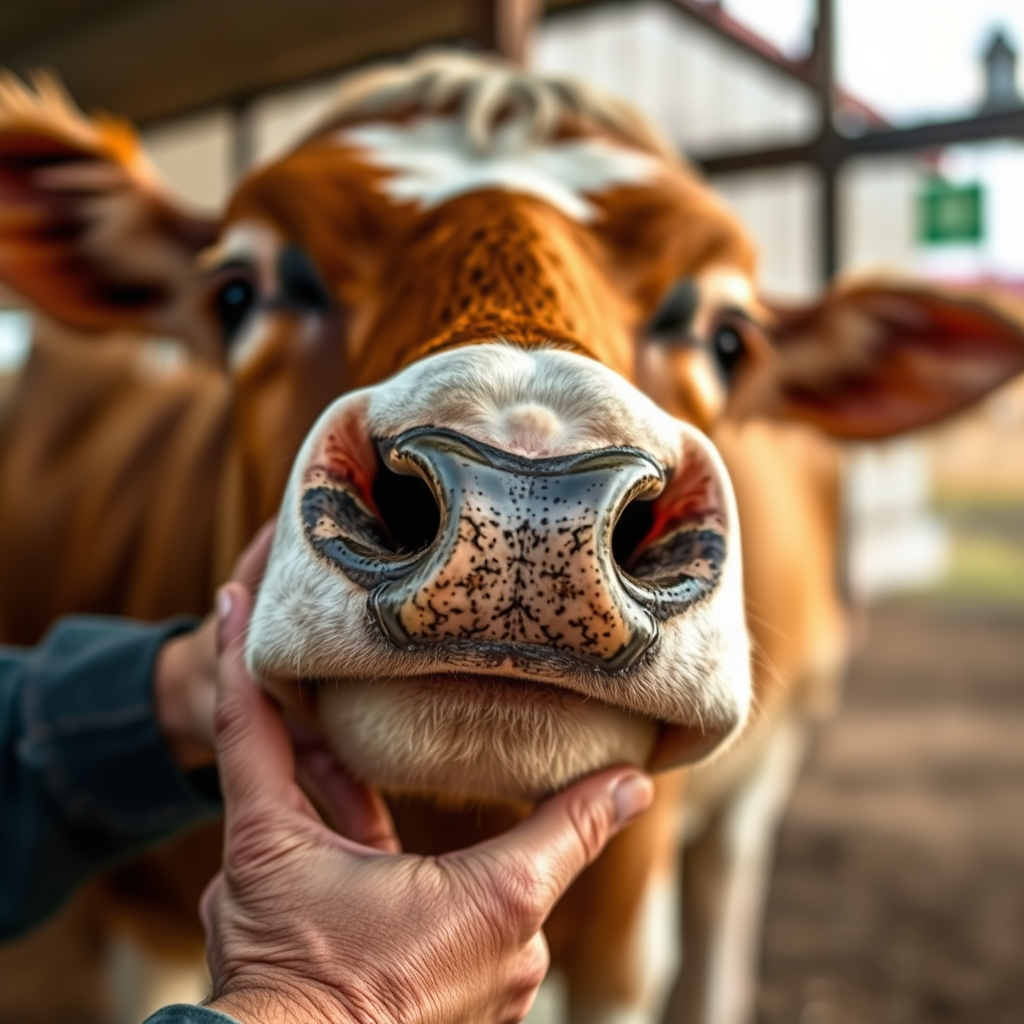
Nose rings are typically inserted when cows are young, ideally before they reach maturity. This timing helps to reduce stress associated with the procedure, as younger animals are generally more adaptable to new experiences. The fitting process involves using a specialized instrument that quickly and efficiently places the ring through the cartilage of the cow’s nose. When performed by a trained professional, this procedure is relatively painless and can be completed in a matter of minutes.
It is essential to follow proper hygiene and care protocols during the fitting process to minimize the risk of infection or complications. Farmers should ensure that the instruments used are clean and that the environment is calm to help the animal remain relaxed during the procedure. Post-insertion, monitoring the cow for any signs of discomfort is crucial to ensure its well-being.
Benefits of Using Nose Rings
The use of nose rings offers several benefits that enhance both the safety of farmers and the welfare of the cattle. One of the primary advantages is the improved management of cattle during handling, transport, and veterinary care. With a nose ring, farmers can lead cows more easily without the risk of them bolting or becoming aggressive, which can be particularly important during stressful situations like loading onto a trailer for transport.
Furthermore, the use of nose rings can significantly reduce the likelihood of injuries that might occur during routine farm operations. For instance, when cows are being handled for vaccinations or health checks, a nose ring allows farmers to guide the animal safely, reducing the risk of accidental harm to both the cow and the handler. This improvement in safety can lead to more efficient farm management practices, ultimately benefiting the economic sustainability of a farming operation.
Ethical Considerations of Nose Rings
The use of nose rings in cattle management has sparked discussions around animal welfare and the necessity of such practices in modern farming. Critics argue that any form of restraint can potentially cause stress and discomfort to the animal, raising ethical questions about the practice. However, proponents highlight that when done correctly, fitting a nose ring is a quick procedure that can enhance the overall safety and welfare of the animal.
There are also alternatives to nose rings, such as halters and other forms of restraint, which some farmers may prefer. These alternatives may offer similar or improved levels of control without the need for a piercing. However, the effectiveness of these alternatives can vary based on the individual animal’s behavior and temperament. Thus, it is essential for farmers to weigh the pros and cons of each method within the context of their specific operations and the welfare of their livestock.
Common Misconceptions About Nose Rings
Several myths surrounding nose rings contribute to misunderstandings about their purpose and impact on cattle. One common misconception is that nose rings cause significant pain and suffering to the animal. However, when inserted correctly, the process is quick and minimally invasive. The pain associated with the initial piercing is brief, and many cows adapt quickly to the presence of the ring, often showing no lasting signs of discomfort.
Another misconception is that nose rings are a form of cruel punishment. In reality, they are primarily a management tool designed to help ensure the safety of both the cow and the handler. Unlike other forms of restraint, such as tying an animal down or using harsh techniques, nose rings allow for more humane control. Understanding these differences can help farmers and stakeholders in the agricultural community communicate more effectively about the purpose and ethical considerations of using nose rings.
The Regulation and Care of Cattle with Nose Rings
Proper care and maintenance of cattle with nose rings are essential to ensure their well-being. Farmers should adhere to guidelines regarding the insertion and upkeep of the rings, which include regular checks to ensure that the ring is not causing irritation or infection. Routine veterinary examinations play a crucial role in monitoring the health of cattle with nose rings. These checks can help identify any potential problems early, allowing for timely intervention.
Farmers should also be vigilant in observing the behavior of their cattle. Signs of distress or discomfort, such as excessive rubbing of the nose or changes in eating habits, should be addressed immediately. By fostering a proactive approach to animal care, farmers can enhance the welfare of their cattle while maintaining effective management practices.
In addition, it is essential to educate farm workers about the appropriate handling of cattle with nose rings. Training programs that emphasize humane treatment and proper techniques can lead to better outcomes for both animals and handlers, promoting a culture of care and respect within agricultural operations.
In summary, nose rings serve a critical role in managing cattle behavior and ensuring safety on farms. While there are ethical discussions surrounding their use, understanding the benefits and proper care can help mitigate concerns. If you’re involved in cattle farming or simply curious, consider exploring further into best practices for animal welfare in livestock management.
Frequently Asked Questions
Why do cows have rings in their noses?
Cows have rings in their noses primarily for management purposes, particularly to control their behavior. The rings, often made of metal, are inserted through the nasal septum, allowing farmers to lead or restrain the animal easily and effectively. This practice helps prevent aggressive behaviors and allows for safer handling during veterinary care or routine activities like milking.
How does a nose ring help with cow handling?
A nose ring aids in cow handling by providing a point of leverage for farmers and handlers. When the ring is pulled, it creates discomfort, which encourages the cow to follow the handler’s cues. This method is especially useful for larger or more aggressive cows, making it easier to manage them during feeding, grooming, and transportation.
What are the benefits of using a nose ring on a cow?
The benefits of using a nose ring on a cow include enhanced safety for both the animal and the handler, improved control during handling, and reduced risk of injury. Additionally, using a nose ring can minimize stress for the animal by allowing for more efficient movement and management, ultimately contributing to better health and productivity in livestock.
Are there any concerns or risks associated with cow nose rings?
Yes, there are some concerns associated with cow nose rings. If not properly inserted or maintained, rings can cause pain or infection, leading to health issues for the animal. Additionally, some animal welfare advocates argue that nose rings may contribute to stress and discomfort, highlighting the importance of responsible use and alternative handling methods that prioritize the cow’s well-being.
Which types of cows commonly have nose rings, and is it necessary for all breeds?
Nose rings are commonly used in certain breeds of cattle, particularly those that are larger or more aggressive, such as bulls and some dairy cows. However, it is not necessary for all breeds; many farmers choose alternative methods for handling less aggressive cattle. The decision to use a nose ring should be based on the individual animal’s temperament and the specific management needs of the farm.
References
- Cattle
- https://www.extension.purdue.edu/extmedia/AS/AS-620-W.pdf
- https://www.aps.uoguelph.ca/animal-science-faqs/faq/why-do-farmers-put-rings-in-cows-noses
- https://www.cattlenetwork.com/news/cattle-news/why-do-some-cows-have-nose-rings
- https://www.theguardian.com/environment/2021/jun/23/what-does-the-future-hold-for-meat-eating
- https://www.aaalac.org/faq/faq-what-are-the-nose-rings-in-cattle-for/
- Health care workers have sacrificed their lives fighting Covid. It’s unclear how many have died.