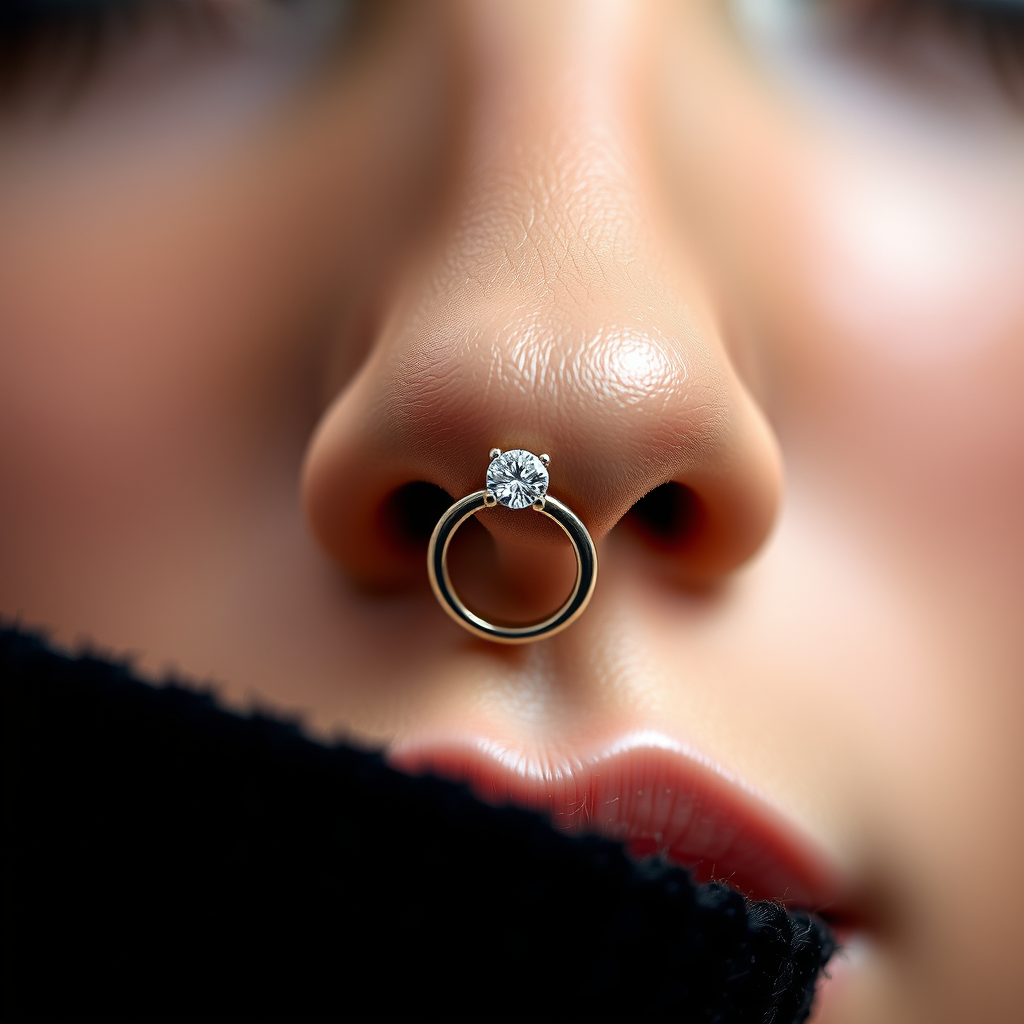
Putting in a ring nose ring can be an easy and straightforward process when done correctly at home. By following a few essential steps and maintaining a focus on hygiene, you can ensure a comfortable fit while minimizing the risk of irritation or infection. This guide will walk you through the necessary preparations, insertion techniques, and aftercare to help you navigate this process with confidence.
Gather the Necessary Supplies

To begin, it’s important to have the right tools at your disposal. Here’s what you need:
– Clean nose ring: Select a nose ring made from hypoallergenic metals, such as surgical stainless steel, titanium, or gold. Ensure that it is sterilized, either through a professional process or by soaking it in rubbing alcohol for a few minutes before use. This step is crucial to prevent infections.
– Mirror: A well-lit mirror is essential for clear visibility. Ideally, you should use a magnifying mirror to help you see your nostril and the piercing clearly, which can make the process easier and reduce the risk of mistakes.
– Clean hands: Before you start, wash your hands thoroughly with soap and warm water. This simple step is vital to avoid introducing bacteria into the piercing, which could lead to complications.
Prepare Your Nose
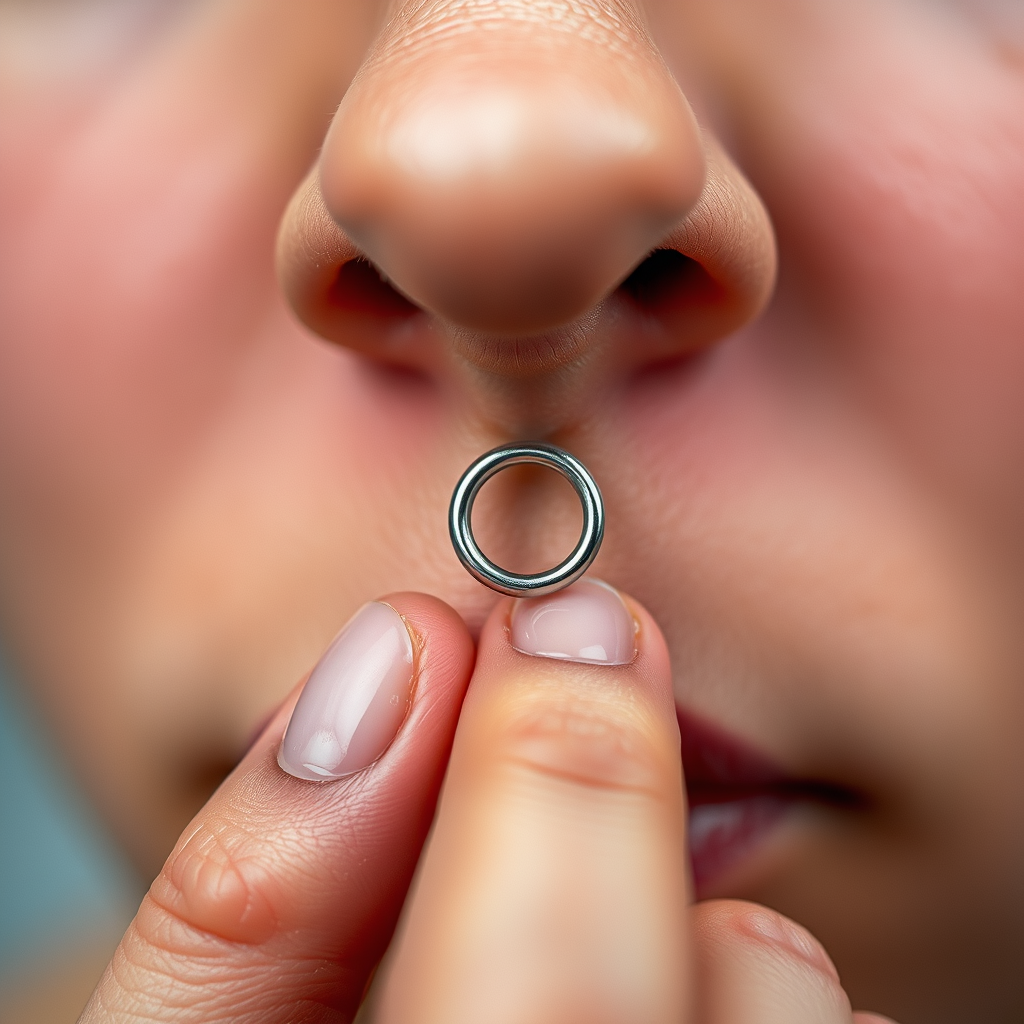
Once you have your supplies, it’s time to prepare your nose for the insertion of the ring.
– Clean the area: Use a saline solution or antibacterial wipe to clean the nostril. This will help remove any dirt or bacteria that may be present, ensuring a clean environment for the new ring. If you opt for a saline solution, you can easily make one by mixing 1/4 teaspoon of non-iodized sea salt with 1 cup of warm distilled water.
– Mark the entry point: If you’re concerned about accuracy, consider gently marking where the ring will go using a skin-safe marker. This will guide you during the insertion process and help ensure that you place the ring in the correct position.
Inserting the Ring
Now that your nose is prepared, it’s time to insert the ring.
– Angle the ring: Hold the ring at a slight angle, which can facilitate a smoother entry. This technique is particularly useful for circular rings, as angling them can prevent them from snagging on the piercing.
– Gently push: Apply gentle pressure to insert the ring through the piercing. Be mindful of any resistance you may encounter. If you feel significant resistance or pain, stop and reassess. It’s important to listen to your body and not force the ring into place, as this can cause damage to the tissue and lead to complications.
Securing the Ring
Once the ring is in place, you’ll want to ensure it is secured properly.
– Rotate the ring: After inserting the ring, carefully rotate it to ensure it sits comfortably within the nostril. This can help align the ring correctly and prevent it from pinching the surrounding skin.
– Check for movement: Gently tug on the ring to ensure that it moves freely without causing any pain or discomfort. It should feel snug but not overly tight, allowing for slight movement without irritation.
Aftercare Tips
Proper aftercare is crucial for the health of your piercing.– Clean the piercing: Use a saline solution daily to keep the area clean. This not only helps prevent infections but also promotes healing. Avoid using alcohol or hydrogen peroxide, as these can dry out the piercing and irritate the skin.
– Avoid touching: Minimize contact with the ring to prevent irritation and infection. Be cautious when applying makeup or washing your face, as these activities can introduce bacteria or cause unnecessary movement of the ring.
Troubleshooting Common Issues
Even with careful preparation, you may encounter some common issues when inserting your nose ring.
– Pain or swelling: If you experience significant discomfort, swelling, or unusual redness, consult with a professional piercer or a healthcare provider. Pain can indicate irritation, infection, or improper placement, which may need professional attention.
– Misalignment: If the ring appears crooked or misaligned, don’t hesitate to carefully remove and reinsert it. Take your time and ensure you’re in a comfortable position with good lighting to aid your efforts.
To summarize, the process of putting in a ring nose ring involves careful preparation, proper technique, and attentive aftercare. By following the steps outlined above, you can confidently insert your ring while prioritizing hygiene and care. If you have any uncertainties during the process, consider reaching out to a professional piercer for assistance to ensure a smooth and successful experience. Remember, your health and comfort should always come first.
Frequently Asked Questions
How do I properly insert a ring nose ring?
To properly insert a ring nose ring, start by washing your hands and the ring with mild soap and water to prevent infection. Gently hold your nose and locate the piercing; if it’s new, use a mirror to steady your hand. With your other hand, twist the ring to align it with the hole, and carefully insert one end into the piercing, pushing it through gently until it emerges from the other side. Make sure the ring is secure but not too tight, allowing for some movement to prevent irritation.
What type of nose ring is best for sensitive skin?
For sensitive skin, the best type of nose ring is one made from hypoallergenic materials such as titanium, surgical stainless steel, or niobium. These materials are less likely to cause allergic reactions or irritation. It’s also advisable to choose a nose ring with a smooth finish and a simple design to minimize friction against the piercing, ensuring a comfortable fit.
Why does my nose ring feel tight after inserting it?
If your nose ring feels tight after inserting it, it may be due to swelling from the recent piercing, or the ring might be too small for your piercing. Swelling is common, especially in new piercings, and can cause discomfort. If the tightness persists after the swelling subsides, consider switching to a larger gauge ring or consulting a professional piercer for advice on the best size for your healing process.
How can I avoid pain when putting in a nose ring?
To avoid pain when putting in a nose ring, ensure that your hands and the jewelry are clean to prevent infection. Using a saline solution to rinse your nose before insertion can help reduce discomfort. Additionally, try warming the ring slightly with your hands or using a lubricant like a small drop of saline solution to ease the insertion process. If you’re still experiencing pain, consider consulting a professional piercer for guidance.
Which way should the nose ring face when inserted?
When inserting a nose ring, it should face outward, meaning the decorative part of the ring should be visible from the front of your face. This alignment not only enhances the aesthetic appeal but also ensures that the ring does not irritate the skin inside the nostril. If you’re using a hoop or a stud, make sure it is positioned comfortably and securely to prevent it from moving around or getting caught on clothing.
References
- Nose piercing
- https://www.ncbi.nlm.nih.gov/pmc/articles/PMC6480148/
- https://www.healthline.com/health/nose-piercing-care
- https://www.mayoclinic.org/healthy-lifestyle/adult-health/in-depth/piercing/art-20045488
- https://www.aafp.org/pubs/afp/issues/2014/0901/p308.html