Choosing the right size nose ring is essential for ensuring both comfort and style. The ideal size will depend on various factors such as the gauge, diameter, and style of the jewelry, as well as personal preferences. Understanding these elements will help you navigate the options available and select a nose ring that fits perfectly and enhances your appearance.
Understanding Nose Ring Gauges
Nose rings are measured in gauges, which refer to the thickness of the jewelry. The gauge system is inversely proportional; therefore, lower numbers indicate thicker jewelry. For example, a 20-gauge nose ring is thinner than an 18-gauge one. Standard gauges for nose rings typically range from 20 to 18 gauge, with 20 gauge being the most common size used for nostril piercings. However, some individuals may find an 18-gauge more comfortable, especially if they have thicker skin or are prone to irritation. It is essential to consider your anatomy and personal comfort when selecting the gauge, as a ring that is too thick may cause discomfort or require excessive force during insertion.
Measuring Nose Ring Diameter
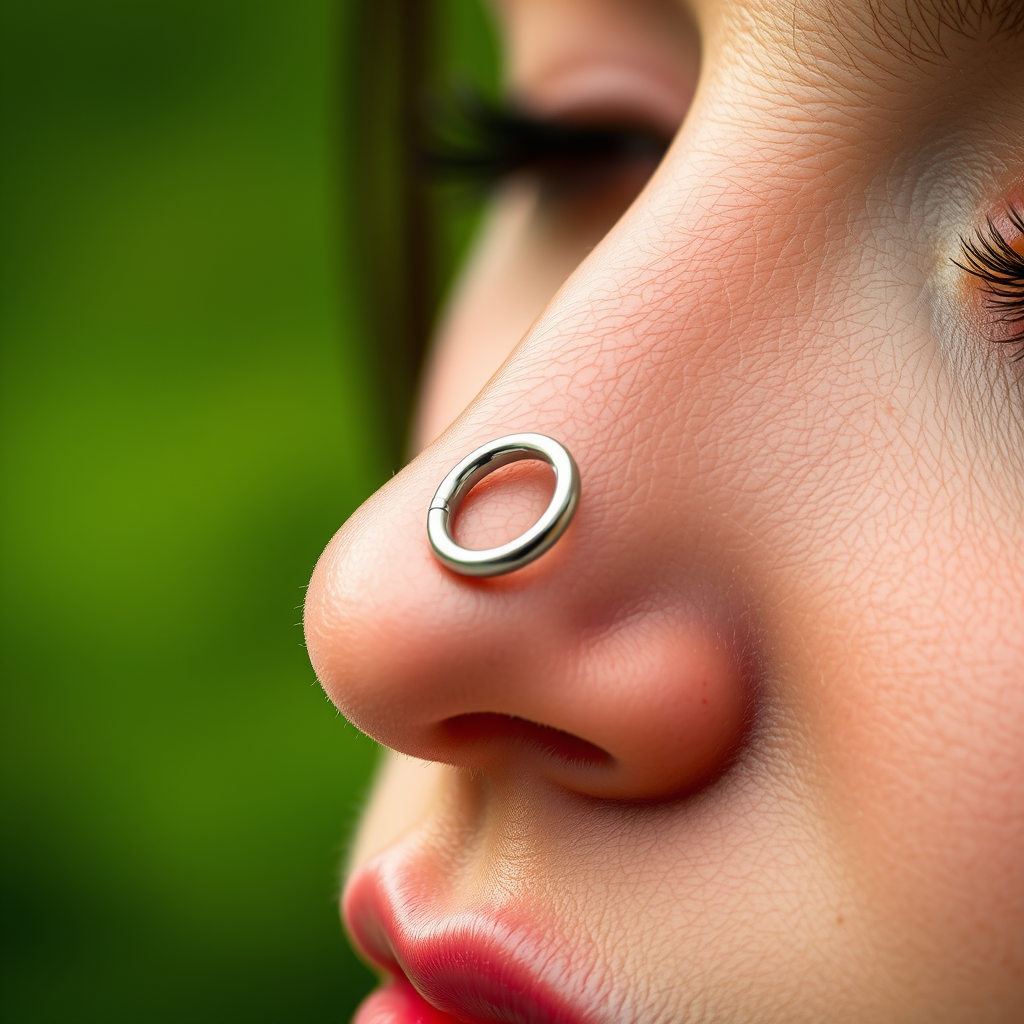
The diameter of a nose ring significantly impacts how it sits within your nostril, affecting both comfort and appearance. Common diameters for nose rings include 6mm, 8mm, and 10mm, with 8mm being the most popular choice among wearers. The right diameter allows the jewelry to sit snugly without pinching the skin or feeling loose. To determine the ideal diameter, it can be helpful to measure the distance between the outer edge of your nostril to the inside of your nostril. Keep in mind that different styles of nose rings may fit differently even if they share the same diameter, so it can be beneficial to try on several options if possible.
Choosing the Right Style
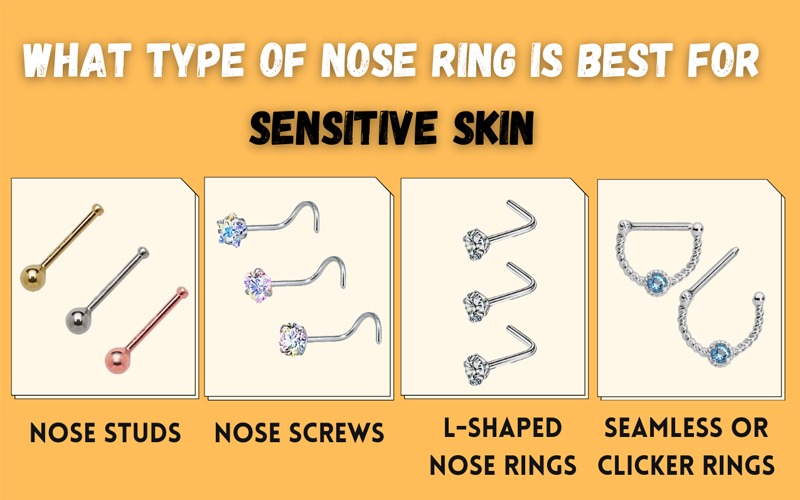
The style of the nose ring also plays a pivotal role in the overall look and comfort. Common styles include hoops, studs, and screws, each of which may have different sizing requirements. For instance, a hoop may require a larger diameter to fit comfortably around the nostril, while a stud may need to be shorter to prevent it from protruding excessively. When selecting a style, consider your aesthetic preferences and how the size complements your facial features. A larger hoop can create a bold statement, while a delicate stud may offer a subtle elegance. Ultimately, the right style should resonate with your personal taste while ensuring a comfortable fit.
Comfort and Fit Considerations
A properly sized nose ring is crucial for comfort, as an ill-fitting piece can lead to irritation, pain, or even infection. A well-fitted nose ring should allow for natural movement without pinching or pulling on the skin. When trying on a nose ring, pay attention to how it feels throughout the day. If you experience any discomfort, it may be a sign that the size is not right for you. In addition, consider the daily activities you engage in, as a larger or bulkier piece may hinder movement or get caught on clothing. Ultimately, the goal is to find a balance between style and comfort, ensuring that your nose ring enhances your look without causing distress.
Jewelry Material Options
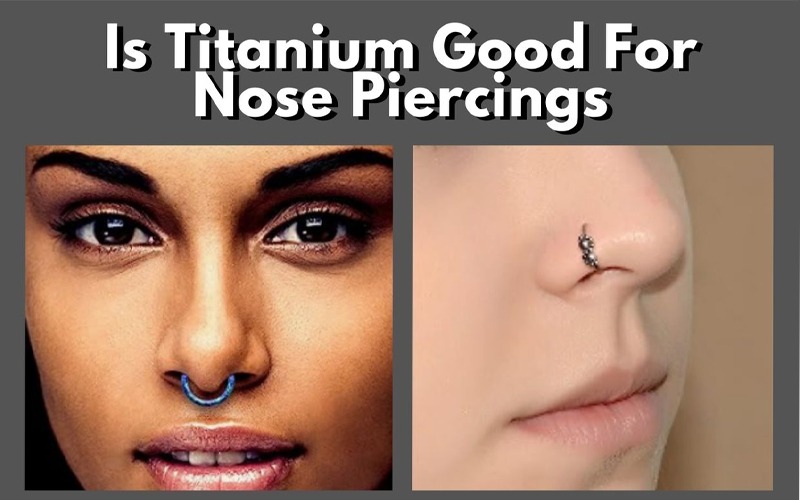
The material of the nose ring can significantly affect the overall feel and comfort level of the jewelry. Common materials include titanium, gold, stainless steel, and acrylic. Titanium is an excellent choice for those with sensitive skin, as it is hypoallergenic and resistant to corrosion. Gold, particularly in higher karats, can also be hypoallergenic, but it’s essential to ensure that it is nickel-free if you have allergies. Stainless steel is another popular option due to its durability and affordability, but some individuals may experience reactions. For those sensitive to metals, hypoallergenic options are essential to prevent allergic reactions. When choosing a material, consider your skin type and any allergies you may have to ensure a comfortable wearing experience.
Professional vs. DIY Sizing
Consulting a professional piercer is often the best way to determine the ideal size for your nose ring. A trained piercer can assess your anatomy, recommend the appropriate gauge and diameter, and help you choose a style that suits your features. Professional piercers can also provide valuable insights into proper aftercare and maintenance for your piercing. If you choose to measure at home, using a ruler or caliper for accurate dimensions is essential. Ensure that you measure carefully, keeping in mind that the size may vary slightly based on the style of the jewelry. Taking the time to get it right will lead to a more satisfying and comfortable experience.
Finding the right size nose ring is essential for both comfort and style. By understanding gauges, diameters, and materials, you can make an informed choice that enhances your look. Consider visiting a professional piercer to ensure the perfect fit or measure carefully if you’re going the DIY route. Explore your options and wear your nose ring with confidence!
Frequently Asked Questions
What size nose ring should I get for my new piercing?
Selecting the right size nose ring for your new piercing is crucial for comfort and healing. Typically, most standard nose piercings use a gauge size of 20G, which is about 0.8mm in diameter. However, it’s important to measure the thickness of your piercing and consult with your piercer to ensure you choose the best size that fits your anatomy and personal style.
How do I measure the size of my nose ring?
To measure the size of your nose ring, you’ll need a ruler or a caliper to determine both the gauge and the length. The gauge refers to the thickness of the jewelry, while the length or diameter will tell you how it fits in your piercing. For a more accurate measurement, you can also refer to a sizing chart that corresponds with standard jewelry gauges, helping you select the perfect size for your nose ring.
Why is the size of my nose ring important?
The size of your nose ring is essential for both aesthetic and health reasons. A ring that is too small can cause discomfort or irritation, while a ring that is too large may fall out or look disproportionate. Additionally, the right size helps ensure proper healing of the piercing, reducing the risk of infection or complications during the healing process.
What is the best material for a nose ring size?
The best materials for a nose ring, regardless of size, are surgical stainless steel, titanium, and gold. These materials are hypoallergenic and less likely to cause irritation or allergic reactions, making them ideal for new piercings. Choosing high-quality materials not only enhances the appearance but also promotes optimal healing and comfort.
Which nose ring style is suitable for different sizes?
Different nose ring styles can accommodate various sizes and personal preferences. For instance, stud styles are versatile and work well for smaller sizes, while larger hoops or clickers can make a bold statement. When selecting a style, consider your nose shape and size, as well as the size of the piercing, to ensure a cohesive and flattering look that enhances your features.
References
- Nose piercing
- https://www.ncbi.nlm.nih.gov/pmc/articles/PMC4193809/
- https://www.mayoclinic.org/healthy-lifestyle/adult-health/in-depth/body-piercing/art-20045881
- https://www.healthline.com/health/nose-piercing-guide
- https://www.medicalnewstoday.com/articles/what-to-know-about-nose-piercings
- https://www.thepiercingshop.com/nose-piercing-guide
- https://www.cdc.gov/nceh/lead/lead-in-water.htm