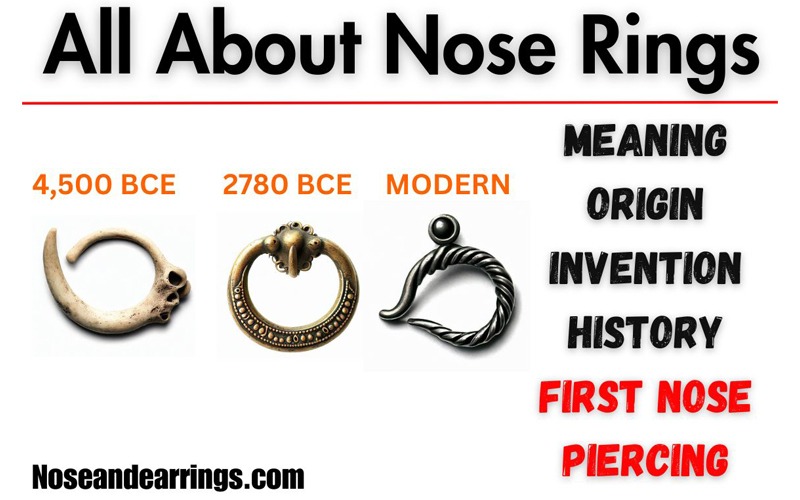
Changing a nose ring can typically be done after the piercing has fully healed, which usually takes about 4 to 6 months. However, it’s essential to assess the healing process and ensure there are no signs of infection or irritation before making the switch. In this article, we’ll explore the healing timeline, signs that you can change your nose ring, and tips for safely doing so.
Understanding the Healing Process
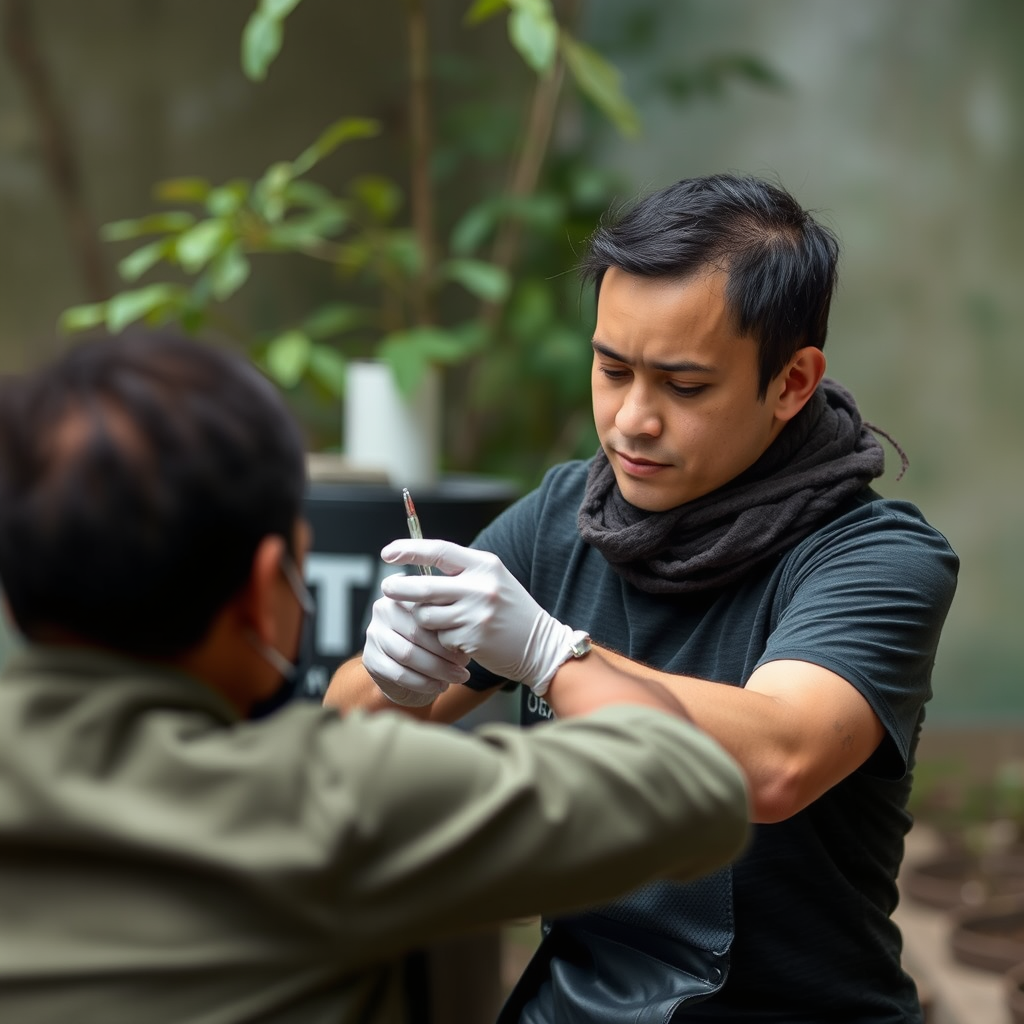
The healing process for a nose piercing can be quite variable and is influenced by several individual factors. Skin type, overall health, and how well you follow aftercare instructions all play critical roles in how quickly a piercing heals. Generally, the healing time for nostril piercings ranges from 4 to 6 months, while septum piercings tend to heal much faster, typically in about 6 to 8 weeks.
During the healing phase, the body works to repair itself, forming new tissue around the piercing. Factors such as excessive movement of the jewelry, exposure to bacteria, and the body’s natural healing capacity can either expedite or prolong this process. It is crucial to maintain proper aftercare routines, such as cleaning the piercing with saline solutions and avoiding irritants to foster an optimal healing environment.
Signs Your Nose Piercing is Healed

Before changing your nose ring, it is essential to ensure that your piercing is indeed healed. There are several indicators that can help you confirm this. Firstly, the absence of redness, swelling, or pain around the piercing site is a strong sign that healing has occurred. These symptoms are common in newly pierced noses, and their disappearance usually indicates that the tissue has formed properly around the jewelry.
Moreover, a healed piercing should feel comfortable with no discomfort or tenderness when touched. You should also notice that there is no discharge coming from the piercing — a clear sign that your body is no longer fighting an infection. If you experience any of these symptoms, it is advisable to wait longer before attempting to change your jewelry.
Best Practices for Changing Your Nose Ring
Changing your nose ring requires a meticulous approach to ensure that you do not compromise the integrity of the piercing. To start, always wash your hands thoroughly before handling your jewelry. Clean hands reduce the risk of introducing unwanted bacteria to the piercing site.
Next, take the time to clean your new jewelry. Use a gentle saline solution to rinse both the piercing and the new ring before making the switch. This practice not only helps in minimizing the risk of infection but also prepares the piercing for the new jewelry. When changing the ring, do so in a clean environment to further reduce the risk of complications.
After the jewelry is changed, it is advisable to continue rinsing the area with saline solution for a few days. This will help to flush out any bacteria that may have settled during the change and promote healing.
Types of Nose Jewelry to Consider
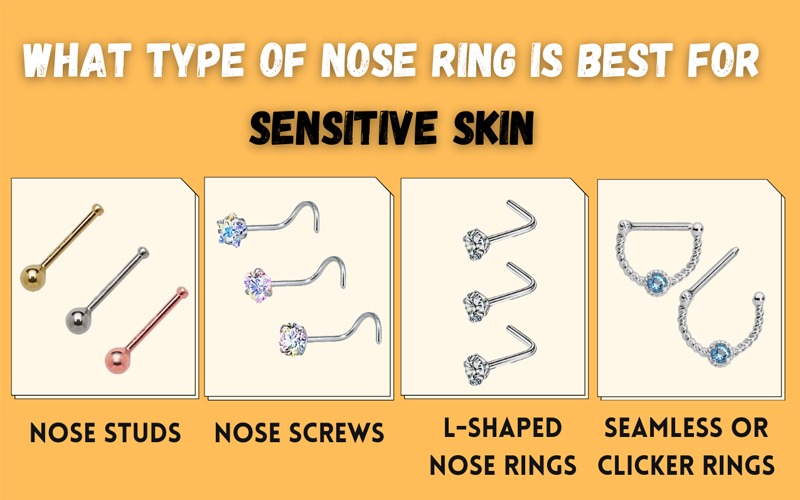
When it comes to selecting new nose jewelry, the options are plentiful, and it’s essential to choose pieces that not only suit your style but are also appropriate for your piercing type. Common styles include studs, hoops, and septum rings, each offering a unique look and feel.
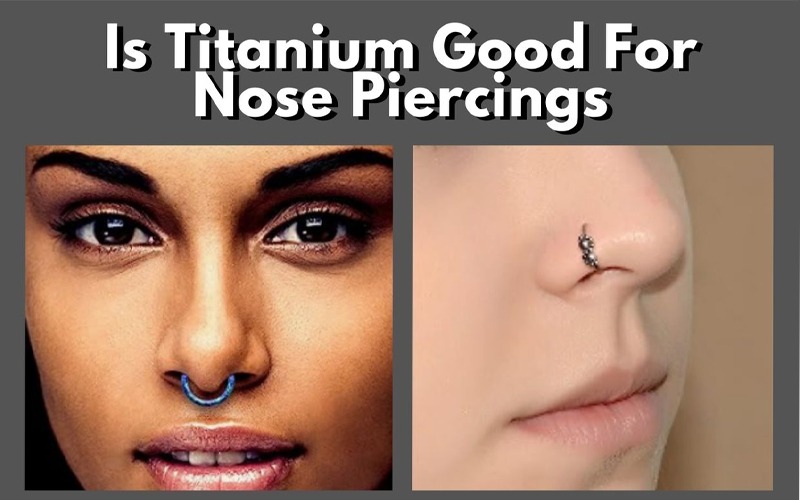
In terms of materials, always opt for hypoallergenic options such as titanium, surgical steel, or gold that is at least 14k. These materials are less likely to cause allergic reactions or irritations, making them suitable for freshly healed piercings. Avoid materials like nickel or cheap metals that can provoke reactions and complicate the healing process.
When choosing the design, consider how the shape and size of the jewelry might affect your comfort and lifestyle. For example, larger hoops may be more prone to snagging, while smaller studs can be a more subtle option but might require more frequent changes if they become uncomfortable.
Common Mistakes to Avoid
One of the most common mistakes people make is changing their nose ring too early. Doing so can lead to irritation or infection if the piercing is not fully healed. It is crucial to resist the urge to switch jewelry before the typical healing period has elapsed, as doing so can cause long-term complications.
Another mistake is neglecting proper cleaning techniques during the change. Failing to clean your hands or the jewelry can introduce bacteria into the piercing, leading to infections that could necessitate removal of the jewelry altogether.
Additionally, be cautious about using products or techniques not recommended by professionals. Avoid using alcohol or hydrogen peroxide, as these can dry out the piercing and delay the healing process. Stick to saline solutions and follow the advice of your piercer for the best outcomes.
Aftercare Tips Post-Change
Even after changing your nose ring, it is essential to maintain a robust aftercare routine. Continue to clean the area regularly with saline solution, especially in the days following the change. This routine will help keep the area free of irritants and promote healing.
Be vigilant in monitoring the piercing for any signs of irritation or infection, such as increased redness, swelling, or discharge. If you notice any of these symptoms, consult a professional piercer or healthcare provider immediately. Early intervention can often resolve issues before they escalate.
Furthermore, it’s wise to avoid sleeping on the side of the piercing for a few weeks after changing the jewelry. This careful approach minimizes pressure on the piercing and reduces the risk of irritation.
Changing a nose ring requires careful attention to the healing process and proper hygiene. By understanding when to change your jewelry and following best practices, you can enjoy your new look safely. If you’re considering a change, ensure your piercing is healed and consult with a professional piercer if you’re uncertain. Taking these steps will help you maintain a healthy and stylish nose piercing for years to come.
Frequently Asked Questions
When can I change my nose ring after getting it pierced?
You can typically change your nose ring around 4 to 6 weeks after getting the piercing, but this can vary based on individual healing rates. It’s essential to ensure that the piercing is fully healed to avoid complications such as infections or rejection. Always consult with your piercer for personalized advice regarding your specific situation.
How do I know if my nose piercing is healed enough to change the jewelry?
To determine if your nose piercing is healed, look for signs such as the absence of redness, swelling, and discharge. If you can touch the area without discomfort and it feels firm and well-healed, it may be safe to change the jewelry. However, if you’re unsure, it’s best to consult a professional piercer to avoid any potential issues.
What type of jewelry is best to use when changing my nose ring?
When changing your nose ring, it’s advisable to choose jewelry made from hypoallergenic materials such as titanium, surgical stainless steel, or gold (14k or higher). These materials minimize the risk of allergic reactions and irritation, ensuring a smooth transition and continued healing. Avoid using body jewelry made from acrylic or nickel, as these can cause complications.
Why is it important to wait before changing my nose ring?
Waiting to change your nose ring is crucial for ensuring proper healing and preventing complications. Changing jewelry too soon can lead to irritation, prolonged healing times, or even infections. The nose piercing forms a delicate tissue that needs time to adapt to the new jewelry; therefore, patience is vital for a successful healing process.
Which signs indicate that I should not change my nose ring yet?
If you experience persistent redness, swelling, pain, or unusual discharge from your nose piercing, these are signs that it is not yet ready for a jewelry change. Additionally, if the area feels warm to the touch or you experience any fever or systemic symptoms, you should wait and consult with a healthcare provider or professional piercer before attempting to change your nose ring.
References
- https://www.ncbi.nlm.nih.gov/pmc/articles/PMC6761362/
- Improving Quality by Doing Less: Overscreening | AAFP
- https://www.healthline.com/health/nose-piercing-care
- https://www.webmd.com/beauty/what-to-know-about-nose-piercing
- https://www.mayoclinic.org/healthy-lifestyle/adult-health/in-depth/piercings/art-20044586
- https://www.verywellhealth.com/the-piercing-process-5077715