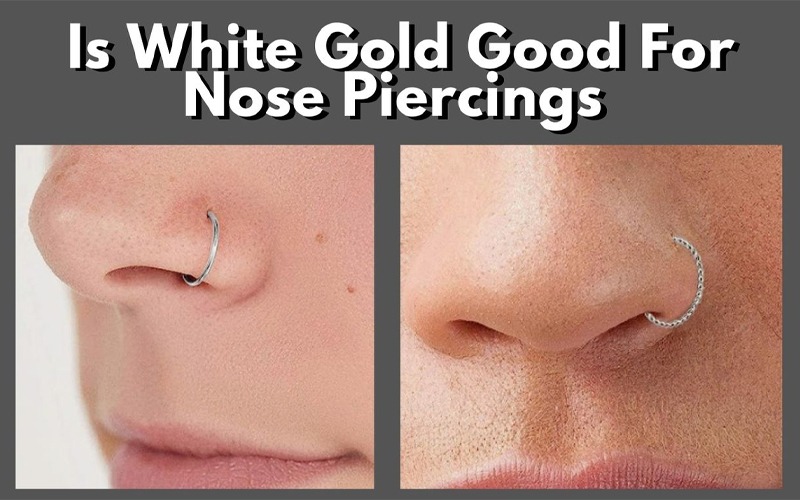
Yes, you can get your nose pierced with a ring, and many people choose this option for its unique aesthetic and versatility. However, there are crucial considerations to weigh, including the type of piercing, jewelry materials, and aftercare procedures. This article will guide you through the various aspects of getting your nose pierced with a ring, ensuring a smooth and successful experience.
Understanding Nose Piercings
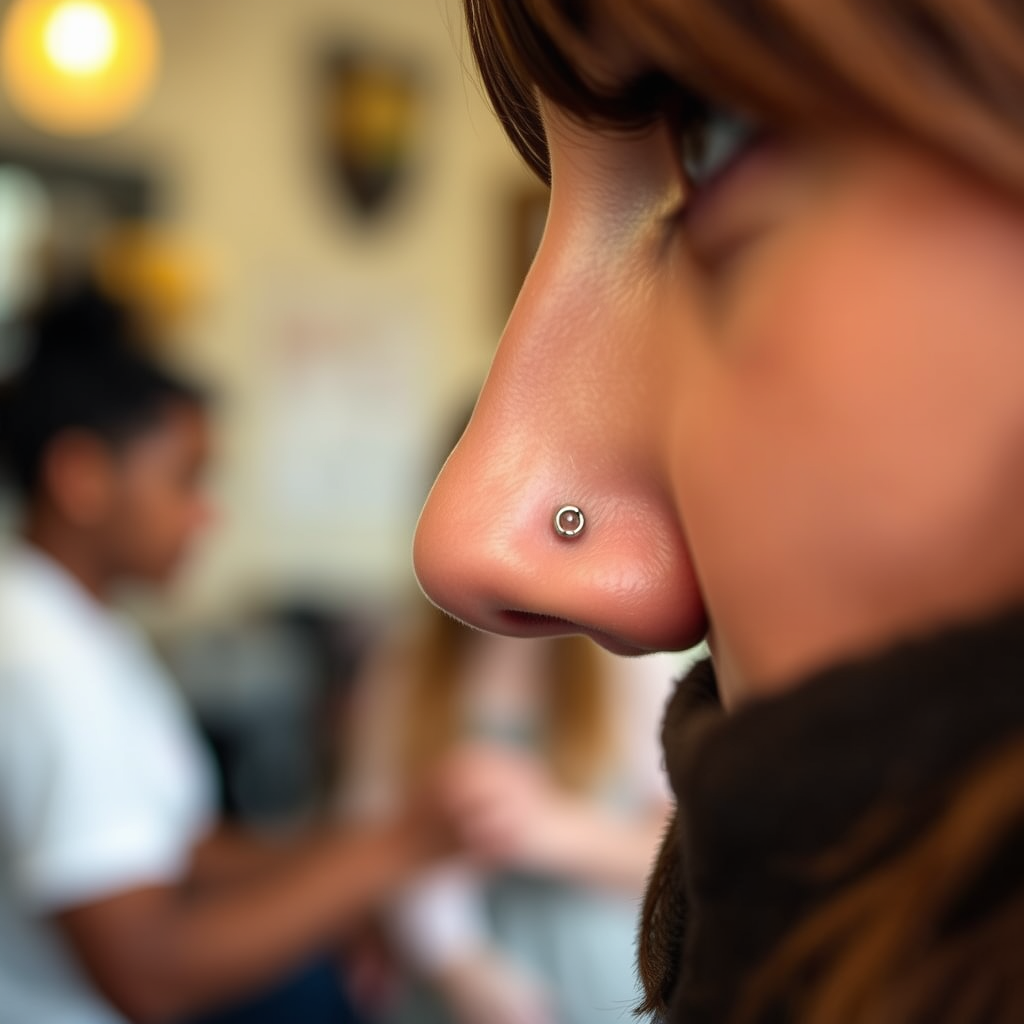
Nose piercings have gained immense popularity and can be categorized into several types, each offering its own distinct style. The most common types include:
– Nostril Piercing: This is the most frequently chosen option, typically located on the side of the nostril. It can accommodate various jewelry styles, including rings, studs, and hoops.
– Septum Piercing: This piercing goes through the cartilage that separates the nostrils and is often adorned with circular barbells or captive bead rings.
– Bridge Piercing: Located at the top of the nose, between the eyes, this piercing is less common but can be stylishly enhanced with straight or curved bars, though rings are not typically used here.
When it comes to jewelry options for nose piercings, rings are a popular choice. They can be more comfortable than studs for some individuals and offer a greater variety of designs. However, the type of ring used can affect healing and comfort, making it essential to choose wisely.
Types of Rings for Nose Piercings
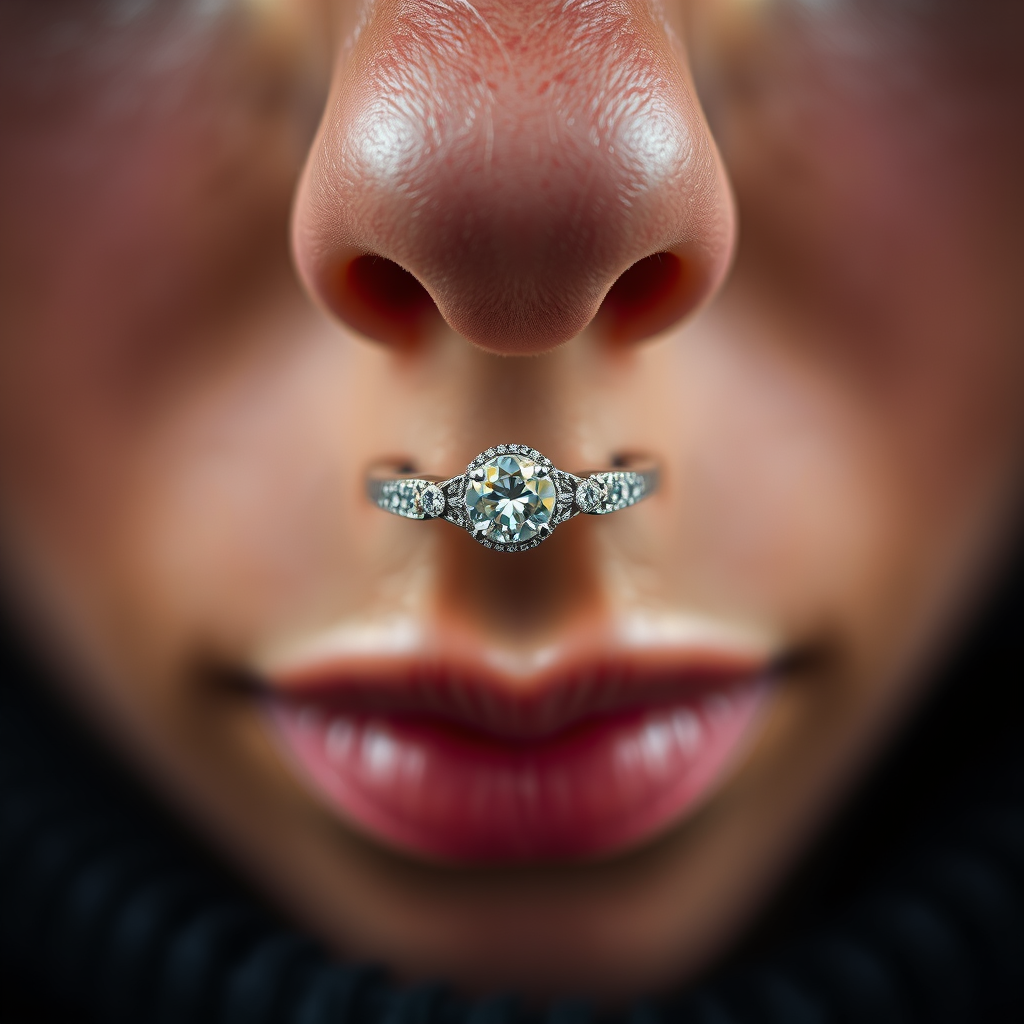
When selecting a ring for your nose piercing, you will often encounter two main types: hoop rings and captive bead rings.
– Hoop Rings: These are circular and can vary in thickness and diameter. They provide a bold look and are often favored for nostril and septum piercings. However, they can take longer to heal due to their movement during daily activities.
– Captive Bead Rings (CBRs): These feature a small bead that holds the ring in place. The bead can be removed for easier cleaning and changing of jewelry. CBRs are often recommended for both nostril and septum piercings because they minimize movement and irritation during the healing process.
The materials used for nose rings are equally important to consider. Common options include:
– Surgical Steel: A popular choice due to its durability and hypoallergenic properties, making it suitable for initial piercings.
– Titanium: Known for being lightweight and resistant to corrosion, titanium is another excellent hypoallergenic choice, ideal for sensitive skin.
– Gold: While aesthetically pleasing, it is crucial to choose high-quality gold (14k or higher) to avoid reactions. Gold is often used for those looking to add elegance to their piercing.
The Piercing Process
Understanding what to expect during the piercing appointment can alleviate anxiety and ensure a positive experience. When you arrive at the professional piercing studio, the piercer will typically:
1. Consultation: Discuss your desired piercing location and jewelry type, ensuring that you are informed about the process and aftercare.
2. Preparation: The area will be cleaned, and the piercer may mark the spot for your piercing to ensure accuracy and symmetry.
3. Piercing: Using a sterilized needle, the piercer will create the hole quickly and efficiently. Most piercers will use a needle rather than a gun as it generally results in a cleaner piercing and less trauma to the tissue.
4. Jewelry Insertion: After the piercing is complete, the chosen ring will be inserted, and the piercer will provide instructions for care.
It is essential to choose a professional service for your piercing rather than attempting a DIY method. Professional piercers are trained to follow safety protocols, minimize discomfort, and reduce the risk of complications.
Aftercare for Nose Rings
Proper aftercare is crucial for a healthy healing process. Here are essential tips to help prevent infection and promote healing:
– Cleaning: Clean the area twice daily using a saline solution or a mild sea salt solution (1/4 teaspoon of non-iodized sea salt in 8 ounces of distilled water). Use a cotton ball or clean cloth to gently apply the solution without twisting or moving the jewelry.
– Avoid Touching: Refrain from touching your nose or jewelry with unwashed hands to minimize the risk of introducing bacteria.
– Avoid Swimming: Stay away from pools, hot tubs, and natural bodies of water until the piercing has fully healed to prevent exposure to bacteria.
– Watch for Irritants: Avoid harsh skin products, makeup, and excessive movement of the jewelry during the initial healing period.
Healing Time and Considerations
Healing times for nose piercings can vary based on the type of piercing and individual healing capabilities. Generally, nostril piercings take about 2 to 4 months to heal, while septum piercings may take 6 to 8 weeks. It’s essential to be patient and consistent with aftercare during this period.
During the healing process, keep an eye out for signs of complications, such as:
– Excessive redness or swelling
– Pus or foul-smelling discharge
– Persistent pain or tenderness
If you notice any of these symptoms, consult your piercer or a healthcare professional to address potential issues before they escalate.
Switching Jewelry: When and How
Once your nose piercing has fully healed, you may decide to switch your ring. Generally, it is safe to change your jewelry after the initial healing period has concluded, but always ensure that the area is clean before you do so.
When selecting new jewelry, consider the following tips to avoid irritation:
– Choose Hypoallergenic Materials: Continue to opt for materials such as titanium or surgical steel to minimize the risk of allergic reactions.
– Size Matters: Ensure the ring is the appropriate gauge and diameter to avoid discomfort or irritation.
– Gradual Changes: If you are switching from a hoop to a stud or vice versa, consider making gradual changes to allow your body to adjust.
By following these guidelines, you can enjoy a beautiful, well-cared-for nose piercing.
In summary, getting your nose pierced with a ring is not only possible but can also be a stylish choice when done with care. Understanding the types of piercings and rings available, following proper aftercare, and being aware of healing processes will contribute to a successful piercing experience. If you have any questions or would like to share your own experiences with nose piercings, feel free to leave a comment below!
Frequently Asked Questions
Can you get a nose pierced with a ring instead of a stud?
Yes, you can get a nose piercing with a ring instead of a stud, but it largely depends on the type of piercing you are getting. Many piercers recommend starting with a stud for initial healing, as it tends to be less irritating. However, if you prefer a ring, make sure to choose a high-quality piece made of materials such as titanium or surgical steel to minimize the risk of infection and irritation during the healing process.
What are the benefits of getting a nose ring instead of a stud for a new piercing?
One of the benefits of getting a nose ring instead of a stud is that rings can often provide a more aesthetic appearance right from the start, particularly if you prefer that style. Additionally, rings offer versatility; you can easily switch them out for different designs or sizes once your piercing has healed. However, keep in mind that rings may be more challenging during the initial healing phase, as they can move around more than studs.
How long should you wait before switching to a ring after getting a nose piercing?
Generally, it’s recommended to wait at least 6 to 8 weeks before switching to a ring after getting a nose piercing. This timeframe allows your piercing to heal sufficiently, reducing the risk of complications or irritation. Always consult with your professional piercer for personalized advice, as individual healing times can vary based on skin type and aftercare practices.
Why is a stud often recommended for initial nose piercings instead of a ring?
A stud is often recommended for initial nose piercings because it tends to be more stable, reducing the likelihood of movement and irritation during the healing process. Studs also typically have a flatter back, which minimizes the chance of snagging on clothing or hair. This stability allows for a more controlled healing environment, which is crucial for ensuring proper recovery.
What type of nose ring is best to use after the initial healing period?
After the initial healing period, the best type of nose ring to use is one made from high-quality materials such as titanium, surgical stainless steel, or gold. These materials are hypoallergenic and less likely to cause irritation. Additionally, consider the style of the ring—hoops, captive bead rings, and seamless rings are all popular options, so choose one that complements your personal style while ensuring comfort and ease of wear.
References
- Nose piercing
- https://www.healthline.com/health/nose-piercing
- https://www.medicalnewstoday.com/articles/320455
- https://www.mayoclinic.org/healthy-lifestyle/adult-health/in-depth/piercing/art-20044735
- https://www.verywellhealth.com/nose-piercing-5116960