A nose ring symbolizes various meanings across different cultures and personal expressions, often representing individuality, rebellion, or cultural heritage. This adornment has diverse interpretations that span centuries, reflecting not only personal style but also deep-seated cultural traditions. In this article, you will explore the historical significance of nose rings, their cultural interpretations, and how they are perceived in modern society.
Historical Significance of Nose Rings
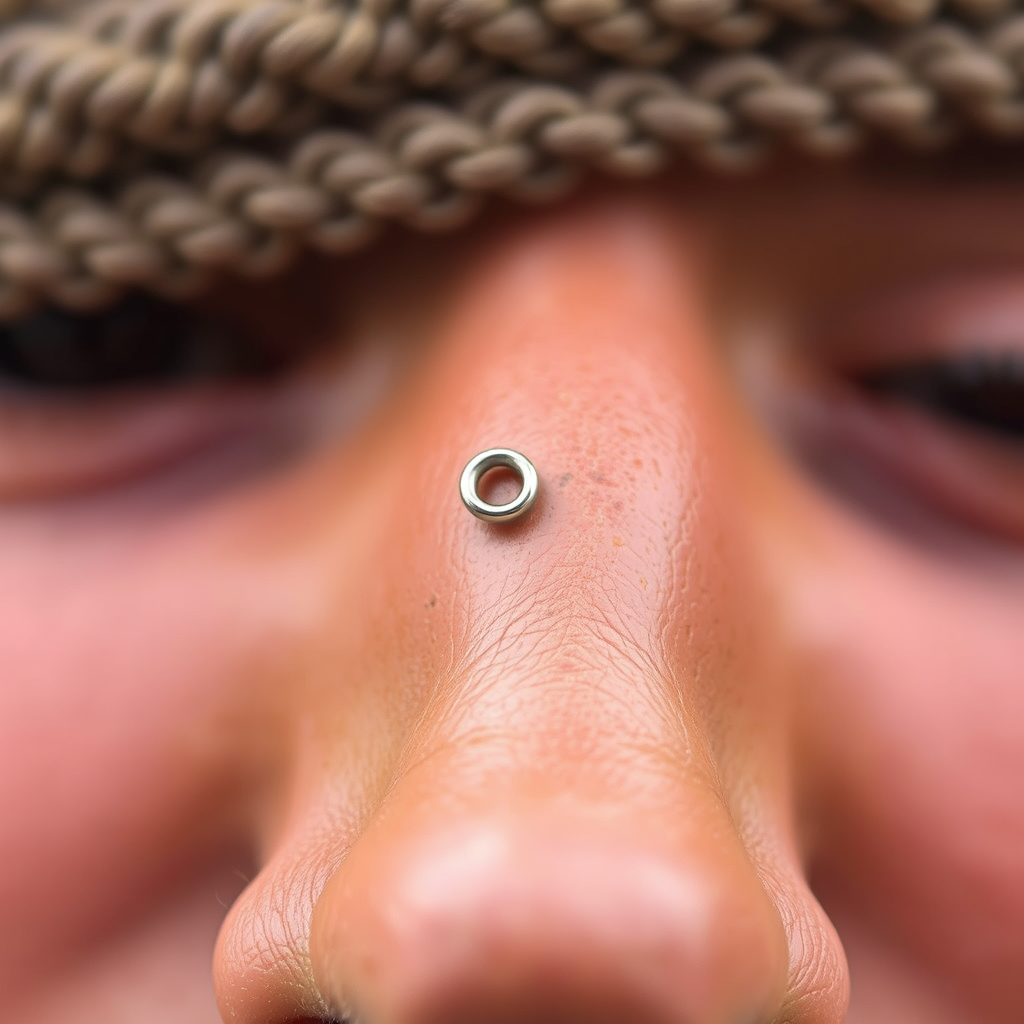
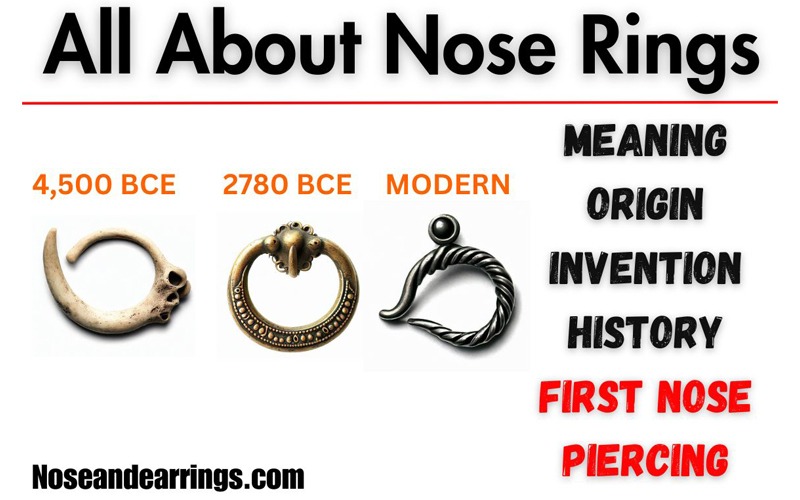
Nose rings have been worn for thousands of years, with origins traced back to ancient civilizations like the Indus Valley, where they were commonly used as a form of adornment. Archaeological findings indicate that as early as 4,000 years ago, women in this region were wearing nose rings made from various materials, including gold, silver, and gemstones. In some cultures, such as those in the Middle East and Africa, nose rings were seen as symbols of wealth and status, often crafted from precious metals and adorned with intricate designs.
In ancient Hebrew texts, references to nose rings can be found, indicating their significance in historical customs. Additionally, in some tribal societies, the act of piercing the nose and wearing a ring was part of initiation rites, marking a young individual’s transition into adulthood. These historical contexts highlight how nose rings have been more than mere fashion statements; they have played crucial roles in cultural identity and social stratification throughout history.
Cultural Interpretations

Across various cultures, nose rings hold specific meanings and are often tied to significant life events. In many South Asian cultures, for instance, nose rings are an integral part of bridal attire during weddings, symbolizing marital status and purity. A bride’s nose ring often signifies her commitment and the transition into a new phase of life. Traditionally, the size and design of the nose ring can also reflect the bride’s family background and social standing, making it a significant cultural artifact.
Indigenous cultures may utilize nose rings as indicators of tribal identity or rites of passage. For example, in certain African tribes, the wearing of a nose ring can signify belonging to a specific group, with designs varying to reflect tribal affiliation. In these contexts, the nose ring is not merely an accessory but a representation of cultural heritage and community ties, illustrating how deeply embedded these practices are in societal norms.
Personal Expression and Identity
In contemporary settings, many individuals choose to wear nose rings as a form of self-expression, reflecting their personal style and beliefs. The choice of jewelry can convey messages about one’s identity, including gender expression, personal values, and lifestyle choices. For some, a nose ring may symbolize empowerment and independence, while for others, it represents a connection to their cultural roots or a celebration of individuality.
The versatility of nose rings—from stud styles to hoops—allows wearers to select pieces that resonate with their personal aesthetic. This adaptability has led to a growing acceptance of nose rings across various demographics, underscoring the idea that jewelry can serve as a powerful medium for self-representation. As social norms continue to evolve, the significance of nose rings in personal identity remains a dynamic and important aspect of contemporary fashion.
Rebellion and Nonconformity
For some individuals, a nose ring represents a rejection of societal norms, embracing a more alternative lifestyle. The choice to pierce one’s nose and adorn it with a ring can be a bold statement against conventional standards of beauty and conformity. This act of rebellion is often intertwined with broader movements advocating for authenticity and individualism, particularly among younger generations who seek to challenge traditional aesthetics.
In many urban environments, nose rings have become symbols of counter-culture movements, often associated with artistic communities and subcultures. The act of wearing a nose ring can signify a desire to break away from mainstream expectations, celebrating diversity in forms of expression. This nonconformity is often celebrated in art, music, and fashion, reinforcing the idea that personal choices in adornment can convey deeper messages about societal values and individual beliefs.
Modern Trends and Popularity
In recent years, nose rings have gained significant popularity in contemporary fashion, appealing to a broad audience that includes a range of ages and styles. The rise of social media influencers has played a pivotal role in normalizing and popularizing nose rings, with platforms like Instagram and TikTok showcasing diverse individuals sporting various styles. This visibility has contributed to a cultural shift, making nose rings more accepted in professional settings and mainstream fashion.
Fashion designers have also embraced the nose ring trend, incorporating them into runway shows and editorial shoots, thereby reinforcing their status as a fashionable accessory. Various styles, from minimalist studs to elaborate hoops, have made nose rings a versatile choice for self-expression, enabling wearers to curate their looks based on personal preference. This burgeoning trend demonstrates how cultural artifacts can evolve, adapting to modern contexts while retaining their historical significance.
Care and Maintenance of Nose Rings
Proper cleaning and care are essential to prevent infections and ensure the longevity of the jewelry. New piercings, in particular, require meticulous hygiene practices, including regular cleaning with saline solutions or specialized aftercare products recommended by professional piercers. It is vital to avoid touching the piercing with unwashed hands and to refrain from changing jewelry too soon after the initial piercing to minimize complications.
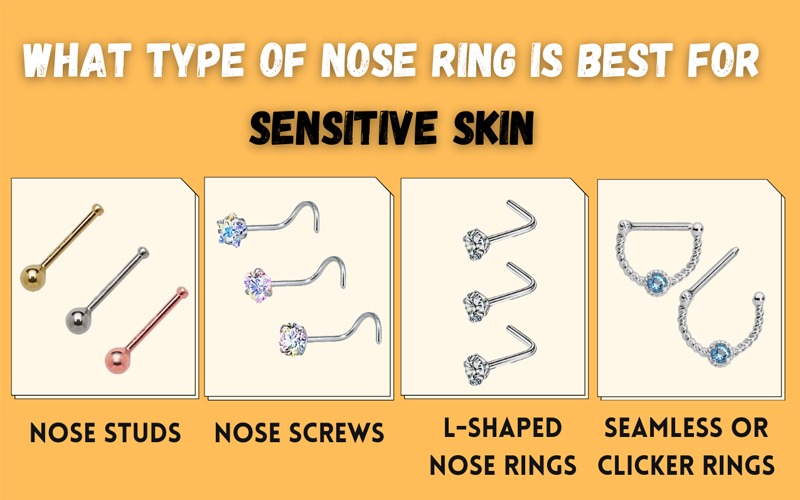
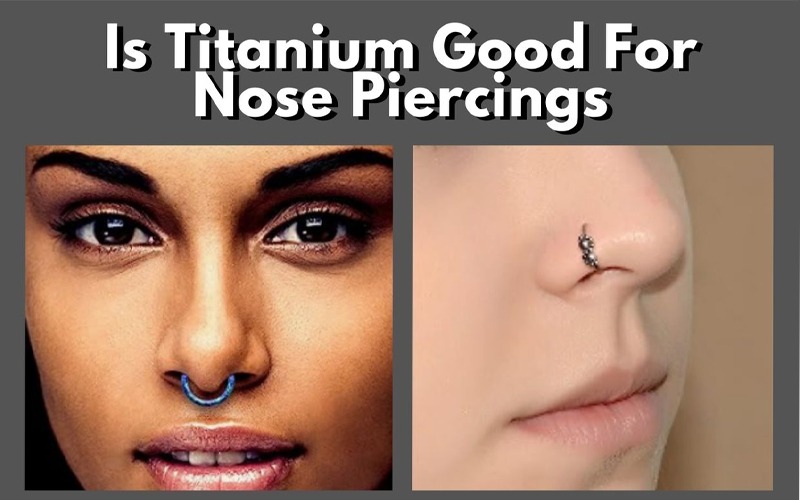
Choosing high-quality materials, such as surgical stainless steel, titanium, or gold, can significantly reduce the risk of allergic reactions and enhance comfort. These materials are less likely to cause irritations, making them ideal for sensitive skin. Regularly inspecting the jewelry for wear and tear can also ensure that the nose ring remains safe and aesthetically pleasing over time.
How to Choose the Right Nose Ring
When selecting a nose ring, it is important to consider various factors, including material, size, and style, to find a piece that suits your personality and lifestyle. Consulting with a professional piercer can provide invaluable insights into the best options for placement and jewelry types, ensuring a comfortable and stylish fit.
Potential wearers should also think about how the nose ring will complement their overall look and lifestyle. For example, individuals with active lifestyles may prefer more secure styles like studs, while those inclined towards bold fashion statements might opt for larger hoops or decorative designs. Understanding these elements can enhance the wearing experience and ensure that the nose ring serves its intended purpose as a form of self-expression.
Wearing a nose ring has deep cultural roots and diverse meanings, from personal expression to societal rebellion. As trends evolve, understanding the significance behind this adornment can enhance your appreciation of its role in fashion and identity. By considering the historical context, cultural implications, and personal motivations, individuals can make informed choices about embracing this unique form of self-expression.
Frequently Asked Questions
What does a nose ring symbolize in different cultures?
A nose ring can symbolize various meanings across cultures. In some Indian cultures, it represents marital status and is traditionally worn by married women as part of their bridal attire. In other cultures, such as in some African and Indigenous communities, nose rings can signify social status, tribal identity, or rites of passage. Understanding these cultural implications can enrich the appreciation of nose rings beyond mere fashion.
Why do people get nose rings?
People choose to get nose rings for a variety of reasons, including personal expression, aesthetics, and cultural significance. For many, a nose ring serves as a form of self-identity or rebellion against societal norms. Additionally, nose rings are often seen as a fashion statement, allowing individuals to showcase their unique style and enhance their overall appearance.
How does a nose ring impact professional image?
The impact of a nose ring on professional image can vary significantly across industries and workplaces. In more conservative environments, a nose ring might be viewed as unprofessional, while creative fields may embrace it as a form of self-expression. It’s essential for individuals to consider their workplace culture and industry norms before deciding to wear a nose ring to ensure it aligns with their professional image.
What types of nose rings are available and which is best for beginners?
There are several types of nose rings available, including studs, hoops, and septum rings. For beginners, a stud or a small hoop is often recommended as they are easy to wear and less likely to snag on clothing. Additionally, materials like surgical stainless steel or titanium are best for initial piercings, as they are hypoallergenic and minimize the risk of irritation.
Which nose ring styles are trending in 2023?
In 2023, several nose ring styles are trending, including minimalist studs, delicate chains, and colorful gemstone accents. Hoops, particularly in unique shapes or designs, are also gaining popularity. Moreover, layering multiple nose piercings with different styles has become a fashionable choice, allowing for personalized expression while keeping the look fresh and trendy.
References
- Nose ring
- https://www.bbc.com/culture/article/20180502-why-nose-piercing-is-a-sign-of-strength
- https://www.ncbi.nlm.nih.gov/pmc/articles/PMC5613079/
- 80+ Psychology Jobs: What You Can Do With a Psychology Degree
- https://www.mentalfloss.com/article/609206/the-history-of-nose-piercings
- https://www.huffpost.com/entry/nose-piercings-meanings_n_5b180b06e4b0c48c5b9b0e3c
- https://www.psychologytoday.com/us/blog/embodied-identity/202005/the-meaning-of-piercings
- https://www.healthline.com/health/nose-piercing-history