To successfully put in a curved nose ring, start by ensuring your hands and the jewelry are clean to prevent infection. The process involves gently inserting the curved ring through your piercing, allowing it to follow the natural contour of your nostril. This guide will provide you with detailed steps and tips to make the process easier and more comfortable, ensuring that your new accessory enhances your personal style without causing any discomfort.
Understanding the Curved Nose Ring

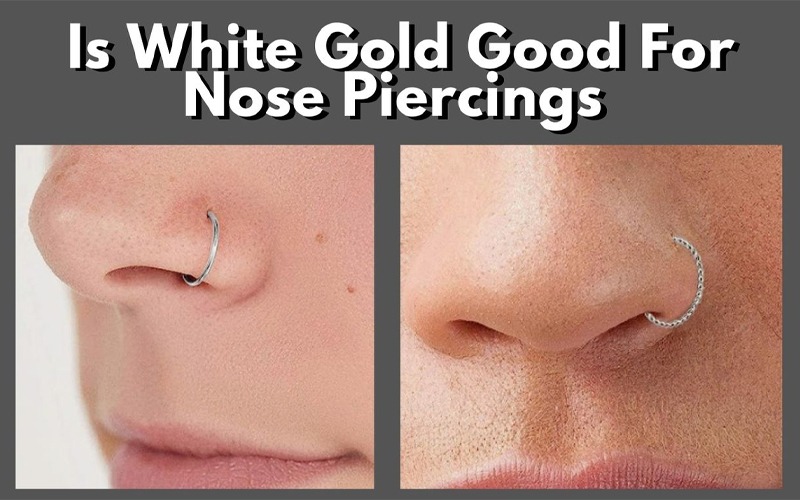
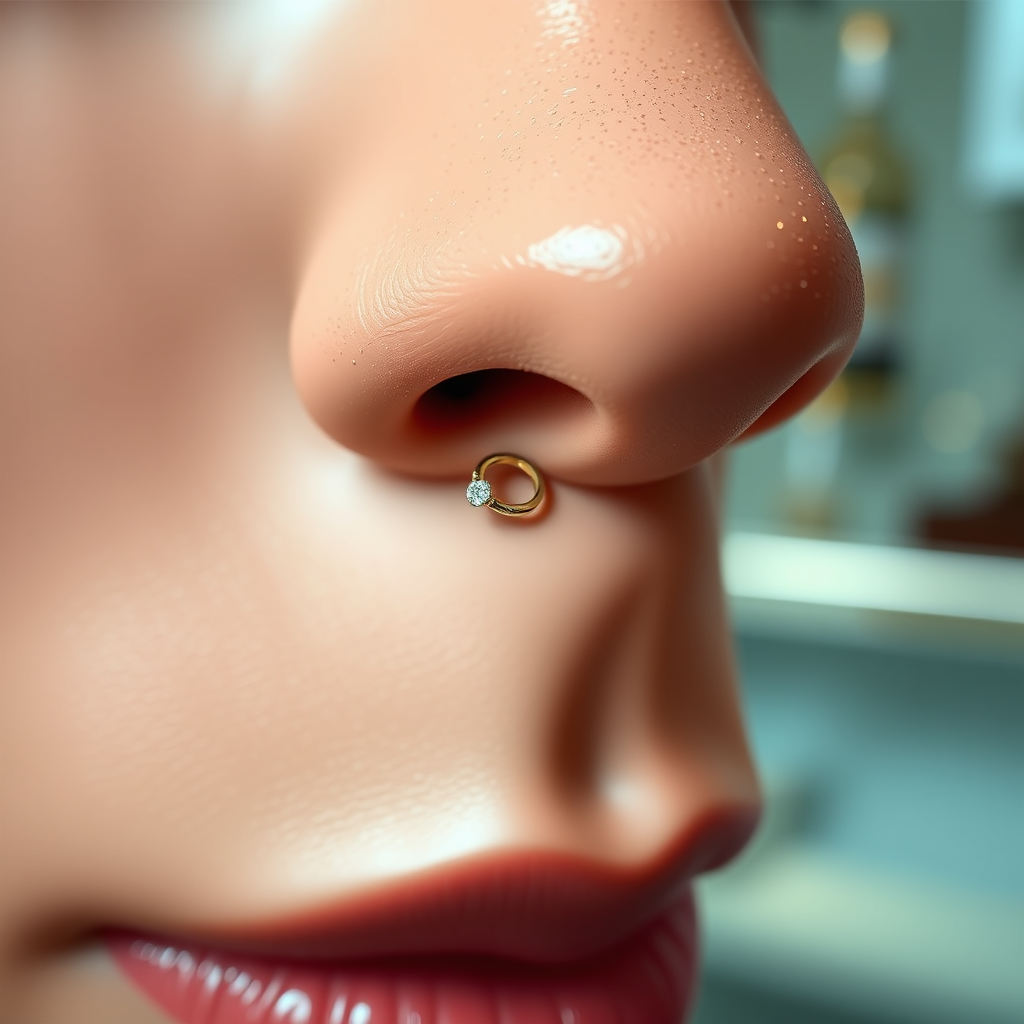
Curved nose rings, also known as hoop nose rings or circular barbells, are a popular choice among piercing enthusiasts due to their unique aesthetic appeal. They come in various styles, including simple metal designs, embellished versions with gemstones, and even intricate designs that reflect cultural significance. When selecting a curved nose ring, consider the material it is made from, as options like surgical steel, titanium, and gold can vary in terms of comfort and sensitivity. It’s important to choose a ring that not only complements your personal aesthetic but also is safe for your skin type.
Familiarizing yourself with the anatomy of your nostril is essential when inserting a curved nose ring. The nostril has a natural curve, and understanding this curve will help you determine how the ring should fit. A well-placed nose ring should sit snugly against the nostril without causing any pressure or irritation. This understanding can help prevent discomfort during the insertion process and ensure that the jewelry remains in place.
Preparing for Insertion
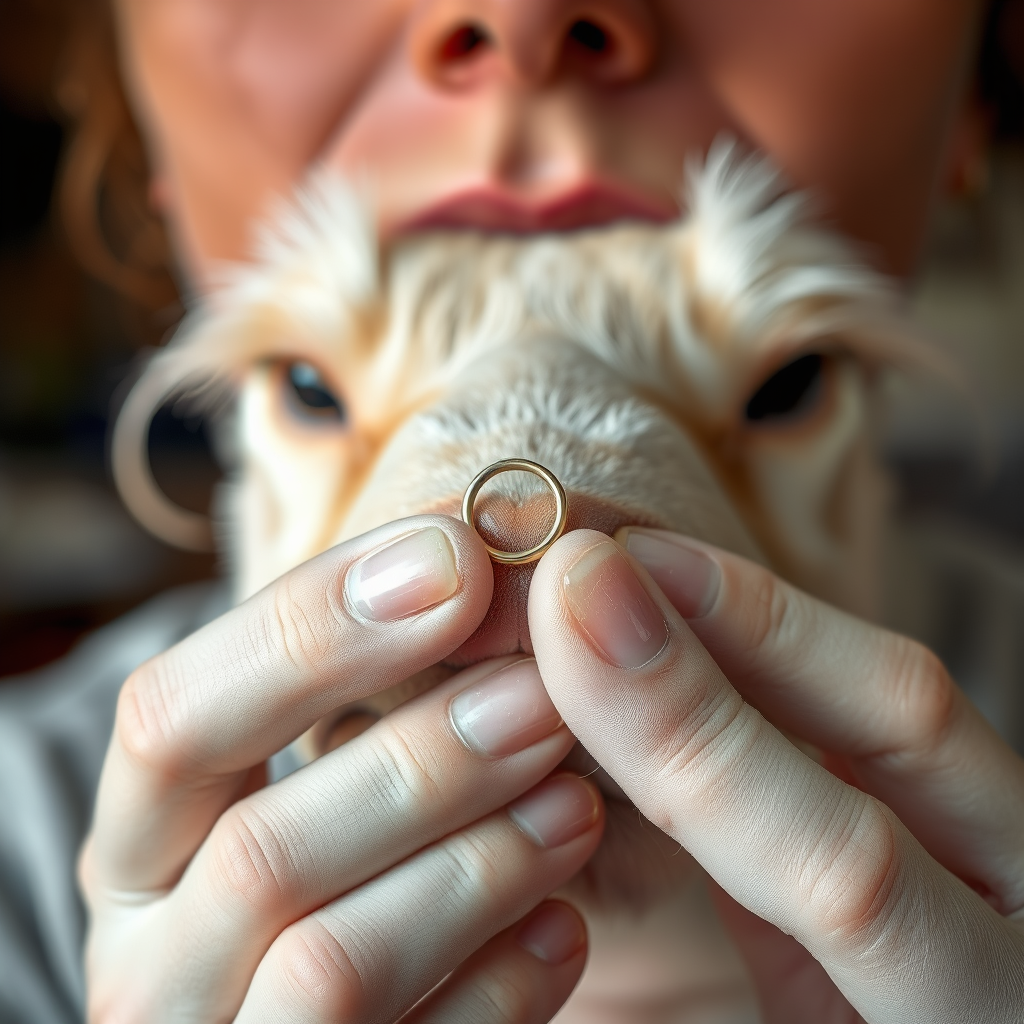
Before you begin the insertion process, it is crucial to prioritize hygiene. Start by washing your hands thoroughly with soap and water for at least 20 seconds. This step is vital to avoid introducing bacteria that can lead to infections. After ensuring your hands are clean, it’s time to prepare your piercing. Use a saline solution or a mild antiseptic to cleanse the area around your nose piercing. This not only helps to reduce the risk of infection but also facilitates a smoother insertion process by ensuring that any debris or buildup around the piercing is cleared away.
Having a clean workspace is also beneficial. Consider using a clean towel or tissue to hold your ring and any cleaning solutions. Additionally, make sure you are in a well-lit area so you can clearly see the piercing and the jewelry, minimizing the chances of accidents during insertion.
Inserting the Curved Nose Ring
With everything prepared, it’s time to insert the curved nose ring. Begin by holding the ring by its ends, ensuring that you have a firm but gentle grip. The pointed end of the ring is designed to facilitate the insertion into the piercing. Position the pointed end at the entrance of your nostril, angling it slightly to follow the natural curve of your nostril.
As you begin to insert the ring, do so with a gentle motion. If you feel resistance, do not force the ring through; instead, try rotating it slightly. This motion can help the ring navigate through the hole without causing discomfort. It’s important to remain calm and patient during this process, as rushing can lead to mistakes or discomfort. If you feel any sharp pain, stop and reassess your approach before proceeding.
Adjusting for Comfort
Once the ring has been successfully inserted, it’s essential to ensure that it sits comfortably and aligns with the curve of your nostril. Take a moment to examine the placement in a mirror. The ring should not feel tight against the skin, nor should it be loose enough to move around excessively. If the ring feels uncomfortable or painful, gently remove it and reinsert it, adjusting the angle as necessary.
If you find that you are consistently unable to achieve a comfortable fit, it may be worth consulting a professional piercer. They can provide guidance on the best techniques for inserting a curved nose ring and can help assess whether the jewelry is the right size and style for your piercing.
Aftercare Tips
Proper aftercare is crucial in maintaining the health of your new piercing and ensuring a smooth healing process. Avoid touching or twisting the ring frequently, as this can introduce bacteria and lead to irritation or infection. Instead, resist the urge to fiddle with it, allowing your body to heal naturally.Cleaning the piercing daily with a saline solution is recommended for the first few weeks post-insertion. Saline helps to keep the area clean and promotes healing. To create a saline solution, mix 1/4 teaspoon of non-iodized sea salt in 8 ounces of distilled water. Use a clean cotton ball or gauze to gently dab the saline solution around the piercing, being careful not to apply too much pressure.
Additionally, avoid exposing your new piercing to pools, hot tubs, or other bodies of water until it has fully healed, as these environments can harbor bacteria that may lead to infection.
Troubleshooting Common Issues
Despite your best efforts, you may encounter some common issues when inserting or wearing a curved nose ring. If the ring doesn’t seem to fit properly, first check the size of the ring. Curved nose rings come in various diameters and thicknesses, and it may be that the ring you are using is not suited for your specific piercing. If you suspect this to be the case, try a different size or style to see if it resolves the issue.
If you experience excessive pain, swelling, or discharge from the piercing site, it may indicate an infection or irritation. In such cases, it is crucial to consult with a healthcare professional or a qualified piercer who can provide appropriate advice and treatment options. Ignoring these symptoms can lead to more severe complications, so it’s best to be proactive about your health.
In summary, putting in a curved nose ring can be a straightforward process when approached with care and attention to hygiene. By following the steps outlined in this guide, you can ensure a smooth insertion and a comfortable experience. Remember to practice good aftercare and consult professionals when needed to maintain the health of your piercing and enjoy your new jewelry for years to come.
Frequently Asked Questions
How do I prepare to put a curved nose ring in?
Before putting in a curved nose ring, ensure that your hands are clean to prevent any infection. Gather all your materials, including the curved nose ring and a mirror for better visibility. It’s also advisable to apply a small amount of lubricant, such as a saline solution or a piercing-specific lubricant, to help ease the insertion of the ring. Additionally, if your piercing is new, consult with your piercer to confirm that it’s healed enough for a jewelry change.
What is the easiest way to insert a curved nose ring?
The easiest way to insert a curved nose ring is to gently grasp the ends of the ring and position it at the entrance of your nostril. Slowly and carefully slide the tip of the ring through the piercing hole at an angle to follow the curve, allowing the thicker end to come through last. If you encounter resistance, do not force it; instead, try adjusting the angle or using a lubricant to facilitate the process.
Why does my curved nose ring hurt when I try to put it in?
If your curved nose ring hurts when trying to insert it, it could be due to a few reasons. The piercing may not be fully healed, which can cause sensitivity and discomfort. Additionally, using a ring that is too thick or heavy for your piercing can lead to pain. Always ensure your jewelry is appropriate for your specific piercing and consider consulting a professional piercer if you experience persistent pain.
What type of curved nose ring is best for daily wear?
The best type of curved nose ring for daily wear is typically made from hypoallergenic materials such as surgical stainless steel, titanium, or gold. These materials minimize the risk of irritation or allergic reactions, especially for sensitive skin. Moreover, choose a lightweight design that won’t weigh down your piercing, and ensure that the curvature suits your nostril shape for a comfortable fit.
Which aftercare steps should I follow after changing to a curved nose ring?
After changing to a curved nose ring, it’s crucial to follow proper aftercare to prevent infection and promote healing. Clean the area around the piercing with saline solution or a gentle saline spray twice daily. Avoid touching your nose unnecessarily and refrain from swimming or using public pools for at least a month. If you notice any signs of infection, such as excessive redness, swelling, or discharge, consult your piercer or a healthcare professional for advice.
References
- https://en.wikipedia.org/wiki/Nose_piercing
- https://www.ncbi.nlm.nih.gov/pmc/articles/PMC5730905/
- https://www.hopkinsmedicine.org/health/wellness-and-prevention/piercings-and-tattoos
- https://www.healthline.com/health/nose-piercing
- https://www.verywellhealth.com/nose-piercing-aftercare-5187662