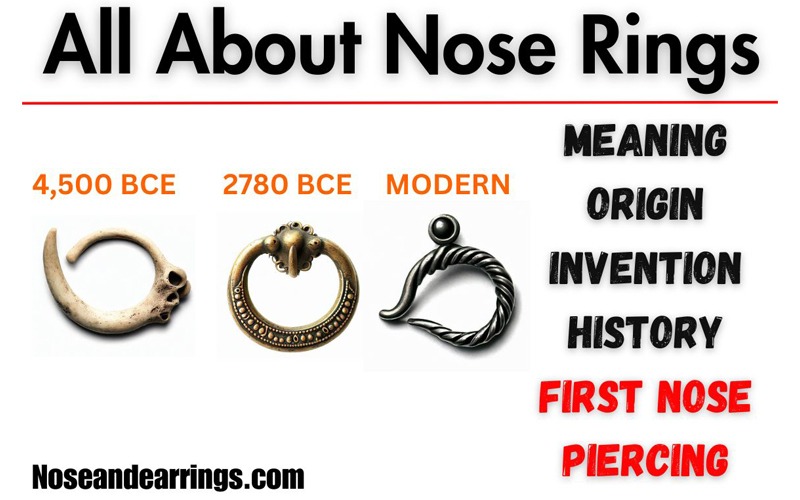
The smallest nose ring size typically ranges from 20 gauge (0.8 mm) to 22 gauge (0.6 mm), with 22 gauge being the most common for those seeking the smallest options. Understanding the nuances of nose ring sizes is essential for both comfort and style, especially for those new to body jewelry. In this comprehensive guide, we will delve into the various sizes of nose rings, their measurements, and the implications for comfort and style, equipping you with the knowledge to make informed decisions about your piercing.
Understanding Nose Ring Gauges

Nose ring gauges measure the thickness of the jewelry; a lower number indicates a thicker piece. The gauge system is a standardized method used in body jewelry that can often confuse newcomers. For instance, a 20 gauge nose ring has a thickness of 0.8 mm, while a 22 gauge is thinner at 0.6 mm. In some cases, individuals may even opt for a 24 gauge (0.5 mm) for very small or delicate piercings, especially in the case of those with smaller nostrils or a preference for less noticeable jewelry. It is crucial to note that the choice of gauge affects not only the aesthetic but also the healing process; smaller gauges can sometimes lead to increased irritation if not cared for properly.
Measuring Nose Ring Sizes
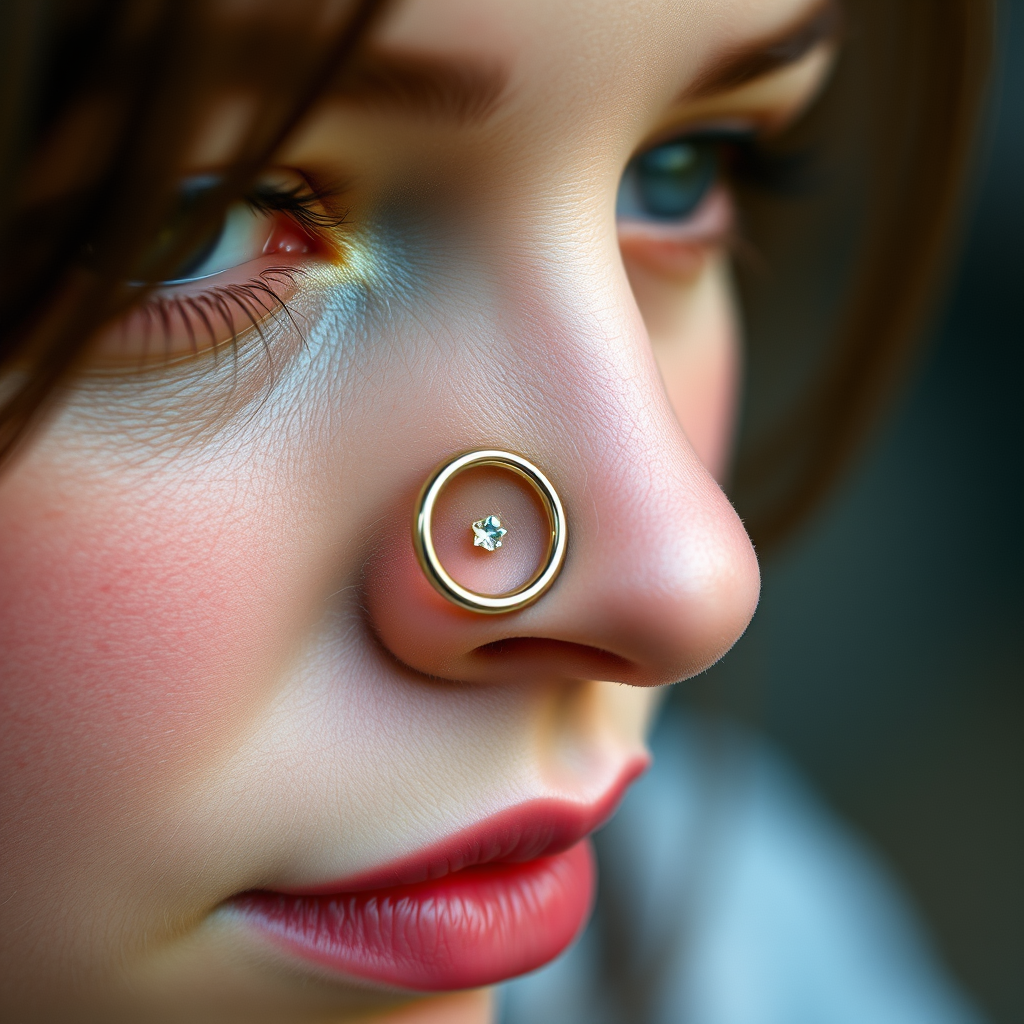
Nose ring sizes are usually measured in millimeters (mm), which provide a precise understanding of the diameter of the jewelry. To convert gauge sizes to millimeters, it’s important to refer to a gauge conversion chart, as the relationship between gauge and mm is not linear. For example, 20 gauge is 0.8 mm, while 22 gauge is 0.6 mm. This knowledge is particularly useful when shopping for nose rings online or at stores, as it helps you gauge the correct fit without having to physically try on the jewelry. When measuring, consider the specific anatomy of your nostril; accurate measurement can help prevent discomfort or the need for jewelry resizing after purchase.
Different Types of Nose Rings
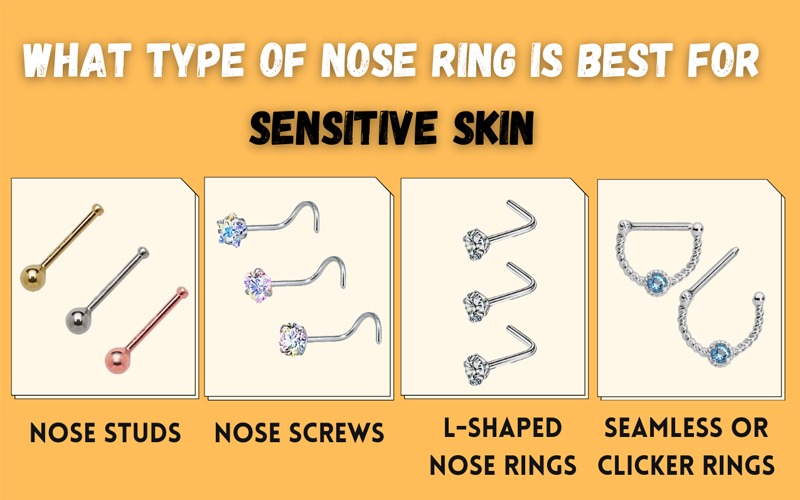
Nose rings come in various styles, each offering different aesthetics and levels of comfort.
– Studs: Simple and elegant, nose studs are often preferred for their minimal appearance. They provide a discreet option that can be worn in professional settings while still allowing for personal expression. Studs can be crafted in various materials and can feature gemstones or decorative elements for added flair.
– Hoops: Available in various sizes, nose hoops can add a unique touch to your look. Smaller versions of hoops can be more challenging to find, but they provide an alternative to studs for those who prefer a circular design. A well-fitted hoop can offer a more dynamic style while maintaining comfort if the correct gauge is chosen.
Exploring the different types of nose rings can help you decide which design resonates with your personal style, as well as which will be most comfortable for daily wear.
Choosing the Right Material
The materials used in nose rings significantly affect both comfort and durability. Common materials include:
– Stainless Steel: Known for its strength and resistance to tarnishing, stainless steel is a popular choice for those with sensitive skin. However, ensure that it is labeled as surgical-grade to minimize the risk of allergic reactions.
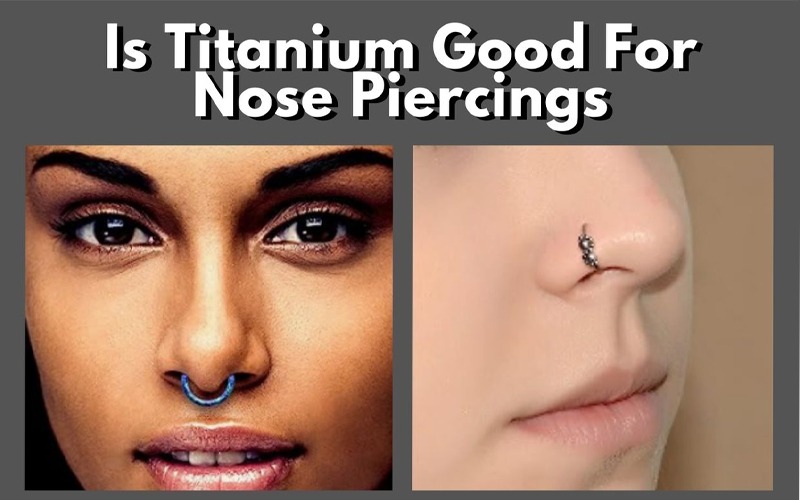
– Titanium: This lightweight metal is hypoallergenic and highly resistant to corrosion. Titanium rings are an excellent option for those prone to allergies or sensitivities, making them suitable for new piercings.
– Gold: Available in various karats, gold nose rings offer a classic and luxurious appearance. Opting for solid gold, particularly 14k or higher, can provide a safe choice for individuals with sensitive skin, though caution is advised as some lower-quality gold may contain nickel.
– Bioplast: A flexible and lightweight alternative, bioplast is ideal for initial piercings as it minimizes irritation and promotes healing. This material can be particularly beneficial for those who engage in sports or active lifestyles.
When selecting a material, consider your own skin sensitivity, lifestyle, and how often you plan to change your jewelry.
Comfort and Healing Considerations
Choosing the right size is crucial for comfort, especially during the healing process. Smaller sizes can be more comfortable for some individuals, but they may also be more prone to irritation, particularly if the jewelry is not properly fitted. The healing period for nostril piercings typically ranges from 4 to 6 months, during which time proper aftercare is critical.
To ensure comfort and successful healing, consider the following:
– Aftercare: Clean the area with saline solution or a recommended aftercare product to prevent infection. Avoid touching or twisting the jewelry, as this can introduce bacteria and irritate the piercing.
– Monitor Symptoms: Look for signs of irritation or infection, such as excessive redness, swelling, or discharge. If any concerning symptoms arise, consult a professional piercer or healthcare provider promptly.
– Avoid Tight Fitting: When selecting a ring, ensure it is not too tight, as swelling can occur during the healing process. A properly sized ring allows for slight movement, reducing the risk of irritation.
Style and Personal Expression
The size and style of your nose ring can significantly impact your overall look, serving as a powerful form of personal expression. Smaller rings, such as 22 gauge studs, can provide a subtle accent that complements your features without overwhelming your face. In contrast, larger hoops or decorative studs can make a bolder statement, drawing attention and showcasing your unique personality.
When considering style, think about your daily wardrobe, the occasions for which you wear jewelry, and how a nose ring fits into your overall aesthetic. For example, if you prefer a minimalist look, a small gold stud may be the perfect choice, while those who enjoy vibrant fashion may opt for colorful gemstones or unique hoop designs.
Where to Buy Nose Rings
When it comes to purchasing nose rings, you have several options.
– Online Retailers: Websites specializing in body jewelry often provide a vast selection of sizes, styles, and materials. Look for reputable sellers with positive customer reviews to ensure quality and safety.
– Local Jewelry Shops: Visiting a local shop can offer the advantage of trying on different styles and sizes. Knowledgeable staff can also provide guidance on the best options for your specific needs.
– Specialized Piercing Studios: These establishments often carry high-quality jewelry specifically designed for piercings. Additionally, staff at piercing studios can offer expert advice on aftercare and proper sizing.
Regardless of where you choose to shop, prioritize quality and safety to ensure a positive experience with your nose ring.
Summarizing the key insights, the smallest nose ring sizes typically start at 22 gauge, with options available for various styles and materials. When selecting the right nose ring, consider your comfort, healing, and style preferences. For the best results, consult with a professional piercer or jewelry expert to find the perfect fit for your needs. Understanding the nuances of nose ring sizes and styles will empower you to express your individuality while ensuring comfort and safety.
Frequently Asked Questions
What is the smallest nose ring size available?
The smallest nose ring size typically available is 20 gauge (0.8 mm) which is commonly used for nostril piercings. However, some brands may offer even smaller options, such as 22 gauge (0.6 mm), primarily for those who prefer a less visible look. It’s essential to choose a size that suits your comfort and aesthetic preferences while also considering the healing process for new piercings.
How do I choose the right nose ring size for my piercing?
To choose the right nose ring size, start by knowing the gauge of your piercing, which is typically 18 or 20 gauge for nostrils. If you’re unsure, consult with your piercer, as they can measure your piercing accurately. Additionally, consider the diameter of the ring or stud; a smaller diameter may sit snugly against the nose, while a larger diameter allows for more movement but may feel bulkier.
Why does the size of a nose ring matter?
The size of a nose ring is crucial for both comfort and healing. A ring that is too small can cause irritation or discomfort, while one that is too large may not sit properly and increase the risk of snagging. Selecting the correct size ensures that the piercing heals properly and reduces the likelihood of complications such as infection or migration.
What is the best material for a small nose ring?
The best materials for a small nose ring include surgical stainless steel, titanium, and gold. Surgical stainless steel is hypoallergenic and durable, making it a popular choice for new piercings. Titanium is lightweight and even more hypoallergenic, while gold (at least 14k) is both aesthetically pleasing and safe for sensitive skin. Always ensure that the material is appropriate for your specific skin sensitivities to avoid allergic reactions.
Which nose ring styles are suitable for smaller sizes?
Smaller nose ring sizes are often best complemented by minimalist styles such as studs, hoops, or tiny clickers. Studs can provide a subtle and classic look, while tiny hoops or clickers can add a touch of elegance without overwhelming the delicate features of the nose. When selecting a style, consider your personal taste and how it aligns with your overall aesthetic, ensuring comfort and ease of wear.
References
- Nose ring
- https://www.ncbi.nlm.nih.gov/pmc/articles/PMC6853361/
- https://www.medicalnewstoday.com/articles/325406
- https://www.healthline.com/health/piercing-size-guide
- https://www.verywellhealth.com/piercing-guide-5197161
- Error | AAP