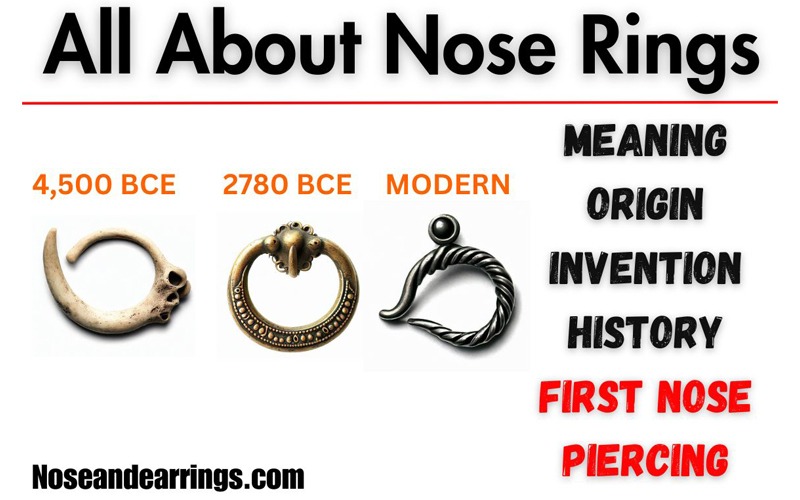
A nose ring can symbolize various things, including personal style, cultural significance, and individual expression. This jewelry has deep historical roots and carries different meanings across cultures and personal experiences. By examining the historical context, cultural interpretations, and motivations behind wearing nose rings, we can gain a comprehensive understanding of their significance in contemporary society.
The Historical Context of Nose Rings
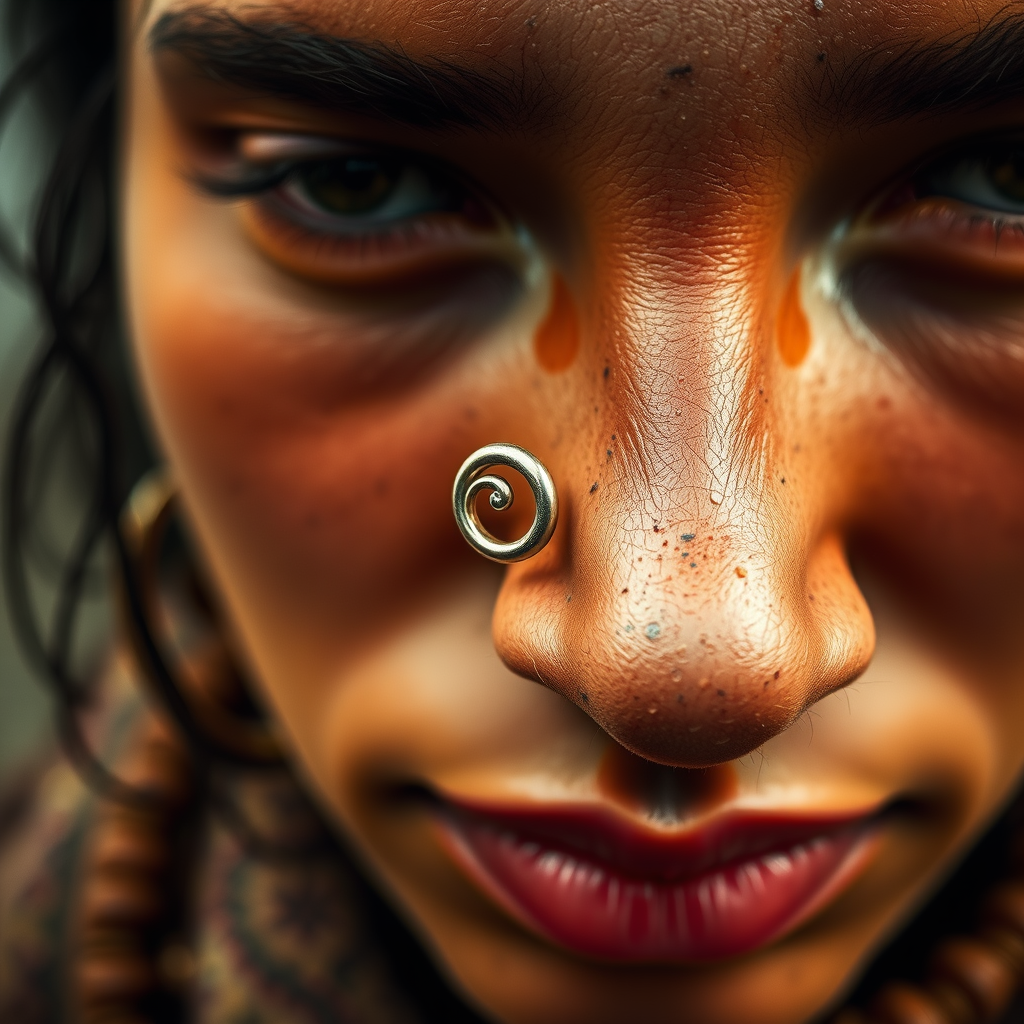
Nose rings have ancient origins, tracing back thousands of years to various cultures, notably in Indian and Middle Eastern societies. In India, for instance, the practice of wearing a nose ring, or “nath,” is believed to have originated around 4,000 years ago and is often linked to traditional marriage customs. In this context, a nose ring signifies a woman’s marital status and is often adorned with intricate designs, reflecting both cultural heritage and personal significance.
In the Middle East, nose rings have played a role in social status, particularly among nomadic tribes. Historically, they were often made from precious metals, which signified wealth and prosperity. In some regions, such as parts of Africa, nose rings were used as a form of currency or a dowry, showcasing their multifaceted significance throughout history. Understanding these historical contexts illuminates how nose rings have transcended mere fashion statements to become symbols deeply embedded in cultural narratives.
Cultural Significance of Nose Rings
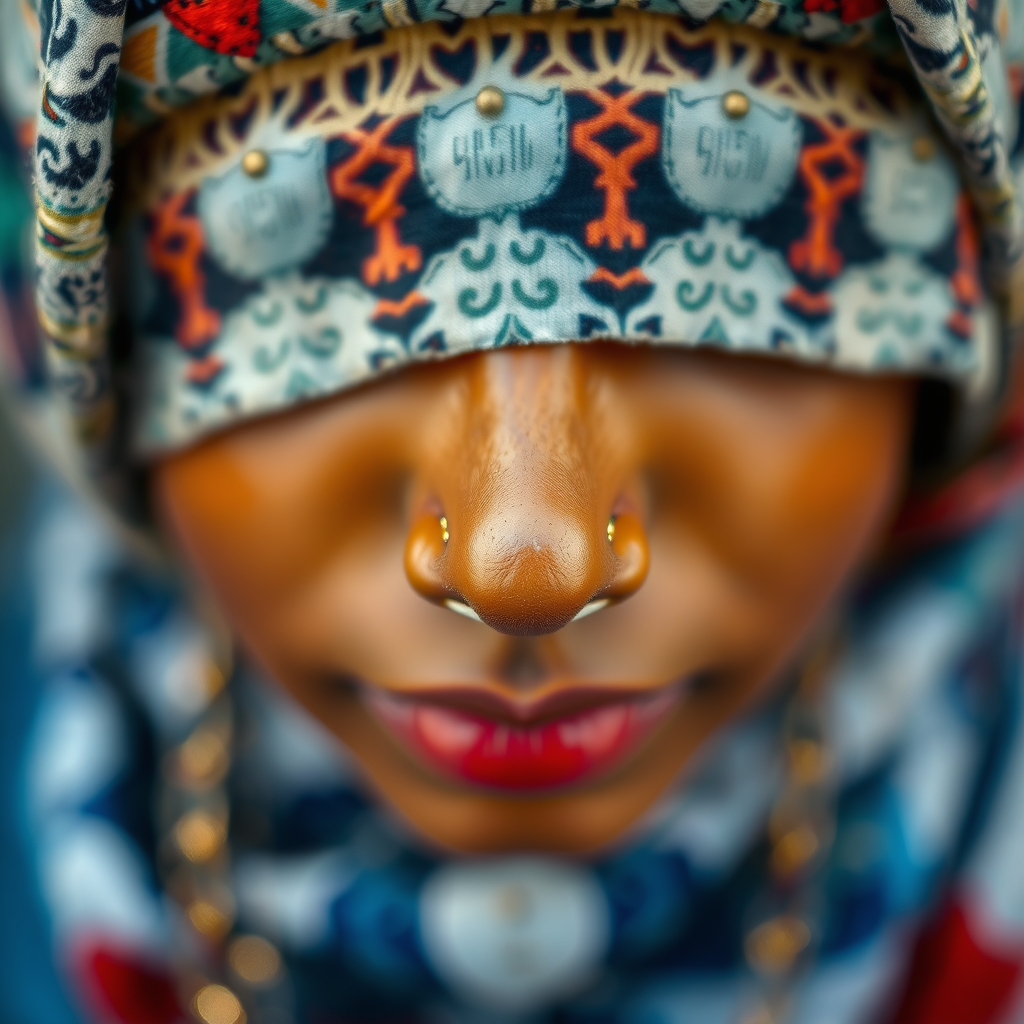
In modern times, nose rings are prevalent in many cultures, each carrying its unique meanings. In South Asian traditions, for example, they are often associated with femininity and marital status, serving as an important cultural marker in weddings and other significant events. The nose ring is not just an aesthetic choice but a representation of cultural beliefs and practices that honor femininity and womanhood.
Conversely, in Western cultures, particularly among youth, nose rings are often viewed as symbols of rebellion and nonconformity. They serve as a statement against societal norms, allowing individuals to express their autonomy and challenge traditional standards of beauty. Furthermore, among some indigenous peoples, nose rings are considered rites of passage or symbols of identity, marking an individual’s transition into adulthood or their connection to their heritage. Each cultural lens through which we view nose rings adds layers of meaning, making them rich symbols of identity and expression.
Personal Expression Through Nose Rings
Many individuals choose to wear nose rings as a form of self-expression, reflecting their personal style, beliefs, and individuality. For some, a nose ring is a canvas for creativity, allowing them to showcase their personalities through various designs, such as studs, hoops, or elaborate septum piercings. The choice of materials—whether gold, silver, or adorned with gemstones—can also indicate personal preferences or values, often reflecting a blend of fashion trends and personal history.
The rise of social media has further amplified personal expression through body modifications like nose rings. Platforms such as Instagram and TikTok have facilitated the sharing of diverse styles and ideas, allowing individuals to connect with communities that celebrate body art. This visibility encourages many to embrace their unique identities, often leading to a more profound appreciation for the meanings behind their choices. Ultimately, for many, a nose ring transcends fashion; it becomes an emblem of identity, individuality, and personal empowerment.
Nose Rings in Fashion Trends
Nose rings often fluctuate in popularity and can be seen on runways and in celebrity culture, significantly influencing mainstream fashion. Designers frequently incorporate nose rings into their collections, showcasing them as a sophisticated accessory that can elevate an outfit. Celebrities such as Rihanna and Cara Delevingne have been instrumental in popularizing nose rings, often wearing them in innovative ways that challenge conventional beauty standards.
Moreover, the rise of body positivity has contributed to the acceptance of diverse body modifications, including nose rings. As more individuals embrace their bodies in all forms, the stigma attached to body art diminishes, leading to broader acceptance in various spheres of life. This shift in perception allows nose rings to be viewed not just as edgy or rebellious, but as versatile fashion statements that can complement a wide range of styles and personal aesthetics.
Misconceptions About Nose Rings
Despite their growing acceptance, some people still associate nose rings with negative stereotypes, such as rebellion or nonconformity, which may not accurately reflect the wearer’s true intentions. These misconceptions can lead to misunderstandings and judgments about individuals based solely on their appearance. For instance, a professional wearing a nose ring may be perceived as unprofessional or rebellious, even if their choice is rooted in cultural significance or personal expression.
Understanding the personal and cultural significance of nose rings can help dispel these myths. By recognizing that each individual has unique motivations for their choices, society can foster a more inclusive environment that appreciates diverse expressions of identity. Education and open dialogue are essential in challenging stereotypes and promoting acceptance, allowing individuals to wear their nose rings with pride.
Choosing the Right Nose Ring
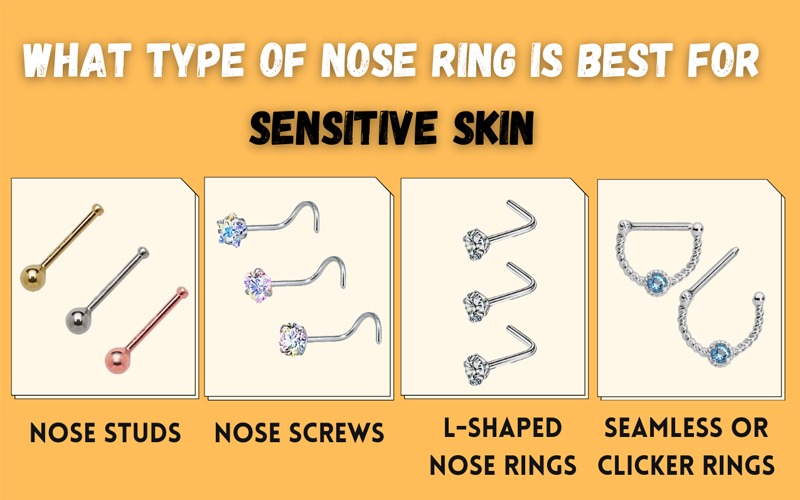
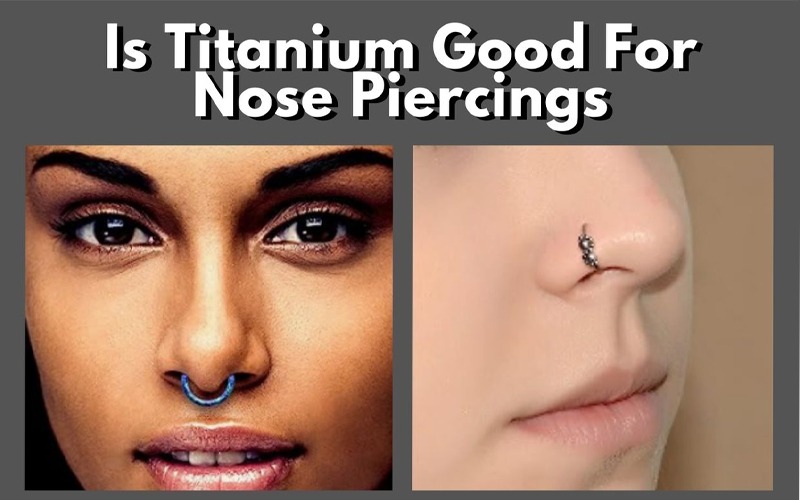
When considering a nose ring, it’s essential to take several factors into account to find one that fits your personality and comfort level. The material is significant; options like surgical steel, titanium, gold, and silver vary in terms of hypoallergenic properties, durability, and aesthetic appeal. For those with sensitive skin, opting for high-quality materials can prevent irritation and allergic reactions.
The size and style of the nose ring are also crucial. Some individuals may prefer subtle studs, while others might opt for more pronounced hoops or septum piercings. It’s advisable to consult a professional piercer who can provide guidance on the best styles suited to your facial structure and lifestyle. This ensures not only safety during the piercing process but also satisfaction with the final result.
Caring for Your Nose Ring
Proper hygiene and care are essential to prevent infections and ensure the longevity of your nose ring. Following the aftercare instructions provided by your piercer is crucial for a smooth healing process. This typically includes cleaning the area with saline solution, avoiding touching the piercing with dirty hands, and steering clear of harsh chemicals or swimming pools during the healing period.
Regularly checking for signs of irritation, such as redness or swelling, can help identify potential issues early on. If any problems arise, consulting with a professional piercer or a healthcare provider ensures that appropriate measures are taken. Taking these precautions not only protects your investment in body art but also enhances the overall experience of wearing a nose ring.
Wearing a nose ring can mean different things depending on cultural background, personal beliefs, and fashion trends. By understanding these aspects, you can appreciate the deeper meanings behind this popular form of body art. Whether you’re considering getting one or simply curious about its significance, this insight can help you navigate the world of nose rings with clarity. Ultimately, nose rings stand as powerful symbols of identity, individuality, and expression, bridging the gap between tradition and modernity.
Frequently Asked Questions
What does a nose ring symbolize in different cultures?
Nose rings have a rich history and varied symbolism across cultures. In South Asian cultures, particularly in India, a nose ring is often associated with marriage and femininity, signifying a woman’s marital status. In contrast, in some Western cultures, a nose ring may symbolize rebellion, individuality, or fashion rather than specific cultural significance. Understanding these cultural nuances can help individuals appreciate the deeper meanings behind this popular body piercing.
How do I choose the right nose ring for my style?
Choosing the right nose ring depends on personal style, comfort, and the type of piercing you have. Consider factors such as the material—options include titanium, gold, and stainless steel—which can affect both aesthetics and skin sensitivity. Additionally, styles range from studs and hoops to septum rings; selecting one that complements your facial features and personal fashion can enhance your overall look. It’s also wise to consult with a professional piercer for recommendations based on your anatomy and lifestyle.
Why are nose rings becoming increasingly popular?
The rising popularity of nose rings can be attributed to several factors, including celebrity influence, fashion trends, and a growing acceptance of body modifications. Social media platforms, particularly Instagram and TikTok, showcase diverse styles and cultural expressions, making nose rings more mainstream. Furthermore, as self-expression becomes more valued in society, individuals are embracing body piercings like nose rings as a means to showcase their unique identities and personal aesthetics.
Which type of nose ring is best for first-time wearers?
For first-time wearers, a stud nose ring is often the best choice due to its simplicity and comfort. Studs typically feature a small gemstone or ball that sits snugly against the nostril, minimizing movement and irritation during the healing process. Additionally, opting for hypoallergenic materials such as titanium or surgical steel can help prevent allergic reactions and ensure a smoother healing experience for new piercings.
What should I consider before getting a nose ring?
Before getting a nose ring, consider factors such as your personal style, the potential for workplace acceptance, and the care required for healing. Research reputable piercers to ensure cleanliness and proper technique, as this can affect the outcome and healing process. Additionally, be mindful of any existing allergies or skin sensitivities, and consult with the piercer on suitable materials and styles that align with your preferences and lifestyle.
References
- Nose piercing
- https://www.bbc.com/culture/article/20190812-why-do-people-get-piercings
- https://www.ncbi.nlm.nih.gov/pmc/articles/PMC5720743/
- https://www.psychologytoday.com/us/blog/the-moment-youth/201806/the-meaning-body-piercing
- https://www.cnn.com/style/article/piercing-culture/index.html
- https://www.theguardian.com/fashion/2019/oct/01/what-does-body-piercing-mean-in-2020