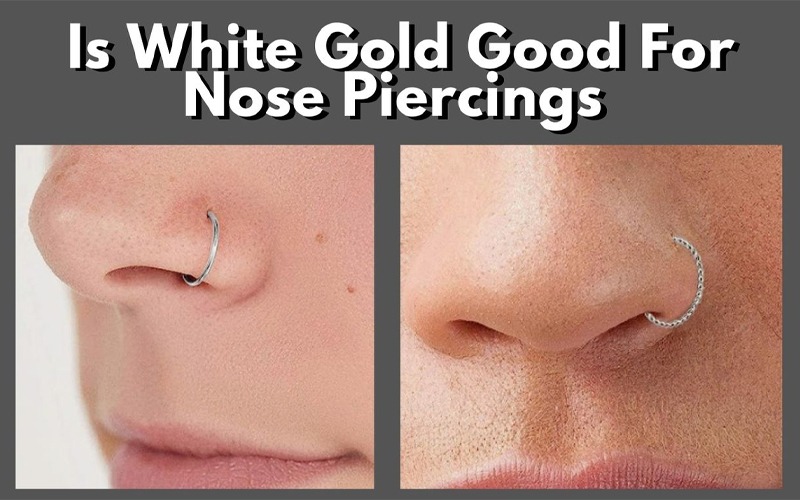
To put a nose ring in, start by cleaning the area and ensuring you have the right tools and jewelry. This seemingly simple process can be made straightforward and hassle-free by following a few essential steps. In this guide, you’ll learn how to safely insert a nose ring, the necessary tools, and invaluable tips for making the process smoother, ensuring a comfortable and successful experience.
Preparing for the Piercing

Before you begin the process of inserting your nose ring, preparation is key. First and foremost, cleanliness is paramount. Use antiseptic wipes to thoroughly cleanse both your nose and the jewelry you plan to insert. This step is crucial as it helps to prevent any potential infections that could arise from introducing bacteria into the freshly pierced area.
Next, gather your tools. A good-quality mirror is essential for visibility, allowing you to see exactly what you are doing. Wearing a pair of disposable gloves can also promote hygiene and prevent any oils or dirt from your hands from contaminating the area. Finally, have your nose ring ready. Most commonly, you will need either a hoop or stud, depending on your preference and the type of piercing you have.
Choosing the Right Jewelry

Selecting the appropriate jewelry for your nose piercing is vital for both comfort and health. Consider the material of the nose ring; hypoallergenic options such as titanium or surgical-grade stainless steel are ideal as they minimize the risk of irritation or allergic reactions. Avoid materials that can cause discomfort, such as nickel, especially if you have sensitive skin.
Additionally, the size of the nose ring is crucial. Ensure that the gauge (thickness) and diameter of the ring are appropriate for your piercing. Generally, a standard gauge for a nose piercing is between 20 to 18, but you should confirm based on your specific piercing. If the jewelry is too large or small, it can lead to complications such as discomfort or even tearing of the skin around the piercing.
Inserting the Nose Ring
With your area prepared and the right jewelry selected, you can proceed to insert the nose ring. Begin by aligning the ring with your piercing; this may be easier if you tilt your head slightly to the side. Gently hold the nose ring in the correct position, ensuring that it is straight and not at an awkward angle.
When you are ready to insert, take a deep breath and push the ring through the piercing gently. It is essential to be slow and careful to ensure that it goes through smoothly. If you feel resistance, do not force it; instead, slightly adjust the angle of insertion or take a moment to breathe and try again. The goal is to keep the experience as comfortable as possible while ensuring the jewelry is securely in place.
Tips for a Comfortable Experience
To enhance your experience while putting in a nose ring, it’s important to remain calm and relaxed. Anxiety can heighten sensitivity, making the process more uncomfortable than necessary. Take a moment to breathe deeply before you begin, allowing your body to relax.
Another helpful tip is to use a small amount of water-based lubricant on the jewelry. This can facilitate a smoother insertion and reduce friction, making the process more comfortable. However, ensure that the lubricant is safe for use on sensitive skin and will not compromise the integrity of the metal of the ring.
Aftercare for Your Nose Ring
Once your nose ring is successfully in place, proper aftercare is essential to promote healing and prevent infections. Clean the area regularly with a saline solution or a gentle, non-alcoholic cleanser. Avoid using harsh chemicals or alcohol-based products, as these can irritate the piercing.
It is also crucial to avoid touching or playing with the nose ring unnecessarily. Frequent handling can introduce bacteria to the area, increasing the risk of irritation and infections. If you need to adjust or clean the area, ensure your hands are thoroughly washed or wear gloves to maintain hygiene.
Troubleshooting Common Issues
Even with careful preparation and execution, you may encounter some common issues when inserting your nose ring. If you experience difficulty inserting the ring, it may be due to the angle at which you are trying to insert it. Do not force it; instead, adjust the angle slightly and try again.
If you notice persistent pain or swelling after inserting the ring, it may indicate an infection or an allergic reaction to the jewelry. In such cases, it is best to consult a professional piercer or a healthcare provider for advice on how to proceed. They can provide insights on whether you should remove the jewelry or continue with additional aftercare.
In summary, putting in a nose ring can be a simple and rewarding process when approached with care and preparation. By ensuring cleanliness, choosing the right jewelry, and following proper insertion techniques, you can enjoy your new piercing with confidence. If at any point you feel uncertain or uncomfortable, do not hesitate to seek assistance from a professional piercer.
Frequently Asked Questions
How do you prepare to put a nose ring in?
Before putting in a nose ring, ensure your hands are clean to prevent infection. Gather your supplies, including the nose ring, a mirror, and possibly a pair of gloves. It’s also advisable to have a saline solution or antiseptic on hand for cleaning both your nose and the jewelry. If your piercing is new, wait until it has fully healed, which can take several weeks.
What is the best technique for inserting a nose ring?
To insert a nose ring, start by holding your nostril gently to open the piercing. Position the ring at the entrance of the hole and gently push it through while simultaneously twisting it slightly. This technique helps the jewelry slide in more easily. If you encounter resistance, do not force it; instead, try to relax and adjust the angle of the ring.
Why does my nose ring hurt when I try to put it in?
Pain when inserting a nose ring can occur for several reasons, including irritation, swelling, or improper technique. If your nose is still healing from a recent piercing, the tissue may be sensitive. Always ensure the jewelry is clean and of high quality, as low-quality metals can cause allergic reactions. If pain persists, consult a professional piercer or healthcare provider.
Which type of nose ring is easiest to insert for beginners?
For beginners, a stud or a hoop with a hinge design is generally the easiest type of nose ring to insert. Studs typically have a straight post, making it simpler to guide through the piercing, while hinged hoops allow for easy opening and closing. Look for options made from hypoallergenic materials like titanium or surgical steel to minimize irritation.
How can I ensure my nose ring stays in place after insertion?
To keep your nose ring secure, make sure it fits properly and isn’t too loose or tight. After inserting, gently twist the ring to ensure it has settled comfortably in your piercing. Regularly check the tightness of the backing if you’re using a stud. Additionally, avoid touching or playing with your nose ring excessively, as this can lead to irritation or accidental removal.
References
- Nose piercing
- https://www.aafp.org/pubs/afp/issues/2010/0715/p124.html
- https://www.ncbi.nlm.nih.gov/pmc/articles/PMC4591316/
- https://www.healthline.com/health/nose-piercing
- https://www.hopkinsmedicine.org/health/conditions-and-diseases/nose-piercing-what-you-need-to-know