If you’re dealing with a nose ring infection, the most effective way to treat it is through proper cleaning and care. Start by gently cleaning the area with saline solution or a mild antiseptic. Infections can arise from various factors, including bacteria entering the piercing site, leading to discomfort and potential complications. This article will guide you through the steps to properly address a nose ring infection, including prevention tips and when to seek professional help.
Understanding Nose Ring Infections
Nose ring infections can occur due to bacteria entering the piercing site, often exacerbated by poor hygiene or trauma to the area. Common symptoms include redness, swelling, and discharge, which can vary in severity. In some cases, the area may feel warm to the touch or painful, indicating an inflammatory response. Understanding the nature of these infections is crucial for timely intervention. If left untreated, a mild infection could develop into a more serious condition, potentially requiring surgical intervention.
It’s also essential to recognize that some individuals may be more susceptible to infections due to underlying health conditions or compromised immune systems. Therefore, maintaining awareness of your body’s reactions and promptly addressing any changes is vital in ensuring a successful healing process.
Immediate Care for an Infected Nose Ring
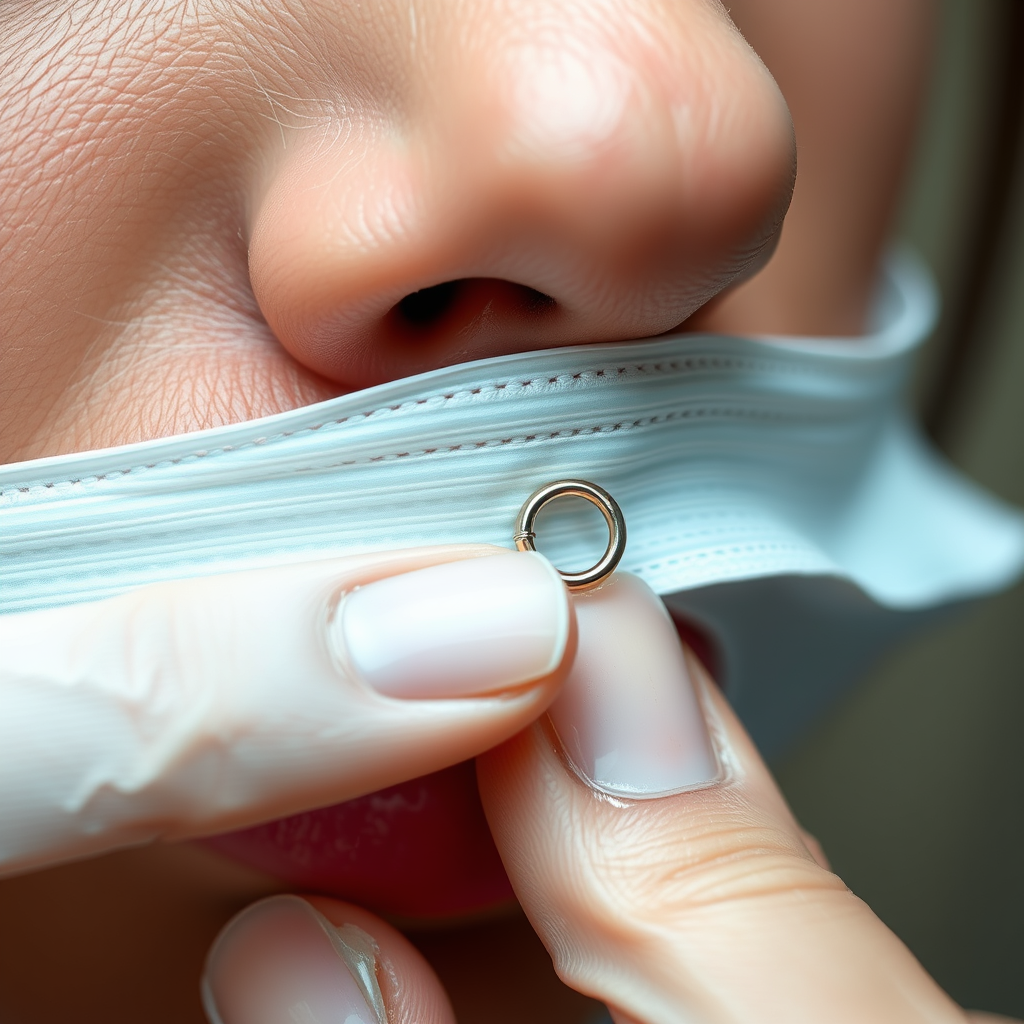
The initial response to a nose ring infection should focus on cleanliness and care. Clean the area twice daily with saline solution or a gentle antiseptic. Saline solution can be made at home by mixing one teaspoon of salt in a cup of distilled water, ensuring it is well-dissolved before applying. Use a clean cotton ball or gauze to gently dab the solution onto the affected area, avoiding aggressive scrubbing that could further irritate the skin.
Importantly, avoid removing the jewelry unless advised by a healthcare professional. Keeping the jewelry in place helps maintain the piercing’s integrity, allowing for proper drainage and preventing the hole from closing up, which could trap the infection inside. If you must remove the jewelry, consult with a professional to ensure it is safe to do so.
Home Remedies for Nose Ring Infection
In addition to proper cleaning, several home remedies can assist in alleviating symptoms and promoting healing. One effective method is to apply a warm compress to the infected area. A warm compress can help reduce swelling and promote drainage by increasing blood flow to the affected site. To create a warm compress, soak a clean cloth in warm (not hot) water, wring it out, and apply it directly to the skin for 5-10 minutes several times a day.
Moreover, natural antiseptics like tea tree oil or chamomile can be beneficial. Tea tree oil possesses antibacterial and anti-inflammatory properties that may help soothe irritation. Dilute it with a carrier oil, such as coconut or olive oil, before applying to the skin to avoid irritation. Chamomile, known for its calming effects, can be used as a tea or in ointment form and may assist in reducing redness and discomfort.
However, while these remedies can provide relief, they should not replace professional medical advice. Monitor your symptoms closely and be aware of any changes in your condition.
When to Consult a Professional
Seeking medical advice is crucial if the infection worsens or does not improve within a few days. Signs that indicate the need for professional help include increasing pain, worsening redness, or the presence of a foul odor. A healthcare provider may prescribe antibiotics to combat the infection or recommend professional cleaning methods to ensure that all bacteria are eliminated.
In some cases, drainage may be necessary if there is an accumulation of pus or fluid. A healthcare professional can perform this procedure safely and effectively, minimizing the risk of further complications. It’s essential to trust your instincts; if something feels off, don’t hesitate to reach out for help.
Prevention Tips for Future Piercings
Preventing a nose ring infection begins even before the piercing process. Ensure your piercer uses sterile equipment and follows proper hygiene practices, including washing hands and wearing gloves. Choose a reputable piercing studio with positive reviews and a clean environment to minimize risks.
Aftercare is equally important. Follow aftercare instructions diligently, which typically include cleaning the piercing with saline solution and avoiding touching or twisting the jewelry unnecessarily. Avoid swimming in pools, hot tubs, or natural bodies of water until the piercing is fully healed, as these environments can introduce bacteria.
Additionally, be cautious of the products you apply near the piercing site, as harsh chemicals or fragrances can irritate the area. Opt for gentle, fragrance-free skincare products to reduce the risk of irritation.
Recognizing Signs of Healing
Monitoring for signs of improvement is essential as your piercing heals. Signs of healing include reduced redness, decreased swelling, and a return to normal skin tone. The presence of clear or light-colored discharge can also be a normal part of the healing process, provided it is not accompanied by foul odor or extreme discomfort.
Healing times can vary significantly based on individual factors, including skin type and aftercare practices. Generally, nose piercings can take anywhere from a few weeks to several months to fully heal. Patience is key; resist the urge to change or remove the jewelry until you are confident that the piercing has healed properly.
As you continue to care for your piercing, maintain a routine of cleanliness and avoid irritants to support the healing process.
In summary, addressing a nose ring infection involves immediate care, potential home remedies, and a clear understanding of when to seek professional help. By practicing proper hygiene and following preventive measures, you can significantly reduce the risk of infection in future piercings. Always remember to consult with your piercer or a healthcare provider if you have concerns about your piercing’s health. Taking proactive steps today can lead to a healthier and more enjoyable piercing experience tomorrow.
Frequently Asked Questions
What are the signs of a nose ring infection?
Signs of a nose ring infection typically include redness, swelling, warmth around the piercing, and pus or discharge that may be yellow or green. Additionally, you might experience pain or tenderness at the site of the piercing and a fever in more severe cases. If you notice these symptoms, it’s important to take action promptly to avoid complications.
How can I treat a nose ring infection at home?
To treat a nose ring infection at home, start by cleaning the area with a saline solution or a mild antiseptic like hydrogen peroxide or tea tree oil diluted with water. Avoid removing the jewelry, as this can trap the infection inside. Apply a warm compress to reduce swelling and promote drainage, and make sure to keep the area clean and dry as it heals.
Why did my nose ring get infected?
A nose ring can become infected due to several factors, including improper aftercare, exposure to bacteria from touching the piercing with dirty hands, or using non-sterile jewelry. Additionally, irritants like cosmetics, lotions, or harsh cleaning products can aggravate the piercing and increase the risk of infection. It’s crucial to follow proper aftercare instructions provided by your piercer to minimize these risks.
What is the best way to prevent a nose ring infection?
The best way to prevent a nose ring infection is to maintain proper hygiene during the healing process. Clean your nose ring and the surrounding area with saline solution twice a day, and avoid changing the jewelry too soon. Additionally, refrain from touching the piercing without washing your hands first, and choose high-quality, hypoallergenic jewelry made from materials like titanium or surgical stainless steel.
When should I see a doctor for a nose ring infection?
You should see a doctor for a nose ring infection if symptoms worsen or do not improve within a few days of at-home treatment. Additionally, if you experience severe pain, persistent swelling, or fever, it’s vital to seek medical attention. A healthcare professional can provide a proper diagnosis and may prescribe antibiotics or recommend further treatment to effectively address the infection.
References
- https://www.ncbi.nlm.nih.gov/pmc/articles/PMC5761269/
- https://www.healthline.com/health/nose-ring-infection
- https://www.mayoclinic.org/diseases-conditions/piercing-infection/symptoms-causes/syc-20368459
- https://www.aafp.org/pubs/afp/issues/2010/1015/p785.html
- https://www.webmd.com/skin-problems-and-treatments/what-to-know-about-piercing-infections
- https://www.cdc.gov/fungal/diseases/candidiasis/overview.html