Getting the right size nose ring is crucial for comfort and style. To determine the perfect size, you need to measure your nostril’s gauge and diameter accurately. This guide will help you understand how to choose the right size and what factors to consider before making your purchase. Understanding the nuances of nose ring sizing can enhance your overall experience and ensure that your new accessory complements your personal style while being comfortable.
Understanding Nose Ring Sizes

Nose rings are typically measured in two primary dimensions: gauge and diameter. The gauge refers to the thickness of the jewelry, while the diameter measures the circular size of the ring itself. Common gauges for nose rings range from 20G (the thinnest) to 14G (the thickest). Lower gauge numbers indicate thicker jewelry, which can affect both the fit and appearance of the ring. For instance, a 20G nose ring is approximately 0.8 mm thick, whereas a 14G ring is about 1.6 mm thick.
Understanding these measurements is vital as they can influence how the nose ring sits in your nostril. A thicker gauge may provide a more solid look but can also feel bulkier and may require a larger diameter to fit comfortably. Therefore, it’s essential to consider both dimensions when selecting your nose ring to ensure it aligns with your desired aesthetic and comfort.
Measuring Your Nose

To accurately measure your nostril and find the best-fitting size, you will need a ruler or a caliper. Start by measuring the inside diameter of your nostril where you plan to place the ring. This measurement is critical, as it will help you determine the appropriate diameter of the nose ring. Typically, the ideal diameter for a standard nostril piercing ranges from 6 mm to 10 mm, but this can vary based on individual anatomy.
When measuring, ensure the caliper or ruler is held straight and parallel to the base of your nostril to avoid inaccuracies. Additionally, consider the thickness of the jewelry you intend to wear. A thicker ring may require a larger diameter to avoid discomfort. For example, if you have measured your nostril at 8 mm for a 20G ring, it might be wise to consider a 9 mm or 10 mm diameter if you opt for a 14G ring, as the added thickness will take up more space.
Choosing the Right Style
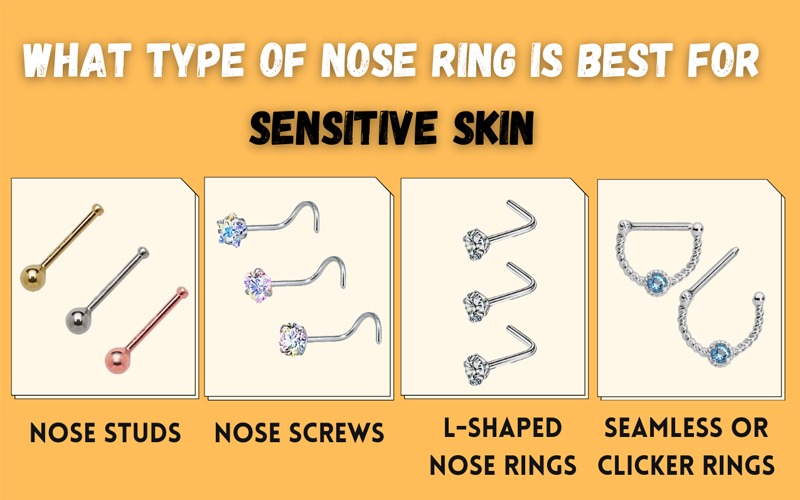
The style of the nose ring you choose can significantly affect how it fits and looks, even if they share the same size. Common styles include hoops, studs, and screws, each offering a distinct aesthetic and comfort level. Hoops can be more flexible in terms of fit; however, they may require a snugger diameter to prevent them from falling out. In contrast, studs tend to be more stable but can feel tighter if the diameter is too small.
When selecting a style, consider your personal preferences. Do you like the look of a snug fit, or do you prefer a more casual, looser appearance? For example, if you lean towards a bohemian style, a larger hoop might complement your look better than a small stud. Alternatively, if you favor minimalist designs, a classic stud might be your best bet. Visualizing how different styles align with your wardrobe can help narrow down your options.
Consulting with Professionals
If you find yourself uncertain about your measurements or the right size, consulting with a professional piercer can provide invaluable guidance. Professional piercers possess extensive experience and can assess your anatomy to recommend the most suitable size and style for your nose ring. Additionally, many piercing shops offer a variety of sizes to try on before you purchase, enabling you to gauge comfort and fit firsthand.
A professional can also explain the nuances of different materials and styles, helping you make an informed choice. They can ensure that the ring you select not only fits well but also complements your overall aesthetic and lifestyle. If you are new to nose piercings, this consultation can help alleviate any apprehensions you may have and set you on the right path to finding the perfect nose ring.
Considering Material and Sensitivity
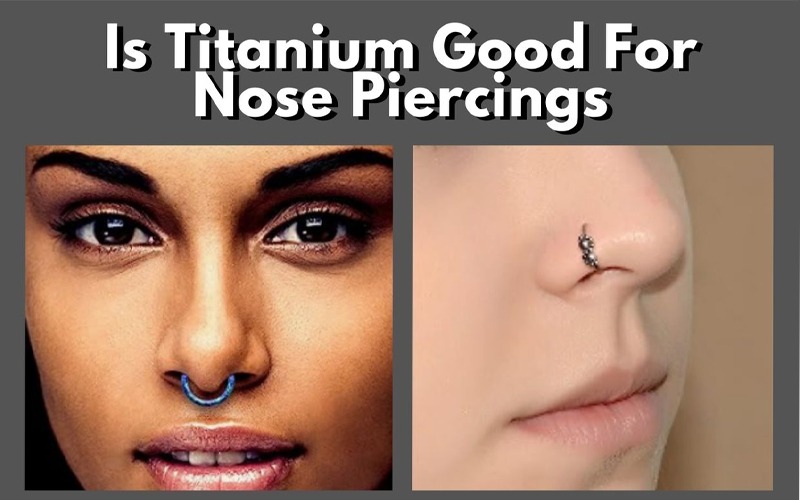
The material of the nose ring can significantly impact both its fit and comfort level. Materials such as surgical stainless steel, titanium, and gold are popular choices due to their durability and hypoallergenic properties. For individuals with sensitive skin, opting for hypoallergenic materials is advisable, as they minimize the risk of irritation or allergic reactions.
Additionally, the thickness of the metal may affect how the jewelry feels when worn. For instance, a thicker metal may feel bulkier and less comfortable, especially if you are not accustomed to wearing nose rings. Conversely, lighter materials can provide a more comfortable experience. Before making a purchase, consider your skin type and any known sensitivities to specific metals, as this will guide you toward the best material choice.
Trying Different Sizes
When it comes to finding the right size nose ring, don’t hesitate to experiment with different sizes and styles, particularly if you are new to nose piercings. Temporary jewelry is an excellent option for testing various diameters and gauges without committing to a permanent piece. This trial-and-error approach allows you to find what feels best and ensures that you are comfortable with your final choice.
Visiting a store that allows you to try on jewelry can also be beneficial. You can assess how different sizes look and feel, which will help you make a more informed decision. Remember, comfort is key, and what works for one person may not work for another. By trying on various options, you’ll gain a clearer understanding of your preferences and how you want to express your style.
The process of choosing the right size nose ring can seem daunting, but by measuring accurately and considering your personal style, you can find the perfect fit. Remember to consult with professionals and don’t hesitate to try on different sizes and styles. With the right approach, selecting a nose ring that enhances your look while providing comfort is entirely achievable. Happy piercing!
Frequently Asked Questions
How do I measure my nose for a nose ring size?
To measure your nose for a nose ring size, use a flexible measuring tape or a ruler. Measure the diameter of the piercing hole, which is typically between 20 to 18 gauge for nostril piercings. If you don’t have a piercing yet, consider measuring the width of the area where you want the ring to sit, keeping in mind that the most common sizes are 20 gauge (0.8mm) and 18 gauge (1.0mm).
What is the difference between gauge sizes for nose rings?
Gauge sizes refer to the thickness of the nose ring, with a lower number indicating a thicker piece of jewelry. Common sizes for nose rings range from 20 gauge (0.8mm) to 16 gauge (1.2mm). It’s essential to choose the right gauge for comfort; if your piercing is fresh, lighter gauges (like 20) are often recommended, while thicker gauges may be better for healed piercings.
Why is it important to choose the correct size for my nose ring?
Choosing the correct size for your nose ring is crucial for both comfort and aesthetics. An ill-fitting nose ring can lead to irritation, discomfort, and even complications like infections. Moreover, the right size enhances your overall look and allows the jewelry to sit properly without falling out or causing damage to your piercing.
What type of nose ring is best for first-time wearers?
For first-time wearers, a stud or a hoop nose ring made from surgical stainless steel or titanium is often the best choice. These materials are hypoallergenic and less likely to cause allergic reactions or infections. Opting for a slightly larger gauge, such as 20 gauge, can also facilitate easier insertion and comfort during the healing process.
Which nose ring styles are most popular and how do they affect sizing?
Popular nose ring styles include studs, hoops, and septum rings, each of which can affect sizing differently. For example, studs typically require a more precise fit as they sit directly in the nostril, while hoops must accommodate the curvature of your nose. When selecting a style, consider both the gauge size and the length of the jewelry to ensure it fits well and complements your facial features.
References
- https://www.healthline.com/health/nose-ring-size
- https://www.verywellhealth.com/nose-piercing-guide-5070604
- https://www.pennmedicine.org/for-patients-and-visitors/patient-information/piercing-safety
- https://www.ncbi.nlm.nih.gov/pmc/articles/PMC7366706/
- https://www.aafp.org/pubs/afp/issues/2002/1201/p2017.html