Choosing the right size gauge for nose rings is crucial for comfort and style. Generally, the standard gauge sizes for nose rings range from 20g (0.8 mm) to 18g (1.0 mm), with 20g being the most common for initial piercings. Understanding these sizes helps ensure that you select jewelry that is both comfortable and visually appealing, making your nose piercing an expression of your personal style while minimizing any risk of irritation or complications.
Understanding Gauge Sizes

Gauge sizes indicate the thickness of the jewelry; the lower the number, the thicker the ring. This measurement system stems from the fact that as the gauge number decreases, the diameter of the piercing jewelry increases. For nose piercings, common sizes include 20g and 18g. The 20g size is often recommended for initial piercings because it facilitates healing without placing excessive pressure on the tissue. Conversely, those looking for a more substantial look may opt for an 18g ring. Additionally, some individuals may choose a 16g size, especially if they prefer a looser fit or have previously had their piercings stretched.
Understanding these measurements is essential for ensuring that your nose ring will fit comfortably while also complementing your facial features and personal style preferences.
Standard Nose Ring Sizes
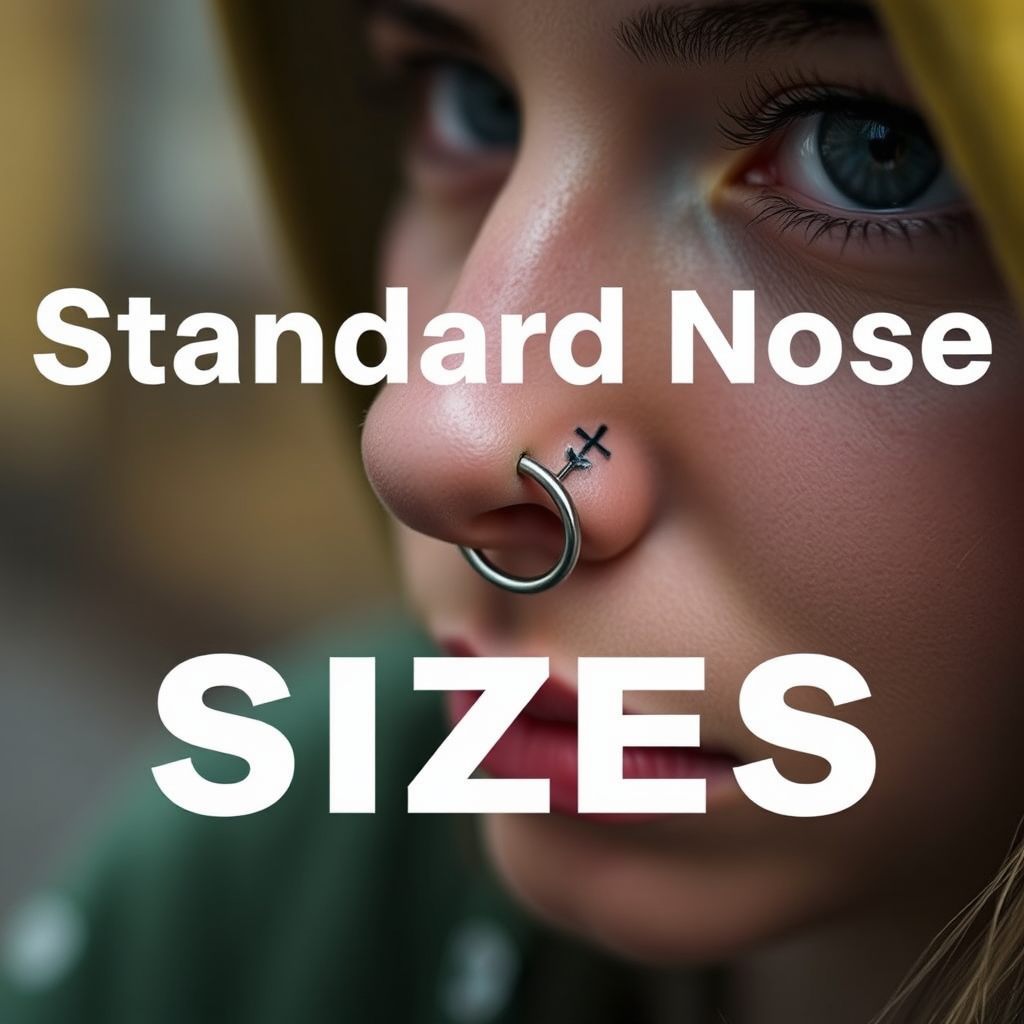
The most frequently used gauge sizes for nose rings are 20g and 18g. The 20g (0.8 mm) is typically used for initial piercings, making it suitable for the healing process. This size provides a balance between comfort and security, allowing the piercing to settle without undue stress. The selection of 20g is particularly advantageous for new piercings, as it minimizes the risk of complications such as infection or rejection.
On the other hand, the 18g (1.0 mm) size is a popular choice for everyday wear. It not only offers increased durability but also gives a more substantial appearance, which some individuals may prefer aesthetically. The choice between these sizes often depends on personal preference, comfort level, and how well the piercing has healed. For those who have been pierced for an extended period, transitioning to an 18g can provide a fresh look without compromising the health of the piercing.
Choosing the Right Size for You
When selecting the right size gauge for your nose ring, several factors come into play. First and foremost, consider your piercing’s healing time. If you have recently gotten your nose pierced, it is advisable to stick with the standard 20g until the area has fully healed. Healing typically takes anywhere from 4 to 6 weeks, depending on individual factors such as skin type and aftercare. Once healed, you may feel comfortable transitioning to a thicker gauge.
Personal comfort and aesthetics also play a critical role in selecting the right gauge. A thicker gauge may be more suitable for established piercings, while newcomers may prefer the gentler touch of a 20g. It’s essential to think about how you want your nose ring to look and feel. Consider trying on different sizes to see what feels best and complements your facial features.
Jewelry Material and Its Impact
The material of your nose ring significantly impacts both comfort and the perceived thickness of the gauge. Hypoallergenic materials such as titanium and surgical steel are highly recommended, especially for individuals with sensitive skin. These materials are less likely to cause irritation or allergic reactions, making them ideal for healing piercings and everyday wear.
Titanium, for instance, is known for its lightweight properties and strength, while surgical steel provides a polished finish that many find appealing. Additionally, the choice of material can influence how the thickness of the gauge is perceived. A nose ring made from a heavier material may feel thicker and more substantial, even if the gauge size is the same as a lighter option. Therefore, when selecting a nose ring, always consider the material alongside the gauge size to ensure the best overall experience.
Switching Sizes: What to Know
If you decide to change sizes after your initial piercing, it is crucial to allow your piercing to fully heal before switching to a thicker gauge. Transitioning too soon can lead to discomfort, irritation, or even complications such as tearing. Once your piercing has healed sufficiently, you can consider gradually increasing the size.
Gradual size increases are recommended to minimize discomfort. For example, if you currently wear a 20g and want to switch to an 18g, it may be beneficial to wear the 20g for a while longer before moving up. This approach allows your body to acclimate to the change and reduces the risk of complications. Always consult with a professional piercer if you are unsure about the process or need personalized advice on switching sizes.
Maintaining Your Nose Ring
Maintaining your nose ring is essential to prevent infections and ensure the longevity of your jewelry, regardless of gauge size. Regular cleaning and care are vital components of proper maintenance. It is recommended to clean your nose ring at least once a day using saline solution or a gentle, fragrance-free cleanser. Avoid using alcohol or hydrogen peroxide, as these can be too harsh and may irritate the healing tissue.
Additionally, following a consistent routine for optimal hygiene is essential. Always wash your hands before touching your nose ring and avoid changing or removing the jewelry too frequently, especially during the healing phase. If you experience any discomfort, redness, or unusual discharge, it is advisable to consult a professional piercer or healthcare provider.
In summary, choosing the right size gauge for your nose ring is crucial for both comfort and aesthetic appeal. Understanding the various sizes, materials, and maintenance practices can ensure that your nose piercing remains a beautiful and healthy part of your personal style. Always take the time to check sizes before purchasing, consult a professional piercer if you are uncertain, and explore different styles to find the perfect nose ring that reflects your individuality.
Frequently Asked Questions
What size gauge are standard nose rings?
The standard size gauge for most nose rings is typically 20 gauge (0.8mm) or 18 gauge (1.0mm). However, some piercings may require different sizes, so it’s important to know your specific gauge before purchasing a nose ring. If unsure, consulting with a professional piercer can help ensure you choose the right gauge for comfort and fit.
How do I know what gauge my nose ring is?
To determine the gauge of your nose ring, you can use a caliper or a gauge measuring tool to measure the thickness of the post. If you don’t have these tools, you can compare it to a standard size chart available online which lists common gauges and their corresponding measurements. Additionally, checking with your piercer can also provide clarity on the gauge.
Why is the gauge size important for nose rings?
The gauge size is crucial for nose rings because it affects both the comfort and the healing process of your piercing. A gauge that is too thick can cause discomfort, while one that is too thin may not stay securely in place. Proper gauge size ensures that your piercing heals correctly, reduces the risk of infections, and allows for safe jewelry changes in the future.
What is the best gauge size for a sensitive nose piercing?
For sensitive nose piercings, it is often recommended to start with a 20 gauge (0.8mm) nose ring. This size provides a balance of security and comfort, minimizing irritation during the healing process. If you have a history of sensitivity or allergic reactions, choosing jewelry made from hypoallergenic materials, such as titanium or surgical stainless steel, can also enhance comfort.
Which materials are best for nose rings of different gauge sizes?
The best materials for nose rings, regardless of gauge size, include surgical stainless steel, titanium, and gold (14k or higher) as they are less likely to cause allergic reactions. Avoiding nickel and other irritants is crucial, especially for those with sensitive skin. Always check for quality and ensure that the jewelry matches your chosen gauge size to prevent complications during wear.
References
- Nose ring
- https://www.ncbi.nlm.nih.gov/pmc/articles/PMC5639423/
- https://www.webmd.com/beauty/what-you-need-to-know-about-nose-piercings
- https://www.healthline.com/health/nose-piercing-guide
- https://www.verywellhealth.com/nose-piercing-faq-5111367