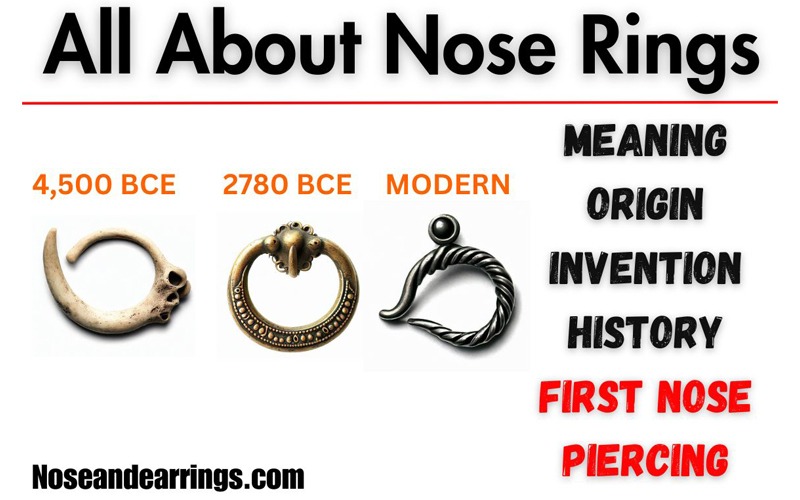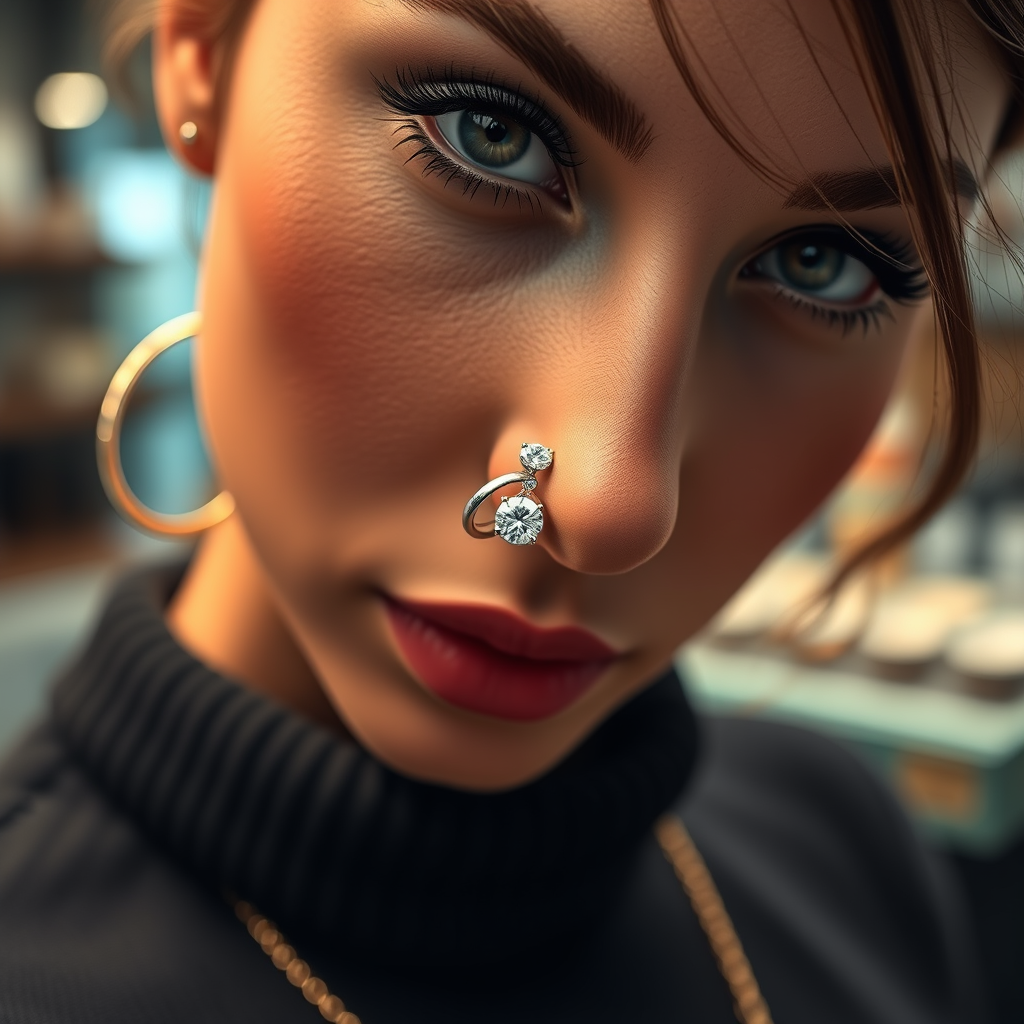
Starting with a nose ring is not only possible, but it can also be a stylish expression of individuality. If you’re considering getting your first nose ring, it’s essential to understand various factors, from selecting the right jewelry material to comprehending the intricacies of the healing process. This guide will provide you with comprehensive insights that will help you make informed decisions about your new piercing.
Choosing the Right Nose Ring
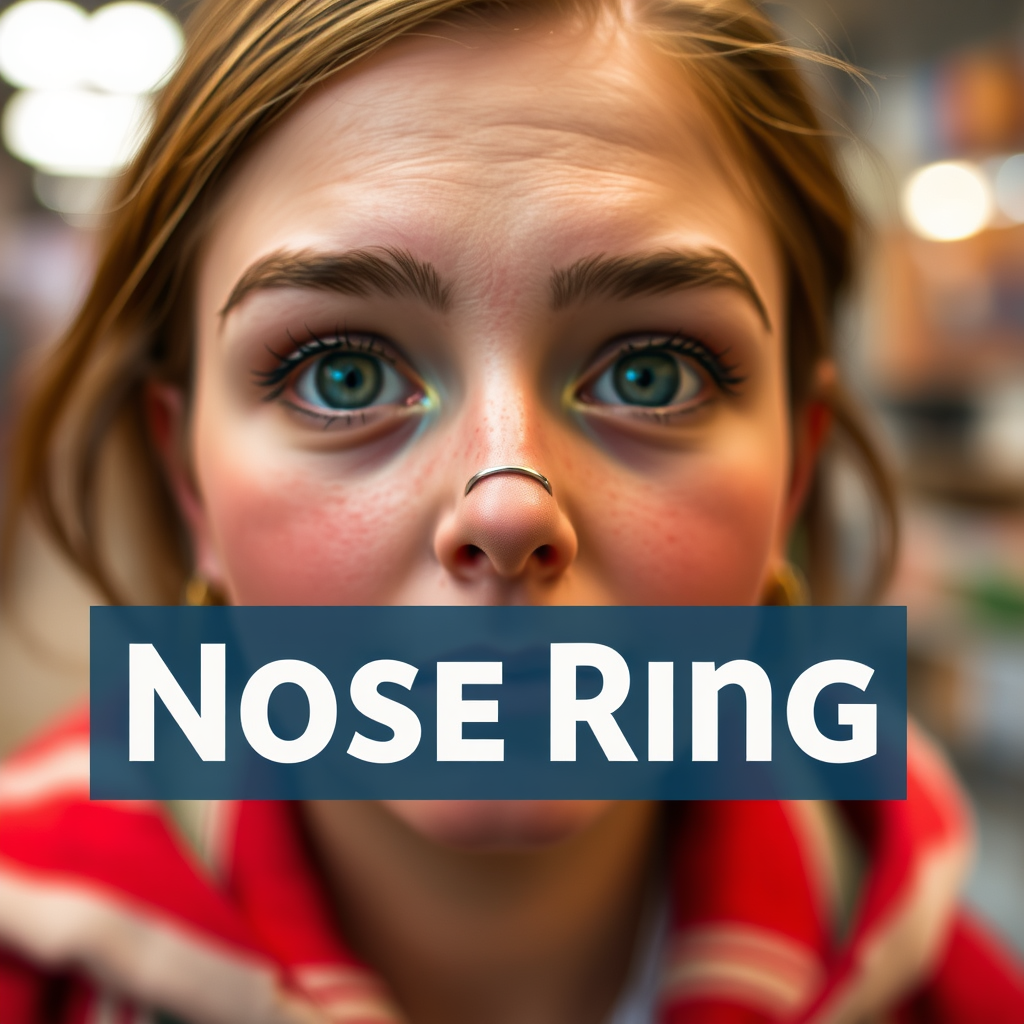
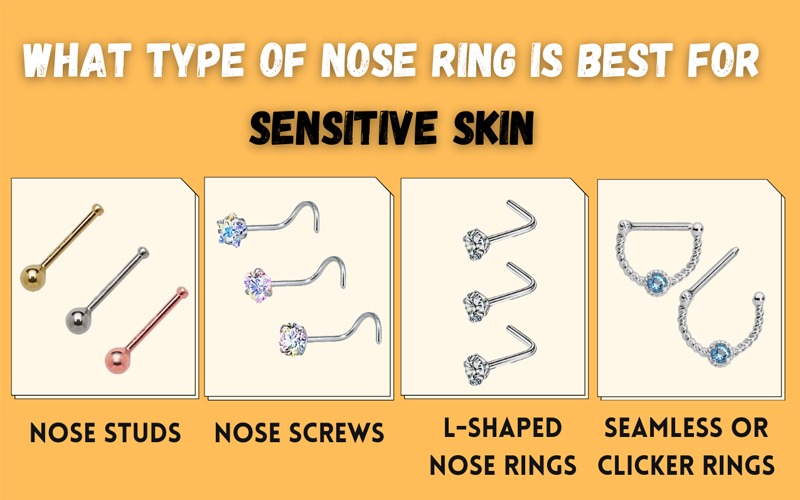
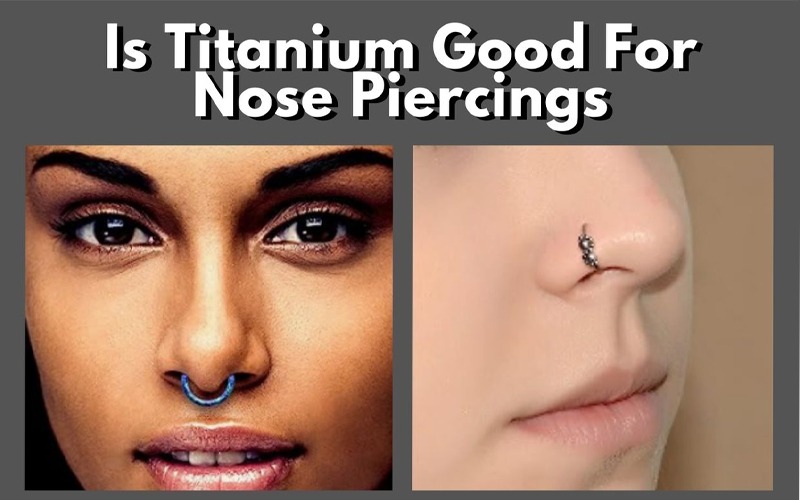
When embarking on your nose ring journey, the initial step is selecting the right jewelry. The material is crucial, as it can significantly impact your comfort and experience. Opting for hypoallergenic materials such as titanium, surgical stainless steel, or gold can help you avoid allergic reactions and irritation that might occur with cheaper metals. For those with sensitive skin, titanium is often recommended due to its durability and biocompatibility.
In terms of style, there are several options to consider. Nose studs are a popular choice for first-timers as they sit snugly against the nostril and are less likely to catch on clothing or other items. Alternatively, nose hoops or septum rings offer a bolder aesthetic and can be a reflection of your personal style. Each style has its unique appeal, and exploring various designs can help you find one that resonates with your personality.
Understanding the Piercing Process
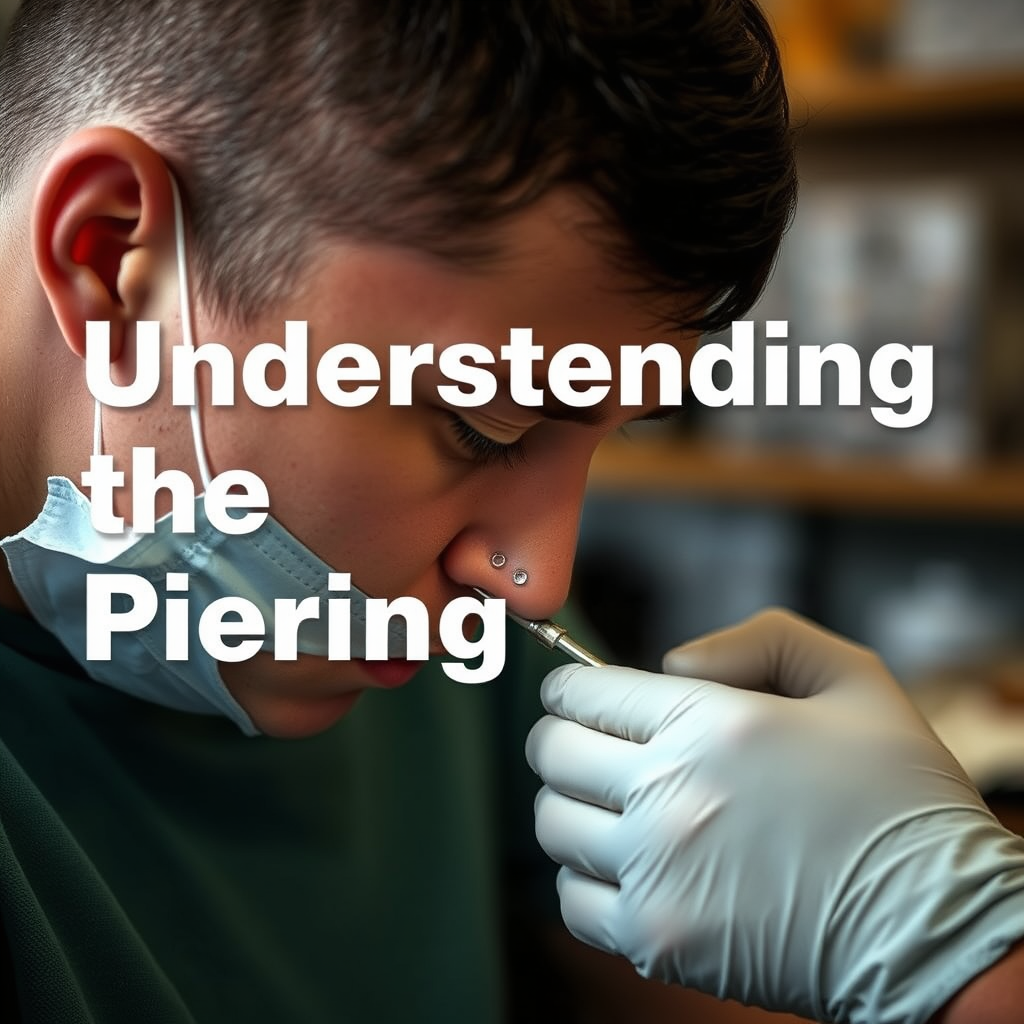
The process of getting a nose ring should never be taken lightly. It is crucial to choose a professional piercer with a good reputation, as they possess the skills and knowledge to ensure a safe and successful piercing. A professional will use sterile equipment and proper techniques to minimize the risk of complications. Avoid the temptation of DIY piercing, as it can lead to poor placement, increased pain, and a higher likelihood of infection.
Aftercare is another vital aspect of the piercing process. Familiarizing yourself with aftercare instructions is essential for promoting healing. This typically includes cleaning the piercing with saline solution, avoiding harsh chemicals, and steering clear of swimming pools or hot tubs for a while. Proper aftercare not only aids in healing but also helps prevent infections.
Healing Time and Care
Nose piercings generally take anywhere from 2 to 6 months to heal completely, although this can vary based on individual factors such as skin type and overall health. During this period, it is essential to be patient and attentive to your piercing. Daily care is critical; cleaning your piercing with saline solution at least twice a day can help keep it free from bacteria.
It’s also important to avoid touching your nose ring with dirty hands, as this can introduce germs and lead to infection. Additionally, refrain from changing your jewelry too soon; waiting until your piercing is fully healed before introducing new pieces will help avoid complications.
Pain and Sensitivity
Many potential first-time piercers are concerned about the pain associated with the procedure. While pain tolerance varies among individuals, most report that the discomfort is brief and manageable. The initial sting of the needle is usually followed by a dull ache that subsides quickly. Afterward, some sensitivity may persist for a while, and it is advisable to be gentle with the area during the healing phase.
Understanding that sensitivity is part of the process can help you manage your expectations. Avoid sleeping on the side of your piercing and be mindful of how you touch or clean the area to minimize unnecessary irritation.
Fashion and Personal Expression
Nose rings are not merely a fashion statement; they hold cultural significance in many societies. In some cultures, nose piercings symbolize femininity, marital status, or religious beliefs, adding layers of meaning to the choice of jewelry. Understanding the cultural context of nose rings may enhance your appreciation for your new accessory and its significance.
Staying informed about current trends can also be beneficial. As fashion evolves, new styles and ways to wear nose rings emerge. Experimenting with different looks, such as pairing your nose ring with other facial jewelry or using makeup to complement your piercing, can elevate your overall aesthetic and provide a fresh take on your personal style.
Safety Precautions
Safety should always be a priority when getting a nose ring. Being aware of the signs of infection is crucial; symptoms such as excessive redness, swelling, or discharge from the piercing site warrant immediate attention. If you suspect an infection, do not hesitate to consult with a healthcare professional for appropriate treatment.
Choosing a reputable piercer is also paramount. Research local studios, read reviews, and seek recommendations from friends to ensure you select a skilled professional who prioritizes hygiene and safety. A clean, well-maintained studio will significantly reduce the risk of complications.
The decision to start with a nose ring can be exciting and rewarding if approached with the right knowledge and care. By understanding what to expect during the piercing process, how to care for your new jewelry, and how to express your unique style, you can enjoy your new look confidently. If you’re ready to take the plunge, consult with a professional piercer today!
Frequently Asked Questions
Can you start with a nose ring if you have never had a piercing before?
Yes, you can start with a nose ring even if you have never had a piercing before. However, it’s essential to consult with a professional piercer to ensure you choose the right style and placement for your nose ring. They can also provide guidance on aftercare to minimize the risk of infection and ensure proper healing.
How do I choose the right nose ring for my first piercing?
When selecting your first nose ring, consider factors such as material, size, and style. Opt for hypoallergenic materials like titanium or surgical stainless steel to reduce the risk of allergic reactions. Additionally, choose a simple design that complements your face shape, and ensure the size fits comfortably in your nostril without being too tight or loose.
Why does my nose ring hurt after getting it pierced?
It’s normal to experience some discomfort or soreness after getting a nose piercing, especially if you’re new to piercings. Pain can be attributed to swelling, irritation from the jewelry, or the healing process. Make sure to follow aftercare instructions from your piercer, which may include cleaning the area regularly and avoiding touching or changing the ring too soon.
What is the best aftercare routine for a new nose ring?
The best aftercare routine for a new nose ring includes cleaning the area twice a day with saline solution or a mild saline spray. Avoid using alcohol or hydrogen peroxide, as these can irritate the piercing. Additionally, refrain from touching the piercing unnecessarily, and avoid changing the jewelry until it has fully healed, which typically takes 4 to 6 weeks.
Which types of nose rings are best for beginners?
For beginners, the best types of nose rings are studs or hoops made from surgical stainless steel, titanium, or niobium, as these materials are less likely to cause allergic reactions. Simple designs like a ball stud or a small hoop are recommended for first-time piercers, as they provide comfort and ease of wear while your piercing heals.
References
- Body piercing
- https://www.ncbi.nlm.nih.gov/pmc/articles/PMC5409916/
- https://www.healthline.com/health/nose-piercing-types
- https://www.mayoclinic.org/healthy-lifestyle/adult-health/expert-answers/nose-piercing/faq-20058014
- https://www.webmd.com/skin-problems-and-treatments/nose-piercing-guide
- https://www.cdc.gov/nceh/lead/adult/faq_adult.htm