Nose rings can carry various meanings depending on cultural, historical, and personal contexts. They often symbolize individuality, rebellion, or cultural identity. Historically rooted in ancient traditions and evolving into modern fashion statements, nose rings serve as an intriguing intersection of art, identity, and expression. In this article, we will delve into the different interpretations of nose rings, their significance across cultures, and what they represent today.
Historical Significance of Nose Rings

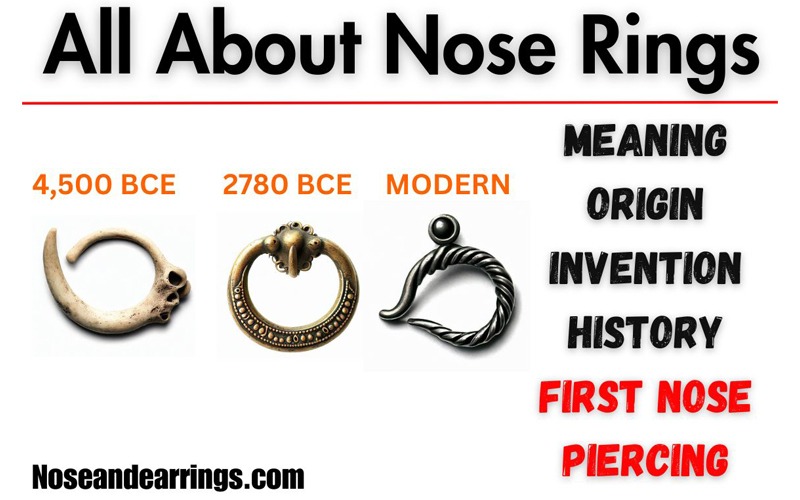
Nose rings have been an integral part of human adornment for thousands of years, with origins traced back to ancient civilizations such as the Indus Valley and Mesopotamia. Archaeological evidence suggests that in the Indus Valley Civilization (circa 2500 BCE), women wore nose rings as a symbol of their social standing. In Mesopotamia, nose rings were often associated with deities and were worn in various religious ceremonies.
In addition to their aesthetic appeal, nose rings in certain cultures were viewed as symbols of wealth and social status. In India, for example, the tradition of wearing a nose ring dates back centuries and is often linked to the cultural practices of Hindu weddings. Brides typically wear a nose ring, also known as a “nath,” which not only enhances their beauty but symbolizes their marital status and commitment. Similarly, in the Middle East, nose rings have historically indicated a woman’s family background and wealth, often made from gold or adorned with precious stones.
Understanding the historical context of nose rings offers valuable insights into how these adornments have evolved and the various meanings they have held across time and geography.
Cultural Interpretations

Across the globe, nose rings hold different cultural significance, often intertwined with societal norms and traditions. In many South Asian cultures, for instance, a nose ring is traditionally given to a bride as part of her wedding ceremony, symbolizing her transition into marriage and her commitment to her husband. This practice is not merely decorative; it is steeped in deep cultural significance and often represents familial ties and heritage.
In African cultures, nose rings are sometimes used to signify maturity or readiness for marriage. They can also represent tribal affiliation, with specific designs and placements denoting a person’s belonging to a particular group or clan. Similarly, in some Indigenous cultures, nose rings may serve as markers of identity and pride, reflecting a connection to ancestry and cultural heritage.
Moreover, the style and placement of nose rings can vary widely between cultures, with specific designs carrying distinct meanings. For example, a stud placed on one side of the nose may symbolize different things than a hoop worn on the opposite side. Understanding these cultural nuances is essential for appreciating the rich diversity of meanings associated with nose rings.
Personal Expression and Identity
In addition to their cultural significance, many individuals use nose rings as a powerful form of self-expression. For some, a nose ring is a symbol of individuality, allowing them to showcase their unique style and personality. This trend has gained traction particularly among younger generations, who often view body piercings—including nose rings—as a means of asserting their identity and challenging societal norms.
Nose rings can also serve as a statement of rebellion, particularly among youth and subcultures. Historically associated with nonconformity, piercings have often been embraced by those challenging mainstream aesthetics or societal expectations. For example, punk subculture has utilized body piercings as a way to express dissent and individuality. The act of wearing a nose ring may thus be seen as an assertion of autonomy, allowing individuals to create a visual representation of their beliefs and values.
This personal connection to nose rings underscores their significance beyond mere fashion accessories; they are often deeply intertwined with an individual’s sense of self and personal narrative.
The Modern Trend of Nose Rings
In contemporary fashion, nose rings have gained immense popularity across various demographics, transcending their traditional meanings. Once primarily associated with specific cultures, they have become mainstream accessories, embraced by individuals from diverse backgrounds. Celebrities and influencers have played a significant role in normalizing nose rings, showcasing them in various styles and materials, from delicate studs to elaborate hoops adorned with gemstones.
The modern interpretation of nose rings often leans more towards aesthetic appeal rather than cultural significance. Many people view them as trendy accessories that enhance personal style, similar to earrings or necklaces. This shift has led to an increase in the variety of designs available in the market, appealing to those seeking both simplicity and extravagance.
However, as nose rings become more commonplace, it is essential to acknowledge and respect their historical and cultural roots. While fashion may dictate trends, understanding the deeper meanings behind these adornments can foster a greater appreciation for their significance.
Care and Maintenance of Nose Rings
Proper hygiene and care are crucial for preventing infections and ensuring the longevity of nose rings. When considering a nose ring, it is essential to follow aftercare guidelines provided by professional piercers. This typically includes cleaning the area with saline solution or a mild antiseptic to reduce the risk of irritation and infection.
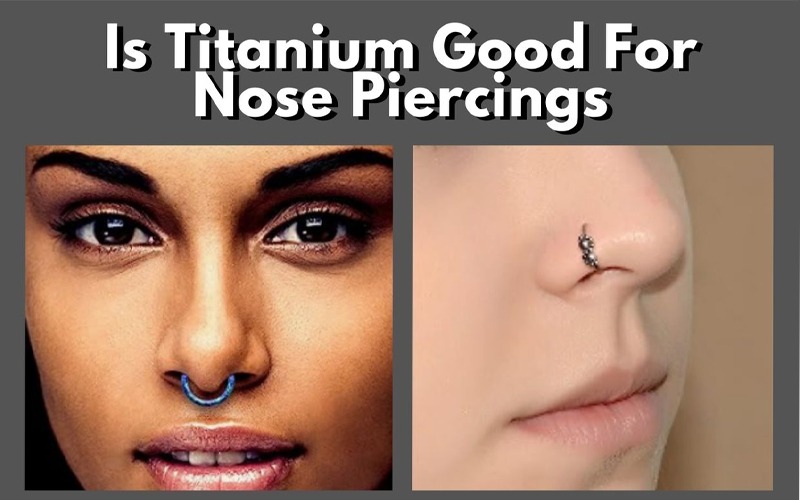
Choosing high-quality materials is equally important. Many individuals experience skin irritation or allergic reactions from inexpensive metals. Opting for hypoallergenic materials such as titanium, surgical steel, or gold can prevent adverse reactions and ensure comfort. Regularly checking the jewelry for signs of wear and tear is also advisable, as damaged jewelry can lead to complications.
By adhering to proper care and maintenance practices, individuals can enjoy their nose rings safely while minimizing potential health risks.
Choosing the Right Nose Ring
Selecting the right nose ring involves several factors, including size, style, and material, all of which can impact comfort and aesthetic appeal. Individuals should consider their anatomy, as the size and shape of the nose can influence how a nose ring will look and feel. Consulting with a professional piercer can provide valuable insights into suitable options based on personal preferences and facial features.
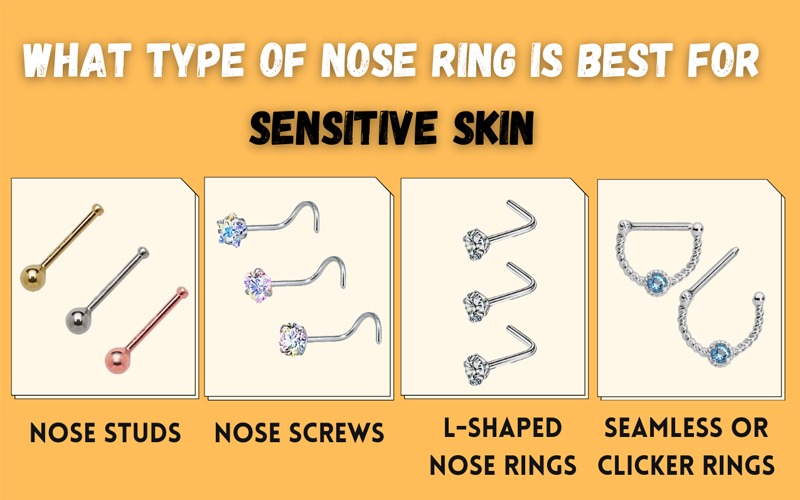
Additionally, exploring various styles—such as studs, hoops, and septum rings—can help individuals find a design that resonates with their personal style. Each type has its own unique aesthetic, and choosing a style that aligns with individual preferences can enhance the overall experience of wearing a nose ring.
It is also essential to consider the material of the nose ring. While some may prefer the classic look of gold, others might opt for more contemporary materials. Understanding the implications of each material on skin health can guide individuals in making informed choices that prioritize both style and safety.
Nose rings are rich in meaning and history, reflecting diverse cultural practices and personal identities. Whether worn for tradition, fashion, or self-expression, they continue to hold significance today. If you’re considering getting a nose ring, think about what it represents for you and choose a style that resonates with your personal journey. Recognizing the multifaceted significance of nose rings can deepen the appreciation for this unique form of adornment, allowing individuals to wear them with purpose and pride.
Frequently Asked Questions
What does a nose ring symbolize in different cultures?
Nose rings have various meanings across different cultures. In some South Asian cultures, a nose ring is a sign of marital status, often worn by married women as part of traditional bridal attire. In contrast, in Western cultures, nose rings may symbolize individuality, rebellion, or fashion trends, reflecting one’s personal style and self-expression.
How do nose rings differ in meaning based on their placement?
The placement of a nose ring can significantly influence its meaning. For instance, a nostril piercing is often associated with personal style or fashion, while a septum piercing might symbolize a more alternative or edgy identity. Additionally, different placements may have varying cultural implications; for example, in some Indigenous cultures, septum piercings can signify maturity or tribal status.
Why do people choose to wear nose rings?
People choose to wear nose rings for a variety of reasons, including cultural significance, personal expression, and aesthetic appeal. For many, a nose ring serves as a form of identity or a way to connect with their heritage. Others might see it as a fashion accessory that enhances their overall look or aligns with current trends.
What are the best materials for nose rings in terms of meaning and safety?
The best materials for nose rings, considering both meaning and safety, include surgical stainless steel, titanium, and gold. Surgical stainless steel is hypoallergenic and widely accepted in the piercing community, while titanium is known for its strength and biocompatibility. Gold, particularly in higher karats, can signify wealth and status but should also be of a quality that reduces the risk of allergic reactions.
Which celebrities have popularized nose rings and what does that mean for fashion trends?
Celebrities like Rihanna, Kylie Jenner, and A$AP Rocky have popularized nose rings, significantly influencing fashion trends. Their choices to wear nose rings often reflect a blend of rebellion and high fashion, making the accessory more mainstream and acceptable. As celebrities set trends, the meaning of nose rings evolves, transitioning from a niche or cultural symbol to a widely embraced fashion statement that encourages self-expression.
References
- Body piercing
- https://www.ncbi.nlm.nih.gov/pmc/articles/PMC5402059/
- https://www.bbc.com/culture/article/20180806-the-meaning-of-body-piercings
- https://www.theguardian.com/fashion/2018/jul/23/piercings-and-their-meanings-what-does-a-nose-ring-say-about-you
- https://www.psychologytoday.com/us/blog/the-moment-youth/202012/body-piercings-and-what-they-mean
- https://www.bmc.org/health-library/articles/ear-and-body-piercings