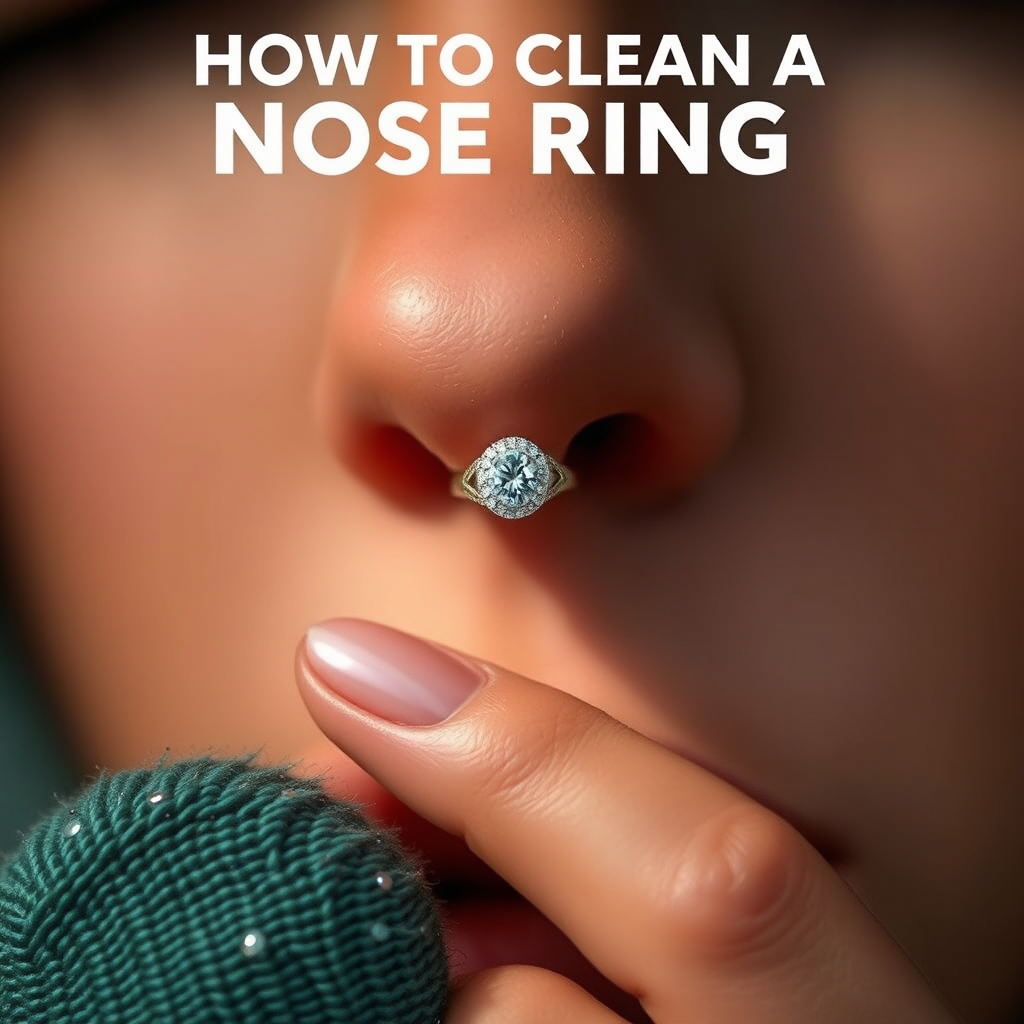
Cleaning a nose ring infection requires a careful approach to ensure proper healing and to prevent further irritation. The first step is to gently clean the area with saline solution or mild antiseptic. In this article, you’ll learn effective methods to clean a nose ring infection, what products to use, and when to seek professional help. By following these guidelines, you can promote healing and minimize discomfort associated with nose piercings.
Understanding Nose Ring Infections

Infections can occur in nose piercings due to various factors, including bacteria entering the wound during the healing process or improper cleaning of the area. When the piercing is not maintained correctly, it can lead to an overgrowth of bacteria, resulting in an infection. Common symptoms of a nose ring infection include redness around the piercing site, swelling, tenderness, and discharge that may vary in color from clear to yellow or green, indicating the presence of pus. It’s essential to recognize these signs early and commence treatment to prevent further complications.
Nose ring infections can often be attributed to irritants such as cosmetics, excessive touching, or even environmental factors. In some cases, individuals may experience allergic reactions to the metal in the jewelry, leading to similar symptoms. Understanding these potential causes can help you take preventative measures in the future.
Essential Cleaning Supplies
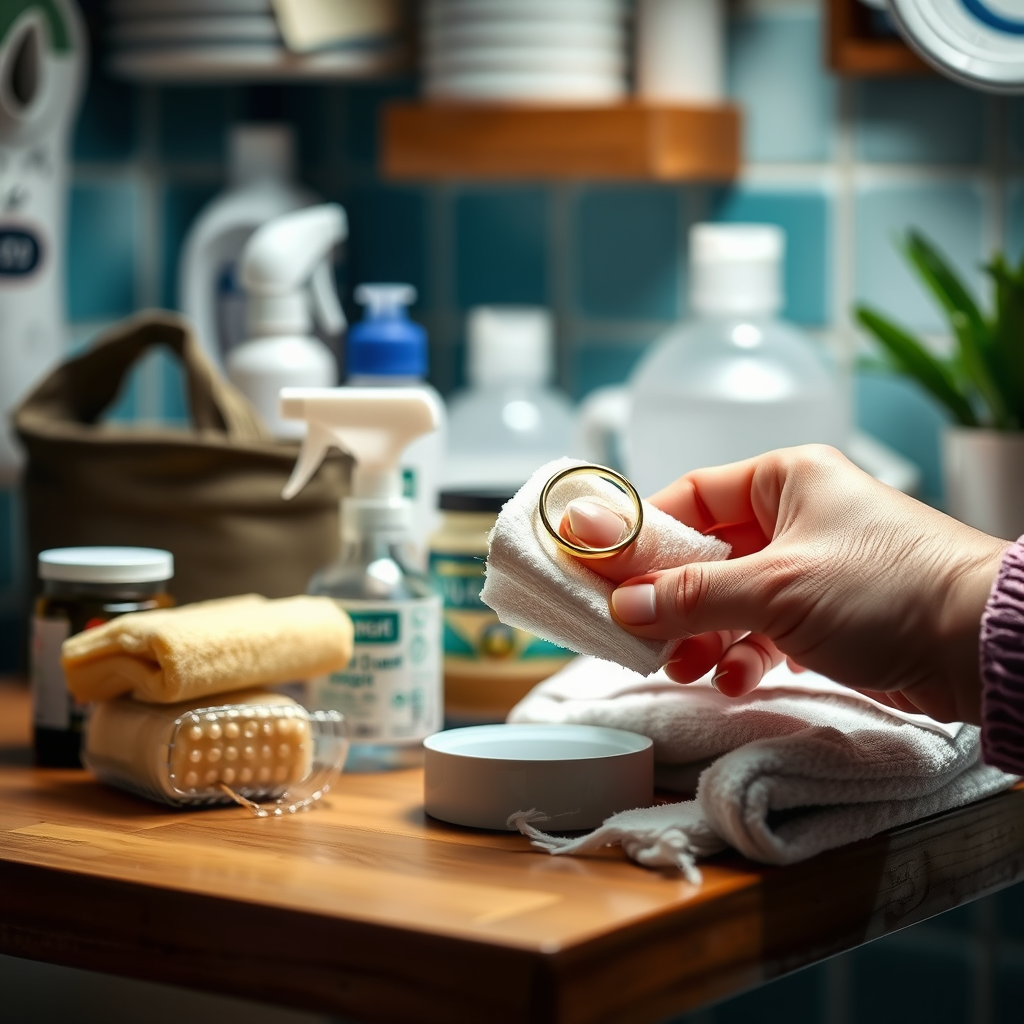
To effectively clean a nose ring infection, you will need a few essential supplies:
– Saline Solution or Sea Salt: A saline solution is a mixture of salt and water that mimics the body’s natural fluids, making it ideal for cleaning wounds. You can purchase pre-made saline solution or create your own by dissolving 1/4 teaspoon of non-iodized sea salt in 8 ounces of warm distilled water.
– Mild Antiseptic: A mild antiseptic, such as diluted hydrogen peroxide or witch hazel, can help disinfect the area without causing significant irritation. It’s crucial to ensure that any antiseptic used is suitable for sensitive skin and is diluted properly to reduce the risk of additional irritation.
– Cotton Balls or Swabs: Use clean cotton balls or swabs to apply the saline solution or antiseptic gently.
– Clean Towels: Have a clean, soft towel on hand to dry the area after cleaning. Ensure that the towel is free of fragrances or harsh chemicals that could irritate the skin.
Step-by-Step Cleaning Process
1. Wash Your Hands: Begin by washing your hands thoroughly with soap and warm water. This step is crucial in preventing further contamination of the infection.
2. Prepare Your Cleaning Solution: If you’re using a saline solution, dissolve non-iodized sea salt in warm distilled water in a clean bowl. If using an antiseptic, ensure it is appropriately diluted and ready for use.
3. Soak a Cotton Ball: Take a clean cotton ball and soak it in the saline solution or antiseptic. Make sure it is not dripping but adequately saturated.
4. Clean the Piercing: Gently press the soaked cotton ball against the area around the nose ring. Avoid aggressive scrubbing; instead, allow the solution to sit on the area for a minute to help loosen any discharge or crusted material.
5. Rinse (if necessary): Some individuals may prefer to rinse the area with clean, warm water after using an antiseptic. If you choose to rinse, ensure that the water is free of impurities or contaminants.
6. Dry the Area: Use a clean towel to gently pat the area dry. Do not rub, as this could further irritate the piercing.
7. Repeat: Aim to clean the area 1-2 times daily until the infection shows signs of improvement.
Tips for Preventing Future Infections
Preventing future infections is essential for maintaining the health of your nose piercing. Here are some valuable tips:
– Avoid Touching the Nose Ring: Make a conscious effort to avoid touching or fiddling with your nose ring, especially with unwashed hands. This can introduce bacteria and lead to infections.
– Regularly Clean the Area: Incorporate a cleaning routine into your daily hygiene practices. Clean the area regularly, particularly after activities that may introduce bacteria, such as exercising or swimming.
– Choose Quality Jewelry: Opt for high-quality, hypoallergenic jewelry made from materials like titanium or surgical stainless steel. These materials are less likely to cause allergic reactions or infections compared to lower-quality metals.
– Be Mindful of Cosmetics: Avoid applying makeup, lotions, or other skincare products near the piercing, as these can irritate the area and contribute to infections.
– Follow Aftercare Instructions: If you recently got your nose pierced, adhere strictly to aftercare instructions provided by your piercer. This may include avoiding certain activities or products during the healing process.
When to Seek Professional Help
It is essential to monitor your symptoms closely. If the infection worsens or does not show signs of improvement within a few days of home treatment, it may be time to consult a healthcare professional. Seek immediate medical attention if you experience:
– Severe Symptoms: Signs of severe infection include fever, chills, increased pain, or significant swelling.
– Persistent Discharge: If discharge continues to increase or appears to be heavily pus-filled, this may indicate a more serious infection requiring antibiotics.
– Formation of Abscess: If you notice a lump forming around the piercing, it may signal an abscess, which can require medical drainage.
A healthcare professional can provide appropriate treatment options, which may include prescription antibiotics or guidance on how to properly care for the infection.
Aftercare for a Healthy Healing Process
After successfully cleaning and treating a nose ring infection, it’s vital to ensure a conducive environment for healing. Here are some aftercare practices to follow:
– Keep the Area Dry: Moisture can promote bacterial growth, so keep the area dry. Avoid excessive sweating, swimming, or submerging the piercing in water until it has fully healed.
– Avoid Makeup and Skincare Products: Refrain from using makeup or skincare products near the piercing site during the healing process. These products can introduce irritants and bacteria that could delay healing.
– Moisturize Carefully: If your skin feels dry around the piercing, consider using a gentle, fragrance-free moisturizer. Apply it sparingly, avoiding direct contact with the nose ring itself.
– Monitor for Changes: Continue to monitor the piercing for any changes. If you notice any recurrence of symptoms or new issues, consult a healthcare professional promptly.
In summary, cleaning a nose ring infection involves a careful selection of cleaning supplies and a meticulous approach to ensure proper healing. Prioritize hygiene practices and maintain regular monitoring for any signs of worsening symptoms. If necessary, do not hesitate to consult with a healthcare professional to support your healing journey and ensure your piercing remains healthy.
Frequently Asked Questions
What are the signs of a nose ring infection?
Common signs of a nose ring infection include redness, swelling, warmth around the piercing, pus or discharge, and increased pain or tenderness. If you notice these symptoms, it’s important to address them quickly to prevent the infection from worsening. Additionally, fever or chills can indicate a more serious infection that requires immediate medical attention.
How can I clean a nose ring infection at home?
To clean a nose ring infection at home, start by washing your hands thoroughly to avoid introducing more bacteria. Use a saline solution or a mixture of one teaspoon of salt in a cup of warm distilled water to gently clean the area around the piercing twice a day. Avoid using alcohol or hydrogen peroxide as they can irritate the skin further. After cleaning, ensure the area is dry and avoid touching the piercing to prevent further irritation.
Why is my nose ring getting infected?
A nose ring can become infected due to various factors, including improper aftercare, wearing non-hypoallergenic jewelry, or touching the piercing with dirty hands. Additionally, irritation from frequent movement or friction can compromise the healing process, making it easier for bacteria to enter the wound. Understanding these causes can help you take preventive measures to avoid infections in the future.
What is the best aftercare for a nose ring to prevent infection?
The best aftercare for a nose ring includes cleaning the piercing with a saline solution twice daily, avoiding touching the area with unwashed hands, and refraining from changing the jewelry until it’s fully healed. It’s also important to sleep on your back and avoid swimming in pools or hot tubs during the healing period. Following these guidelines can significantly reduce the risk of infection and promote faster healing.
Which over-the-counter treatments can help with a nose ring infection?
Over-the-counter treatments for a nose ring infection may include antiseptic solutions like saline wound wash or antibacterial ointments specifically designed for piercing care. Look for products containing natural ingredients such as tea tree oil or witch hazel, which have soothing and antimicrobial properties. However, if the infection persists or worsens, it’s crucial to consult a healthcare professional for further assessment and treatment.
References
- https://www.healthline.com/health/how-to-treat-piercing-infection
- https://www.ncbi.nlm.nih.gov/pmc/articles/PMC8080844/
- https://www.mayoclinic.org/diseases-conditions/piercing-infection/symptoms-causes/syc-20363759
- https://www.webmd.com/skin-problems-and-treatments/piercing-infection
- https://www.aafp.org/pubs/afp/issues/2001/0301/p1181.html