To prevent nose ring infections, the most effective strategies include keeping the area clean, using the right jewelry materials, and following proper aftercare protocols. By implementing these practices, you can significantly reduce the risk of infection and ensure your piercing heals properly. Nose piercings, while a popular form of self-expression, require diligent care to maintain a healthy piercing. This article will explore essential tips to help you prevent infections and promote optimal healing.
Keep the Area Clean

Maintaining cleanliness is paramount for a healthy nose piercing. Clean the piercing site daily with a saline solution or an antibacterial soap specifically designed for piercings. Saline solutions are simple to make at home—just mix 1/4 teaspoon of non-iodized sea salt with 8 ounces of distilled water. This solution helps to rinse away any debris and bacteria without causing irritation. When cleaning, use a clean cotton ball or gauze to avoid introducing new bacteria.
It’s also crucial to avoid touching the nose ring with dirty hands. Bacteria from your hands can easily transfer to the piercing, leading to potential infections. Always wash your hands thoroughly before touching your face or the piercing area. If you must adjust or clean your jewelry, consider using gloves or a clean tissue to minimize direct contact.
Choose Quality Jewelry
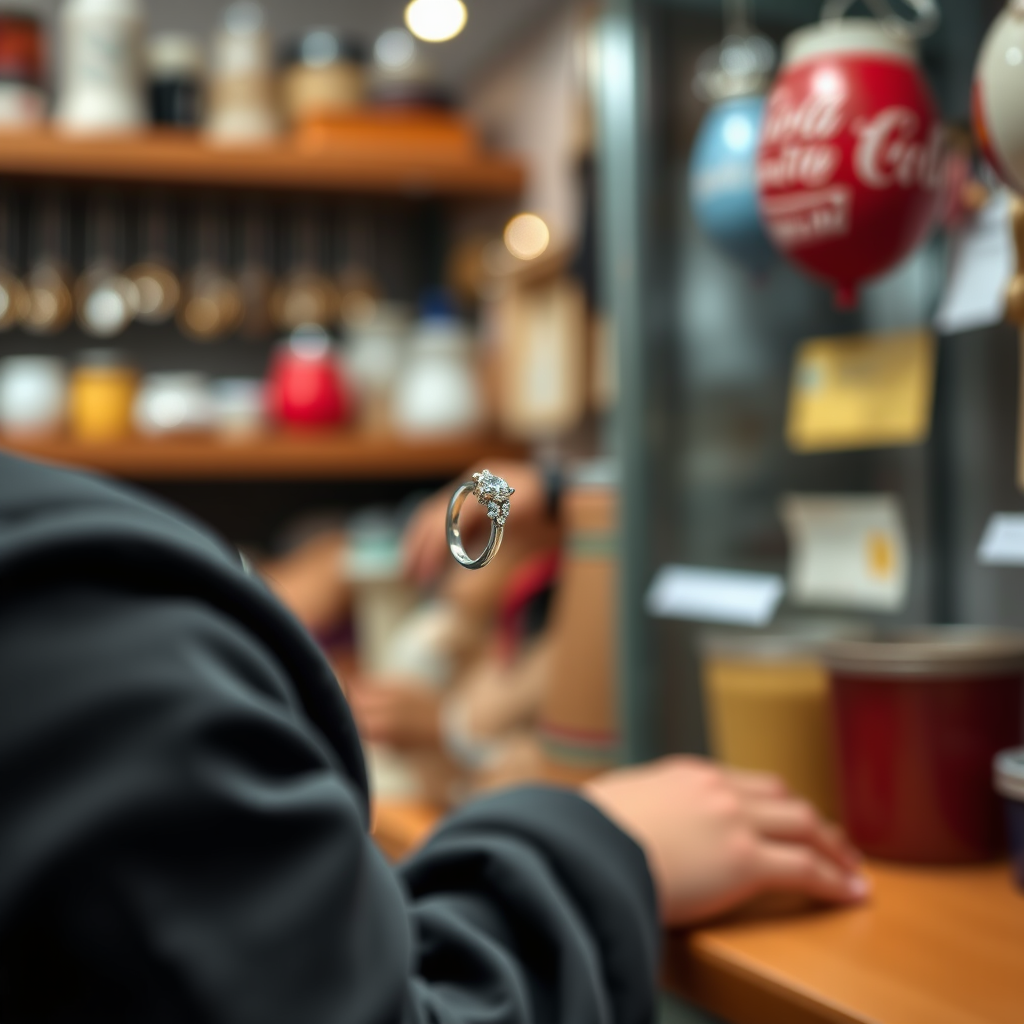
The material of your nose ring plays a significant role in preventing infections. Opt for hypoallergenic materials such as titanium, surgical steel, or 14k gold, as these materials are less likely to cause irritation or allergic reactions. Titanium is particularly favored in the piercing community due to its biocompatibility and resistance to tarnishing and corrosion. Surgical steel is another excellent choice, as it is durable and minimizes the risk of infection.
It is advisable to avoid cheap or costume jewelry, often made from alloys that can contain nickel or other irritants. Such materials can provoke allergic reactions, leading to inflammation and increasing the likelihood of infection. When selecting your jewelry, ensure that it is specifically designed for body piercings to ensure safety and comfort.
Follow Proper Aftercare
Following the aftercare instructions provided by your piercer is essential for healing. Each piercing may have specific care requirements, but general guidelines typically include cleaning the area 2-3 times a day. Take care not to over-clean, as this can lead to dryness and irritation.
During the healing process, it is crucial to avoid swimming in pools, hot tubs, or natural bodies of water. These environments can harbor bacteria and other pathogens that may enter your piercing, increasing the risk of infection. If you enjoy swimming, consider waiting at least 4-6 weeks before immersing yourself in water, and always consult with your piercer regarding the appropriate timeline for your specific healing process.
Avoid Irritation
Minimizing irritation is key to allowing your nose piercing to heal properly. It is advisable to refrain from sleeping on the side of your new piercing. This can prevent unnecessary trauma and pressure that may lead to complications. If you find it challenging to avoid this, consider using a travel pillow or adjusting your sleeping position to keep weight off the piercing.
Additionally, be cautious with hair products and makeup that may come into contact with the piercing. Hairsprays, gels, or makeup can introduce irritants and bacteria to the area. If possible, keep your hair tied back and avoid applying products near your face until your piercing has fully healed.
Monitor for Signs of Infection
Being vigilant about monitoring your piercing for signs of infection is crucial. Look for symptoms such as increased redness, swelling, or discharge that may have an unusual color or odor. While some redness and swelling are normal in the initial healing stages, persistent or worsening symptoms warrant immediate attention. If you notice any signs of infection, seek medical advice promptly. Early intervention can prevent complications such as abscess formation or scarring.
In some cases, your healthcare provider may recommend antibiotics or other treatments to address the infection. It’s essential to act quickly, as neglecting an infection can lead to more severe health issues.
Maintain a Healthy Lifestyle
Your overall health significantly impacts your body’s ability to heal. A balanced diet rich in vitamins and minerals supports the healing process. Focus on incorporating foods high in zinc, vitamin C, and protein, as these nutrients are vital for tissue repair and immune function. For instance, citrus fruits, leafy greens, lean meats, and nuts can enhance your body’s healing capabilities.
Staying hydrated is equally important, as adequate water intake helps maintain skin elasticity and supports overall cellular function. Additionally, managing stress through activities like exercise, yoga, or mindfulness can improve your body’s response to healing. Stress can negatively affect the immune system, making it imperative to prioritize mental well-being during the healing phase.
Regularly following these guidelines will help you maintain a healthy nose piercing and reduce the risk of infection. If you have any concerns, don’t hesitate to consult with your piercer or a healthcare professional for personalized advice. By being proactive and informed, you can enjoy your piercing while minimizing the risk of complications, allowing you to express your unique style confidently.
Frequently Asked Questions
What are the best aftercare practices to prevent a nose ring infection?
To prevent a nose ring infection, it’s crucial to follow proper aftercare practices. Clean the piercing daily with a saline solution or a gentle antiseptic, avoiding harsh chemicals like alcohol or hydrogen peroxide. Additionally, refrain from touching or twisting the ring, and ensure that you do not expose the area to unclean conditions, such as swimming pools or hot tubs, until it is fully healed.
How long does it take for a nose piercing to heal, and what should I watch for to prevent infection?
A nose piercing typically takes about 2 to 4 months to heal completely, but this can vary based on individual healing rates and aftercare practices. During the healing period, watch for signs of infection such as excessive redness, swelling, or pus. If you notice these symptoms, it’s essential to consult a healthcare professional to address the issue promptly.
Why is it important to use hypoallergenic jewelry for a nose piercing?
Using hypoallergenic jewelry for a nose piercing is crucial because materials like nickel can cause allergic reactions and increase the risk of infection. Hypoallergenic options, such as titanium or surgical stainless steel, are less likely to irritate the skin and promote faster healing. This choice can significantly reduce the chances of complications during the healing process.
Which cleaning solutions are safe for a nose ring to prevent infection?
Safe cleaning solutions include saline solution, which can be bought pre-made or made at home by mixing 1/4 teaspoon of non-iodized sea salt with 8 ounces of warm distilled water. Additionally, you can use mild antiseptics specifically formulated for piercings. Avoid using alcohol, peroxide, or scented soaps, as these can irritate the piercing and lead to infection.
What should I do if I suspect my nose ring is infected?
If you suspect your nose ring is infected, first, avoid removing the jewelry, as this can trap bacteria inside the wound. Clean the area gently with saline solution and avoid touching it unnecessarily. If symptoms like severe pain, persistent swelling, or pus persist, consult a healthcare professional for advice on appropriate treatment, which may include antibiotics or further care instructions.
References
- https://www.webmd.com/skin-problems-and-treatments/nose-piercing-care
- https://www.mayoclinic.org/healthy-lifestyle/adult-health/in-depth/piercings/art-20046159
- https://www.ncbi.nlm.nih.gov/pmc/articles/PMC4552823/
- https://www.healthline.com/health/piercing-care
- https://www.cdc.gov/niosh/topics/piercings/default.html