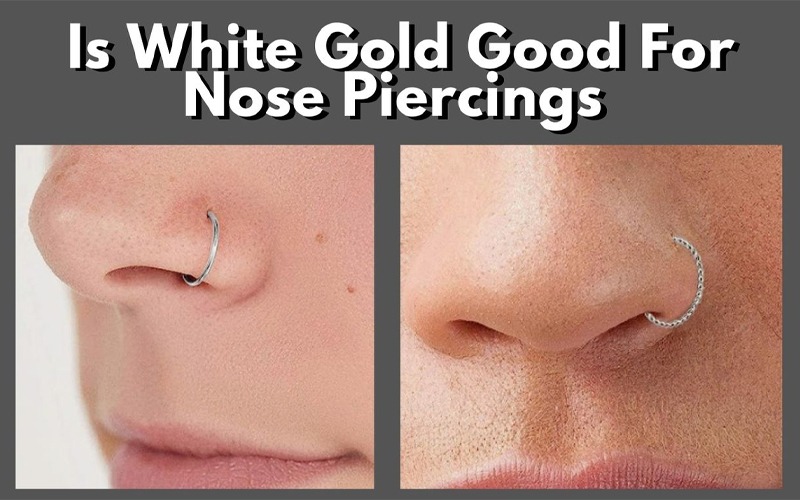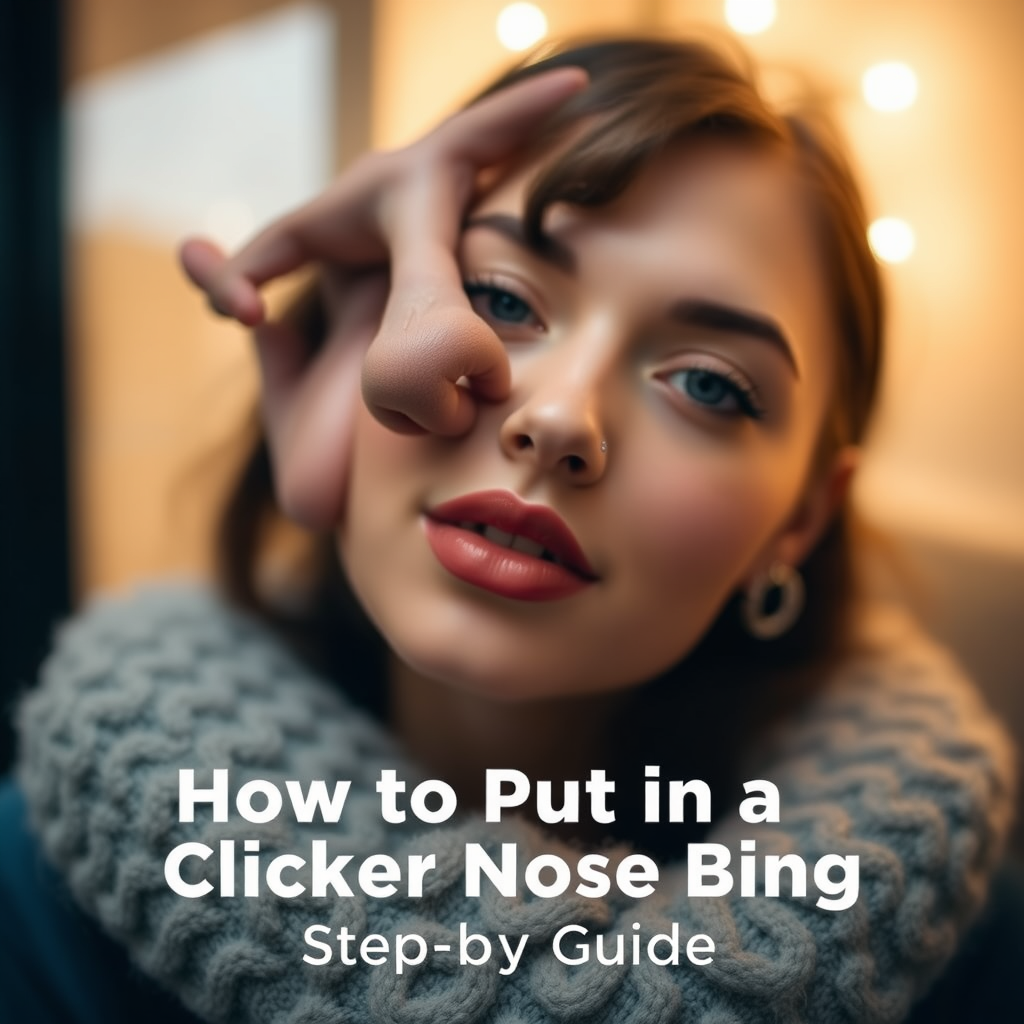
To put in a clicker nose ring, start by gently squeezing the clicker mechanism to open the ring. This simple action allows for an easy insertion into your nostril without discomfort. Clicker nose rings are lauded for their convenience and style, making them a popular choice for many who wish to adorn their piercings. In this guide, you’ll learn the best techniques for safely and effectively putting in a clicker nose ring, along with tips for maintenance and care that will ensure your piercing remains healthy and stylish.
Understanding Clicker Nose Rings

A clicker nose ring features a hinged design that allows for easy insertion and removal, making it an ideal choice for both new and seasoned piercings. Unlike traditional nose rings that may require threading, clicker rings can be opened and closed with a simple squeeze. This feature not only makes the process less daunting for those with limited experience but also allows for quick changes when you want to switch up your look.
Clicker nose rings are often made of high-quality materials like surgical steel or titanium, which are hypoallergenic and safe for most people. These materials are less likely to cause allergic reactions or irritations, making them an excellent choice for individuals with sensitive skin. Additionally, the polished finish of these metals helps in maintaining a clean appearance, minimizing the risk of tarnishing.
Preparing for Insertion

Preparation is key to a successful nose ring insertion. Begin by thoroughly cleaning your hands with soap and water to reduce the risk of infection. Next, clean the clicker nose ring using an antiseptic solution or alcohol wipes to ensure that any bacteria or contaminants are removed.
Using a mirror is highly recommended, especially for those who are new to nose piercings. A well-lit mirror provides better visibility, allowing you to position the ring accurately. You may also want to use a cotton swab to gently clean the area around your piercing, ensuring that there is no residue that could cause irritation during insertion.
The Insertion Process
Now that you are prepared, it’s time for the insertion process. Gently squeeze the clicker mechanism to open the ring wide enough for insertion. It’s important to do this slowly and carefully to avoid any discomfort. Position the ring at your nostril, aligning it with the piercing hole.
As you guide the ring through the piercing, do so with a steady hand. It should slide through smoothly; if you encounter resistance, stop and check the angle of insertion. Forcing the ring can cause pain or injury. Once the ring is through the piercing, you can release the clicker mechanism.
Securing the Clicker
After successfully inserting the ring, the next step is to secure it. To do this, gently squeeze the clicker mechanism again to close the ring. It’s crucial to listen for the audible ‘click’ that confirms the ring is locked into place. This sound ensures that the ring is secure and won’t fall out unintentionally.
To further ensure a proper fit, check that the ring sits comfortably against your nostril without pinching the surrounding skin. If necessary, make minor adjustments to avoid any discomfort.
Aftercare Tips
Proper aftercare is essential for maintaining a healthy piercing and preventing infection. Clean the area around your piercing regularly using a saline solution or a gentle antiseptic. This step helps remove any debris or bacteria that might accumulate.Avoid touching or twisting the nose ring unnecessarily; such actions can introduce bacteria and irritate the piercing. Additionally, it’s wise to avoid swimming in pools or hot tubs during the initial healing period, as chlorinated water can lead to complications.
If you find that your nose ring is causing irritation or discomfort, consider switching to a different material or consulting with a professional piercer to explore more comfortable options.
Troubleshooting Common Issues
Even with careful preparation and aftercare, you may encounter some common issues. If the ring feels uncomfortable or pinches the skin, double-check the fit and adjust as necessary. Sometimes, the angle of the ring might need a slight tweak to ensure comfort.
In cases where you experience swelling, pain, or unusual discharge from the piercing, it’s vital to seek professional help. These symptoms may indicate an infection or an allergic reaction to the metal, necessitating intervention from a healthcare provider or a professional piercer.
When to Seek Professional Help
If you encounter persistent pain, redness, or signs of infection, it’s important to see a professional. Don’t hesitate to reach out to a healthcare provider or a professional piercer for advice. Regular check-ins with your piercer can also be beneficial, as they can assess the healing process and offer personalized recommendations based on your unique situation.
For those who are new to body modifications, understanding the intricacies of your new piercing can be overwhelming. However, with the right guidance and support, you can navigate this journey confidently.
In summary, by following these steps, you can confidently put in and maintain your clicker nose ring. Prioritizing hygiene and comfort throughout the process is key to ensuring that your piercing not only looks great but also heals well. With a little practice and attention to care, you can enjoy your stylish new accessory while keeping your nose piercing healthy and vibrant.
Frequently Asked Questions
What is a clicker nose ring and how does it work?
A clicker nose ring is a type of body jewelry that features a hinged closure mechanism, making it easy to put in and take out. It typically consists of a circular band that “clicks” shut, providing a secure fit without the need for threading or screws. This design is especially popular for new piercings or for individuals who prefer hassle-free jewelry options.
How do I properly insert a clicker nose ring?
To insert a clicker nose ring, start by ensuring your hands are clean to avoid any infections. Gently pull up on your nose to create a larger opening, then align the ring with the piercing hole. Carefully slide the ring into place, ensuring the hinge clicks securely to lock it in. If you experience resistance, do not force it; instead, try adjusting the angle or checking for any swelling that may need to subside.
Why does my clicker nose ring feel uncomfortable after insertion?
Discomfort after inserting a clicker nose ring can be caused by several factors, such as swelling, irritation, or an improper fit. If your piercing is new, it may take time to adjust to the jewelry. Ensure that the ring is the correct size and material for your skin type, and consider consulting a professional piercer if discomfort persists or if you notice signs of infection.
What is the best material for a clicker nose ring?
The best materials for a clicker nose ring include surgical stainless steel, titanium, and niobium, as these are hypoallergenic and less likely to cause irritation. If you have sensitive skin or allergies, opt for titanium or niobium, which are known for their biocompatibility. Avoid jewelry made from nickel or lower-quality metals, as they can lead to allergic reactions and discomfort.
Which size clicker nose ring should I choose for my piercing?
The size of a clicker nose ring typically depends on the gauge of your piercing, which is usually between 20 and 18 gauges for nostril piercings. It’s essential to measure your piercing accurately or consult with your piercer to determine the correct size. A properly sized ring should fit snugly but comfortably without pinching or causing irritation, ensuring a secure hold while allowing for some movement.
References
- Nose piercing
- https://www.ncbi.nlm.nih.gov/pmc/articles/PMC6774937/
- https://www.healthline.com/health/nose-piercing-care
- https://www.aafp.org/pubs/afp/issues/2004/0601/p2371.html
- https://www.webmd.com/beauty/nose-piercing-care
- https://www.verywellhealth.com/nose-piercing-5194989