If you suspect an infection in your nose ring, the first step is to clean the area gently with saline solution and avoid removing the jewelry. This approach minimizes further irritation and allows for the healing process to commence. In this article, you’ll learn effective treatments, prevention tips, and when to seek professional help to ensure your piercing heals properly.
Understanding Nose Ring Infections
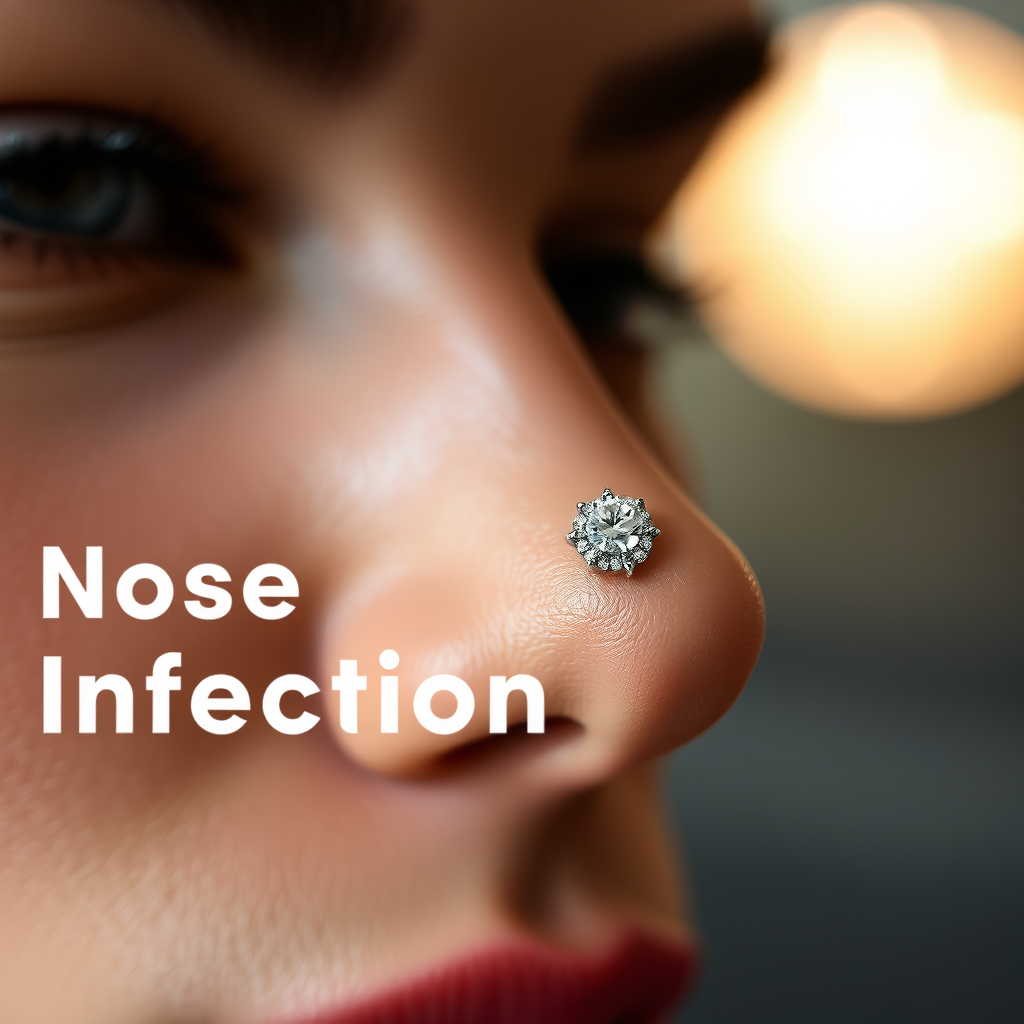
Nose ring infections can occur for various reasons, including the introduction of bacteria, poor hygiene practices, or allergic reactions to the jewelry material. The nose, being a sensitive area with a rich supply of blood vessels, can be particularly susceptible to infections. Symptoms of a nose ring infection typically manifest as redness and swelling around the piercing site. You may also experience pain, tenderness, and discharge that can range from clear to cloudy or even foul-smelling. Understanding these symptoms is crucial, as early detection can significantly improve your treatment outcomes and overall healing experience.
Initial Cleaning and Care
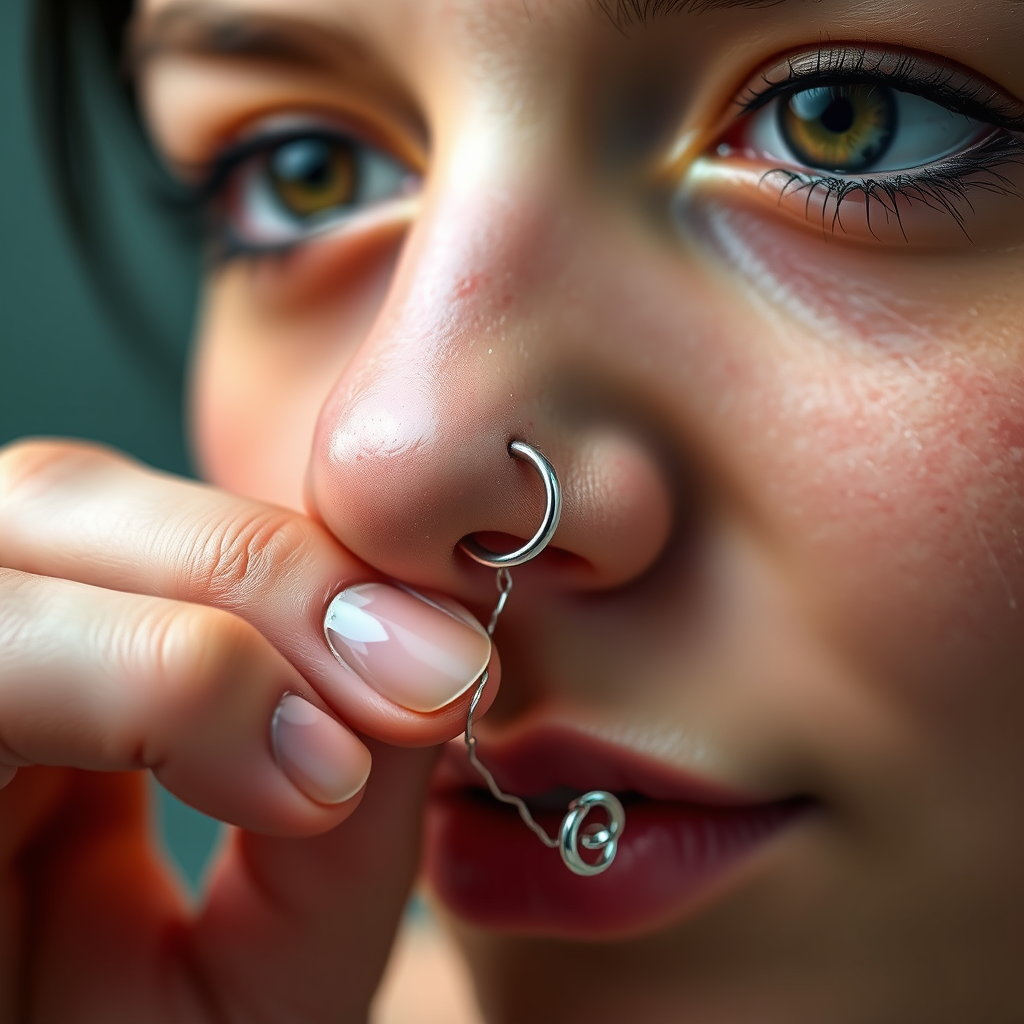
Proper initial cleaning and care are fundamental steps in addressing a potential nose ring infection. It is essential to use a saline solution or a mild antibacterial soap to cleanse the area twice daily. Saline solution can be easily prepared at home by dissolving a teaspoon of non-iodized sea salt in a cup of warm distilled water. This solution helps to create an inhospitable environment for bacteria while promoting healing. It’s vital to avoid using alcohol or hydrogen peroxide, as these substances can irritate the skin and slow down the healing process. Instead, pat the area dry with a clean paper towel or let it air dry to avoid introducing additional bacteria.
Home Remedies for Treatment
In addition to proper cleaning, several home remedies can aid in treating a nose ring infection. One effective method is to apply a warm compress to the affected area. The warmth not only provides comfort but also helps stimulate blood flow, which can promote healing and reduce swelling. Simply soak a clean cloth in warm water, wring it out, and place it against the piercing for about 10-15 minutes, several times a day.
Natural antibacterial agents such as tea tree oil or chamomile tea bags can also be beneficial. Tea tree oil, known for its antiseptic properties, should be diluted with a carrier oil (like coconut or jojoba oil) before application. Apply a small amount to the infected area using a clean cotton swab. Chamomile tea bags can be used as a compress; steep a bag in hot water, allow it to cool, and then place it on the piercing to help soothe irritation and reduce inflammation.
When to Seek Professional Help
While many nose ring infections can be treated at home, it is essential to know when to seek professional help. If symptoms worsen or do not improve within a few days, consulting a healthcare provider is crucial. Signs of a serious infection may include a fever, increased pain, or pus that has a foul odor. These symptoms can indicate a more severe infection that may require prescription antibiotics or even drainage. Early intervention can prevent complications and facilitate a more straightforward recovery process.
Preventing Future Infections
Preventing future infections is often easier than treating them. One fundamental practice is to always wash your hands thoroughly before touching your nose ring. This simple step can significantly reduce the likelihood of transferring bacteria to your piercing. Furthermore, it’s essential to choose high-quality jewelry made of materials that are less likely to cause allergic reactions, such as surgical stainless steel, titanium, or niobium. Avoid jewelry made from materials like nickel, which can provoke irritation and allergic responses.
Additionally, be mindful of your environment. Avoid swimming pools, hot tubs, or bodies of water until your piercing is completely healed, as these can introduce harmful bacteria. Lastly, refrain from changing your jewelry too soon; typically, it’s recommended to wait at least 3-6 months before considering any changes, depending on individual healing rates.
Aftercare for Nose Piercings
Proper aftercare is critical for ensuring the longevity and health of your nose piercing. Keeping the area clean is paramount; along with your twice-daily saline solution applications, avoid any harsh products. It’s also essential to refrain from touching or playing with the jewelry, as this can introduce bacteria and disrupt the healing process.Follow the specific aftercare instructions given by your piercer, which may include avoiding makeup around the area and steering clear of excessive sun exposure. Be patient, as healing times can vary from person to person. If you notice any changes that concern you, don’t hesitate to reach out to your piercer or a healthcare professional for guidance.
Maintaining a clean environment and following sound aftercare practices can significantly enhance the healing process and reduce the risk of complications.
Regularly cleaning your nose ring and being aware of infection signs can help ensure a healthy healing process. If you experience persistent issues, don’t hesitate to reach out to a healthcare professional for advice. Taking proactive steps can not only protect your piercing but also enhance your overall experience with body jewelry.
Frequently Asked Questions
What are the signs of a nose ring infection?
Signs of a nose ring infection typically include redness, swelling, pain, and warmth around the piercing site. You may also notice pus or discharge, which can be yellow or greenish in color. If you experience fever or increased pain, it’s important to seek medical attention, as these can be indicators of a more serious infection.
How can I treat a nose ring infection at home?
To treat a nose ring infection at home, start by cleaning the area gently with saline solution or a mild antiseptic. Avoid removing the nose ring, as this can trap bacteria inside. You can also apply a warm compress to alleviate pain and reduce swelling. If symptoms persist after a few days, consult a healthcare professional for further evaluation.
Why did my nose ring get infected?
Nose ring infections can occur due to several factors, including improper aftercare, using non-sterile jewelry, or touching the piercing with dirty hands. Additionally, if the piercing is too tight or if there was trauma to the area, it can create an environment conducive to bacterial growth. Maintaining proper hygiene and following aftercare instructions can help prevent future infections.
What is the best antiseptic for treating a nose ring infection?
The best antiseptics for treating a nose ring infection include saline solution and diluted hydrogen peroxide, as they are gentle yet effective in cleaning the area without causing irritation. Witch hazel and tea tree oil can also be beneficial for their antimicrobial properties. Always perform a patch test to ensure no allergic reaction occurs before applying to the infected area.
Which types of nose jewelry are less likely to cause infections?
Hypoallergenic materials such as surgical stainless steel, titanium, and gold (14k or higher) are less likely to cause infections due to their biocompatibility. Avoid jewelry made from nickel or low-quality metals, as these can irritate the skin and increase the risk of infection. When selecting nose jewelry, prioritize options that are specifically designed for sensitive skin to ensure a safe healing process.
References
- https://www.healthline.com/health/nose-piercing-infection
- https://www.webmd.com/skin-problems-and-treatments/what-to-know-about-nose-piercing-infections
- https://www.mayoclinic.org/diseases-conditions/piercing-infection/symptoms-causes/syc-20358601
- https://www.cdc.gov/niosh/topics/skin/infections.html
- https://www.medicalnewstoday.com/articles/nose-piercing-infections
- https://www.verywellhealth.com/nose-piercing-infection-5184777
- https://www.ncbi.nlm.nih.gov/pmc/articles/PMC5050637/