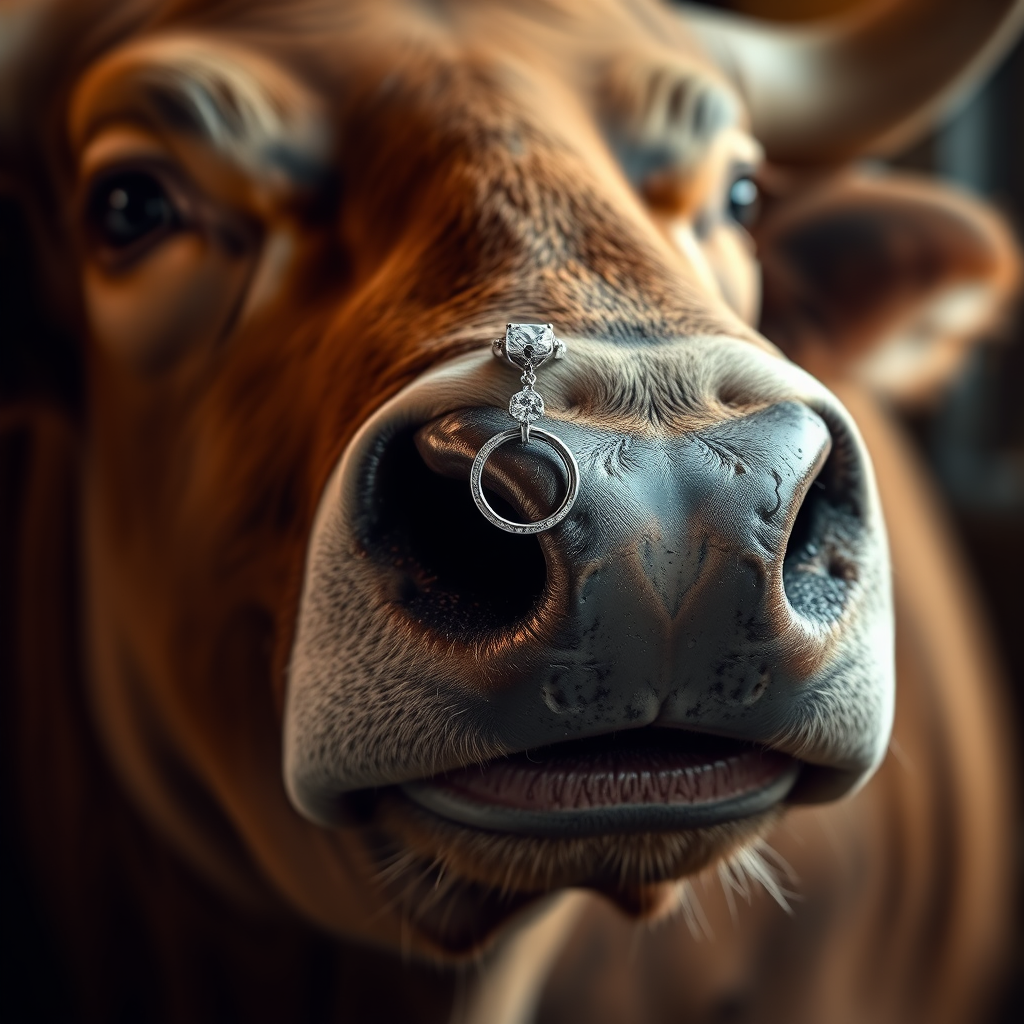
Putting a ring in a bull’s nose is primarily done for control and handling purposes. It helps farmers and handlers manage large and powerful animals more effectively, ensuring safety for both the animals and humans involved. This practice, while sometimes controversial, serves as a crucial tool in livestock management, allowing for safer interactions and more manageable behavior from these formidable creatures. In this article, we will explore the reasons behind this practice, its benefits, and the ethical considerations surrounding it.
The Purpose of Nose Rings
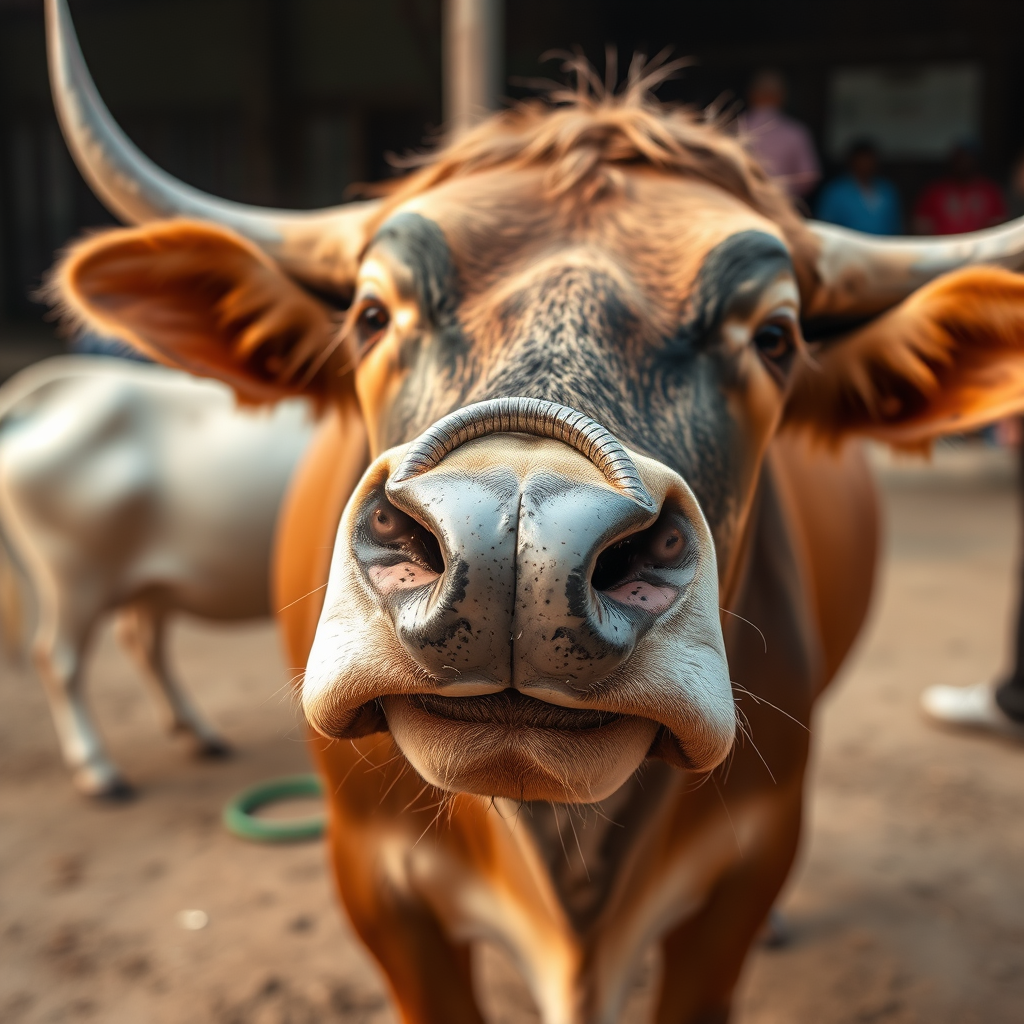
– Control: Nose rings are an effective means of controlling bulls, which can weigh over a thousand pounds and possess considerable strength. By inserting a ring into the nose, handlers can attach a lead or rope, allowing for easier guidance of the animal during various activities such as herding, loading into trailers, or veterinary care. This method of control is particularly important in environments where safety is paramount, such as during breeding or when working in confined spaces.
– Safety: The safety of both the animal and the handler is a primary concern in livestock management. Bulls can exhibit unpredictable behavior, especially when frightened or agitated. The nose ring provides a quick and effective way to restrain the animal, reducing the potential for injury. This is particularly beneficial in farm settings where multiple animals are present and interactions can become chaotic. By using a nose ring, farmers can significantly lower the risks of accidents, ensuring a safer working environment.
Historical Context of Nose Rings
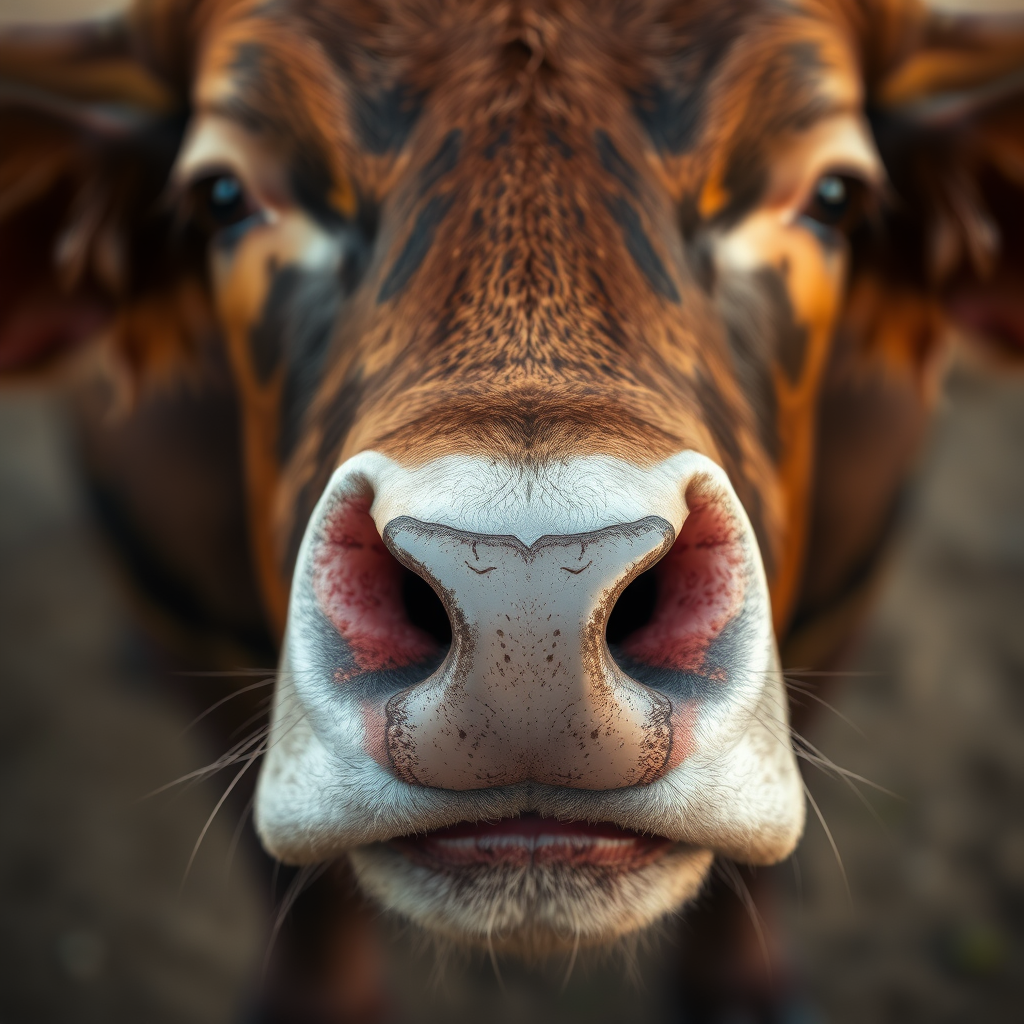
– Tradition: The use of nose rings in livestock is not a modern invention; it has deep historical roots in various agricultural cultures around the world. Historically, nose rings were employed as a means of domestication, allowing early farmers to manage their animals effectively. In many cultures, including those in Africa and Asia, the practice has been a standard method for handling large herbivores.
– Evolution: Over time, the methods and materials used for nose rings have evolved significantly. Modern designs focus on minimizing discomfort and maximizing safety for the animal. Innovations such as lightweight materials and ergonomic designs have emerged, reflecting a growing understanding of animal welfare. Today, many farmers use nose rings in conjunction with other humane practices, contributing to a more holistic approach to livestock management.
Benefits of Using Nose Rings
– Behavioral Management: One of the key benefits of nose rings is their ability to deter aggressive behaviors in bulls. By providing a physical reminder of restraint, nose rings can discourage unwanted actions, making bulls easier to handle. This is particularly important in breeding contexts, where aggression can pose serious risks.
– Training Aid: Nose rings can also serve as effective training tools. When used appropriately, they can facilitate the establishment of a bond between the animal and its handler. For instance, with consistent and positive reinforcement, handlers can use the nose ring to guide bulls through complex tasks, reinforcing good behavior and obedience. This training can lead to improved cooperation during routine activities and veterinary check-ups.
Ethical Considerations
– Animal Welfare: The ethical implications of using nose rings cannot be overlooked. Critics argue that the practice can be invasive and may cause distress to the animal. It is essential for farmers and handlers to ensure that the rings are applied humanely and that they do not inflict pain. Ensuring proper placement and monitoring can help mitigate any potential discomfort.
– Alternatives: As the conversation around animal welfare continues to evolve, many are exploring alternatives to nose rings for managing bulls. Some farmers are turning to training techniques that rely on positive reinforcement rather than physical restraints. Options such as halters, which can also provide control without the potential invasiveness of a nose ring, are becoming more prevalent in livestock management strategies.
Common Misconceptions
– Pain vs. Control: A common misconception is that nose rings cause significant pain and discomfort to bulls. However, when used correctly, these rings are designed to minimize distress. The pain associated with a nose ring is typically transient and can be managed effectively. Understanding the anatomy of a bull’s nose can help clarify why nose rings do not necessarily equate to suffering.
– Variability in Use: Another misconception is that all farmers use nose rings as a standard practice. In reality, the use of nose rings varies significantly across different farming operations. Many factors influence this decision, including the individual farmer’s experience, the specific breed of bull, and the intended use of the animals. It is crucial to recognize that practices in livestock management are not one-size-fits-all and can differ widely based on individual circumstances.
Best Practices for Implementing Nose Rings
– Proper Techniques: When implementing nose rings, it is vital to follow best practices to ensure the well-being of the animal. This includes selecting the appropriate size and type of ring, as well as ensuring it is placed correctly to avoid injury. Handlers should be trained in the proper techniques for fitting and using nose rings, which can help prevent complications and ensure a positive experience for the animal.
– Regular Monitoring: Regular monitoring of both the nose ring and the animal’s health is essential. Handlers should conduct routine checks to ensure that the ring is not causing irritation or infection. Additionally, monitoring the bull’s behavior and overall health can provide early warning signs of potential issues, allowing for timely intervention if necessary.
In conclusion, the practice of putting a ring in a bull’s nose serves important purposes in livestock management, including enhancing control and ensuring safety for both animals and handlers. While there are ethical considerations and potential alternatives to consider, nose rings remain a valuable tool for many farmers. By adhering to best practices and maintaining a focus on animal welfare, handlers can implement this technique effectively and humanely. It is essential for those involved in animal agriculture to stay informed about best practices and evolving techniques in animal handling, ensuring both ethical treatment and operational efficiency.
Frequently Asked Questions
Why do farmers put a ring in a bull’s nose?
Farmers put a ring in a bull’s nose primarily for safety and control. The ring acts as a method of restraint, allowing handlers to manage the bull more easily, especially during breeding or transportation. Bulls can be aggressive, and the nose ring helps to direct their movements and reduce the risk of injury to both the animal and the handlers.
How does a nose ring affect a bull’s behavior?
A nose ring can significantly alter a bull’s behavior by providing a physical point of leverage that handlers can use to guide the animal. When properly used, the ring can help calm aggressive tendencies by allowing handlers to exert gentle pressure, which encourages the bull to respond more obediently. However, it is essential to use the ring ethically and sparingly to avoid causing unnecessary stress or pain to the animal.
What are the alternatives to using a nose ring on bulls?
There are several alternatives to using a nose ring, including halters, headgates, and cattle prods, which can help manage bulls without the need for a ring. Many farmers also use training techniques to teach bulls to respond to verbal commands or body language, fostering a more trusting relationship. Additionally, some ranchers explore gentler handling methods, focusing on low-stress livestock management practices.
Which type of nose ring is best for bulls?
The best type of nose ring for bulls typically depends on the individual animal and its temperament. Most commonly, farmers use a simple cattle nose ring, which is designed to be safe and effective. It’s crucial to choose a ring made from durable materials and ensure that it is properly sized and fitted to prevent discomfort and injury.
What are the risks associated with putting a ring in a bull’s nose?
While a nose ring can be beneficial, there are risks involved, including the potential for pain and injury if not properly inserted or maintained. If the ring is too tight or not fitted correctly, it can lead to infections or irritation. Additionally, if a bull becomes agitated, the ring can be a point of leverage that may cause injury to both the animal and its handlers, emphasizing the importance of proper training and care.
References
- Bull ring
- Home – Ranching Heritage Association
- https://www.extension.umn.edu/agriculture/animal-science/bull-management/
- https://www.ncbi.nlm.nih.gov/pmc/articles/PMC4719552/
- https://www.agriculture.gov.au/animal/welfare/standards-and-guidelines/bulls
- Factory Farming: The Industry Behind Meat and Dairy | PETA
- https://www.tn.gov/agriculture/businesses/animal-health/bull-management.html