Yes, you can change your nose stud to a ring, but it’s crucial to consider the healing status of your piercing and the type of jewelry you select. Switching from a stud to a ring can enhance your style and provide a different aesthetic, but careful attention to timing, material, and maintenance is essential to ensure a safe and comfortable transition. In this article, we’ll explore the healing process, jewelry options, and best practices for making the switch successfully.
Understanding the Healing Process

Before changing your nose jewelry, it is essential to understand the healing process of your piercing. Typically, a nose piercing takes about 6 to 12 weeks to heal adequately, depending on individual factors such as skin type and aftercare routines. During this healing period, your body forms new tissue around the jewelry, which can make it sensitive and susceptible to irritation if changed prematurely.
Monitoring your piercing for signs of irritation or infection is critical. Look for symptoms such as redness, swelling, discharge, or increased sensitivity. If any of these occur, it is best to wait until the symptoms subside and the piercing is fully healed before attempting to change your jewelry. When in doubt, consult with a professional piercer who can assess the condition of your piercing and advise you on the right timing for a change.
Choosing the Right Jewelry
Choosing the right jewelry for your new nose ring is crucial for both comfort and style. First and foremost, ensure that the gauge of the ring matches that of your stud. A mismatch can lead to discomfort or complications in healing. Most nose piercings are done with a 20-gauge needle, so selecting a ring of the same gauge is advisable.
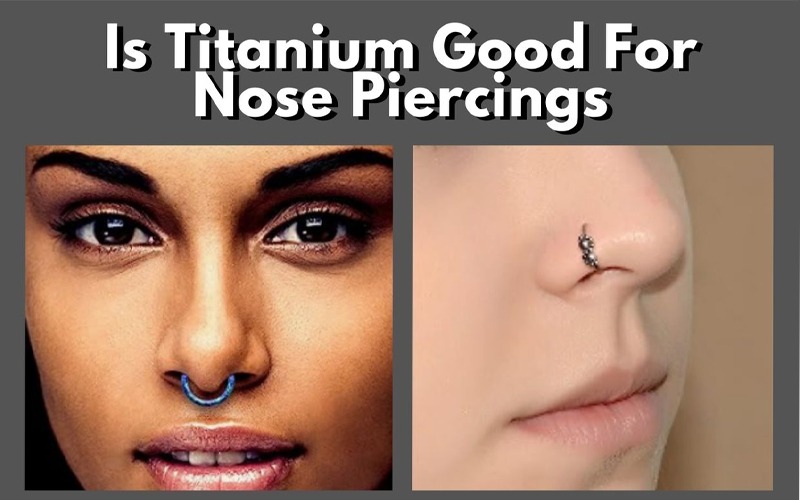
Material is another vital factor to consider. Hypoallergenic materials such as surgical stainless steel, titanium, or gold are excellent options. These materials are less likely to cause allergic reactions or irritate sensitive skin. Avoid materials like nickel, which can provoke reactions in some individuals. When selecting your jewelry, consider factors such as your lifestyle and skin sensitivity to ensure a comfortable fit.
Types of Nose Rings Available
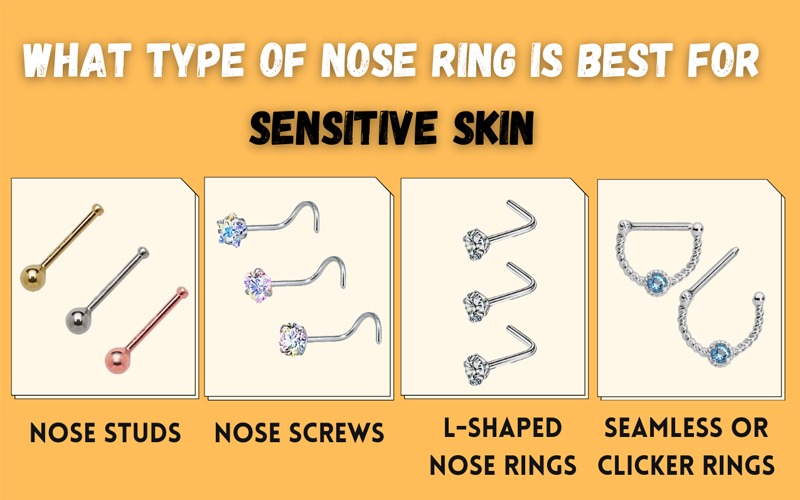
The market offers a variety of nose rings, each providing a unique style and fit. Common types include hoops, captive bead rings, and clickers. Hoops come in various diameters and can be worn for a classic look, while captive bead rings feature a bead that holds the circular shape and is more secure. Clickers are a more modern option, designed for easy wear and removal with a hinged segment.
When selecting a type, consider the fit in relation to your face shape. For instance, smaller hoops can accentuate delicate features, while larger hoops may suit more angular facial structures. Additionally, ensure that the ring is comfortable and snug without being overly tight, which can lead to irritation or complications.
When to Make the Change
Timing is essential when it comes to changing your nose jewelry. The best time to switch from a stud to a ring is when your piercing is fully healed, which you can confirm through the absence of discomfort, irritation, or discharge. It is advisable to change your jewelry during a clean and dry period, as moisture can increase the risk of bacterial growth and infection.
If you are uncertain about making the change, consider transitioning gradually. Start with a smaller ring that matches the size of your stud to minimize discomfort. This approach allows your piercing to adjust to the new jewelry without overwhelming it. Always ensure that your hands and any tools you use are clean to prevent introducing bacteria into the piercing.
Care Instructions After Change
After changing your nose stud to a ring, maintaining proper care is vital for ensuring a healthy healing process. Begin by cleaning the area around your piercing regularly. A saline solution or a gentle antiseptic can help keep the piercing clean and free from irritants. Avoid using harsh soaps or alcohol-based products, as these can dry out the skin and irritate the piercing.
Additionally, be cautious with the application of heavy makeup or skincare products near your nose piercing. These products can clog the area and potentially lead to complications. If you experience any irritation, refrain from touching or fiddling with the jewelry and consult a professional if symptoms persist.
Common Concerns and FAQs
When changing your nose jewelry, you may have concerns about discomfort or potential risks. Understand that mild pain or sensitivity can occur during the transition, especially if you are not accustomed to the new jewelry. However, if you experience severe pain, prolonged swelling, or unusual discharge, it is important to seek advice from a professional piercer or healthcare provider.
Identifying the symptoms of infection or allergic reactions can also help in addressing any issues early. Common signs include excessive redness, warmth around the piercing, or pus-like discharge. If you suspect an infection, avoid changing your jewelry until the issue is resolved, and seek medical attention if necessary.
Maintaining a nose piercing can be straightforward if you follow the right steps. If you’re considering changing your nose stud to a ring, ensure your piercing is fully healed, choose the right jewelry, and follow proper care practices to enjoy your new look safely. For further assistance or more tips, don’t hesitate to reach out to a professional piercer.
Frequently Asked Questions
Can I change my nose stud to a ring immediately after getting pierced?
It is generally not recommended to change your nose stud to a ring immediately after getting pierced. Most experts suggest waiting at least 6 to 8 weeks for the piercing to fully heal before making any changes. Changing the jewelry too soon can lead to irritation, infection, or improper healing of the piercing.
How do I know when it’s safe to switch from a nose stud to a ring?
To determine when it is safe to switch from a nose stud to a ring, you should ensure that your piercing has healed completely. Signs of healing include reduced redness, no swelling, and minimal pain or tenderness. If you’re unsure, consulting with a professional piercer can provide guidance based on your specific healing progress.
What type of ring should I choose when switching from a nose stud?
When switching from a nose stud to a ring, it’s best to choose materials that are hypoallergenic and suitable for sensitive skin, such as titanium or surgical stainless steel. Additionally, consider the style of the ring; hoop rings, captive bead rings, or seamless rings are popular choices. Ensure the diameter and gauge of the ring match your piercing to avoid complications.
Why do some people prefer rings over studs for their nose piercings?
Many people prefer rings over studs for their nose piercings due to the versatility and aesthetic appeal that rings can offer. Nose rings can create a unique look, allowing for various designs and styles, such as hoops or embellished rings, which can enhance facial features. Additionally, some individuals find rings more comfortable as they can move more freely compared to a stud.
Which aftercare tips should I follow after changing my nose stud to a ring?
After changing your nose stud to a ring, it’s crucial to follow proper aftercare to prevent infection or irritation. Clean the area gently with saline solution or an antiseptic recommended by your piercer, and avoid touching the piercing with unwashed hands. It’s also important to monitor for any signs of infection, such as increased redness or discharge, and consult a healthcare professional if any issues arise.
References
- Nose piercing
- https://www.ncbi.nlm.nih.gov/pmc/articles/PMC6460378/
- https://www.mayoclinic.org/healthy-lifestyle/adult-health/in-depth/piercings/art-20045582
- https://www.healthline.com/health/nose-piercing-care
- https://www.verywellhealth.com/nose-piercing-care-5179150
- Tegaserod in Patients with Irritable Bowel Syndrome | AAFP
- https://www.ncbi.nlm.nih.gov/pmc/articles/PMC6460378/
- https://www.webmd.com/beauty/how-to-care-for-a-nose-piercing
- https://www.cdc.gov/niosh/topics/piercing.html