Wearing a nose ring during an MRI is generally not recommended due to the potential safety risks and the possibility of image distortion. MRI machines utilize powerful magnets that can attract metal objects, which may lead to injury or interfere with the diagnostic quality of the images produced. Understanding the implications of wearing metal jewelry during an MRI is essential for ensuring both your safety and the accuracy of your medical evaluation. In this article, we’ll delve into the reasons behind this guideline, explore the types of nose rings available, discuss alternatives, and provide crucial information to prepare for your MRI appointment.
Why Metal Jewelry is a Concern in MRI

MRI (Magnetic Resonance Imaging) machines operate using exceptionally strong magnets, which can reach thousands of times the strength of the Earth’s magnetic field. When metal jewelry, such as a nose ring, is introduced into this environment, it can be attracted to the magnet, posing a serious risk of injury to the patient. Metal objects can not only be drawn rapidly towards the magnet but can also become projectiles, potentially causing harm to both the patient and the MRI staff.
In addition to safety concerns, metal jewelry can adversely affect the quality of the MRI images. The presence of metal can create artifacts, which are distortions that interfere with the clarity of the images captured during the scan. This can lead to misinterpretations of the results, potentially resulting in misdiagnosis or inadequate treatment planning. For these reasons, the safety protocols in MRI facilities typically mandate the removal of all metal jewelry before undergoing the procedure.
Types of Nose Rings and Their Materials
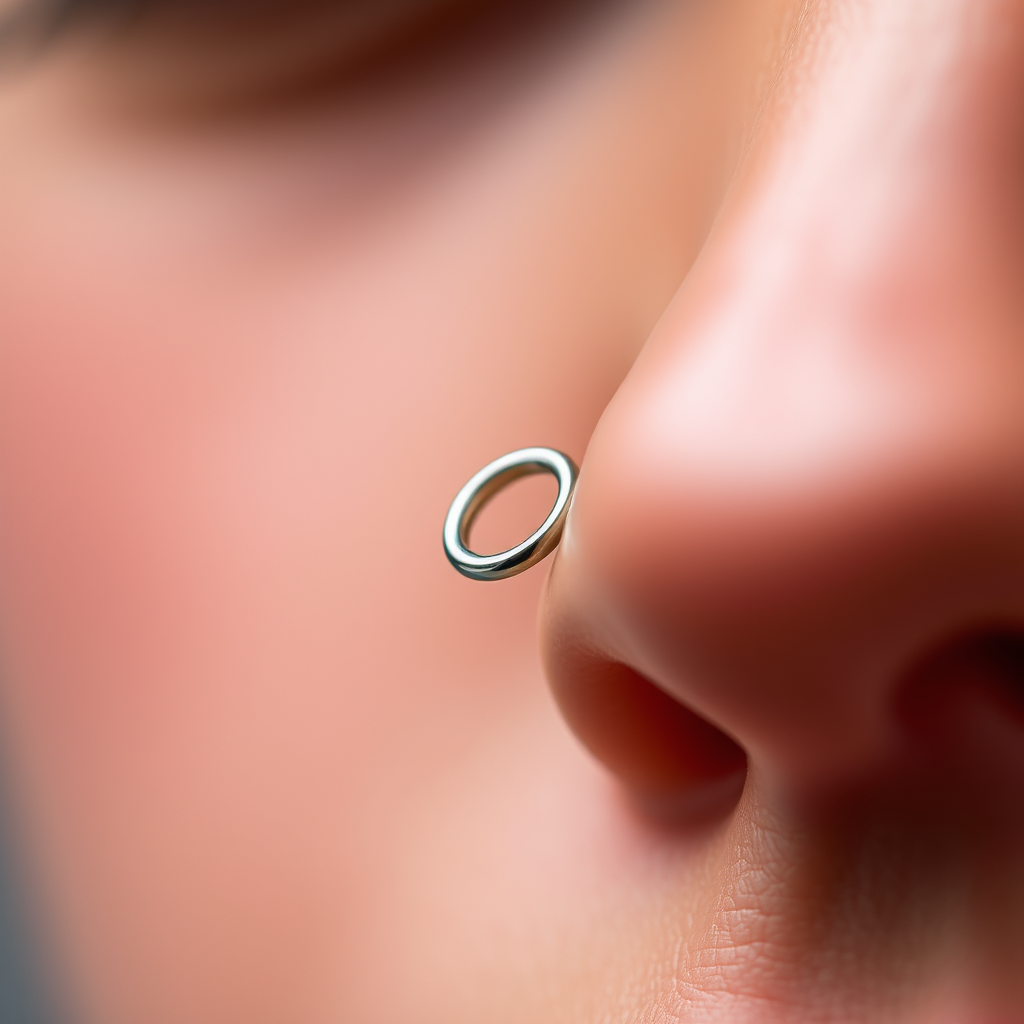
Nose rings come in various styles and materials, each with different implications when it comes to MRI safety. The most common materials used in nose rings include:
– Surgical Steel: While it is commonly used due to its durability and resistance to corrosion, surgical steel contains nickel, which can pose risks in an MRI environment.
– Titanium: This metal is often considered the safest option for MRI procedures because it is non-ferromagnetic, meaning it will not be attracted to the MRI’s magnetic field. Many patients with titanium jewelry can safely undergo an MRI without adverse effects.
– Nickel: Frequently found in cheaper jewelry, nickel is ferromagnetic and can be attracted to MRI machines, leading to safety hazards and image distortion.
– Bioplast or Acrylic: These non-metallic options are also popular among those with sensitivities to metal. They are generally safe for MRI and can be a good alternative for patients who need to keep their piercings during the scan.
When considering a nose ring, it’s essential to choose a material that minimizes risks associated with MRI procedures. Discussing your options with a professional piercer can provide insights into which materials are most suitable for frequent MRI patients.
Guidelines for Wearing Jewelry During MRI
Most MRI facilities adhere to strict protocols regarding the removal of metal jewelry before scans. Patients are typically instructed to remove all metal items, including rings, necklaces, bracelets, and earrings, to ensure both safety and optimal imaging results. In some cases, healthcare providers may ask patients to remove additional items, such as watches or any clothing with metal fasteners.
For individuals with piercings, it is crucial to discuss the situation with the healthcare provider before the MRI appointment. Healthcare professionals can provide personalized recommendations based on the type of jewelry, the material, and the specific area of the body being scanned. This proactive communication can help alleviate concerns and ensure that all necessary precautions are taken.
Alternatives to Wearing a Nose Ring
If you are concerned about removing your nose ring before an MRI, there are several alternatives to consider. One option is to use a non-metallic retainer or spacer, which can be worn during the MRI procedure. These retainers are typically made from materials such as bioplast or acrylic and do not pose any risk to the MRI process.
Another alternative is to consult with your piercer regarding the possibility of temporarily removing the nose ring. Many piercers are experienced in safely removing and reinserting jewelry, and they can provide guidance on how to preserve the integrity of your piercing during this process. This option is particularly useful for those with fresh piercings, as it minimizes the risk of closure or infection.
What to Expect During an MRI Appointment
When you arrive for your MRI appointment, you will typically be asked to change into a gown and remove all jewelry, including any nose rings. The MRI technician will take the time to explain the procedure in detail, addressing any concerns or questions you may have. It’s essential to communicate openly with the technician about your piercings and any specific needs you may have.
During the MRI, you will lie down on a padded table that slides into the MRI machine. The process is painless and non-invasive, but it does require you to remain as still as possible to ensure clear images. The technician will monitor you throughout the procedure and may provide instructions via an intercom system.
Preparing for Your MRI
Preparation is key to ensuring a smooth MRI experience. It is advisable to arrive early to allow for check-in and to complete any necessary paperwork. Before your appointment, take the time to review your medical history and be prepared to discuss any concerns regarding your nose ring or other piercings with the MRI staff.
If you have questions about specific materials or alternatives for your nose ring, do not hesitate to reach out to the MRI facility beforehand. Many facilities have dedicated staff available to assist with pre-appointment inquiries and can provide tailored advice based on your individual circumstances.
In conclusion, wearing a nose ring during an MRI is generally discouraged due to safety concerns and the potential for image distortion. It is essential to understand the implications of metal jewelry in an MRI environment and to discuss any questions or preferences with your healthcare provider. By exploring alternative options and preparing adequately for your MRI appointment, you can ensure a safe and effective diagnostic experience. If you remain uncertain about your specific situation, contacting your MRI facility for personalized guidance can provide additional peace of mind.
Frequently Asked Questions
Can you wear a nose ring during an MRI?
Generally, it is advised to remove any metal jewelry, including nose rings, before undergoing an MRI. The MRI machine uses powerful magnets that can interact with metal, potentially causing discomfort or even injury. Although some nose rings are made from non-ferrous materials, it’s best to consult with your MRI technician or doctor for specific recommendations.
Why is it important to remove metal jewelry before an MRI?
Removing metal jewelry before an MRI is crucial because metallic objects can interfere with the imaging process. The magnets in the MRI machine can attract metal, leading to movement or distortion of images, which can compromise diagnostic accuracy. Additionally, metal can cause heating or injury during the scan, so it’s a safety precaution to take off all metal items, including nose rings.
What should I do if I can’t remove my nose ring before an MRI?
If you are unable to remove your nose ring due to healing or sensitivity, inform your MRI technician prior to the procedure. They may offer alternatives, such as using a non-metallic retainer or providing guidance on the best practices for your specific situation. Always prioritize communication with medical professionals to ensure your safety and the quality of the MRI results.
How long after getting a nose piercing should I wait before having an MRI?
It’s generally recommended to wait at least six weeks after getting a nose piercing before undergoing an MRI. This waiting period allows the piercing to heal adequately, reducing the risk of irritation or infection when the jewelry is removed. However, always consult your piercer and healthcare provider for personalized advice based on your healing process and the specific MRI requirements.
Which types of nose rings are safe to wear during an MRI?
Most traditional nose rings, particularly those made of metal, should be removed before an MRI. However, some medical-grade plastic or non-metallic retainers may be safe alternatives. If you are concerned about your nose ring during an MRI, discuss this with your healthcare provider, who can recommend suitable options that pose minimal risk during the scan.
References
- https://www.ncbi.nlm.nih.gov/pmc/articles/PMC6317092/
- Pediatric MRI
- Highly experienced diagnosis and treatment for dural arteriovenous fistulas – Mayo Clinic
- https://www.webmd.com/brain/mri-what-to-expect
- https://www.hopkinsmedicine.org/health/treatment-tests/mri-what-to-expect