Wearing a nose ring during an MRI is generally not recommended. While it may not always pose a significant risk, most healthcare providers advise removing all metal jewelry, including nose rings, before the procedure. This precaution is primarily due to safety concerns and the potential for image distortion. In this article, we will delve into the reasons behind this recommendation and what you should consider before your MRI appointment.
Understanding MRI and Its Magnetic Field

Magnetic Resonance Imaging (MRI) machines utilize powerful magnets to generate detailed images of the inside of the body. These magnets create a strong magnetic field, which is essential for the MRI’s imaging capabilities. When a patient enters the MRI machine, the magnetic field aligns the hydrogen atoms in the body, allowing for the capture of high-resolution images. However, metal objects can disrupt this magnetic field. When metal is present, it can interfere with the MRI’s operation, leading to potential safety hazards or image distortion. For example, metal objects can cause artifacts in the images, making it difficult for radiologists to accurately diagnose conditions based on the scans. Thus, understanding the nature of MRI technology is crucial for patients to grasp the importance of removing all metal accessories prior to their appointment.
Risks of Wearing a Nose Ring During MRI
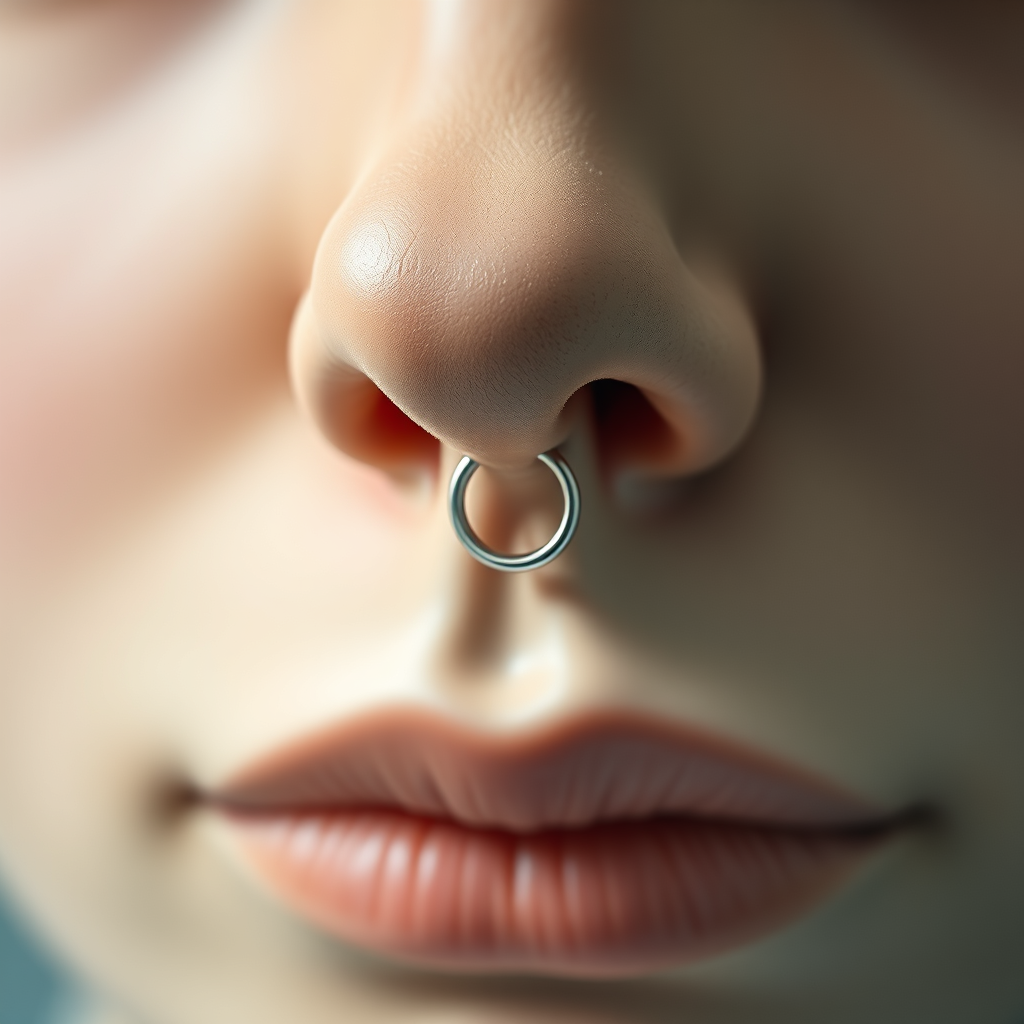
The risks associated with wearing a nose ring during an MRI are multifaceted. One of the primary concerns is that nose rings, particularly those made of ferromagnetic metals like iron or nickel, can become heated when exposed to the MRI’s magnetic field. This heating effect can lead to burns or discomfort at the site of the piercing. Additionally, there is a risk of the nose ring being pulled or dislodged due to the magnetic forces, potentially causing injury to the wearer. In some cases, the presence of a nose ring can also lead to an incomplete or unusable MRI scan, requiring the patient to undergo the procedure again, thus delaying their diagnosis and treatment. These risks underscore the necessity of adhering to safety protocols regarding metal jewelry.
Types of Nose Rings and Their Materials
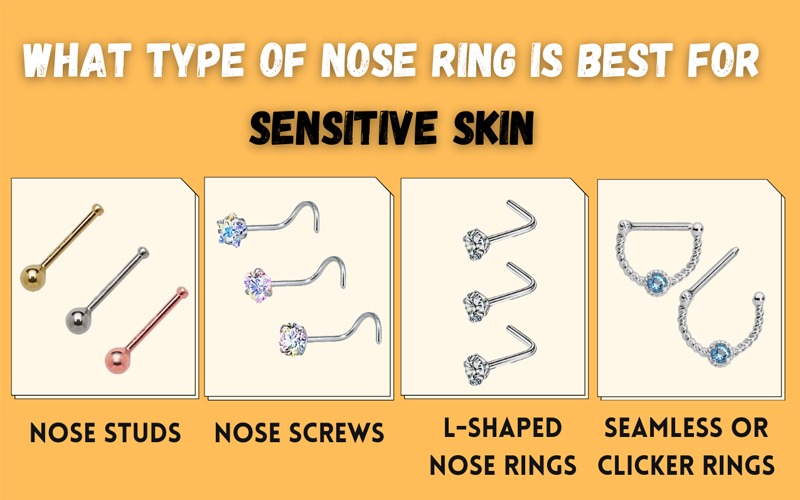
Nose rings are available in various designs and materials, each with different implications for safety during an MRI. Common materials include gold, silver, titanium, surgical stainless steel, and bioplastic. Gold and silver are generally safe but can cause issues if they contain other metals that are magnetic. Titanium, on the other hand, is highly recommended for use during an MRI as it is non-ferromagnetic and does not react to magnetic fields. Surgical stainless steel, while also relatively safe, may vary in composition; therefore, it is prudent to confirm its specific metal content. Bioplastic, a non-metallic option, is another excellent alternative for those concerned about safety during an MRI. Patients should consider these material differences when selecting jewelry for their piercings, especially if they anticipate needing an MRI in the future.
Recommendations from Healthcare Professionals
Most radiologists and healthcare professionals strongly recommend removing all jewelry, including nose rings, before undergoing an MRI. This recommendation is rooted in safety and the desire to obtain the clearest possible imaging results. Patients should engage in open discussions with their healthcare provider about any specific concerns regarding their jewelry. For individuals who feel uncomfortable removing their nose ring, consulting with the radiologist beforehand is essential for tailored advice. This dialogue can help address any worries regarding the procedure and ensure that patients are adequately informed about the potential impacts of their jewelry on the MRI process.
Alternatives and Precautions
For those who prefer not to remove their nose ring, it is advisable to consult with the radiologist to discuss potential alternatives. One option could be scheduling the MRI after a healing period following the initial piercing, allowing for a change to a safer, non-metallic option. In some cases, patients may be able to use a removable, non-metal nose ring during the MRI, but this should always be discussed with the healthcare provider to ensure it does not interfere with the imaging or safety. Patients should also consider the timing of their MRI in relation to any planned changes in jewelry, as this can facilitate a smoother experience.
What to Expect During the MRI Process
Understanding the MRI process can help alleviate concerns about removing your nose ring. The procedure typically involves lying still in a large, tube-like machine while the MRI technician captures images of your body. The technician will provide clear instructions throughout the process, including guidance on what to expect during the scan and how to position yourself comfortably. It’s important to communicate with the technician if you have any concerns about your jewelry, as they are trained to address patient queries and ensure a safe environment. Knowing that the primary goal of the MRI is to obtain the most accurate images possible can help patients feel more at ease about the necessity of removing metal objects.
In summary, while it may be safe to wear a nose ring during some MRIs, it is generally advised to remove all metal jewelry, including nose rings, to ensure a safe and effective imaging process. The potential risks associated with wearing metal during an MRI, including heating and image distortion, far outweigh any benefits. Always consult your healthcare provider for personalized advice, and don’t hesitate to ask questions about your specific situation before your MRI appointment. Prioritizing safety and clear communication with healthcare professionals can lead to a more positive MRI experience.
Frequently Asked Questions
Can you wear a nose ring during an MRI?
Generally, it is advised to remove all metal jewelry, including a nose ring, before undergoing an MRI scan. MRI machines use powerful magnets that can interact with metal, potentially causing discomfort or affecting the quality of the images. Always consult with your healthcare provider or the MRI technician for specific guidelines regarding your situation.
Why is it important to remove metal jewelry before an MRI?
Removing metal jewelry, such as nose rings, is crucial because MRI machines operate using strong magnetic fields. Metal objects can become projectiles, pose a safety risk, and may distort the imaging results. Non-metal alternatives, like plastic or silicone jewelry, are typically safer if you want to keep a nose piercing during the procedure.
What happens if I forget to remove my nose ring before an MRI?
If you forget to remove your nose ring before undergoing an MRI, the technician will likely ask you to do so before proceeding with the scan. If the MRI has already started, the presence of metal could compromise the safety of the procedure and the quality of the images. It’s always best to follow pre-MRI instructions to avoid any complications.
How can I prepare for an MRI if I have a new nose ring?
If you have a new nose ring and are scheduled for an MRI, it’s wise to discuss your options with your healthcare provider beforehand. They may suggest waiting until the piercing has fully healed before scheduling the MRI, or they may recommend removing the ring temporarily and using a non-metal alternative during the procedure. Ensuring your safety and the accuracy of the MRI results is the priority.
Which types of piercings are safe to keep during an MRI?
In general, it’s best to remove all types of metal piercings, including nose rings and earrings, prior to an MRI. However, certain non-metal piercings made from materials like plastic or titanium may be safe to keep in. Always consult with your healthcare provider or MRI technician to confirm what is acceptable for your specific case, as safety guidelines may vary.
References
- https://www.ncbi.nlm.nih.gov/pmc/articles/PMC6290202/
- Pediatric MRI
- https://www.health.harvard.edu/staying-healthy/mri-safety
- https://www.mayoclinic.org/tests-procedures/mri/about/pac-20383576
- https://www.cdc.gov/nceh/radiation/emergencies/mri.htm