Struggling to insert a corkscrew nose ring is a common issue, but it can often be resolved with the right technique. The key to successfully inserting this type of nose jewelry lies in understanding its design and employing proper preparation and insertion methods. In this article, you’ll learn practical tips and tricks to make the process easier, ensuring your nose ring is secure and comfortable, while also discussing common pitfalls to avoid and when to seek professional assistance.
Understanding the Corkscrew Nose Ring Design
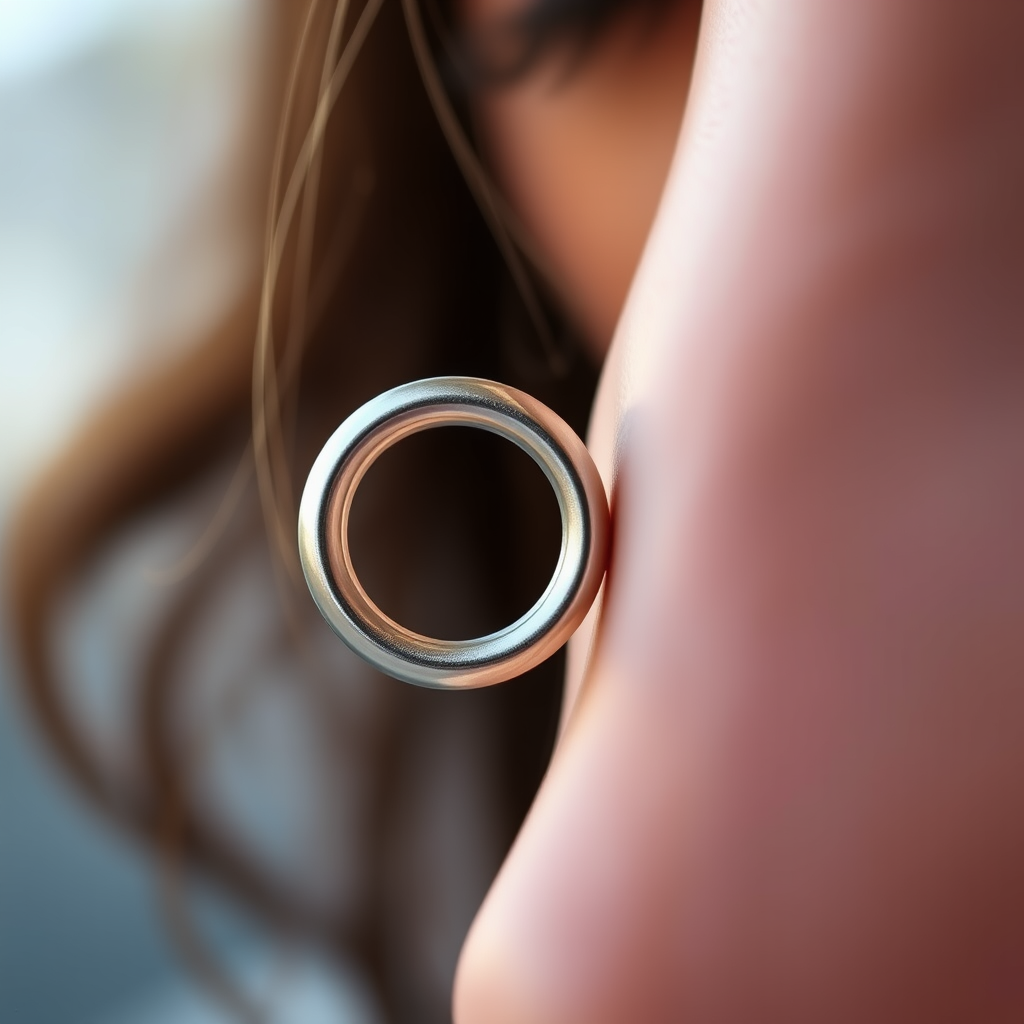
Corkscrew nose rings are unique in that they feature a spiral shape, which is intended to provide a secure fit once properly inserted. The design is not just aesthetically pleasing; it also helps keep the jewelry in place without the need for additional backing. However, this curvature can complicate the insertion process, particularly for those new to wearing nose rings.
The corkscrew design consists of a straight post that transitions into a spiral end. This configuration allows the ring to be held in place by the natural contours of the piercing, reducing the likelihood of it falling out. Understanding this design is crucial, as it informs the technique needed for insertion. The spiral part of the ring can easily get caught or misaligned, which is why employing a careful approach is essential.
Preparing for Insertion

Before attempting to insert your corkscrew nose ring, preparation is key. Start by ensuring that both the ring and your nose piercing are clean. Use a saline solution or a mild antibacterial soap to cleanse the area, as this will help prevent infection and ensure a smooth insertion process.
Additionally, consider applying a lubricant to the straight end of the corkscrew. A saline solution is often the most advisable choice, as it is gentle on the skin and helps reduce friction. A small amount of water-based lubricant can also work, but be cautious about using anything too thick or greasy, as it may interfere with the insertion.
Inserting the Corkscrew Nose Ring
Once you’re prepared, it’s time to insert the corkscrew nose ring. Begin by holding the ring securely, ensuring you have a good grip on the straight end. Align the ring with the piercing hole, taking care to position it at the correct angle to allow for a smooth entry.
Gently push the straight end of the corkscrew into the piercing hole. As you do this, twist the ring slightly to guide it through. This twisting motion is crucial, as it helps navigate the corkscrew shape through the piercing without causing discomfort. If you encounter resistance, do not force the ring; instead, back off slightly and try again, adjusting the angle as needed.
Common Mistakes to Avoid
When inserting a corkscrew nose ring, there are several common mistakes that can lead to frustration or injury. One of the primary errors is forcing the ring into the piercing. This can cause significant pain and may even lead to damage to the piercing site. Always remember to be gentle and patient during the process.
Another mistake is attempting to insert the ring if your piercing is still healing. It’s crucial to ensure that the piercing is fully healed before introducing any new jewelry. If you’re unsure about the healing status, consult with a professional piercer who can provide guidance based on your specific situation.
When to Seek Professional Help
If you experience significant pain, swelling, or bleeding during your attempt to insert the corkscrew nose ring, it’s essential to consult a professional piercer. These symptoms can indicate that something is not right, whether it’s an issue with the piercing itself or the insertion technique.
Additionally, if you find that you are unable to successfully insert the ring after several attempts, it may be time to seek help. A professional can offer valuable insights and may assist you in inserting the jewelry correctly, ensuring that you avoid any unnecessary discomfort or complications.
Maintaining Your Corkscrew Nose Ring
Once your corkscrew nose ring is securely in place, maintaining both the ring and the piercing is crucial for ongoing health and comfort. Regular cleaning is essential to prevent the buildup of dirt and bacteria. Use saline solution or a gentle soap to clean the area around the piercing and the jewelry itself, ideally on a daily basis.
Be vigilant in monitoring your piercing for any signs of irritation or infection. Symptoms such as redness, unusual discharge, or persistent pain warrant prompt attention. If you notice any of these signs, take action immediately, which may include removing the ring and consulting a healthcare professional if necessary.
Tips for Future Insertions
To improve your technique for inserting corkscrew nose rings in the future, consider practicing in front of a mirror. This allows you to see the alignment and angle of insertion, which can significantly enhance your confidence and precision.
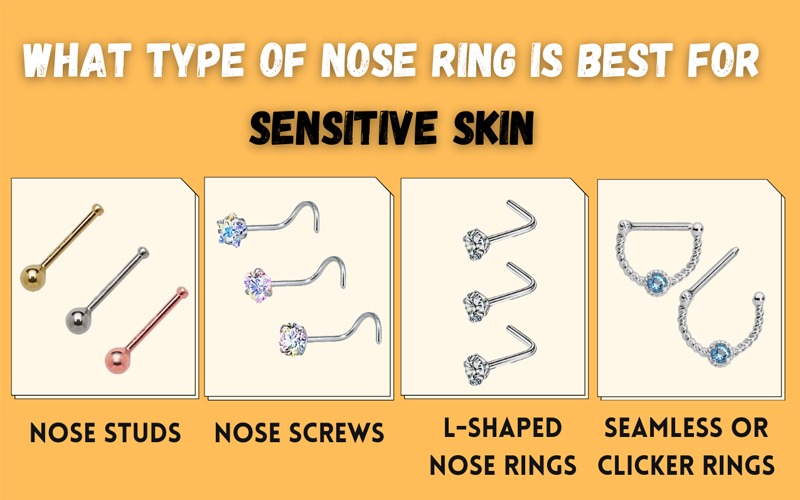
If you continue to face challenges with the corkscrew style, it might be worth exploring alternative designs. Options such as stud nose rings or seamless hoops can be easier to manage and may provide the aesthetic you desire without the same level of difficulty in insertion.
By following these guidelines and being mindful of the techniques discussed, inserting your corkscrew nose ring should become a much smoother and more manageable process. Remember to be patient with yourself, and don’t hesitate to reach out for professional assistance if needed. With practice, you’ll be able to wear your new jewelry comfortably and confidently.
Frequently Asked Questions
Why can’t I get my corkscrew nose ring in?
Difficulty inserting a corkscrew nose ring can stem from several factors, including the angle of the piercing, swelling, or the design of the jewelry itself. If the piercing is new, it may still be healing, making it sensitive and more challenging to insert jewelry. Additionally, ensure that the corkscrew part is aligned properly with the piercing hole, as misalignment can hinder insertion.
How do I properly insert a corkscrew nose ring?
To insert a corkscrew nose ring, first, ensure your hands are clean to prevent infection. Gently hold the nose ring with the corkscrew end facing down, and align it with your piercing. You may need to twist the corkscrew gently while applying slight pressure to slide it into the hole. If you’re still having trouble, consider using a saline solution to help ease any discomfort and facilitate insertion.
What should I do if my corkscrew nose ring won’t go in?
If your corkscrew nose ring won’t go in, first check for any signs of infection or excessive swelling around the piercing. You can also try to gently rotate the ring back and forth while applying slight pressure to see if it will slide in. If the problem persists, it may be wise to consult a professional piercer for assistance or to ensure that the jewelry is the correct gauge for your piercing.
Which corkscrew nose rings are best for sensitive skin?
For sensitive skin, look for corkscrew nose rings made from hypoallergenic materials such as titanium, surgical stainless steel, or niobium. These materials are less likely to cause irritation or allergic reactions. Additionally, consider choosing jewelry that is nickel-free, as nickel is a common irritant for many individuals.
How can I reduce swelling to help insert my corkscrew nose ring?
To reduce swelling and make it easier to insert your corkscrew nose ring, you can apply a cold compress to the area for 10-15 minutes several times a day. Staying hydrated and avoiding irritants like harsh cosmetics or excessive touching can also help. If swelling persists or worsens, consult your piercer or a healthcare professional for further advice.
References
- Nose piercing
- https://www.ncbi.nlm.nih.gov/pmc/articles/PMC5622558/
- https://www.ncbi.nlm.nih.gov/pmc/articles/PMC6162886/
- https://www.aafp.org/pubs/afp/issues/2012/1001/p861.html
- https://www.healthline.com/health/nose-piercing-care
- https://www.mayoclinic.org/healthy-lifestyle/adult-health/in-depth/piercing/art-20045954
- https://www.cdc.gov/nceh/ehs/docs/piercings_and_tattoos.pdf