If you’re struggling to get your hoop nose ring in, you’re not alone. Many individuals encounter difficulties with this type of jewelry due to its unique design and the nature of nose piercings. Fortunately, there are effective strategies to simplify the process and ensure a successful insertion. This article will provide you with practical tips and methods to ease your experience with hoop nose rings.
Understanding the Problem

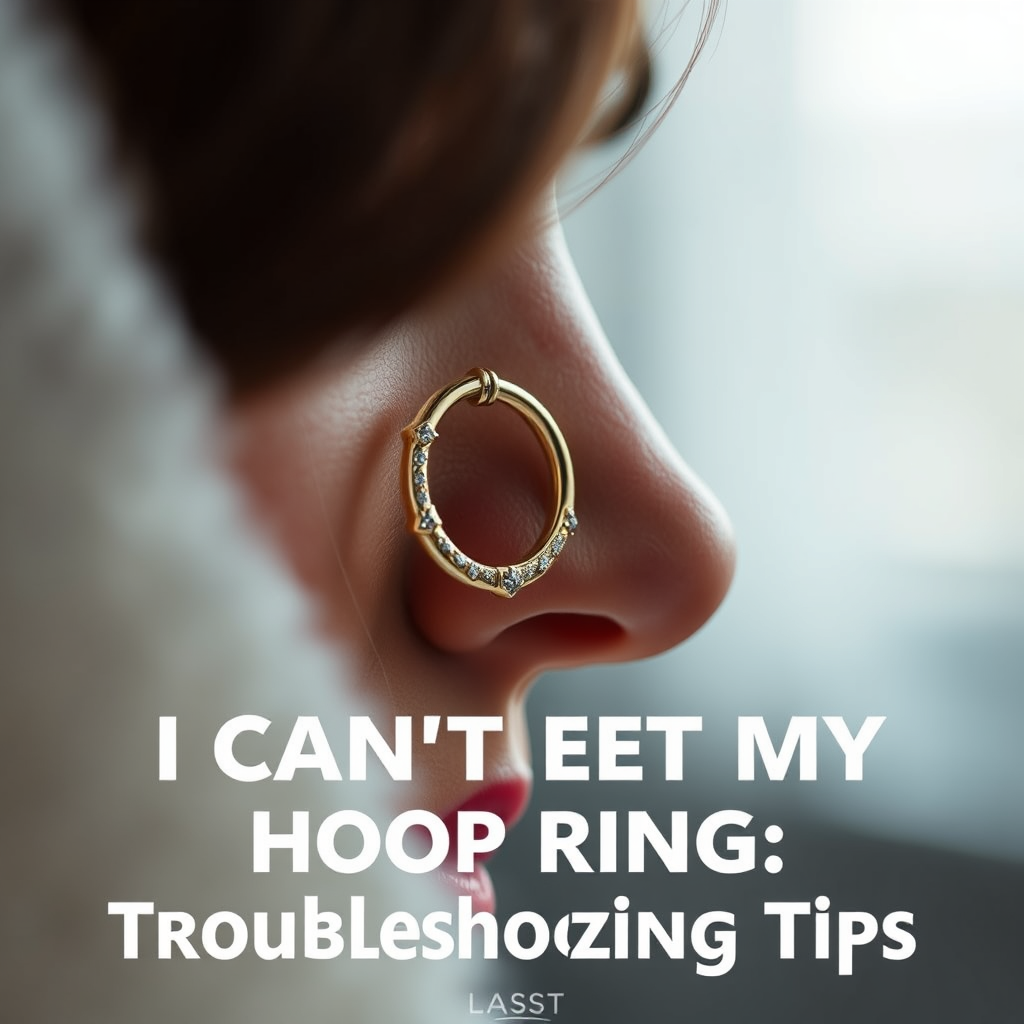
Hoop nose rings can be particularly challenging for several reasons. Their circular design often requires a specific maneuver to fit through the piercing, which can be tricky for those new to this form of jewelry. One of the most common issues people face is the size of the hoop. If the hoop is too large in diameter or thickness, it might not easily navigate the piercing hole. The thickness of the piercing itself can also play a significant role; if the piercing is not fully healed, or if the jewelry is too thick, insertion can become even more difficult. Understanding these factors can help you troubleshoot effectively.
Choosing the Right Size

Selecting the correct size for your hoop nose ring is crucial for a smooth insertion. Firstly, measure the diameter of your piercing. A hoop that is too large can result in an awkward fit, while one that is too small may not fit at all. Generally, for most nostril piercings, a hoop with a diameter of 8mm to 10mm is standard; however, preferences can vary based on individual anatomy.
Additionally, consider the thickness of the hoop. Thinner hoops, often around 20g (0.8mm), are typically easier to insert than thicker options. If you’re unsure of the size you need, consult with your piercer, as they can provide valuable insights based on your specific piercing.
Preparing Your Nose Piercing
Before attempting to insert your hoop nose ring, it’s essential to prepare both your jewelry and the area around your piercing. Start by cleaning the piercing site with a saline solution or alcohol to minimize the risk of infection. This step is vital, especially if your piercing is still healing. If the area is not clean, bacteria can be introduced, leading to complications.
Equally important is ensuring that your hands are clean. Wash your hands thoroughly with soap and water, or use hand sanitizer to eliminate any potential germs. A clean working environment is crucial for a successful insertion and maintaining the health of your piercing.
Techniques for Insertion
When it comes to inserting your hoop nose ring, employing the right techniques can make all the difference. One effective method is to use a gentle twisting motion as you guide the hoop into the piercing. This technique allows the jewelry to follow the natural curvature of the hoop, facilitating a smoother insertion.
Moreover, it can be beneficial to use a mirror while attempting the insertion. Positioning yourself in front of a well-lit mirror will provide you with better visibility, helping you align the hoop accurately with your piercing. If you’re struggling with depth perception, try tilting your head slightly to find the optimal angle.
Another useful tip is to hold the hoop from both ends — this will give you better control and leverage, making the insertion process more manageable.
When to Seek Professional Help
While many people can successfully insert their hoop nose rings with practice, there are instances where seeking professional assistance is warranted. If you experience excessive pain, discomfort, or bleeding during the insertion, it is crucial to consult a professional piercer immediately. These symptoms may indicate that the piercing is not fully healed or that there is an underlying issue that requires attention.
Professional piercers possess the experience and tools necessary to assist with difficult insertions, ensuring that the jewelry can be placed without causing harm. Additionally, they may provide alternative jewelry options that are easier to insert or more suitable for your specific anatomy.
Maintaining Nose Jewelry
After successfully inserting your hoop nose ring, it’s essential to maintain proper hygiene to prevent infection and irritation. Regularly clean your hoop nose ring with saline solution or a mild antibacterial soap to keep it free from dirt and bacteria. This practice will not only ensure the health of your piercing but also prolong the life of your jewelry.
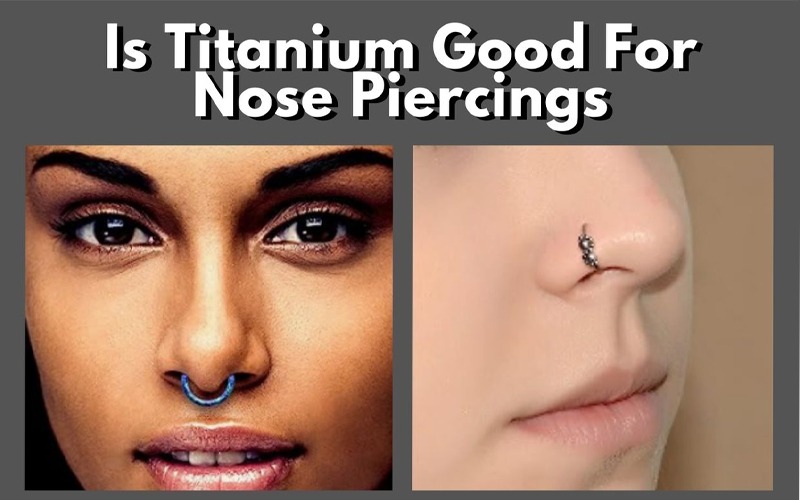
Be vigilant for signs of irritation or allergic reactions, such as redness, swelling, or discomfort. If you notice these symptoms, it may be worth considering a change in jewelry material. Hypoallergenic options, such as titanium or surgical steel, are excellent choices for those with sensitive skin or metal allergies.
Alternatives to Hoop Nose Rings
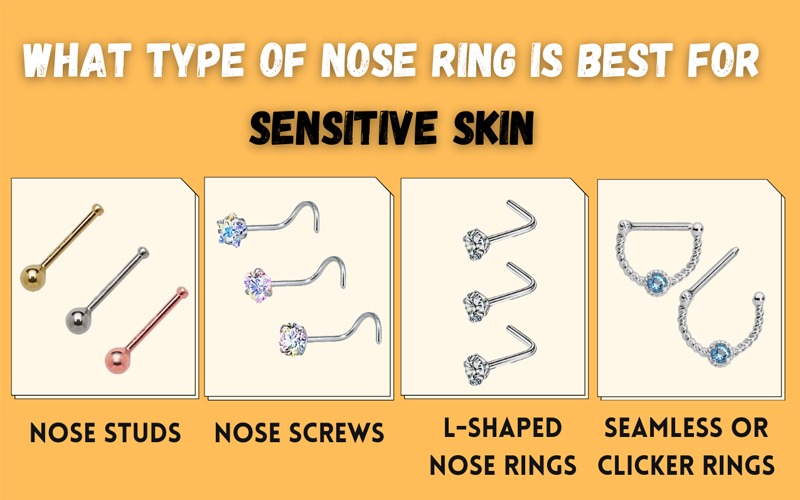
If you continue to struggle with hoop nose rings, it may be worthwhile to explore alternative options. Studs or other types of nose jewelry can be easier to insert and may provide a more comfortable fit for some individuals. Studs typically consist of a post and a decorative end, which can simplify the insertion process.
Additionally, experimenting with different materials can yield more comfortable results. For instance, titanium and surgical steel are known for their durability and hypoallergenic properties, making them suitable choices for sensitive skin. If you find hoops consistently challenging, consider investing in a variety of jewelry types to determine what works best for you.
Finding the right method to insert your hoop nose ring can be frustrating, but with the right techniques and preparation, you can successfully overcome these challenges. Remember to take your time, maintain proper hygiene, and seek professional help if needed. By following these troubleshooting tips, you can enjoy your hoop nose ring with confidence.
Frequently Asked Questions
Why can’t I get my hoop nose ring in after piercing?
It’s common to struggle with inserting a hoop nose ring, especially shortly after getting it pierced. The swelling and sensitivity of the piercing can make it difficult to slide the ring in place. Additionally, the hoop may be too thick or the diameter too small for the piercing, making it uncomfortable or impossible to insert. Consider waiting until the swelling decreases or consulting with your piercer for advice on the best size and type of hoop for your nose.
What should I do if my hoop nose ring won’t go in?
If your hoop nose ring won’t go in, first ensure that your hands and the jewelry are clean to prevent infection. Gently try to rotate the ring while applying a bit of pressure, but avoid forcing it, as this can cause irritation or damage. If you’re still having difficulty, visit a professional piercer who can assist you without causing harm to your piercing.
How can I make inserting my hoop nose ring easier?
To make inserting your hoop nose ring easier, consider using a saline solution or a gentle lubricant like coconut oil to help it slide in smoothly. Additionally, warming the hoop slightly can make it more pliable. Make sure to choose the right size hoop that fits comfortably in your piercing to minimize discomfort during insertion.
What size hoop nose ring should I choose for a comfortable fit?
The size of your hoop nose ring is crucial for comfort and ease of insertion. Generally, a hoop with a diameter of 6mm to 10mm is recommended for nostril piercings, depending on your anatomy and personal preference. It’s best to consult with your piercer to find the appropriate gauge and diameter that won’t cause irritation or make insertion difficult.
Why is my nose piercing rejecting my hoop ring?
A nose piercing can reject a hoop ring due to several factors, including an allergic reaction to the metal, improper sizing, or movement of the jewelry. If the hoop is too heavy or the gauge is too thick, it may cause stress on the piercing, leading to rejection. To prevent rejection, opt for high-quality materials such as titanium or surgical steel and ensure that your hoop ring is the right size for your piercing. If you notice signs of rejection, such as increased redness or discharge, consult your piercer immediately.
References
- Nose piercing
- https://www.ncbi.nlm.nih.gov/pmc/articles/PMC6616812/
- https://www.verywellhealth.com/nose-piercing-care-5186586
- https://www.healthline.com/health/nose-piercing-infection
- https://www.webmd.com/beauty/what-to-know-about-nose-piercings
- https://www.aafp.org/pubs/afp/issues/2005/0901/p919.html
- https://www.mayoclinic.org/healthy-lifestyle/adult-health/in-depth/piercings/art-20045823