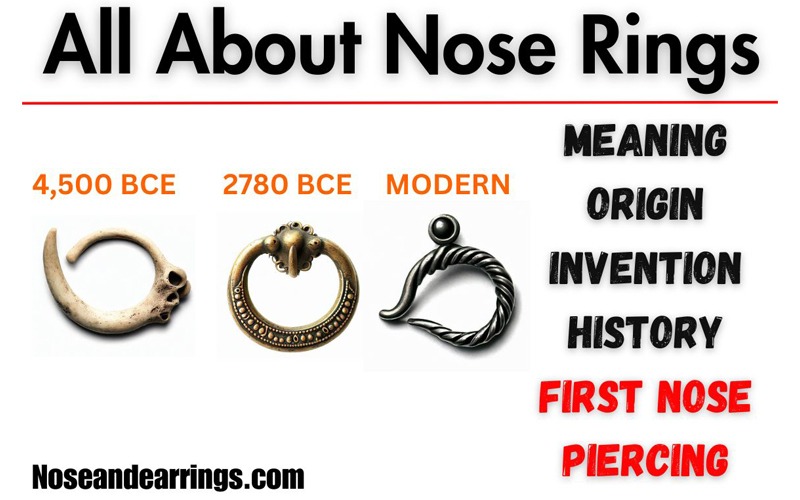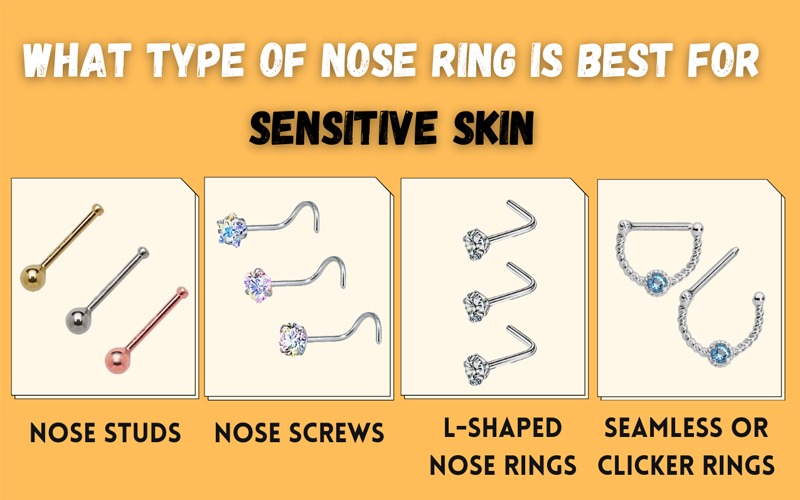
While some nose ring holes may diminish over time, they typically do not completely go away, especially if the piercing was done properly and has been healed. Understanding the healing process and the factors that influence the visibility of these holes can help you make informed decisions regarding your nose piercing. In this article, we’ll explore the healing timeline, various factors affecting the appearance of nose ring holes, what happens when you remove a nose ring, and strategies to minimize their visibility.
The Healing Process of Nose Piercings

Nose piercings generally take 4 to 6 months to heal fully, depending on individual circumstances. During this healing phase, the body works diligently to form tissue around the piercing, which can significantly influence how the hole appears in the long term. The healing process consists of several stages: inflammation, proliferation, and maturation. Initially, the area may become red and swollen as blood flow increases to promote healing. Over time, new tissue forms, and the piercing becomes less tender.
Proper aftercare during this time is crucial. Cleaning the area with saline solutions, avoiding unnecessary touching, and steering clear of irritants can enhance healing. Additionally, factors such as hygiene, diet, and overall health can affect the speed and effectiveness of the healing process. For example, a balanced diet rich in vitamins and minerals can support skin regeneration and help minimize scarring.
Factors Influencing Hole Visibility
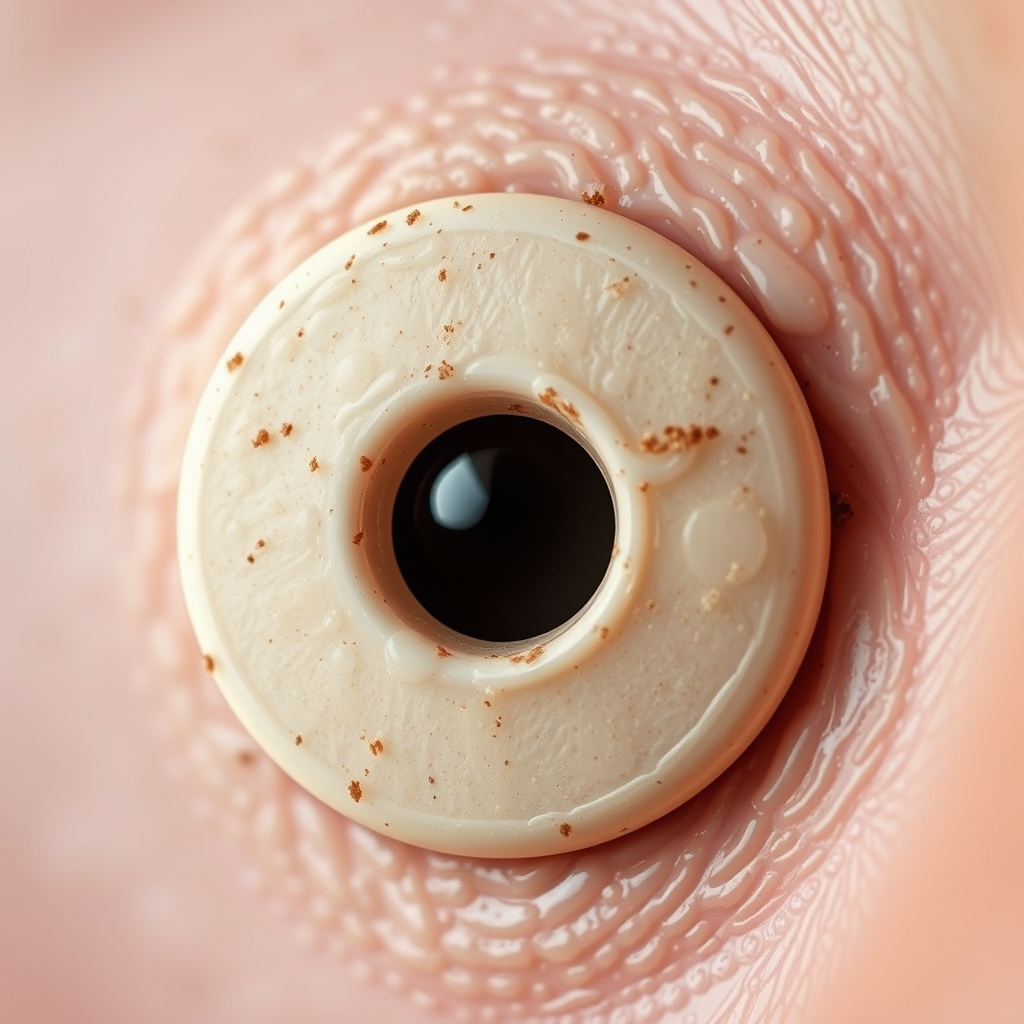
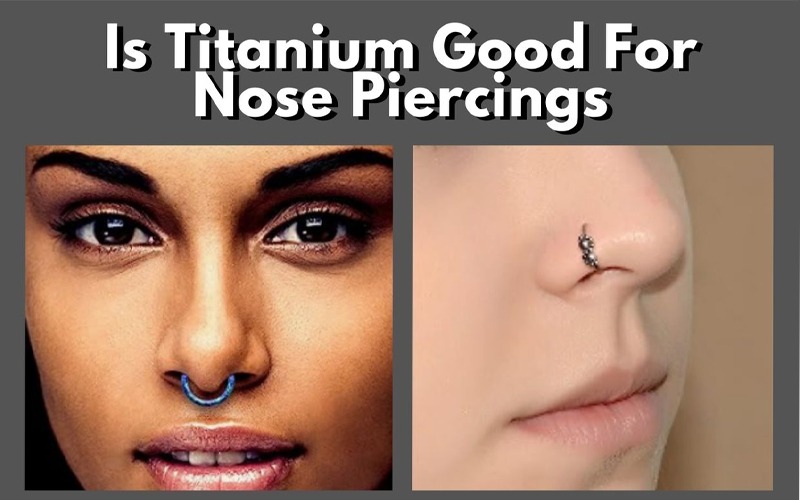
The visibility of nose ring holes is influenced by several factors, including the size and location of the piercing. Generally, larger gauge piercings or those placed in more visible areas may leave more noticeable scars. Additionally, the type of jewelry used during the healing process can play a role; for instance, using high-quality materials like titanium or surgical steel can reduce irritation and promote healing, thus minimizing the appearance of the hole.
Individual healing responses also vary significantly. Some people may experience more pronounced scarring due to skin type, genetics, or underlying health conditions. For example, individuals with keloid-prone skin may develop raised scars that make the holes more visible. Understanding your own skin’s tendencies can help you prepare for potential outcomes and make preventive choices.
What Happens When You Remove a Nose Ring?
When you remove a nose ring, the hole may begin to close up, but the speed and extent of closure depend on how long the piercing has been in place. Freshly removed piercings, particularly those that have been in place for only a few months, may close quickly—sometimes within a matter of days. Conversely, older piercings that have been healed for several months or years might take longer to diminish in size, and in some cases, they may never fully close.
After removing the jewelry, you might notice a temporary increase in inflammation or irritation, particularly if the skin has been disturbed. It’s essential to keep the area clean and moisturized to promote optimal healing. If you are considering removing your nose ring, it may be advisable to consult a professional piercer or dermatologist for personalized guidance.
Tips to Minimize Nose Ring Hole Appearance
To minimize the appearance of nose ring holes, several proactive strategies can be employed. One effective method is to use silicone or vitamin E oil to promote healing and reduce scarring. These substances can enhance skin elasticity and moisture retention, which may help in minimizing the visual impact of the hole over time.
Makeup can also be a practical solution for temporary cover-up. Using a high-quality concealer that matches your skin tone can effectively blend the area with the surrounding skin. Additionally, skin treatments such as laser therapy or microdermabrasion may be considered for more persistent scars. However, it’s crucial to consult a skincare professional before pursuing such options to ensure safety and efficacy.
When to Seek Professional Help
If you experience persistent irritation or inflammation around the piercing, it may be time to seek professional help. Symptoms such as excessive redness, swelling, or discharge could indicate an infection or allergic reaction, necessitating a visit to a dermatologist. They can provide targeted treatment and advice tailored to your specific situation.
For those considering re-piercing, consulting a professional is essential to discuss potential complications. Factors such as the condition of the skin, any scarring from previous piercings, and personal health history should all be taken into account. A qualified piercer can provide insight into the best practices for re-piercing and help you avoid complications.
Alternatives to Piercing
If you’re concerned about the visible holes left by nose piercings, there are several alternatives to consider. Clip-on nose rings and magnetic jewelry provide the aesthetic appeal of a nose ring without the commitment of a permanent piercing. These options can be particularly appealing for those who wish to avoid the healing process altogether.
Additionally, it’s important to reflect on the cultural and personal significance of nose rings before making a decision. For many, nose piercings are a form of self-expression deeply rooted in cultural traditions. Weighing the pros and cons of piercing versus alternative jewelry can help you align your choices with your values and lifestyle.
Nose ring holes can be a concern for many, but understanding their healing process and the factors affecting their appearance can help you make informed choices. By following proper aftercare, considering alternatives, and seeking professional advice when necessary, you can effectively manage the visibility of nose ring holes. Feel free to share your experiences or ask questions in the comments!
Frequently Asked Questions
Do nose ring holes close up after removal?
Yes, nose ring holes can close up after the jewelry is removed, but the time it takes for this to happen varies significantly among individuals. Generally, if the piercing is fresh (less than a year old), it may close within a few hours to days. However, for older piercings that have been in place for several years, the holes may remain visible but may shrink significantly.
How long does it take for a nose ring hole to close completely?
The time it takes for a nose ring hole to close completely depends on several factors, including the age of the piercing and individual healing rates. Typically, a fresh nose piercing may start to close within a few days, while a piercing that’s been in for several years might take weeks or even months to completely close. In some cases, even after several months, a small hole may still be visible.
Why do some people have permanent nose ring holes?
Permanent nose ring holes can occur due to a variety of reasons, including the skin healing process and the body’s response to the jewelry. If the piercing was well-established and the skin has formed scar tissue around the hole, it may remain visible even after the jewelry is removed. Factors like the size of the jewelry and how well the piercing was cared for can also influence whether a hole remains permanent.
What can I do to minimize the appearance of a nose ring hole after removal?
To minimize the appearance of a nose ring hole after removal, proper aftercare is essential. Keep the area clean and moisturized to promote healthy skin regeneration. Using products containing silicone or hyaluronic acid may help in reducing the visibility of the hole, as they encourage skin elasticity and hydration. Additionally, makeup can be used to camouflage the hole, especially if it remains noticeable.
Which types of nose piercings are less likely to leave noticeable holes?
Certain types of nose piercings, like nostril piercings, tend to leave smaller and less noticeable holes compared to septum piercings. This is often because nostril piercings are typically placed in areas with less skin thickness and can heal more neatly. If you’re concerned about hole visibility, consider opting for jewelry that is smaller in gauge and ensuring proper aftercare to promote optimal healing.
References
- https://www.ncbi.nlm.nih.gov/pmc/articles/PMC7139345/
- https://www.healthline.com/health/nose-piercing
- https://www.verywellhealth.com/nose-piercing-care-5196501
- https://www.mayoclinic.org/healthy-lifestyle/adult-health/in-depth/body-piercings/art-20045648
- https://www.webmd.com/beauty/what-to-know-about-nose-piercing
- https://www.hopkinsmedicine.org/health/wellness-and-prevention/nose-piercing-and-infection
- https://www.ncbi.nlm.nih.gov/pmc/articles/PMC7000592/