Nose rings typically do not have a traditional backing like some other body jewelry, such as earrings. Instead, they are designed to stay securely in place through various mechanisms, depending on the style. Understanding the different types of nose rings and how they function can inform your choice and enhance your overall experience with this popular form of body jewelry. In this article, we’ll explore the different types of nose rings, how they function, and what you should know about their wearability and care.
Types of Nose Rings

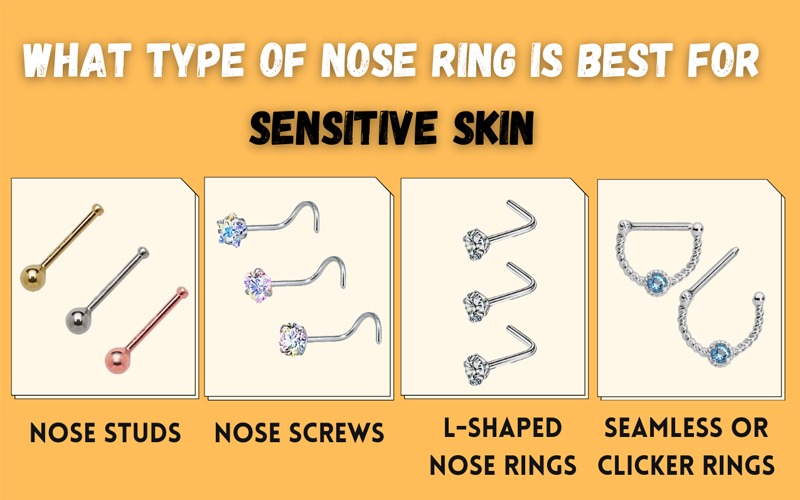
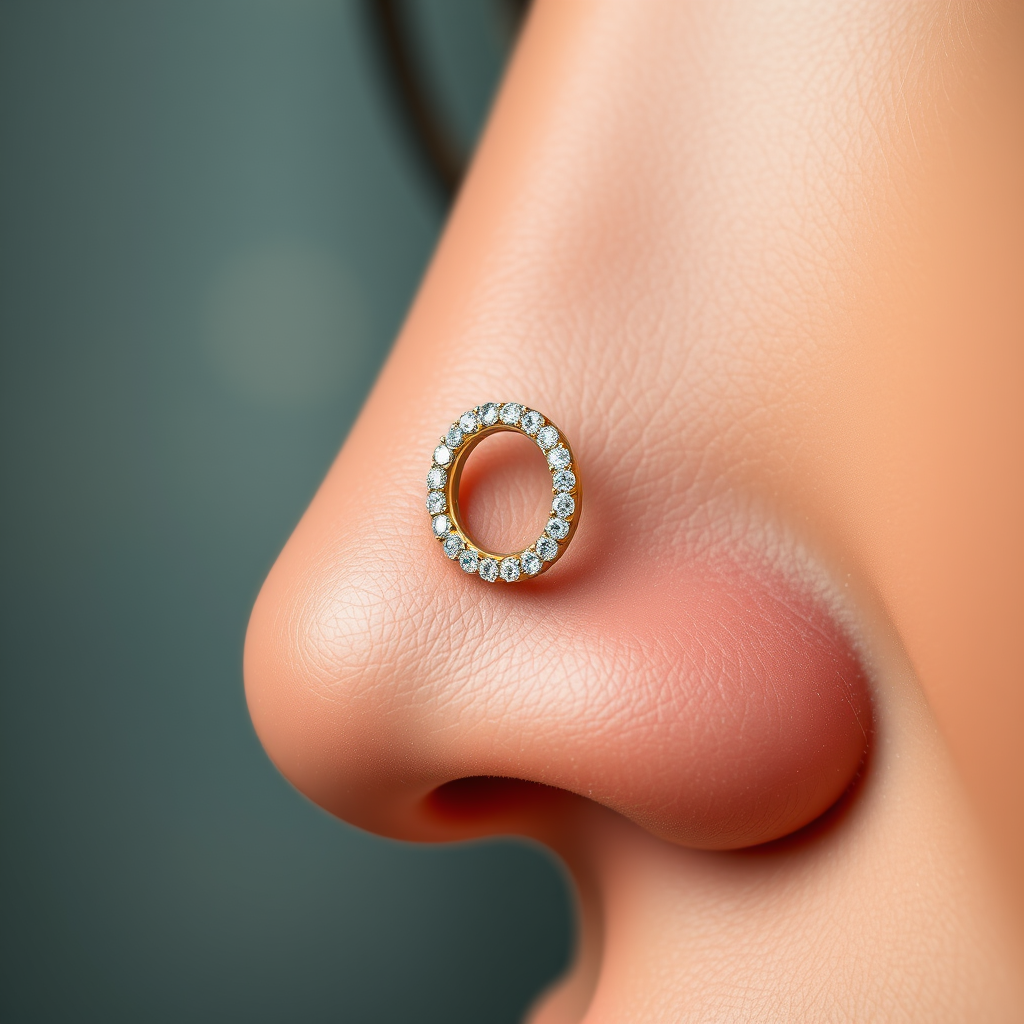
– Hoop Nose Rings: Hoop nose rings are circular in shape and can vary significantly in thickness, diameter, and style. They often come in both simple designs and more elaborate options with decorative embellishments. The primary mechanism for securing these rings is that they are threaded through the piercing. Many hoops feature a clasp or hinge that allows for easy insertion and removal while ensuring they remain snugly in place during wear. For example, seamless hoops use a unique design that allows the ends to meet without any visible opening, providing a smooth finish that is both comfortable and aesthetically pleasing.
– Studs: Nose studs typically consist of a decorative front piece attached to a post that goes through the nostril. While some studs do have small backings to secure them in place, many designs are specifically crafted to function without one. For instance, a popular style is the push-pin stud, which uses a friction-fit mechanism to stay in place. The decorative element can range from simple gemstones to intricate metal designs, allowing for a wide variety of personalization options. This versatility makes studs a favored choice for both minimalists and those looking to make a statement.
How Nose Rings Stay Secure
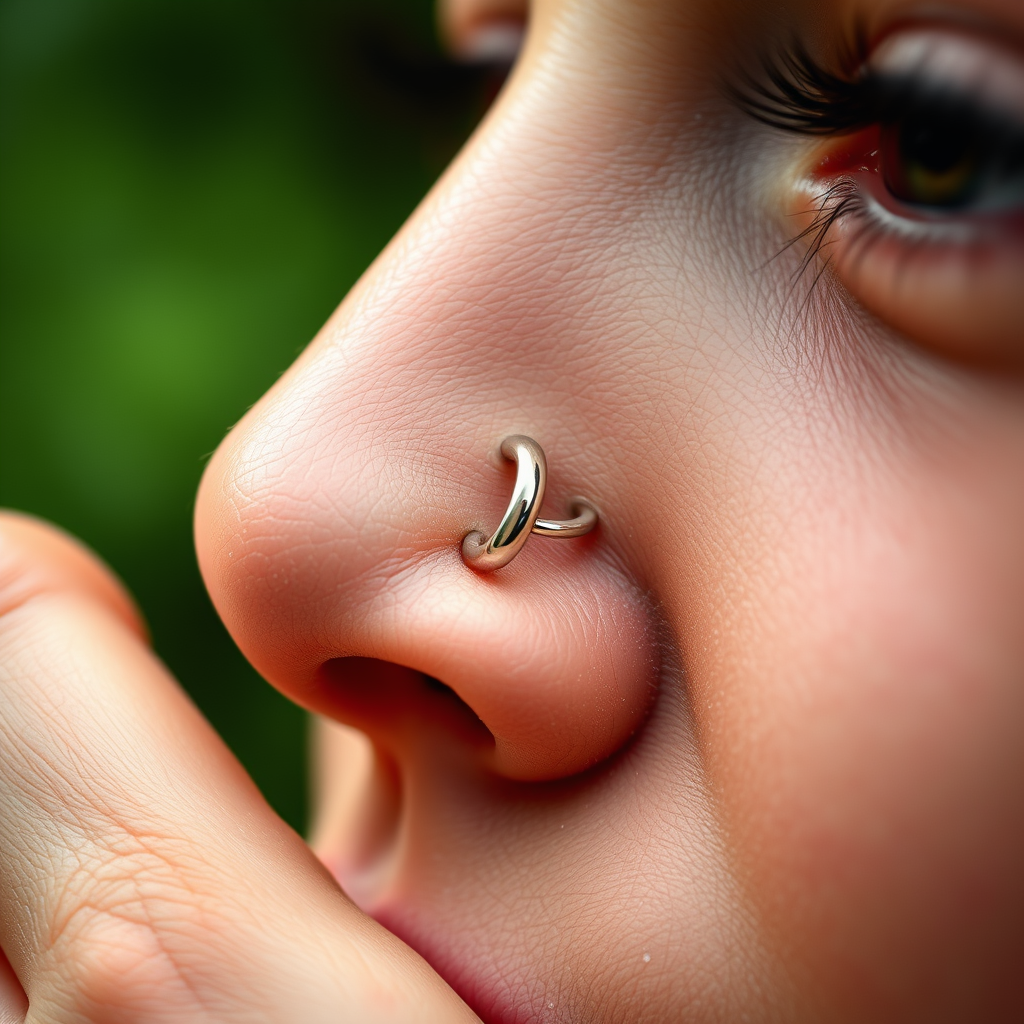
– Threaded Ends: One of the most common ways that nose rings stay secure is through threaded ends. These designs feature a screw or thread mechanism that attaches the decorative part of the jewelry to the post. This ensures that the piece remains firmly in place without the need for a traditional backing. Threaded ends are particularly popular in the stud category, as they provide a reliable and comfortable fit for the wearer.
– L-shaped or Fishtail Styles: L-shaped nose rings have a distinct design that locks into the piercing due to their shape. The long end of the L is inserted into the nostril, while the short end sits against the outside of the nose, preventing the ring from slipping out. Fishtail styles take this concept further by featuring a tapered end that can be bent for a more personalized fit. Both styles minimize the need for additional support while ensuring that the nose ring remains secure throughout daily activities.
Choosing the Right Nose Ring
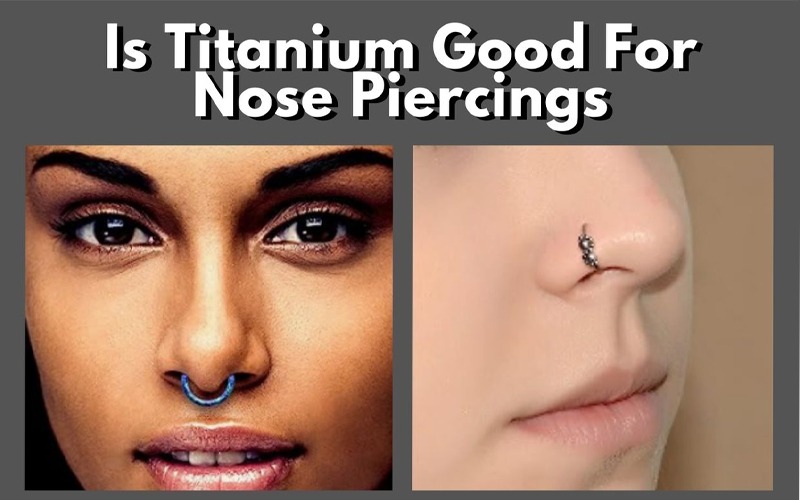
– Material: When selecting a nose ring, it’s essential to consider the material to avoid irritation and allergic reactions. Opting for hypoallergenic materials such as titanium, surgical steel, or gold is advisable, as these materials are less likely to cause adverse skin reactions. For those with sensitive skin, choosing jewelry that is nickel-free is particularly important, as nickel is a common allergen.
– Size and Style: The size of your nostril and your personal style preferences should heavily influence your choice of nose ring. For example, a larger hoop may be more suitable for individuals with wider nostrils, whereas a smaller stud may complement a more delicate facial structure. Additionally, consider the visual impact of different styles; minimalistic designs may appeal to those preferring understated elegance, while bold, decorative pieces can serve as eye-catching statement jewelry.
Caring for Your Nose Ring
– Cleaning: Keeping your nose ring and the surrounding area clean is crucial for preventing infections. Using a saline solution or antiseptic wipes can help maintain hygiene and reduce the risk of irritation. It’s recommended to clean your nose ring at least once a day, particularly during the healing process after getting pierced. A gentle approach is key; avoid harsh chemicals or alcohol-based products that can irritate the skin.
– Avoiding Irritation: When caring for your nose ring, be cautious with makeup and skincare products. Applying these products near the piercing can lead to irritation or infections. It is advisable to keep the area clean and free from excess product buildup. If you must use products around your nose, consider applying them carefully and avoiding direct contact with the jewelry itself.
Common Myths About Nose Rings
– Myth: All nose rings require a backing.
– Fact: Many styles, particularly threaded and L-shaped designs, are crafted to stay secure without a traditional backing. This design flexibility allows for various aesthetic preferences and comfort levels.
– Myth: Nose rings are only for women.
– Fact: Nose rings are unisex and can be styled by anyone. The diversity of designs and materials available makes them a popular choice across all genders, allowing for personal expression and style.
When to Replace or Remove Your Nose Ring
– Signs of Damage: Regularly inspect your nose ring for any signs of damage, such as bending, scratches, or breakage. If you notice any of these issues, it’s essential to replace the jewelry promptly to avoid complications. A damaged nose ring can lead to irritation or even infection if it gets caught or pulls on the piercing.
– Healing Process: If you are considering removing your nose ring during the healing phase, it is crucial to consult with a professional piercer first. Removing the ring too soon can result in the piercing closing up or becoming infected. A professional can guide you on the appropriate time to consider removal based on your healing progress.
Nose rings are versatile pieces of jewelry that can be chosen based on personal style and comfort. Understanding their design and how they function can enhance your overall experience. Whether you’re new to nose rings or looking to add to your collection, knowing the facts will help you make informed choices. Take care of your piercing by following proper aftercare, and enjoy expressing your individuality with your nose ring!
Frequently Asked Questions
Do nose rings come with a back, and what types are available?
Yes, nose rings typically come with a backing, but the design varies depending on the type of nose ring. Common types include hoop rings, studs, and captive bead rings, each featuring different backing mechanisms. Studs often have a removable back (similar to earrings), while hoops may use a hinge or clasp to secure them in place.
How do you properly wear a nose ring with a back?
To properly wear a nose ring with a back, ensure that the post is adequately inserted into the piercing and that the backing is securely fastened. If you have a stud-style nose ring, gently push the post through the piercing and screw on the backing until it’s tight enough to prevent the ring from falling out. Always ensure your hands are clean when handling your nose jewelry to avoid infection.
Why do some nose rings not have a back?
Some nose rings are designed without a traditional backing to provide a more minimalist or seamless look. For instance, hoop or seamless rings often rely on a locking mechanism instead of a back. This design can be more comfortable for some wearers and allows for a more fluid appearance that fits various styles.
What is the best type of nose ring for sensitive skin?
The best type of nose ring for sensitive skin is typically made from hypoallergenic materials such as titanium, surgical stainless steel, or niobium. These materials are less likely to cause allergic reactions or irritation compared to nickel-plated options. Additionally, choosing a nose ring with a smooth backing can help reduce friction and enhance comfort.
Which nose ring styles are easiest to change for beginners?
For beginners, stud-style nose rings with a screw-back or a simple hinge design are often the easiest to change. These styles allow for straightforward installation and removal without needing specialized tools. Additionally, captive bead rings can be user-friendly once you learn how to open and close them properly, making them a versatile option for new nose ring wearers.
References
- https://en.wikipedia.org/wiki/Nose_ring
- https://www.ncbi.nlm.nih.gov/pmc/articles/PMC5931823/
- https://www.healthline.com/health/nose-ring-care
- https://www.webmd.com/beauty/piercing-nose-rings
- https://www.verywellhealth.com/nose-piercings-5188005
- https://www.mayoclinic.org/healthy-lifestyle/adult-health/in-depth/piercings/art-20045910
- Prehypertension – StatPearls – NCBI Bookshelf