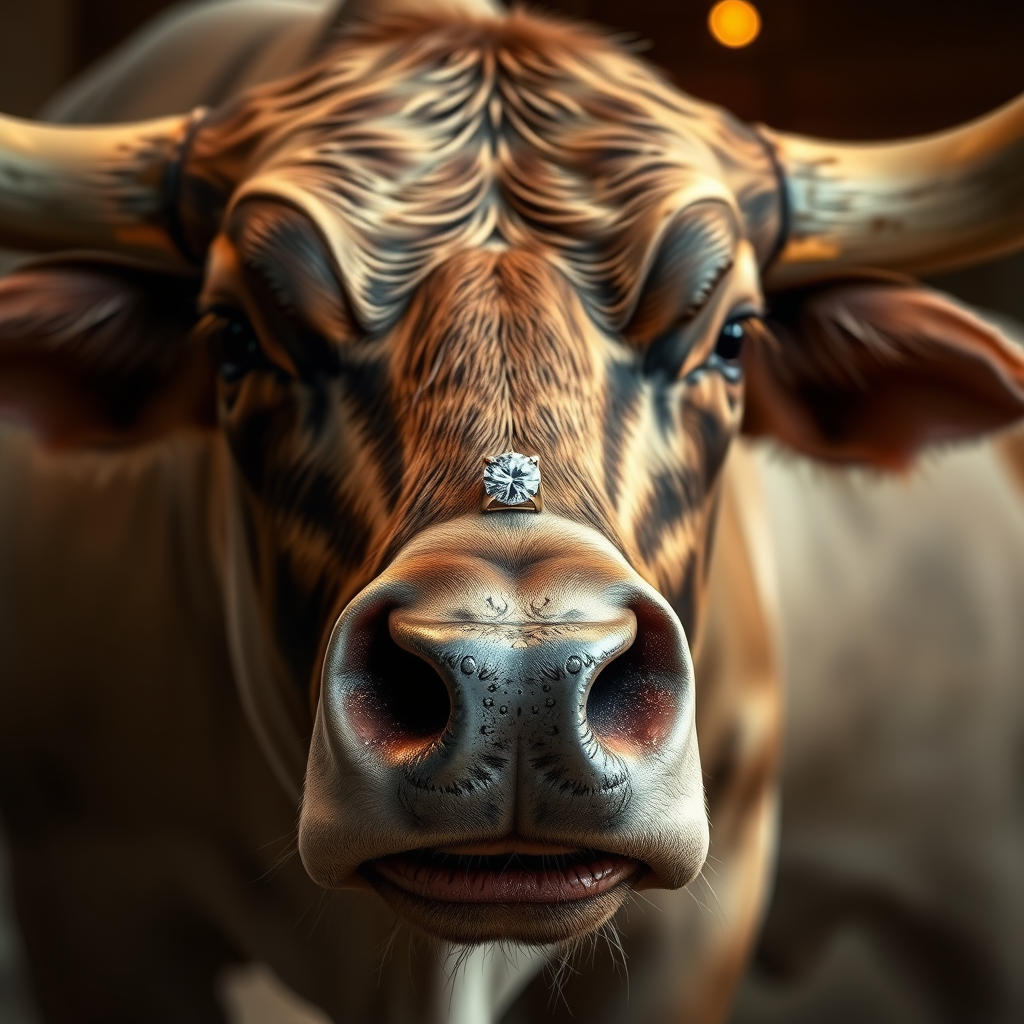
Nose rings can cause discomfort to bulls, primarily during the initial piercing and in certain circumstances of use. While the pain is generally minimal and temporary, the level of discomfort can vary based on a bull’s temperament and the application of the nose ring. Understanding the nuances of this practice is essential for farmers and handlers who prioritize animal welfare. In this article, we will explore the process of fitting nose rings, the potential for pain, and the broader implications of their use in managing bulls.
The Purpose of Nose Rings in Bulls
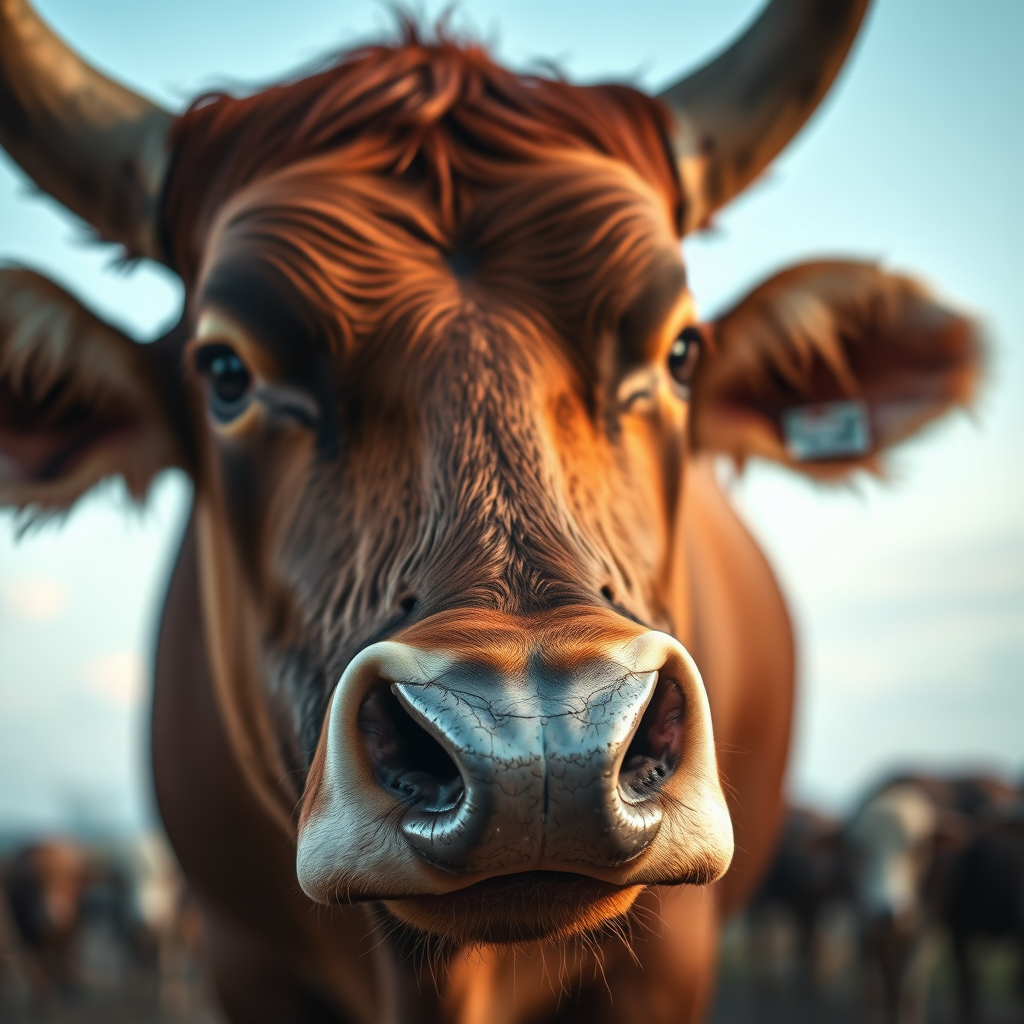
Nose rings serve a specific purpose in the management of bulls within agricultural settings. Primarily, they are employed as a tool for controlling and managing bulls that may exhibit aggressive behavior, making it easier for handlers to work with these large animals. Bulls are inherently strong and can be unpredictable, especially during mating seasons or in stressful situations. Nose rings provide a means of leverage, allowing handlers to guide and direct the animal more effectively.
Furthermore, in transport scenarios, a nose ring can facilitate the movement of bulls into trailers or holding pens. This is particularly important in preventing injury to both the animal and the handlers. By using nose rings, farmers can ensure a smoother and safer transportation process, which is vital for the overall well-being of the livestock.
The Piercing Process: What to Expect
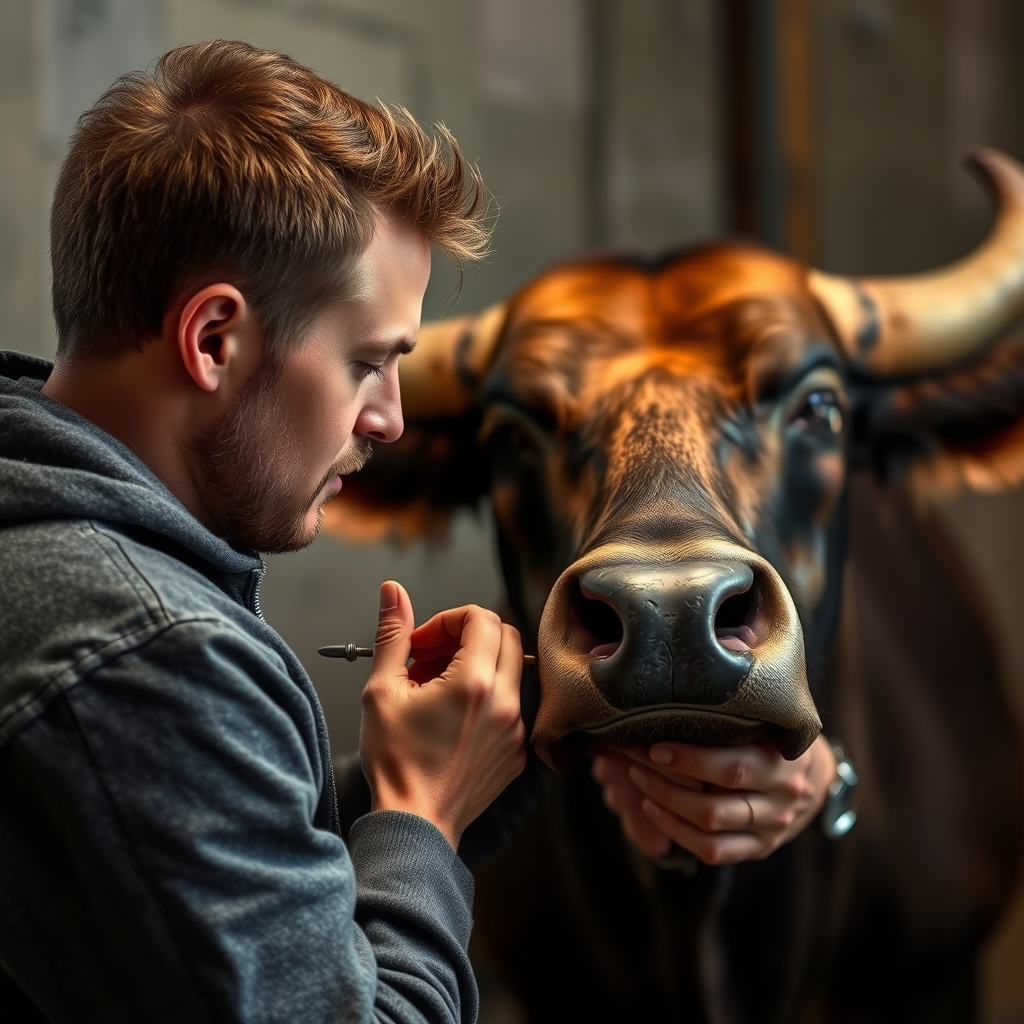
The piercing process for fitting a nose ring is typically straightforward, involving a quick insertion of the ring into the nasal septum—an area of cartilage that separates the nostrils. This procedure is often performed by a trained veterinarian or an experienced handler to minimize stress and ensure proper placement.
During the piercing, the discomfort experienced by the bull can vary significantly. Some bulls may react strongly, displaying signs of agitation or distress, while others may remain relatively calm. The key to a successful procedure lies in the technique used and the environment in which it is performed; a calm and controlled setting can greatly reduce the likelihood of a negative reaction.
Pain Levels Associated with Nose Rings
The pain associated with nose rings is generally short-lived, often described as akin to a quick pinch. Many bulls experience initial discomfort during the piercing, but most recover quickly and adapt to the presence of the ring within a short period.
Post-piercing care is crucial in managing any potential pain or irritation. Proper handling and aftercare, such as keeping the area clean and monitoring for signs of infection, can greatly influence the overall pain experience. Additionally, ensuring that the ring fits properly can help minimize irritation. A poorly fitted nose ring can lead to chronic discomfort, underscoring the importance of careful selection and fitting.
Behavioral Responses to Nose Rings
Following the piercing, bulls may exhibit a range of behavioral responses. Initially, some may show signs of stress or agitation, which can manifest as attempts to shake their heads, paw at the ground, or vocalize more than usual. These reactions are often temporary and subside as the bulls acclimate to their new condition.
Over time, many bulls adapt to having a nose ring and show little to no significant behavioral changes. With consistent and gentle handling, bulls can learn to associate the ring with positive experiences rather than discomfort. This adaptability highlights the importance of patience and understanding from the handler’s side, ensuring the bull’s welfare is always prioritized during the adjustment phase.
Alternatives to Nose Rings
While nose rings are a common tool for managing bulls, there are alternatives that may be less invasive and equally effective. Halters and harnesses, for instance, can provide control without the need for a piercing. These devices allow handlers to guide and restrain bulls with less risk of causing pain or distress.
Evaluating the best approach often depends on the individual animal’s behavior and the handler’s experience. In some cases, using a combination of methods may yield the best results. For example, a halter can be used for routine handling while a nose ring might be reserved for specific situations that require additional control.
Care and Maintenance of Nose Rings
Regular inspection and maintenance are essential to ensure that nose rings do not cause irritation or infection. Farmers should be vigilant in checking the ring for signs of wear or damage and ensure that the area around the piercing remains clean. Proper hygiene practices, such as sanitizing the ring and the surrounding skin, can help minimize potential discomfort associated with nose rings.
Handlers should also be attentive to the bull’s behavior following the application of the nose ring. Any signs of increased agitation, swelling, or discharge around the piercing should prompt immediate evaluation and potential veterinary consultation to address any emerging issues.
Ethical Considerations in Using Nose Rings
The use of nose rings in bulls raises important ethical considerations surrounding animal welfare versus management efficiency. Critics argue that any form of piercing is inherently painful and can lead to stress and discomfort for the animal. Proponents, however, assert that when used correctly, nose rings can enhance safety and facilitate better management practices.
It is crucial for farmers to weigh the necessity of using nose rings against the potential for pain or distress. This requires a thoughtful approach to animal husbandry, ensuring that the benefits of using a nose ring significantly outweigh the risks. Ongoing education and adherence to ethical standards in animal management can guide farmers in making informed decisions that prioritize both productivity and animal welfare.
Bulls may experience some initial discomfort when fitted with nose rings, but the pain is generally minimal and manageable. Understanding the implications and ethical considerations of using nose rings is essential for responsible animal management. If you’re considering using nose rings, ensure to evaluate your methods and prioritize the welfare of the animals in your care. By doing so, you can uphold the highest standards of animal husbandry while effectively managing your livestock.
Frequently Asked Questions
Do nose rings hurt bulls when they are inserted?
Yes, inserting a nose ring can cause some pain to bulls, as it involves puncturing the skin in the nasal septum. However, the pain is typically brief, and many farmers and veterinarians use pain relief methods or ensure that the process is done quickly and efficiently to minimize discomfort. The primary purpose of the nose ring is to control the animal, making it easier to manage and transport.
How do nose rings affect the behavior of bulls?
Nose rings can significantly influence the behavior of bulls, as they are often used as a training and control tool. When properly used, nose rings can discourage aggressive behavior and help with handling during routine activities like veterinary checks or transportation. However, it’s crucial that the rings are used humanely to ensure that the bulls do not experience undue stress or discomfort.
Why do farmers use nose rings on bulls?
Farmers use nose rings on bulls primarily for safety and control. Bulls can be powerful and sometimes unpredictable, making it challenging to manage them without proper handling tools. A nose ring allows handlers to exert control over the animal’s movements, making it easier to lead them for veterinary care, breeding, or transportation.
What are the best practices for inserting a nose ring on a bull?
The best practices for inserting a nose ring involve ensuring that the bull is calm and restrained, as this helps reduce stress and pain. It is recommended to use a sterile needle and a properly sized ring to avoid complications. Additionally, consulting a veterinarian for the procedure can help ensure it is performed safely and effectively, minimizing discomfort for the animal.
Which type of nose ring is most commonly used for bulls?
The most commonly used type of nose ring for bulls is the circular or “bull ring” style. This type allows for easy insertion and provides sufficient control. Farmers may also choose from different materials, such as stainless steel or plastic, depending on the specific needs of the animal and the environment in which it will be used.
References
- Nose ring
- https://www.ncbi.nlm.nih.gov/pmc/articles/PMC4671324/
- https://www.theguardian.com/environment/2021/jul/05/bullfighting-what-happens-to-the-bull
- Frontiers | Molecular Characterization and Phylogenetic Analysis of Enterocytozoon bieneusi in La…
- Resource Library – AAEP
- https://www.sciencedirect.com/science/article/pii/S0168159118300229