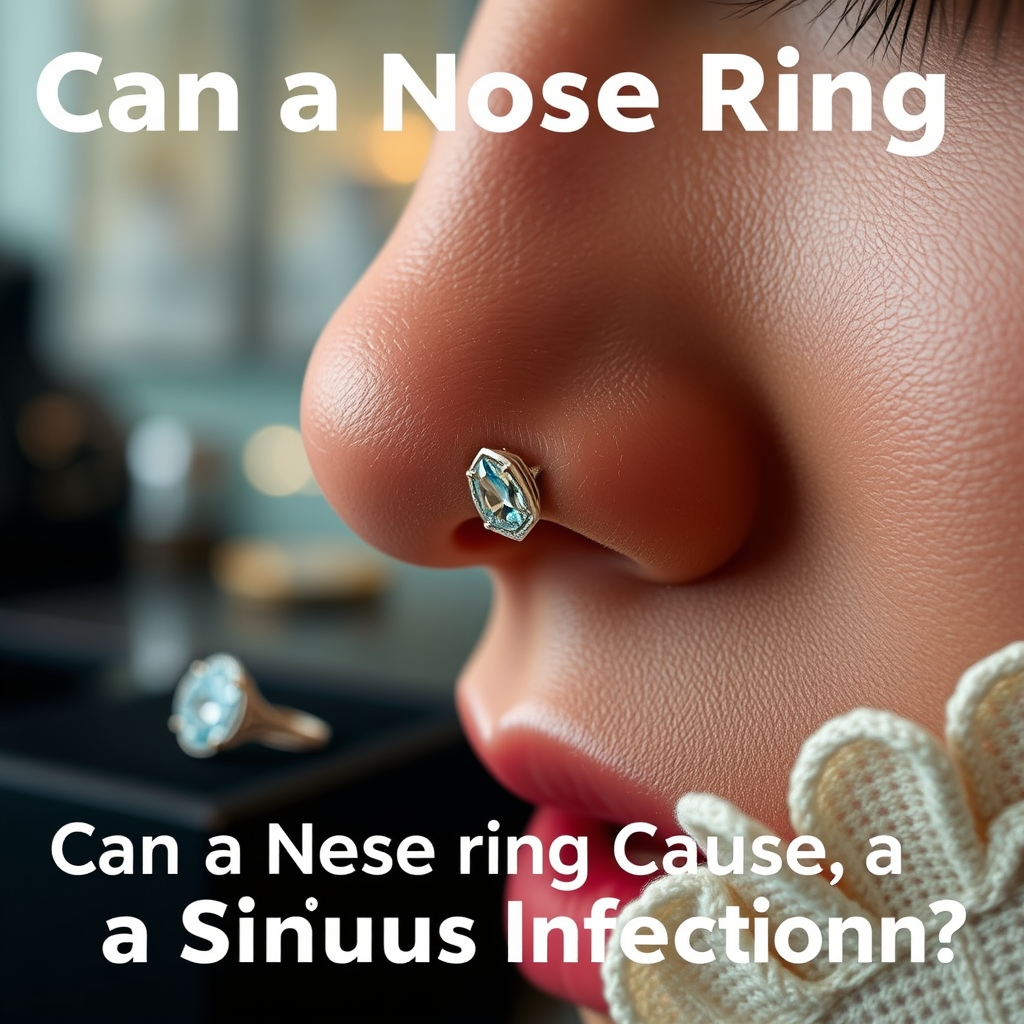
While it is unlikely that a nose ring directly causes a sinus infection, certain factors related to the piercing can increase the risk of infection or sinus issues. The act of piercing the nose can introduce bacteria and may provoke inflammation, which can complicate sinus health. In this article, we will explore how nose piercings can potentially lead to complications, the signs to watch for, and effective strategies to minimize the associated risks.
Understanding Sinus Infections
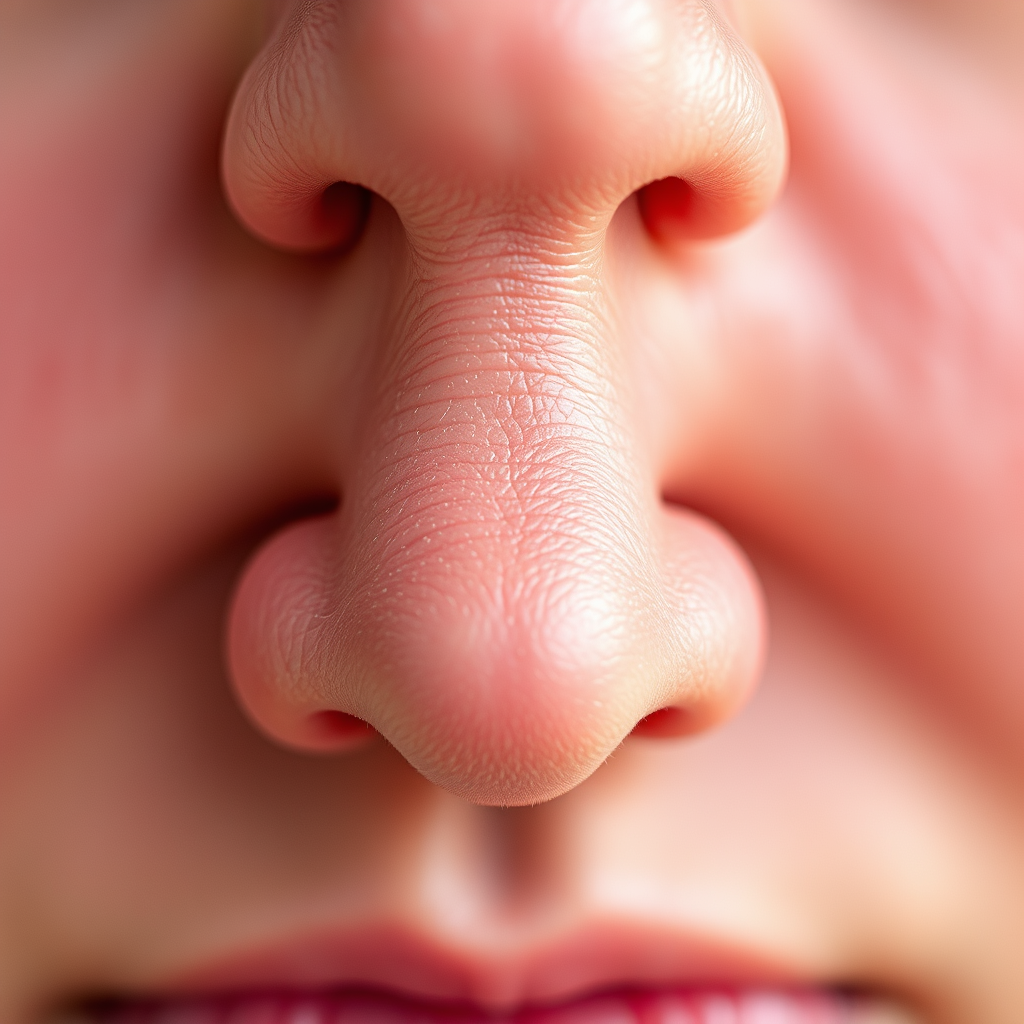
Sinus infections, or sinusitis, occur when the sinuses become inflamed or infected, leading to discomfort and various symptoms. The sinuses are air-filled cavities located in the skull, and when they become blocked due to inflammation, mucus can accumulate, resulting in infection. Common causes of sinusitis include viral infections, bacterial growth, allergies, and irritants such as pollution or smoke. Symptoms may include nasal congestion, facial pain or pressure, headaches, and a reduced sense of smell. Chronic sinus infections can significantly impact quality of life, making it essential to understand their causes and management strategies.
How Nose Rings Can Impact Sinus Health

Nose rings can potentially impact sinus health in various ways. One of the primary concerns is that a newly pierced nose can introduce bacteria into the nasal cavity. The act of piercing creates an entry point for pathogens, and if the area is not adequately cared for, this can lead to an infection. Additionally, inflammation from the piercing itself may contribute to sinus pressure or discomfort, mimicking symptoms of sinusitis.
Furthermore, the presence of jewelry in the nostril can create a physical barrier that may obstruct normal airflow through the nasal passages, leading to increased pressure and discomfort. While this does not directly cause a sinus infection, it can exacerbate existing conditions, particularly in individuals who are prone to sinus issues.
Signs of Infection After Piercing
After getting a nose piercing, it is crucial to be vigilant for signs of infection. Symptoms to watch for include persistent nasal congestion, facial pain, or unusual discharge from the nostrils. Infections may lead to systemic symptoms such as fever or fatigue, which could indicate a more severe issue. Locally, signs of infection around the piercing site include redness, swelling, warmth, and pus. If you notice any of these symptoms, it is essential to take them seriously and consult a healthcare professional to prevent further complications.
Risk Factors Associated with Nose Piercings
Several risk factors can heighten the likelihood of complications following a nose piercing. One significant factor is poor hygiene during the piercing process. If the tools used or the environment in which the piercing is performed are not sterile, the risk of infection increases significantly.
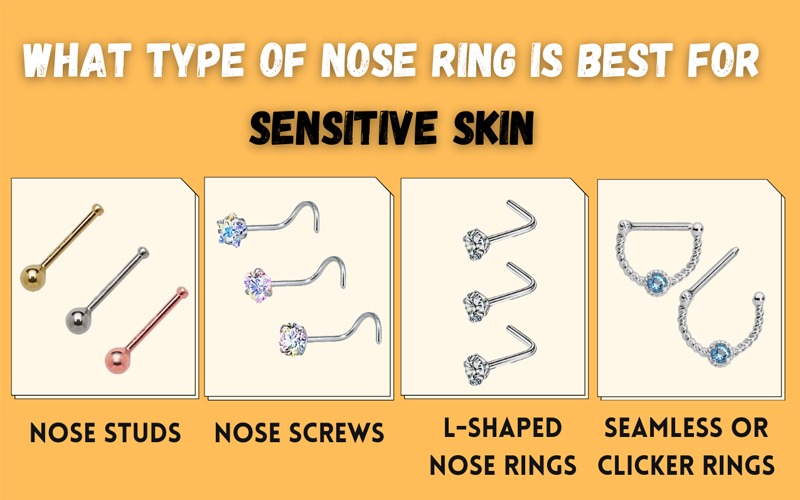
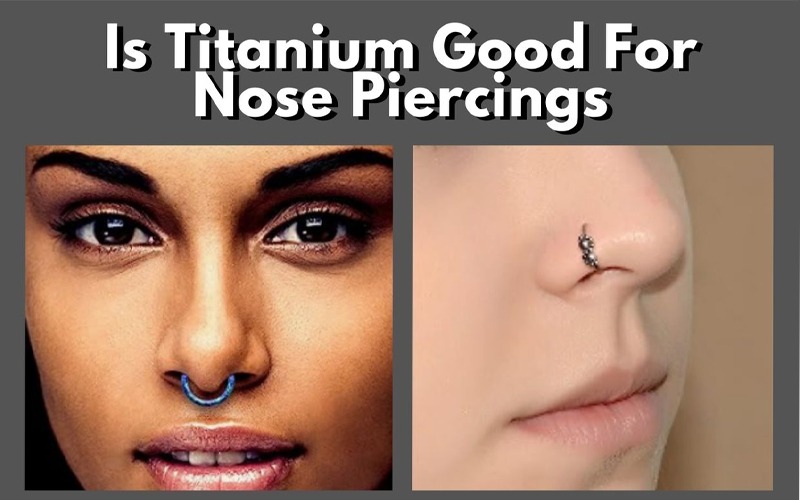
Another risk factor is the material of the nose ring itself. Some individuals may have allergic reactions to certain metals, such as nickel or brass, leading to irritation and inflammation that can predispose them to infections. Choosing high-quality jewelry made from hypoallergenic materials, such as surgical stainless steel, titanium, or gold, is crucial to minimizing these risks.
Additionally, individuals with a history of sinus issues, allergies, or respiratory conditions should approach nose piercings with caution, as their existing conditions may exacerbate complications.
Preventative Measures to Avoid Infections
To reduce the risk of infections associated with nose piercings, several preventative measures can be taken. First and foremost, always choose a professional piercer who operates in a clean and sterile environment. This includes using sterilized equipment and practicing stringent hygiene protocols.
Post-piercing aftercare is equally important. Following the recommended aftercare instructions—such as cleaning the area with saline solution, avoiding touching the piercing with dirty hands, and refraining from changing the jewelry too soon—can significantly reduce the chances of infection. It is also advisable to avoid swimming in pools, hot tubs, or lakes until the piercing has fully healed, as these environments can harbor bacteria.
When to Seek Medical Attention
It is crucial to know when to seek medical attention following a nose piercing. If you experience severe symptoms such as high fever, excessive swelling, or severe pain that does not improve with home care, it is imperative to consult a healthcare professional. Persistent discomfort or signs of infection, such as increasing redness, warmth, or discharge around the piercing, should not be ignored, as they may indicate a more serious condition requiring medical intervention. Early treatment can prevent complications and promote faster recovery.
Tips for Maintaining Piercing Hygiene
Maintaining proper hygiene for your nose piercing is essential for preventing infections. Regularly cleaning the area with a saline solution helps to keep it free from bacteria. It is important to avoid touching the piercing with dirty hands, as this can introduce pathogens that lead to infection.
Opting for high-quality jewelry made from hypoallergenic materials can also minimize irritation and allergic reactions. If you experience any discomfort with your current jewelry, consider consulting with a professional piercer about alternatives that may be more suitable for your skin type.
Additionally, be mindful of your overall health and well-being. A strong immune system can help ward off infections, so maintaining a balanced diet, staying hydrated, and managing stress levels are beneficial not just for your piercing but for your health overall.
Maintaining a nose ring can be safe and stylish, but it’s essential to be aware of the potential risks associated with sinus infections. By following proper care guidelines and monitoring for any signs of infection, you can enjoy your piercing while safeguarding your health. If you experience any concerning symptoms, don’t hesitate to reach out to a healthcare provider for advice. Overall, informed decision-making and proactive care are key to ensuring a positive experience with your nose piercing.
Frequently Asked Questions
Can wearing a nose ring lead to a sinus infection?
Yes, wearing a nose ring can potentially lead to a sinus infection, particularly if the piercing is not properly cared for. When a new nose ring is inserted, it can create an entry point for bacteria, especially if the area is touched frequently or exposed to irritants. Additionally, if the jewelry is too heavy or improperly placed, it may cause irritation, swelling, or blockage in the nasal passages, which can contribute to sinus infections.
How can I prevent a sinus infection from my nose ring?
To prevent a sinus infection from your nose ring, it’s essential to maintain proper hygiene and care for the piercing. Clean the area gently with saline solution or an antiseptic recommended by your piercer, and avoid touching the piercing with dirty hands. Also, consider using high-quality jewelry made from materials like titanium or surgical steel, which are less likely to cause allergic reactions or irritation.
What are the signs that my nose ring may be causing a sinus infection?
Signs that your nose ring may be contributing to a sinus infection include persistent nasal congestion, facial pain or pressure, thick nasal discharge, and a reduced sense of smell. Additionally, if you experience swelling or redness around the piercing site, it could indicate an infection that might exacerbate sinus issues. If these symptoms occur, consult a healthcare professional for guidance.
Why do some people get sinus infections after getting a nose ring?
Some individuals may develop sinus infections after getting a nose ring due to their unique anatomy or sensitivity to the piercing. Factors such as pre-existing nasal conditions, allergies, or improper aftercare can increase the risk. When irritated, the nasal passages may become inflamed and blocked, creating an environment conducive to bacterial growth and infection.
Which type of nose ring is best to reduce the risk of sinus infections?
The best type of nose ring to reduce the risk of sinus infections is one made from hypoallergenic materials, such as titanium, surgical stainless steel, or niobium. These materials are less likely to cause irritation or allergic reactions, which can lead to inflammation and potential sinus issues. Additionally, opting for lighter designs can help minimize pressure on the nasal passages. Always consult with a professional piercer to ensure you select the most suitable option for your needs.
References
- https://www.ncbi.nlm.nih.gov/pmc/articles/PMC4080162/
- https://www.healthline.com/health/nose-piercing-infection
- https://www.webmd.com/skin-problems-and-treatments/piercing-infections
- https://www.mayoclinic.org/healthy-lifestyle/adult-health/in-depth/body-piercings/art-20046030
- https://www.aafp.org/pubs/afp/issues/2016/1115/p927.html