If you remove your nose ring, the hole can indeed close up, particularly if the piercing is new. The speed with which this occurs is influenced by various factors, including the age of the piercing and individual healing characteristics. Understanding these dynamics is crucial for anyone considering removing their jewelry or simply curious about the implications of a nose piercing. This article will delve into the specifics of nose ring holes closing, healing times, and steps you can take if you’re contemplating the removal of your nose adornment.
Understanding Nose Piercing Healing Times

When it comes to healing times for nose piercings, freshly pierced noses typically require 4 to 6 months for complete healing. This duration can vary significantly from person to person, depending on individual health and aftercare practices. During this initial healing period, the body is busy forming new tissue and securing the piercing, making it particularly vulnerable to closure if the jewelry is removed.
On the other hand, older piercings, particularly those that have been in place for a year or more, may take longer to close. In fact, many people find that their piercings remain open indefinitely after they’ve healed, allowing for the flexibility of wearing jewelry or going without it for extended periods without concern of closure. Factors such as body type, skin health, and lifestyle choices can all play a significant role in determining how quickly or effectively a piercing heals.
Factors Influencing Closure
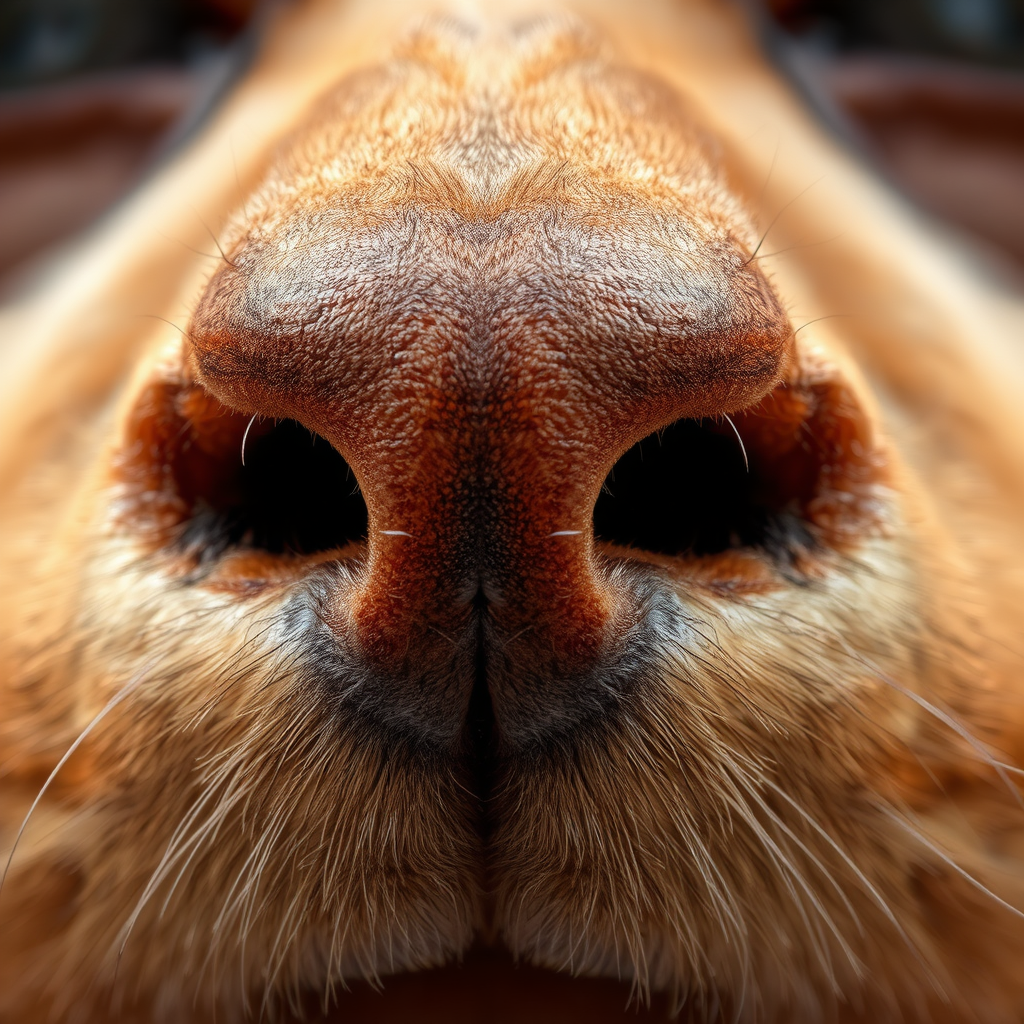
Several critical factors influence the rate at which a nose ring hole may close.
1. Age of the Piercing: As mentioned, the longevity of your piercing plays a pivotal role. A new piercing is much more likely to close up quickly upon removal than one that has been in place for several months or years. For instance, individuals with piercings that have healed for over a year may find that taking out their nose ring for a few hours poses little risk of closure.
2. Individual Body Response: Each person’s body responds uniquely to piercings due to genetic factors, skin type, and overall health. Some individuals may heal more quickly, while others experience prolonged healing times. For example, someone with oily skin might find that their piercings heal differently compared to someone with drier skin, influencing the likelihood of closure after the jewelry is removed.
3. Aftercare Practices: Proper aftercare significantly affects healing and the longevity of the hole. Those who diligently follow aftercare routines are less likely to experience issues with closure. This includes cleaning the area regularly and avoiding irritants.
Signs of Closure
Recognizing the signs of closure is crucial for anyone who has recently removed their nose ring or is considering doing so. Initially, you may notice some swelling or redness around the piercing site, which is a normal part of the healing process. However, as the hole begins to close, you might observe more definitive changes.
A gradual coverage of skin over the hole is often the first visible sign that closure is occurring. You may also notice a small, raised area forming around the hole as the skin starts to heal over it. If you experience these signs, it indicates that your piercing is in the process of closing, and you may want to consider re-inserting jewelry if you wish to maintain the hole.
What Happens When You Remove Your Nose Ring?
The act of removing a nose ring can lead to various outcomes depending on the age of the piercing. For fresh piercings, the hole can close almost immediately, with skin beginning to cover the opening within hours of jewelry removal. This rapid closure can be disconcerting for individuals who may wish to return to wearing their nose ring after a short absence.
In contrast, with older piercings, you may observe the hole shrinking but not completely disappearing. Many individuals with established piercings find that they can go without their nose ring for extended periods without the fear of complete closure. However, even in these cases, it’s essential to monitor the site for any signs of contraction, particularly if you plan to take a break from wearing jewelry.
Care for Your Nose Piercing
Proper care for your nose piercing is paramount to ensure it heals well and maintains its size. This involves a few key practices:
1. Cleanliness: Keeping the area clean is essential. Use saline solutions or specific piercer-recommended cleaning products to maintain hygiene and prevent infections.
2. Avoiding Irritation: It’s crucial to avoid unnecessary irritation of the piercing. This includes steering clear of heavy makeup around the piercing and avoiding activities that might cause trauma, such as vigorous sports or rubbing the nose.
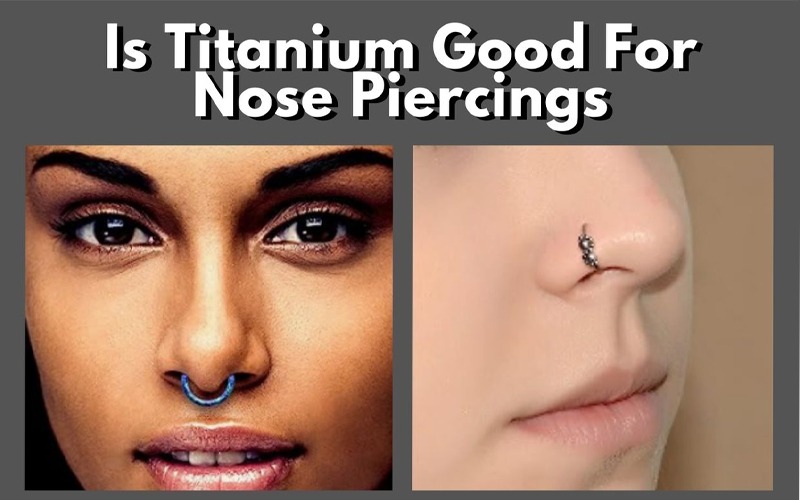
3. Mindful Jewelry Choices: If you decide to change your jewelry, ensure that the new piece is made of safe materials (like surgical steel or titanium) to prevent adverse reactions.
By adhering to these guidelines, you can enhance the longevity of your piercing and reduce the chance of closure.
What to Do If You Want to Keep the Hole Open
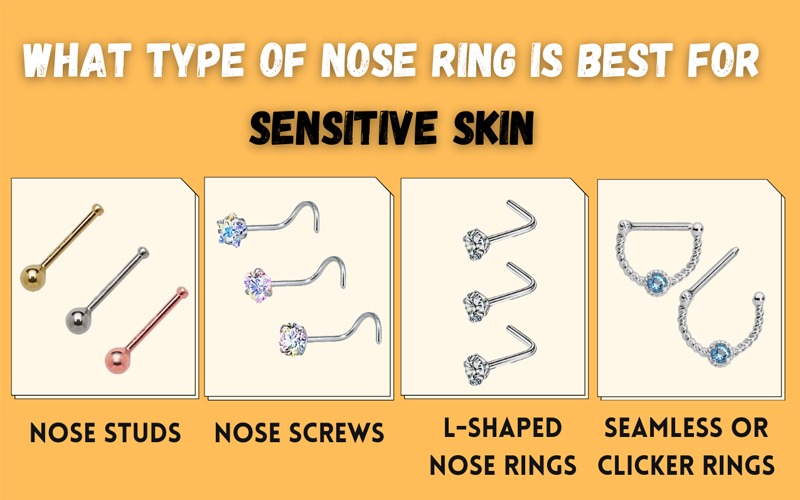
If you have decided to remove your nose ring but want to keep the hole open, there are a few strategies to consider. One effective option is to use a retainer or a small stud. These options are less conspicuous and can be worn while allowing the hole to remain open.
If you are uncertain about how to proceed, consulting with a professional piercer can provide personalized advice. They can recommend suitable jewelry options or techniques for maintaining the piercing without risking closure.
When to Seek Professional Help
While the majority of nose piercings heal successfully, there are instances where professional help may be necessary. If you experience excessive pain, swelling, or signs of infection such as pus or fever, it is crucial to consult a healthcare professional. Infections can complicate healing and may require medical intervention.
Additionally, if you are considering re-piercing or if the closure of your piercing is causing distress, speaking with a qualified piercer can provide clarity. They can assess the situation and help you make informed decisions based on their expertise.
Taking care of your nose piercing is essential if you want to maintain its appearance. Understanding the nuances of healing times and closure can help you navigate the process more effectively. Whether you’re considering removing your nose ring or simply want to know more about the healing process, being informed will empower you to make the best decisions for your body. If you have further questions or need personalized advice, don’t hesitate to reach out to a professional piercer.
Frequently Asked Questions
Can a nose ring hole close up if I take it out?
Yes, a nose ring hole can close up if you take it out, especially if the piercing is relatively new. Typically, if the piercing is less than six months old, the hole may close up within hours to days after removal. Even older piercings can start to shrink over time, leading to partial closure, particularly if they haven’t been worn regularly.
How long does it take for a nose ring hole to close completely?
The time it takes for a nose ring hole to close completely varies depending on how long the piercing has been in place. Generally, a newly made piercing may start to close within a few hours to a few days after removing the jewelry. However, for piercings that have been in place for several years, the hole may take weeks or even months to close completely, and some may never fully close, leaving a small mark.
Why does my nose ring hole still hurt even after years of having it?
If your nose ring hole still hurts after years of having it, it could be due to several factors, including irritation from jewelry materials, allergic reactions, or the presence of scar tissue. Infections can also cause prolonged pain, so it’s important to consult with a professional piercer or healthcare provider if you experience persistent discomfort to ensure there are no underlying issues.
What should I do if my nose ring hole is closing up?
If you notice your nose ring hole is closing up, you can try to gently reinsert a small gauge jewelry piece to keep the hole open. Ensure that your hands are clean and that the jewelry is sanitized to prevent infections. If the hole is significantly closed or painful, it’s best to consult with a professional piercer for advice on how to proceed safely.
Which type of jewelry is best to prevent my nose ring hole from closing?
To prevent your nose ring hole from closing, it’s best to wear high-quality jewelry made of materials like surgical stainless steel, titanium, or niobium, as these are less likely to cause irritation or allergic reactions. Additionally, wearing a nose ring with a secure closure can help keep the hole open and minimize the risk of it closing up. Always follow aftercare instructions and avoid switching jewelry too frequently.
References
- Body piercing
- https://www.ncbi.nlm.nih.gov/pmc/articles/PMC5942029/
- https://www.healthline.com/health/nose-piercing-healing-time
- Ambien: Is dependence a concern? – Mayo Clinic
- https://www.webmd.com/skin-problems-and-treatments/what-to-know-about-nose-piercings
- https://www.verywellhealth.com/nose-piercing-infection-5110368
- https://www.medicalnewstoday.com/articles/nose-piercing-healing-time-and-care