Taking out a nose ring is generally a straightforward process, but it depends on the type of jewelry and how long it has been in place. If you’ve recently gotten a nose ring or are considering removing one, understanding the intricacies involved is crucial. This article will guide you through the necessary steps, precautions, and tips for a safe and effective removal of your nose ring.
Understanding Nose Ring Types
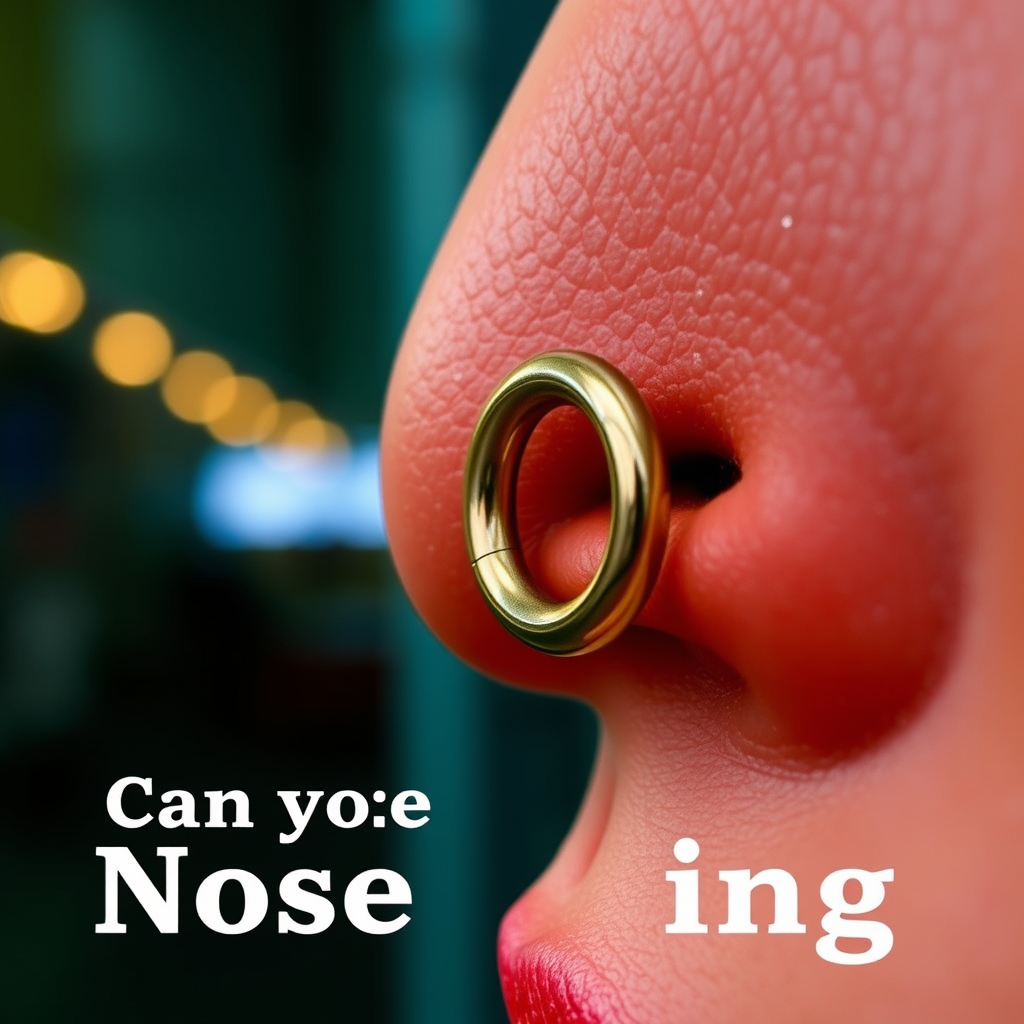
The first step in successfully removing a nose ring is recognizing the various types of nose jewelry available. The most common styles include studs, hoops, and septum rings, each requiring a different approach for removal.
Different Styles
1. Studs: These are typically the easiest to remove. They consist of a straight post with a decorative end, which can be pulled out after unscrewing the back.
2. Hoops: These can be a bit more complicated. Some hoops are designed to open and close via a hinged mechanism, while others may require bending the wire slightly to remove.
3. Septum Rings: These often feature a clicker mechanism or a segment that can be pulled apart. Understanding the specific type of septum ring you have is essential for a smooth removal process.
Materials Matter
The material of your nose jewelry also plays a significant role in the removal process. Common materials include surgical steel, titanium, and gold. Surgical steel is generally more durable and can withstand some rough handling, while titanium is lightweight and corrosion-resistant. Gold, particularly if it’s a higher karat, can be softer and may require more careful handling. Additionally, some materials can cause allergic reactions, which might complicate the removal. Always ensure you are using jewelry made from hypoallergenic materials, especially if you have sensitive skin.
Timing for Removal
Understanding the appropriate timing for removing a nose ring is crucial to prevent complications.
Healing Period
Most professional piercers recommend waiting until your piercing has fully healed before attempting to remove your nose ring. This healing period typically ranges from 6 to 8 weeks, depending on individual factors such as skin type, aftercare practices, and personal health.
Signs of Healing
Before you consider removal, monitor your piercing for signs of full healing. Look for minimal redness, swelling, and discharge. Ideally, the area should feel comfortable and show no signs of irritation. If you notice persistent discomfort or unusual symptoms, it may be best to wait longer or consult a professional.
Steps to Remove a Nose Ring
When you feel confident that your nose piercing is ready for removal, follow these detailed steps to ensure a safe process.
Clean Your Hands
Before touching your nose ring, thoroughly wash your hands with soap and water or use hand sanitizer. This step is vital to prevent introducing bacteria to the piercing site, which could lead to infection.
Use Appropriate Tools
Depending on the type of jewelry, you may need specific tools to assist in the removal process. For studs, you might just need your fingers to unscrew the back. However, if you’re dealing with a particularly stubborn hoop, needle-nose pliers or a similar tool can help gently pry it open. Always handle tools with care to avoid damaging the jewelry or injuring yourself.
Troubleshooting Common Issues
Despite careful preparation, you may encounter some common issues during the removal process.
Difficulty Removing
If your nose ring feels stuck, do not apply excessive force, as this can cause pain or injury. Instead, try lubricating the area with a saline solution or a gentle oil to ease the removal. If the jewelry remains stuck, it’s advisable to stop and consult a professional piercer rather than risk injury.
Pain or Discomfort
While some pressure or slight discomfort is normal during removal, significant pain is not. If you experience severe discomfort, it’s best to stop the process immediately. A professional piercer can assess the situation and provide assistance, ensuring that you do not damage the piercing or the jewelry.
Aftercare Post-Removal
Once your nose ring has been successfully removed, it’s essential to care for the piercing site properly.
Cleaning the Area
Using saline solution or antiseptic wipes, gently clean the area around the piercing. This step helps prevent infection and promotes healing, especially if you plan to re-pierce in the future. Avoid using alcohol or hydrogen peroxide, as these can be too harsh and may irritate the skin.
Monitoring for Infection
After removal, keep an eye on the piercing site for any unusual symptoms, such as increased redness, swelling, or discharge. It’s essential to monitor the area for at least a few days post-removal to catch any signs of infection early on.
When to Seek Professional Help
In some cases, it may be necessary to consult a professional, especially if complications arise.
Persistent Pain or Swelling
If you notice that pain or swelling persists for more than a few days after removal, seeking the help of a professional piercer or healthcare provider is crucial. They can evaluate the situation and recommend appropriate treatment.
Complications from Improper Removal
If you attempted to remove the jewelry and faced difficulties, resulting in damage to the piercing or surrounding tissue, professional help is essential. An experienced piercer can assess any damage and provide guidance on how to care for the area.
Removing a nose ring can be a simple task if done correctly. By understanding the type of jewelry you have, ensuring that the piercing is fully healed, and following proper removal techniques, you can avoid complications. Remember to practice post-removal aftercare diligently and consult a professional if you encounter any issues. If you have any doubts, don’t hesitate to reach out to a professional piercer for assistance. Consider bookmarking this article for future reference or sharing it with someone who may need guidance on nose ring removal.
Frequently Asked Questions
What should I do if my nose ring is stuck?
If your nose ring is stuck, first try to stay calm and avoid pulling on it forcefully, as this could cause injury. Gently twist the ring back and forth to see if it can be loosened, and use a lubricant like saline solution or a gentle oil to help ease it out. If you’re still unable to remove it, consider seeking help from a professional piercer or a medical professional to avoid complications.
How long should I wait before removing my nose ring?
Generally, you should wait at least 2 to 3 months before removing a new nose ring, as this allows sufficient time for the piercing to heal properly. Healing time can vary based on individual factors, so it’s essential to monitor for signs of irritation or infection. If in doubt, consult with your piercer or a healthcare professional to determine the right time for removal.
Why is my nose ring causing irritation or discomfort?
Irritation or discomfort from a nose ring can stem from various factors, including an allergic reaction to the metal, improper aftercare, or an infection. To alleviate discomfort, ensure you’re using jewelry made from hypoallergenic materials, clean the area regularly, and avoid touching the piercing with dirty hands. If irritation persists, consult a healthcare professional for advice tailored to your situation.
What is the best way to clean my nose ring while it’s in?
The best way to clean your nose ring is to use a saline solution or a gentle antibacterial soap diluted with water. Apply the solution to a cotton swab or clean cloth and gently clean around the piercing and the jewelry itself, being careful not to remove the ring. Regular cleaning helps prevent infection and promotes healing, so make this part of your daily hygiene routine.
Which type of nose ring is easiest to remove?
The easiest type of nose ring to remove is typically a stud with a simple ball closure or a screw-on design, as these can be unscrewed without the need for additional tools. Hoop earrings may require more finesse to open and close, especially if they are not designed for easy removal. If you anticipate needing to take out your nose ring frequently, opt for a design that offers ease of use.
References
- Nose ring
- https://www.mayoclinic.org/healthy-lifestyle/adult-health/in-depth/piercings/art-20045829
- https://www.healthline.com/health/body-piercing-nose-ring
- Allergy shots (immunotherapy): Efficacy, side effects, and types
- https://www.ncbi.nlm.nih.gov/pmc/articles/PMC3480558/
- https://www.verywellhealth.com/piercing-aftercare-5077702
- https://www.cdc.gov/nceh/ehs/docs/ear_piercing_handout.pdf