To insert an L-shaped nose ring, start by gently cleaning your piercing and the jewelry to prevent infection. This essential preparation sets the stage for a smooth insertion process. The L-shaped nose ring, known for its unique design, can be comfortably positioned within the nostril, providing both style and security. This guide will provide you with detailed steps and helpful tips to make the process easier and more comfortable, ensuring that your experience is as seamless as possible.
Understanding L-Shaped Nose Rings

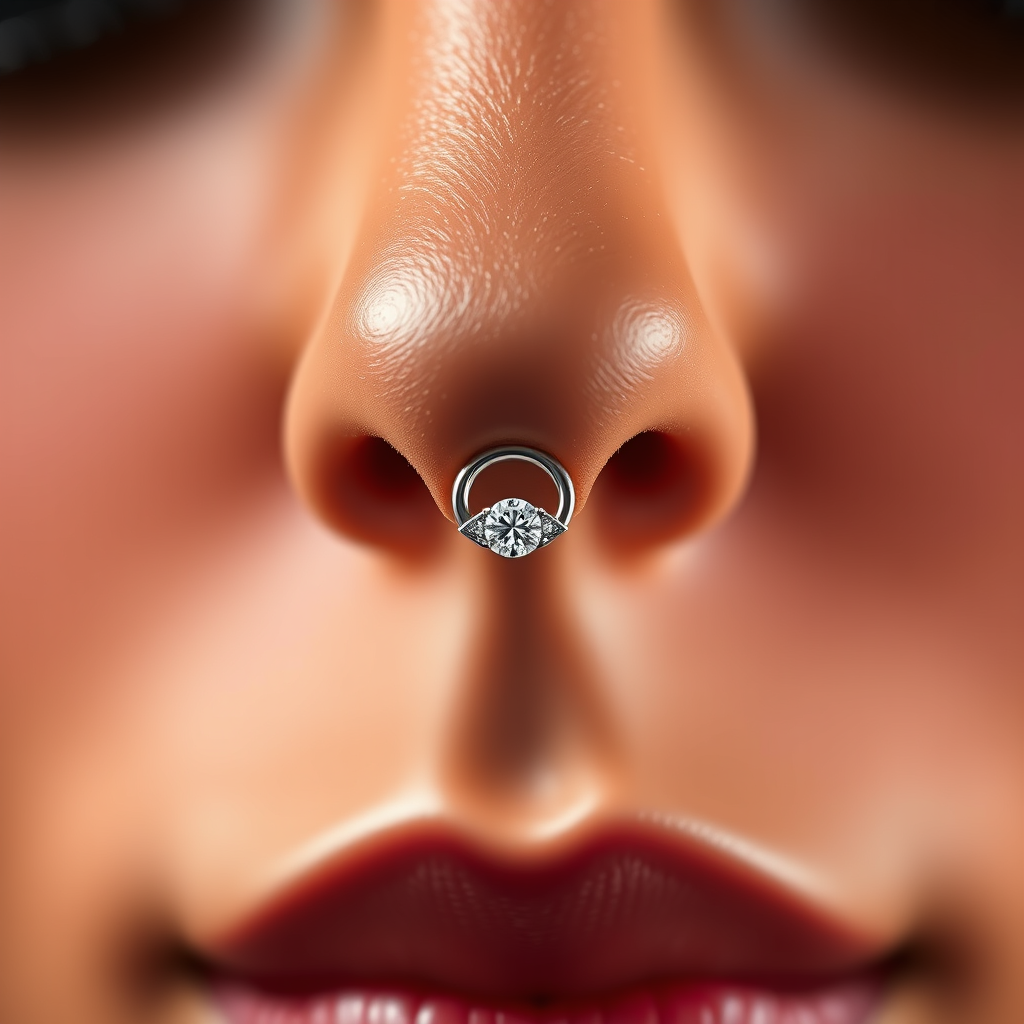
L-shaped nose rings are distinct in their design, featuring a short stem that connects to an L-shaped end. This configuration allows the jewelry to sit securely within the nostril, reducing the likelihood of it slipping out or becoming dislodged. Many individuals prefer L-shaped nose rings due to their ease of use and comfort for everyday wear. The design accommodates various nostril shapes and sizes, making them a versatile choice for anyone looking to add a touch of flair to their look. Additionally, they can be found in various materials, such as surgical steel, titanium, and gold, catering to different preferences and skin sensitivities.
Preparing for Insertion

Before inserting your L-shaped nose ring, it’s crucial to prioritize cleanliness to minimize the risk of infection. Start by washing your hands thoroughly with soap and water for at least 20 seconds. This step is essential, as clean hands prevent bacteria from entering the piercing, which can lead to complications, including infections.
Next, clean the nose ring itself. You can use a saline solution or rubbing alcohol, applying it with a cotton ball or pad. This sanitization process ensures that any potential contaminants on the jewelry are eliminated. Allow the ring to dry completely before proceeding to the insertion phase. Taking these precautionary measures sets a solid foundation for the entire process and contributes to a healthy healing environment for your piercing.
Inserting the Nose Ring
With your hands and jewelry clean, it’s time to insert the L-shaped nose ring. Begin by holding your nostril open gently with your fingers, which creates enough space for the ring to be positioned accurately. This step is crucial for ensuring that the insertion is smooth and avoids unnecessary discomfort.
Position the L-shaped end of the ring at the angle of your piercing, aiming to slide it in gently. Take your time, as rushing this process can lead to pain or irritation. The L-shaped end should easily navigate through the piercing, but if you encounter resistance, do not force it; instead, readjust your angle slightly and try again. Once fully inserted, the L-shaped end will rest securely against the inside of your nostril, ensuring that the jewelry stays in place without slipping out.
Adjusting the Fit
After inserting the nose ring, it’s important to check that it sits comfortably in your nostril. The fit should feel secure yet not overly tight, as discomfort may indicate that adjustments are necessary. If the ring feels too tight or loose, carefully adjust the angle of the L-shaped end to find a more comfortable position.
Be mindful that some initial discomfort is normal, especially if the piercing is fresh. However, if you experience persistent pain or excessive tightness, it may be beneficial to consult with a professional piercer for guidance. They can provide valuable insights and assist in ensuring that your jewelry is appropriately fitted.
Aftercare Tips
Proper aftercare is essential for ensuring the longevity of your piercing and the health of your skin. Clean the area around the piercing daily with a saline solution. This routine helps to prevent buildup of bacteria and promotes healing. You can create a saline solution at home by mixing 1/4 teaspoon of non-iodized sea salt with 8 ounces of distilled water.Avoid touching or twisting the nose ring unnecessarily, as this can lead to irritation and prolong the healing process. Instead, be gentle and mindful when cleaning the area. Additionally, try to avoid swimming in pools or hot tubs for at least a few weeks post-insertion, as these environments can introduce harmful bacteria to your piercing.
Troubleshooting Common Issues
While inserting an L-shaped nose ring is generally straightforward, some common issues may arise. If you experience pain, swelling, or signs of infection, such as redness or discharge, it is crucial to remove the ring immediately and consult with a professional piercer or healthcare provider. They can assess the situation and recommend appropriate treatment measures.
Another consideration is the material of the nose ring. If you suspect an allergy to the metal, it’s important to switch to hypoallergenic options, such as titanium or surgical steel, which are less likely to cause adverse reactions. Always listen to your body; if something feels off, seeking professional help is the best course of action.
In summary, inserting an L-shaped nose ring requires thorough preparation, careful insertion, and diligent aftercare. By following these steps and being mindful of your body’s responses, you can ensure a comfortable and successful experience.
In conclusion, remember to clean both the nose and the jewelry, and follow the steps carefully for a smooth insertion. If you have any issues, don’t hesitate to seek assistance from a professional piercer. Taking these precautions and steps will help you enjoy your new L-shaped nose ring with confidence and style.
Frequently Asked Questions
How do I properly insert an L-shaped nose ring?
To insert an L-shaped nose ring, start by ensuring your hands are clean to avoid infection. Hold the ring with the short end facing down, then gently insert the longer end into the piercing from the back of your nostril. Once it’s through, use your fingers to guide the ring into place, ensuring the L shape sits comfortably inside your nostril without applying too much pressure.
What should I do if my L-shaped nose ring won’t go in?
If your L-shaped nose ring won’t go in, first check for any swelling or irritation in the piercing area. It’s important to avoid forcing the jewelry, as this can cause further damage. Instead, consider applying a saline solution to the area to soothe any inflammation and try again gently. If the problem persists, consult a professional piercer to avoid complications.
Why does my L-shaped nose ring keep falling out?
An L-shaped nose ring may fall out for several reasons, including an improper fit or not being fully inserted. Over time, your piercing may also heal or change shape, making it loose. To prevent this, ensure you select the correct gauge and size for your nose ring, and consider consulting with your piercer to find a more secure option, like a screw or clicker type.
What is the best material for an L-shaped nose ring?
The best materials for an L-shaped nose ring are surgical stainless steel, titanium, and gold, as they are less likely to cause allergic reactions and are more biocompatible. Surgical stainless steel is durable and affordable, while titanium is lightweight and hypoallergenic, making it ideal for sensitive skin. Gold options should be at least 14k to minimize the risk of irritation.
Which side do you put an L-shaped nose ring in?
The side in which you insert an L-shaped nose ring often depends on personal preference or cultural significance. Generally, if you’re unsure, it’s common to wear the piercing on the left side; however, you can choose the side that feels most comfortable for you. Always consider any potential social implications or traditions related to nose piercings in your culture when deciding.
References
- Nose piercing
- https://www.ncbi.nlm.nih.gov/pmc/articles/PMC7882574/
- https://www.healthline.com/health/nose-piercing-care
- https://www.hopkinsmedicine.org/health/conditions-and-diseases/nose-piercing-infection
- https://www.verywellhealth.com/nose-piercing-5113596
- https://www.cdc.gov/niosh/topics/piercing/default.html