Changing your nose ring after a month is generally possible, but it depends on how well your piercing has healed. Most piercers recommend waiting at least six to eight weeks for optimal healing; however, if your piercing feels comfortable and shows no signs of irritation, you may be ready to switch. Understanding the intricacies of the healing process, recognizing when it’s appropriate to change your jewelry, and knowing how to do so safely are all essential for ensuring your piercing remains healthy and vibrant. This article will guide you through the healing process, signs to look for, and tips for safely changing your nose ring.
Understanding Nose Piercing Healing

The healing process for a nose piercing is not uniform; it varies significantly from one individual to another due to factors such as skin type, overall health, and hygiene practices. For most individuals, a nostril piercing typically takes about 4 to 6 weeks to heal adequately, while septum piercings may take longer, often from 6 to 8 weeks or more. During this time, it’s crucial to maintain a clean environment for the piercing to minimize the risk of infections. Aftercare routines play a vital role in influencing healing; therefore, adhering to your piercer’s aftercare advice is paramount.
Moreover, individual factors like lifestyle, exposure to irritants, and even the type of jewelry used can impact healing times. For instance, people with oily skin may experience longer healing times due to the excess oil potentially clogging the piercing. Conversely, those who maintain rigorous hygiene and avoid touching the area will likely heal faster. Keeping track of your healing progress through a journal can also provide insights into your individual healing timeline.
Signs Your Piercing is Ready for Change

Before considering a change in your nose ring, it is essential to observe specific signs that indicate your piercing is ready. One of the most significant indicators is the absence of swelling and redness. Minimal swelling typically suggests that your body has accepted the piercing, and good blood circulation is occurring in the area. Additionally, the absence of pain or discomfort is a positive sign; any persistent pain could indicate complications or an infection.
Furthermore, look for the absence of discharge. While some minor clear fluid can be normal during the healing process, any pus or foul-smelling discharge should be taken seriously. If you notice these symptoms, it’s wise to delay changing your jewelry and consult with your piercer or a medical professional. Keeping a close eye on these signs can help ensure that you only change your jewelry when it is truly appropriate, thereby minimizing risks.
Choosing the Right Time to Change
Consulting your piercer for personalized advice is a prudent step when determining the right time to change your nose ring. They can assess your piercing’s condition and give you specific recommendations based on their experience and expertise. If you experience discomfort or irritation, it is best to wait longer before attempting to change your jewelry.
It’s also beneficial to have patience during the healing process. Rushing to change your jewelry can lead to complications such as infections or prolonged healing times. Factors such as lifestyle changes, stress, and even diet can influence the healing process, so it is essential to consider these elements when deciding the timing for a jewelry switch.
Safe Techniques for Changing Your Nose Ring
When you feel confident that your piercing is ready for a change, it is crucial to follow safe techniques to ensure the integrity of the piercing remains intact. Begin by thoroughly washing your hands to avoid introducing bacteria to the piercing site. After washing, clean the new jewelry with a saline solution or antiseptic wipes to ensure it is free from any contaminants.
Next, use a saline solution to clean the area around the piercing. This step is vital to prevent infections and promote healing. Once your hands, the new jewelry, and the piercing site are clean, carefully remove the old nose ring. Gently insert the new piece, ensuring it goes in smoothly without excessive force. If you encounter resistance, stop and reassess; forcing jewelry can lead to damage or irritation.
After changing the ring, monitor the area for any signs of irritation or infection. If you notice any unusual symptoms, consult a professional immediately.
Types of Jewelry to Consider
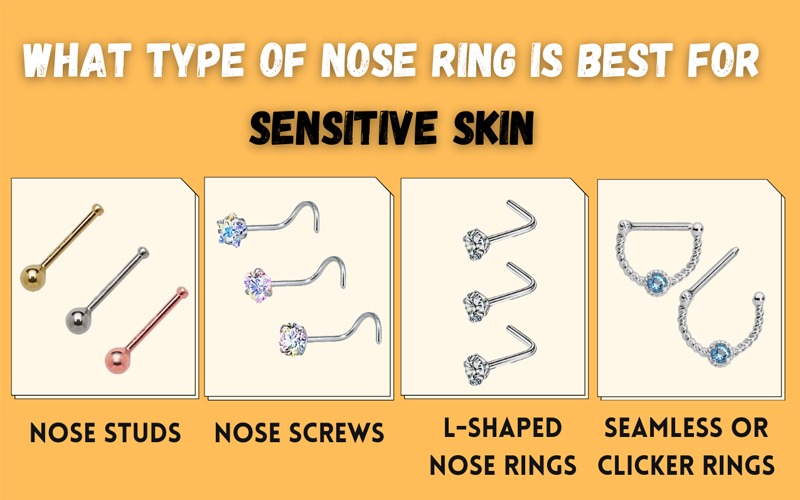
When selecting new jewelry for your nose piercing, it is essential to choose materials that minimize the risk of allergic reactions. Titanium and surgical steel are excellent options due to their hypoallergenic properties. These materials are less likely to cause irritation, making them ideal for freshly healed piercings.
In addition to material, consider the style of jewelry that best suits your aesthetic and comfort. Options range from studs to hoops, and each style can create a different look. For instance, small studs might offer a more understated appearance, while larger hoops can make a bold statement. As you explore different styles, ensure that the jewelry you select fits properly and does not place undue pressure on the piercing.
Aftercare Tips Post-Change
Even after changing your nose ring, maintaining an effective aftercare routine is crucial to prevent infections and ensure continued healing. Continue to clean the piercing daily with saline solution or a gentle antiseptic. Avoid using harsh chemicals or alcohol-based products, as these can irritate the skin and prolong the healing process.
It’s also advisable to avoid touching the piercing or changing jewelry too frequently during the healing phase. Each time you manipulate the area, you risk introducing bacteria or causing irritation. Be mindful of your activities; for instance, activities that involve excessive sweating or exposure to chlorine can impact healing.
When to Seek Professional Help
If you notice any unusual symptoms after changing your nose ring, such as excessive swelling, pus, or persistent pain, it is vital to consult a professional piercer or healthcare provider. These symptoms could indicate an infection or complication that requires immediate attention.
Regular check-ins with your piercer can also be beneficial, especially if you have concerns about your piercing’s healing process. They can provide insights, ensure that your piercing is healing correctly, and offer personalized care tips based on their professional experience.
Maintaining awareness of your nose piercing’s healing status is crucial for a smooth transition when changing your jewelry. If you feel confident that your piercing is ready, follow the outlined tips for a safe switch. If you have any uncertainties, don’t hesitate to reach out to a professional piercer for guidance. Taking the appropriate steps ensures that your nose ring remains a beautiful and healthy part of your personal style.
Frequently Asked Questions
Can I change my nose ring after a month of getting it pierced?
Yes, you can typically change your nose ring after a month, but it depends on how well your piercing has healed. Most professional piercers recommend waiting at least 6-8 weeks before changing your jewelry to ensure that the piercing is fully healed. If you experience any pain, redness, or discharge, it’s best to consult with your piercer before making any changes.
How can I tell if my nose piercing is healed enough to change the ring?
To determine if your nose piercing is healed, check for signs such as reduced swelling, no pain, and a lack of discharge. If the area feels comfortable and there are no visible irritations, it’s likely healed sufficiently. However, everyone’s healing process varies, so if you’re unsure, it’s wise to consult your professional piercer for a personalized assessment.
What type of nose ring is best to use after the initial healing period?
After the initial healing period, the best types of nose rings are those made from hypoallergenic materials, such as titanium, surgical stainless steel, or gold. These materials are less likely to cause irritation or allergic reactions. Additionally, consider a design that suits your style while being comfortable and easy to wear.
Why is it important to wait before changing my nose ring?
Waiting to change your nose ring is crucial because it allows the piercing to heal properly, reducing the risk of infection or complications. Changing the jewelry too soon can irritate the piercing and lead to inflammation or even scarring. A proper healing period ensures that the fistula (the channel formed by the piercing) is fully established, making future changes safer and more comfortable.
Which aftercare practices should I follow before and after changing my nose ring?
Before and after changing your nose ring, maintain proper aftercare to promote healing. Clean the area gently with saline solution or a saline spray and avoid touching the piercing with dirty hands. After changing your jewelry, continue to clean the piercing regularly and avoid swimming in pools or hot tubs, which can introduce bacteria. Always ensure your new jewelry is sanitized before inserting it to minimize the risk of infection.
References
- https://www.ncbi.nlm.nih.gov/pmc/articles/PMC5946163/
- https://www.aafp.org/pubs/afp/issues/2011/0701/p43.html
- https://www.healthline.com/health/nose-piercing-care
- https://www.mayoclinic.org/tests-procedures/piercing/about/pac-20383182
- https://www.medicalnewstoday.com/articles/nose-piercing-healing-time-and-aftercare